Daily History
Politics & state

British East India Company Founds Madras (Chennai)

Chennai, India
British East India Company Founds Madras (Chennai) — Chennai, India
Image: jamal haider from india · CC BY-SA 2.0

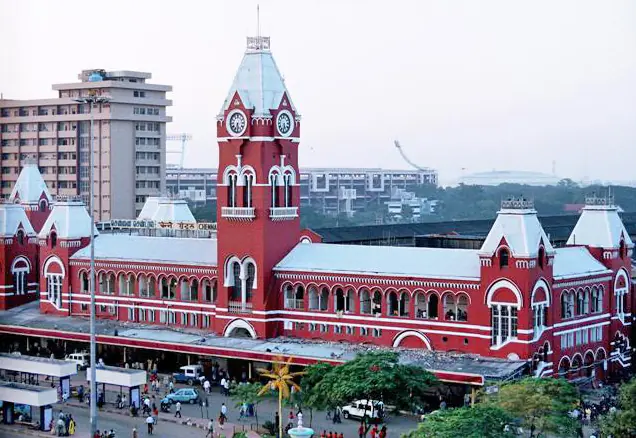
A strip of sand, scrub, and palm trees, barely a mile long and a quarter-mile wide, lay baking under the August sun. To its west, the Cooum River snaked sluggishly towards the Bay of Bengal, where fishing boats bobbed in the emerald shallows. This was the Coromandel Coast in 1639, a world of local chieftains, intricate trade networks, and the ancient hum of a land that had seen empires rise and fall like the monsoon tides. It was, by any measure, a perfectly ordinary patch of India. Then came the offer: a sliver of land, bought not with gold or silver, but with a promise of shared customs duties and the implicit threat of a foreign flag. The cost of eternity, it turns out, was negotiable.

Francis Day, an agent for the British East India Company, had been dispatched from Masulipatnam with a singular, pressing directive: find a new, defensible trading post. Their existing factory was silting up, its political climate as treacherous as its harbor. Day, along with his superior Andrew Cogan, found their mark in Damarla Venkatadri Nayaka, the local Nayak ruler. The Nayak, a shrewd regional power broker, saw an opportunity. The British wanted land to build a fort, a factory, and a town. He wanted the increased trade and, crucially, military protection against rival chieftains. A handshake, a few scribbled agreements on August 22, 1639, and the deed was done. The Nayak gifted the land, and in return, the Company promised to pay half the customs and revenue from the port. A modest exchange, it seemed, for a dusty, unpromising patch of coastline.

Before this transaction, the land existed in its own slow, geological time. Salt pans shimmered near the shore, and the occasional fisherman cast his net into the Bay. The nearest significant settlement was Mylapore, with its ancient Kapaleeshwarar Temple, a beacon of local faith and commerce. The British presence on the coast had been a scattering of trading posts, tolerated but contained, like exotic, brightly plumed birds. No one, not the Nayak, not Day, nor the fish in the Bay, could have envisioned the concrete and steel behemoth that would one day erupt from that parched earth.
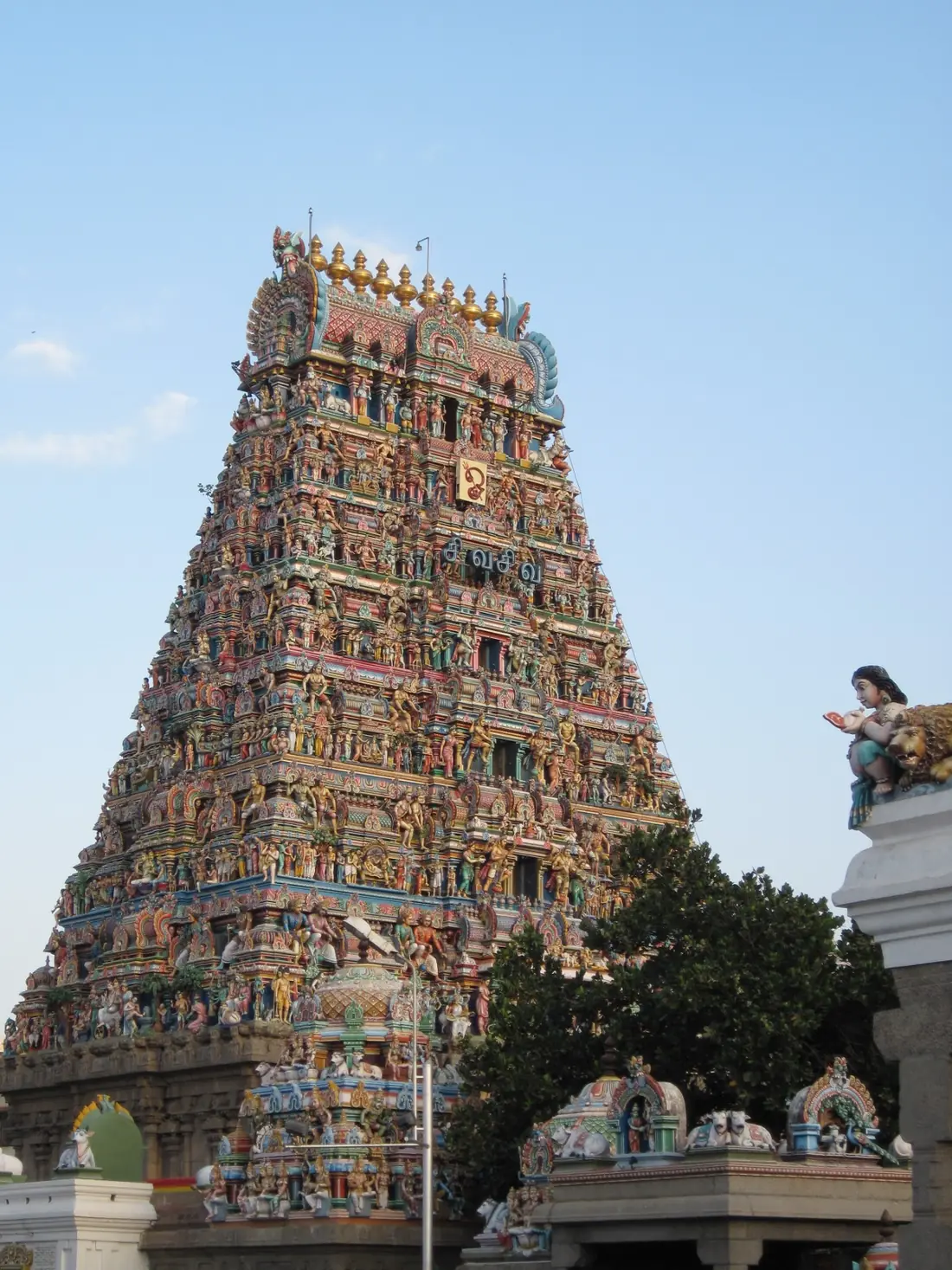
British East India Company Founds Madras (Chennai) — Chennai, India
Image: Srinivasan G · CC BY-SA 2.0

Within months, the quiet strip of sand was a construction site. Rough palisades went up, then more substantial stone walls. Fort St. George began to take shape, a hulking monument to European ambition. Its white walls, stark against the red earth, were visible for miles. The British, with their peculiar blend of commerce and conquest, were not content to simply trade. They built. And as they built, people flocked. Artisans, laborers, merchants, camp followers – a vibrant, polyglot population drawn by the promise of work and the protection of the fort. A ‘Black Town’ sprang up north of the fort, a maze of bustling streets and markets, a stark contrast to the orderly, European ‘White Town’ within the fort’s walls. The smell of fresh lime mortar mingled with the scent of spices and sea salt.

The fishing village of Madraspatnam, which gave the new settlement its name, quickly became a footnote, swallowed by the burgeoning colonial enterprise. The Nayak rulers, who had initially seen the British as a valuable, if peculiar, ally, found themselves increasingly outmaneuvered. The Company, once a guest, became the landlord, then the sovereign. The initial agreement, a simple understanding between two parties, blossomed into a charter for an empire. That unremarkable strip of sand, purchased for a promise and a percentage, became the nucleus of Chennai, a city of millions. It wasn’t just a new town; it was a pivot point. The slow rhythms of the coast gave way to the relentless ticking of imperial ambition, a clock set that August day to run for centuries.

British East India Company Founds Madras (Chennai) — Chennai, India
Image: Valluvar_Kottam.JPG: Joe Ravi derivative work: Kingpin13 (talk) · CC BY-SA 3.0

The British East India Company, formed by a few London merchants for the modest purpose of trading spices and textiles, would eventually govern a subcontinent. And it all began, not with a grand invasion, but with a real estate deal for a piece of coastal real estate that, at the time, probably looked like a terrible investment.

Source: en.wikipedia.org/wiki/Chennai
War & conflict

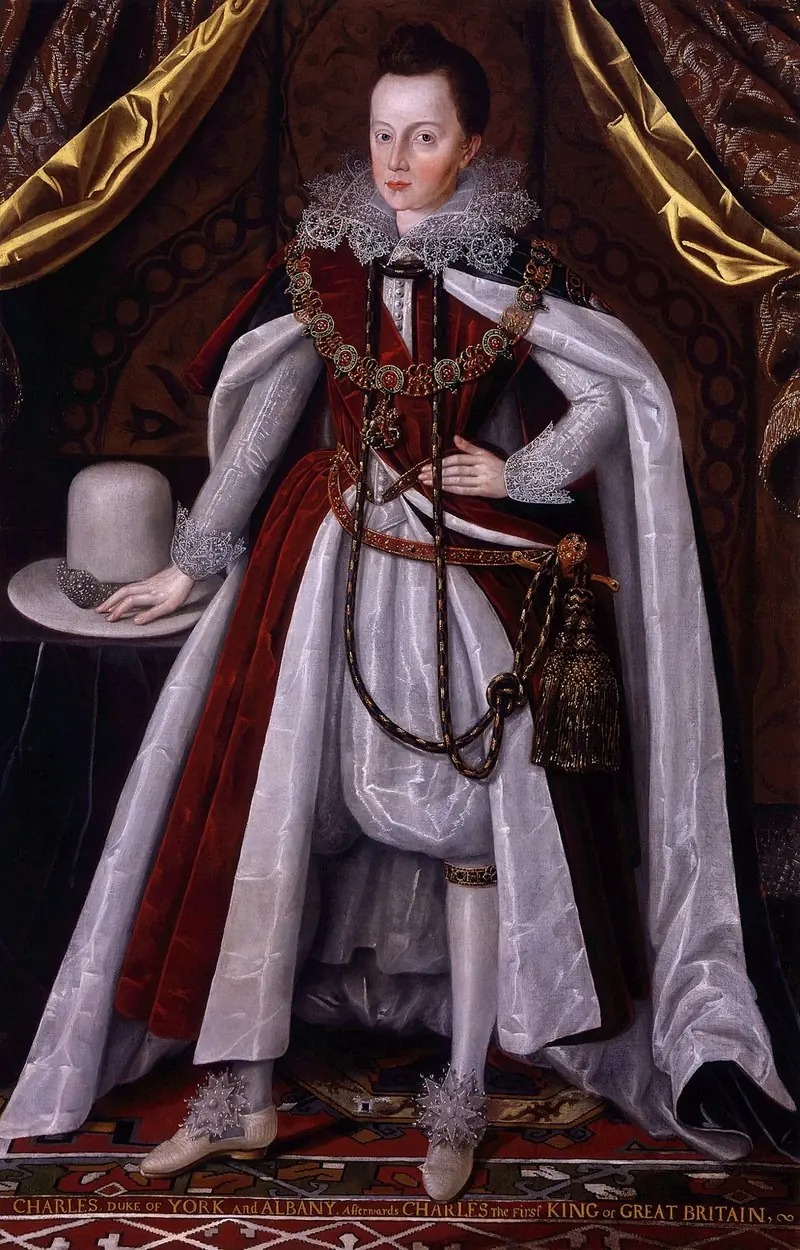
Charles I Raises Standard, English Civil War Begins

Nottingham, England

Charles I Raises Standard, English Civil War Begins — Nottingham, England
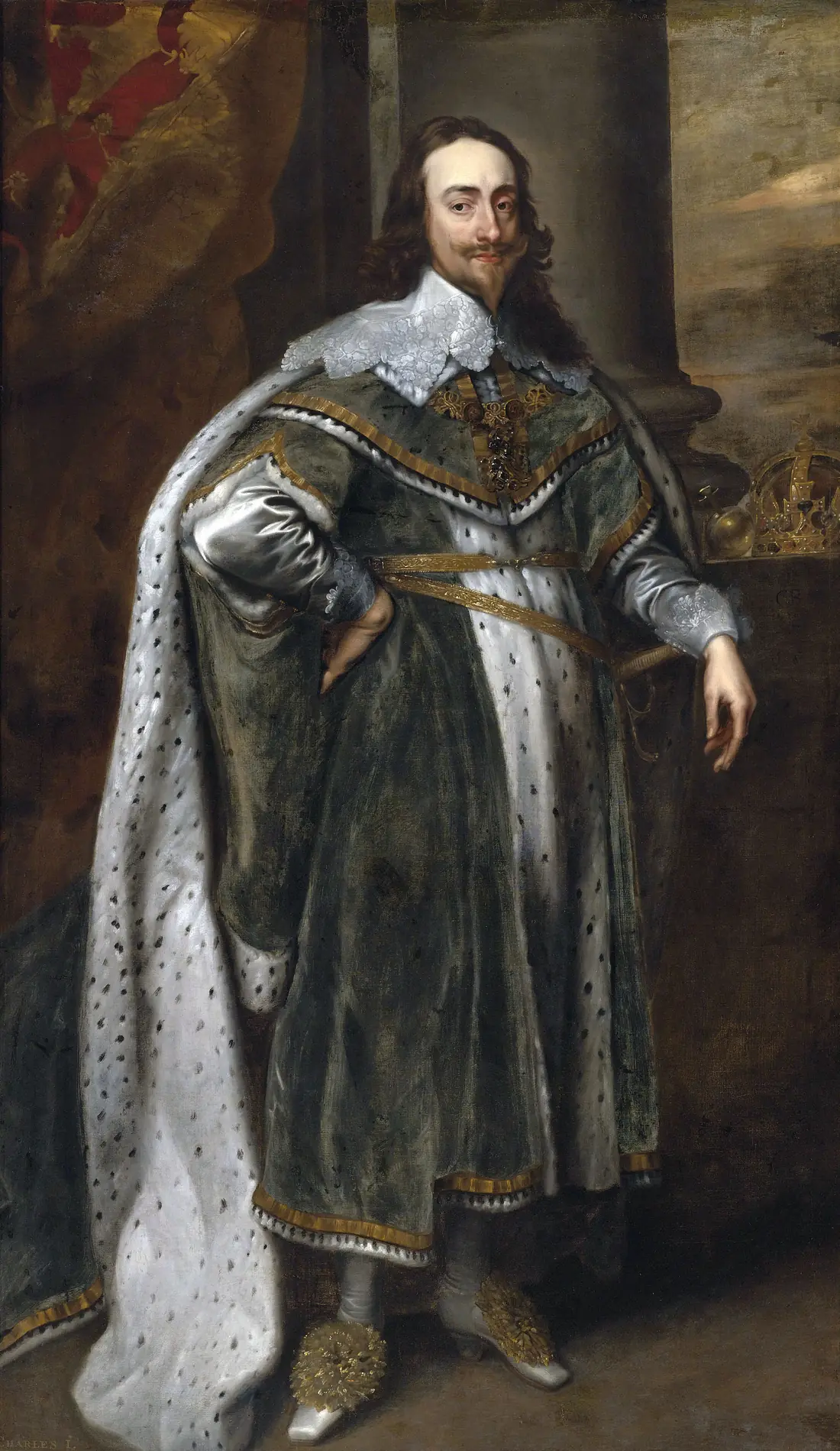
Image: Workshop of Anthony van Dyck · Public domain

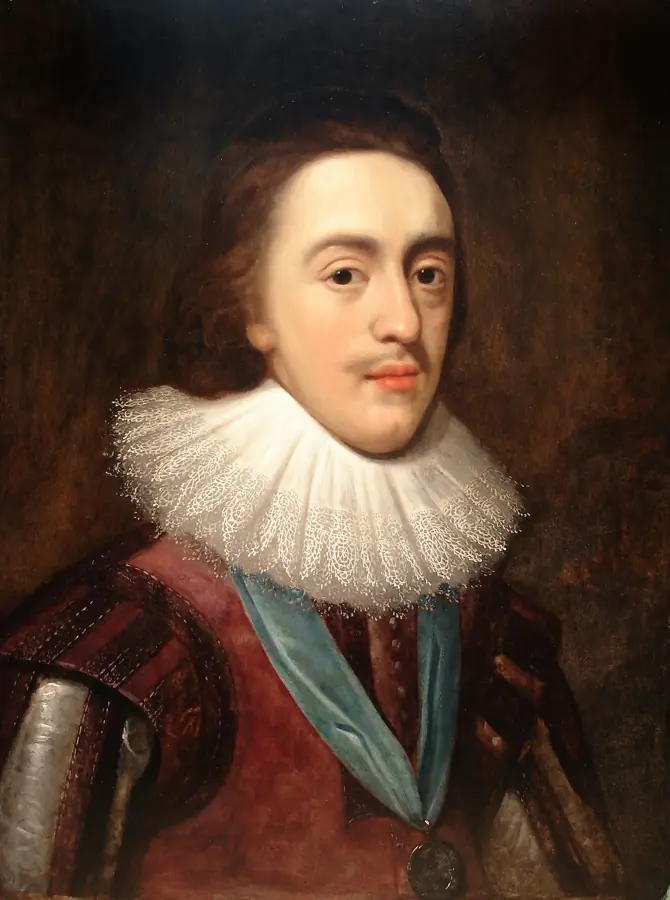
The wind, it seems, was not on King Charles I’s side that day. As the royal standard, an enormous, somewhat garish silken banner depicting the royal arms and the motto “Give Caesar His Due,” was laboriously hoisted into the blustery Nottinghamshire air, it struggled. It was August 22, 1642, and the King, resplendent but likely seething, was formally declaring war on his own Parliament. The very act of raising such a ponderous symbol required a team of men and, even then, the elements seemed to mock the proceedings, threatening to tear it from its moorings or, worse, lay it flat in the mud. A bad omen, perhaps, for a war that would redefine a nation’s soul.

For centuries, the divine right of kings had been the bedrock of English governance, a notion so ingrained it felt as immutable as the tides. A monarch was God’s anointed, accountable only to the heavens. To question him was not merely treason; it was sacrilege. This singular, blustery afternoon in Nottingham, however, shattered that illusion with the force of a parliamentary cannonball. Before this moment, the idea of a king being judged, fought, and ultimately executed by his own subjects was not just unimaginable; it was a conceptual void. After, it became a terrifying, tangible precedent.

Charles, for his part, genuinely believed in his God-given authority. He viewed Parliament as a recalcitrant advisory body, not a co-equal power. His attempts to govern without them for eleven years, raising funds through dubious means like “ship money” (a tax traditionally for coastal defense, now levied inland), only exacerbated tensions. His insistence on a more ritualistic, 'high church' Anglicanism, coupled with the influence of his Catholic queen, Henrietta Maria, fueled fears of a return to popery among a fiercely Protestant populace. When he marched into the House of Commons in January 1642, backed by armed guards, to arrest five leading MPs – a move of breathtaking audacity – he crossed a Rubicon. The Speaker, William Lenthall, famously responded to Charles’s demand to know where the MPs were by stating, “May it please your Majesty, I have neither eyes to see nor tongue to speak in this place but as the House is pleased to direct me.” It was a polite, yet profound, rejection of royal prerogative.

Charles I Raises Standard, English Civil War Begins — Nottingham, England
Image: Robert Peake the elder · Public domain

By summer, the gloves were off. Parliament began raising its own army, an act of open defiance that Charles could not ignore. His standard-raising at Nottingham was meant to be a grand, unifying call to his loyal subjects. He even issued a proclamation, rather optimistically, stating he was acting for the “defence of the true Protestant Religion, the Laws of the Land, the Liberty of the Subject, and the just Privileges of Parliament.” The irony, of course, was that Parliament believed *they* were doing precisely the same thing.

What followed was a brutal, four-year conflict that tore families apart, killed an estimated 200,000 people (a staggering 4% of England’s population at the time), and utterly upended the social order. It wasn't merely a squabble over power; it was a foundational shift. The very notion of sovereignty – where ultimate power resided – was put to the sword. Did it lie with the monarch, chosen by God, or with the representatives of the people, chosen by men? The answer, hammered out in blood and fire, was a resounding, if messy, assertion of parliamentary supremacy.

Charles I Raises Standard, English Civil War Begins — Nottingham, England
Image: Daniël Mijtens · Public domain

The English Civil War didn't immediately create a modern democracy, but it irrevocably set England on that path. The execution of Charles I in 1649, a regicide performed by his own people, made it clear that even kings were not above the law. The monarchy was restored in 1660, but it was a different beast entirely. The king might wear the crown, but the power had decisively shifted. The day the wind toyed with Charles’s grand banner in Nottingham, an old world, where rulers reigned by divine decree, began its slow, inevitable collapse, making way for a future where people, not just kings, had a say in their destiny. It was a rather dramatic way to introduce a new understanding of political accountability, and one can only imagine the huffing and puffing involved in getting that unwieldy banner to stand up straight in the first place.

Source: en.wikipedia.org/wiki/Charles I of England

Use the arrow keys to move between days

Browse the full archive →