Portugal Conquers Ceuta, Launching Age of Discovery
Ceuta
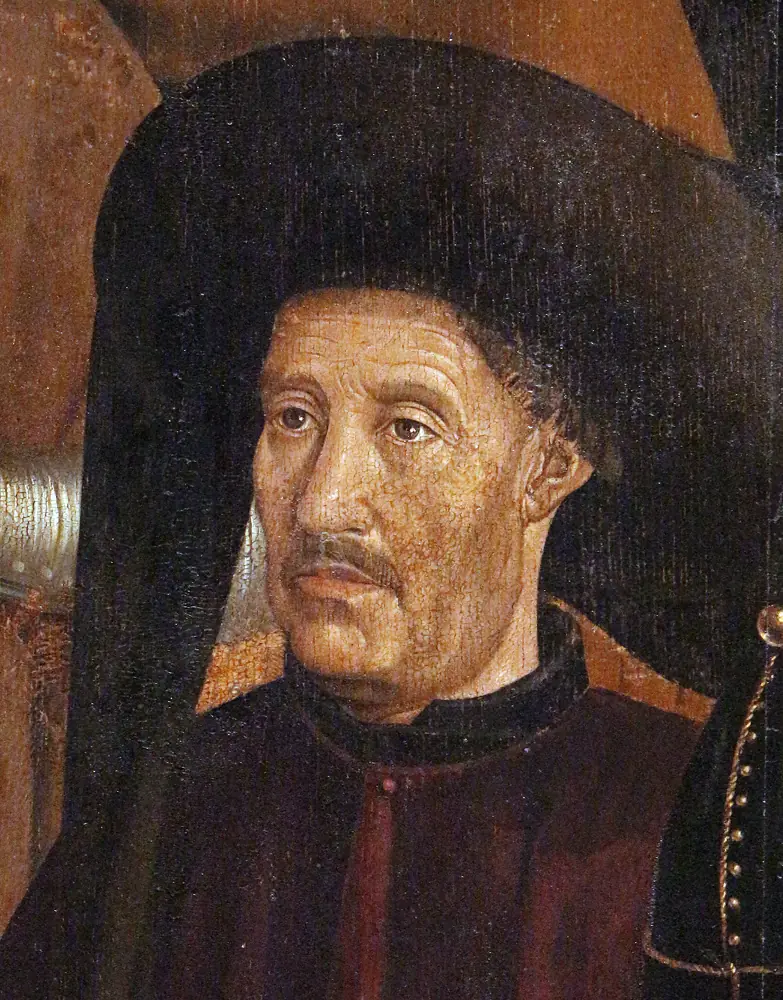
Twenty-one-year-old Prince Henry, a boy barely out of his breeches, found himself not at the helm of a grand caravela charting unknown seas, but scrambling over the blood-slicked stones of Ceuta. He was not yet ‘the Navigator’ – that moniker would arrive decades later, a retrospective award for a life dedicated to distant horizons. On August 21, 1415, he was simply Henry, the third son of King John I of Portugal, desperate for a purpose beyond courtly intrigue, eager for the clatter of steel and the roar of a captured city. This was his first taste of battle, and he approached it with a ferocity that surprised even his seasoned father.
The target was Ceuta, a jewel of a port on the North African coast, a hub for the gold, spices, and slaves flowing from the Sahara. For the Marinid Sultanate, it was a vital artery; for the Portuguese, a tempting prize. King John I had spun a tale of a holy crusade, a noble endeavor to strike a blow against Islam, but the whispers among the 20,000 men gathered in the Lisbon harbor spoke more of loot and glory. The king’s sons – Duarte, Peter, and Henry – had lobbied hard for the expedition, their youthful ambition a powerful lever against their father’s more cautious temperament. They craved knighthood, earned not by decree, but by conquest.
The deception was masterful. The vast Portuguese fleet, over 200 ships, sailed first towards Gibraltar, feigning an attack there. The Marinid governor of Ceuta, Salah ben Salah, a man long accustomed to the ebb and flow of Mediterranean trade, watched from his battlements, relieved. He believed the Portuguese were after Gibraltar, a more obvious target. He relaxed his guard, a decision that would cost him dearly. When the armada, under cover of a moonless night, swerved back towards Ceuta, he was caught utterly unprepared.
As dawn broke, casting long, nervous shadows across the harbor, the Portuguese landed. Henry, a whirlwind of youthful zeal, was among the first ashore. He led a charge so reckless, so headlong into the city’s defenses, that he was quickly separated from his bodyguards. Wounded early, he fought on, a testament to pure, unadulterated adrenaline. His older brothers, Duarte and Peter, were not far behind, demonstrating similar courage, their hunger for martial renown palpable in every swing of their swords.
The fight for Ceuta was brutal. The Marinid defenders, once roused, fought fiercely from houses and alleyways, but their initial disorganization proved fatal. The Portuguese, well-armed and disciplined, pushed through the narrow streets. The city, normally a bustling marketplace of cultures, became a labyrinth of screams and steel. By afternoon, it was over. The Portuguese flag flew over the Grand Mosque, which was swiftly consecrated as a Catholic church. The city was plundered, its wealth redistributed among the conquerors. Salah ben Salah, stripped of his authority, watched his city burn.
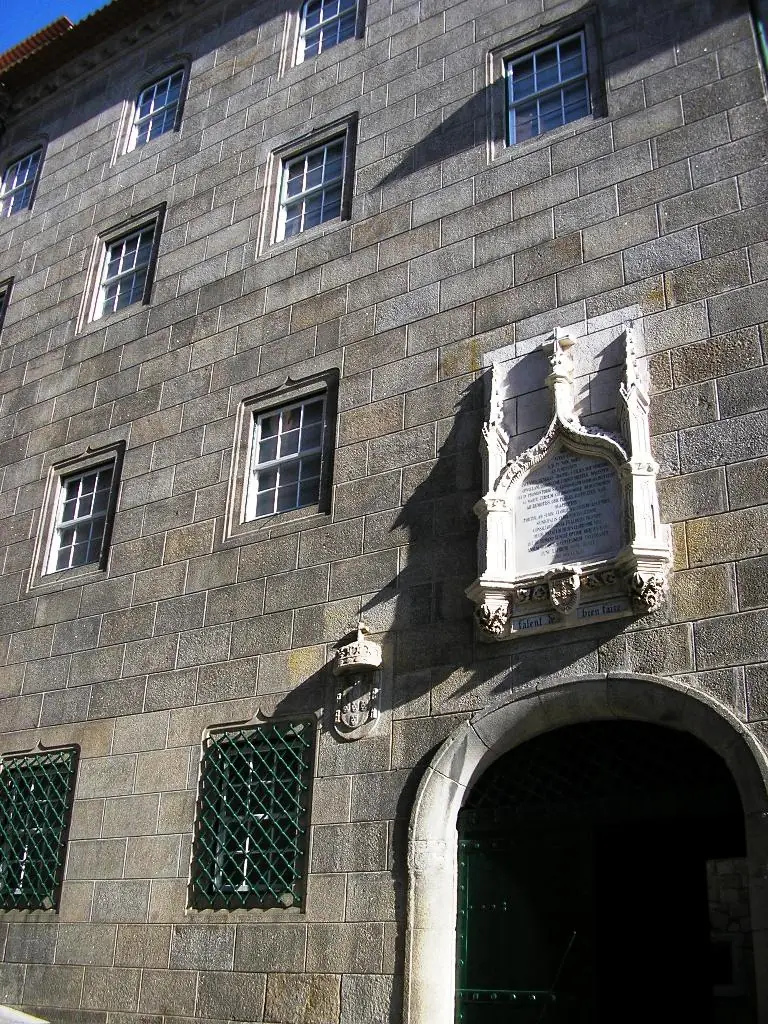
Ceuta was a triumph, and Henry, along with his brothers, was knighted on the field of battle. Yet, the victory was a hollow one in many respects. The city, once a bustling trade hub, withered under Portuguese rule. Merchants, fearing piracy and the disruption of traditional routes, simply rerouted their goods to other North African ports. Ceuta became an isolated, expensive outpost, a financial drain rather than a golden goose. Portugal had gained a strategic toehold, but the promised wealth evaporated, forcing Henry to look elsewhere – to the uncharted waters and distant shores that would, eventually, earn him his famous, if anachronistic, title. The boy who fought for a city would spend the rest of his life dreaming of what lay beyond the horizon, precisely because his first major conquest yielded so little of what he truly sought.