Mamluks Halt Mongol Advance at Ain Jalut
Palestine
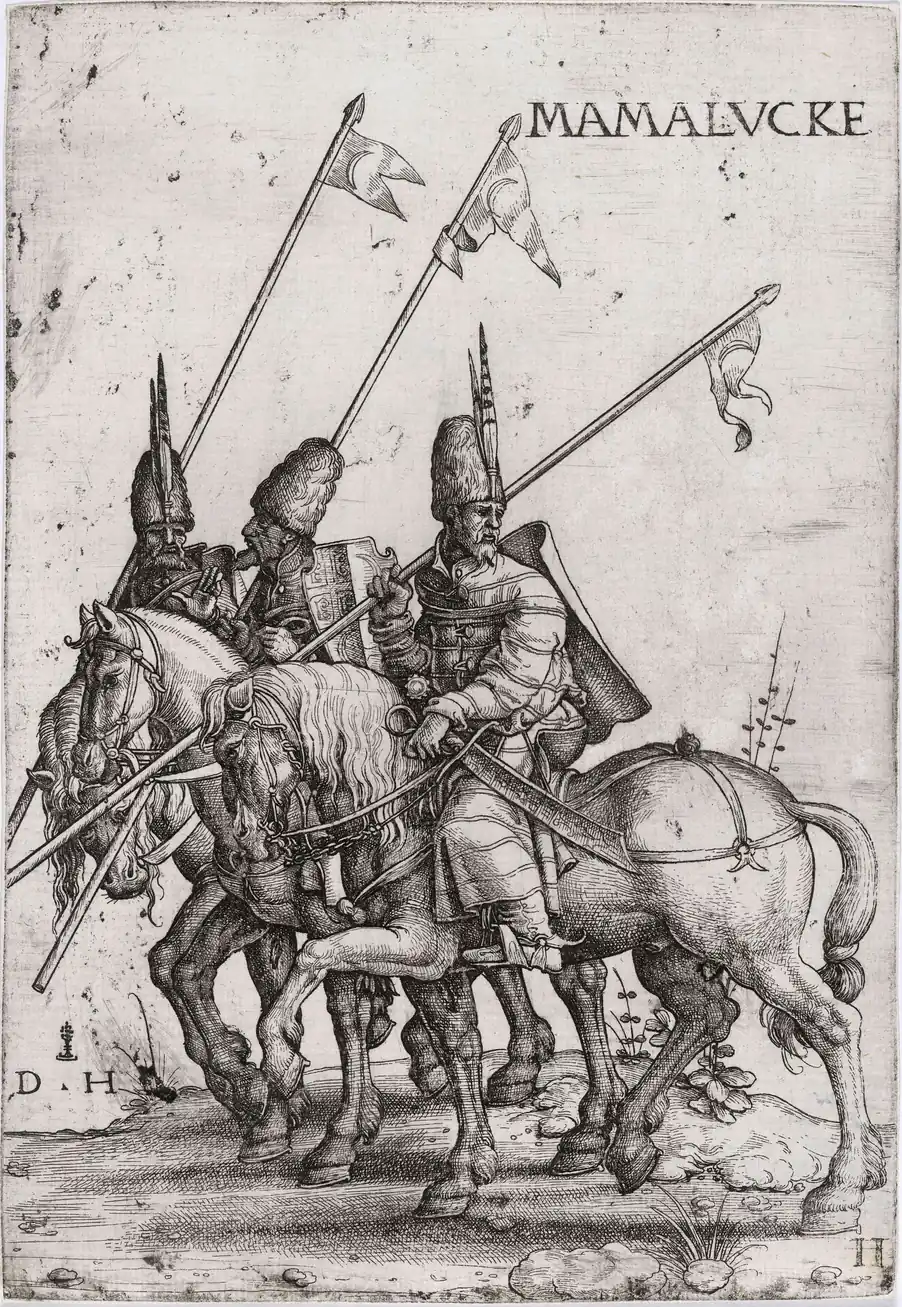
The Mongol Empire, a name that struck terror from the steppes to the Adriatic, met its first truly definitive wall not with a grand siege or a legendary emperor, but with a series of very inconvenient deaths and a deeply pragmatic, if morally questionable, decision by a contingent of former slave-soldiers. Most accounts celebrate the Mamluks' unlikely victory at Ain Jalut as a triumph of military prowess and sheer will. And it was, in part. But the true story, the one often glossed over, involves an internal Mongol power struggle that inadvertently cleared the path for the Mamluks, allowing a brutal, desperate gambit to succeed where it might otherwise have been annihilated.
By 1260, Hulagu Khan, grandson of Genghis, had laid waste to Baghdad, extinguished the Abbasid Caliphate, and was sweeping through Syria, leaving devastation in his wake. His advance guard, under the seasoned Nestorian Christian general Kitbuqa, seemed unstoppable. The Mamluks, rulers of Egypt, were next on the menu. Yet, the main course never arrived. In August 1259, far to the east, the Great Khan Möngke died. This wasn't just a leadership change; it was a seismic event that triggered a scramble for succession among the Mongol princes, most notably between Hulagu’s brothers, Kublai and Ariq Böke.
Upon hearing the news, Hulagu, who was personally leading the main Mongol host, made the fateful decision to withdraw the vast majority of his army back to Persia, and eventually east, to participate in the upcoming kurultai, the Mongol electoral assembly. He left behind Kitbuqa with a mere 10,000 to 20,000 troops (some estimates put it even lower), essentially a holding force. This was the critical, unseen pivot. Had Hulagu, with his full, terrifying might, continued his westward push, the Mamluks would have faced an entirely different beast.
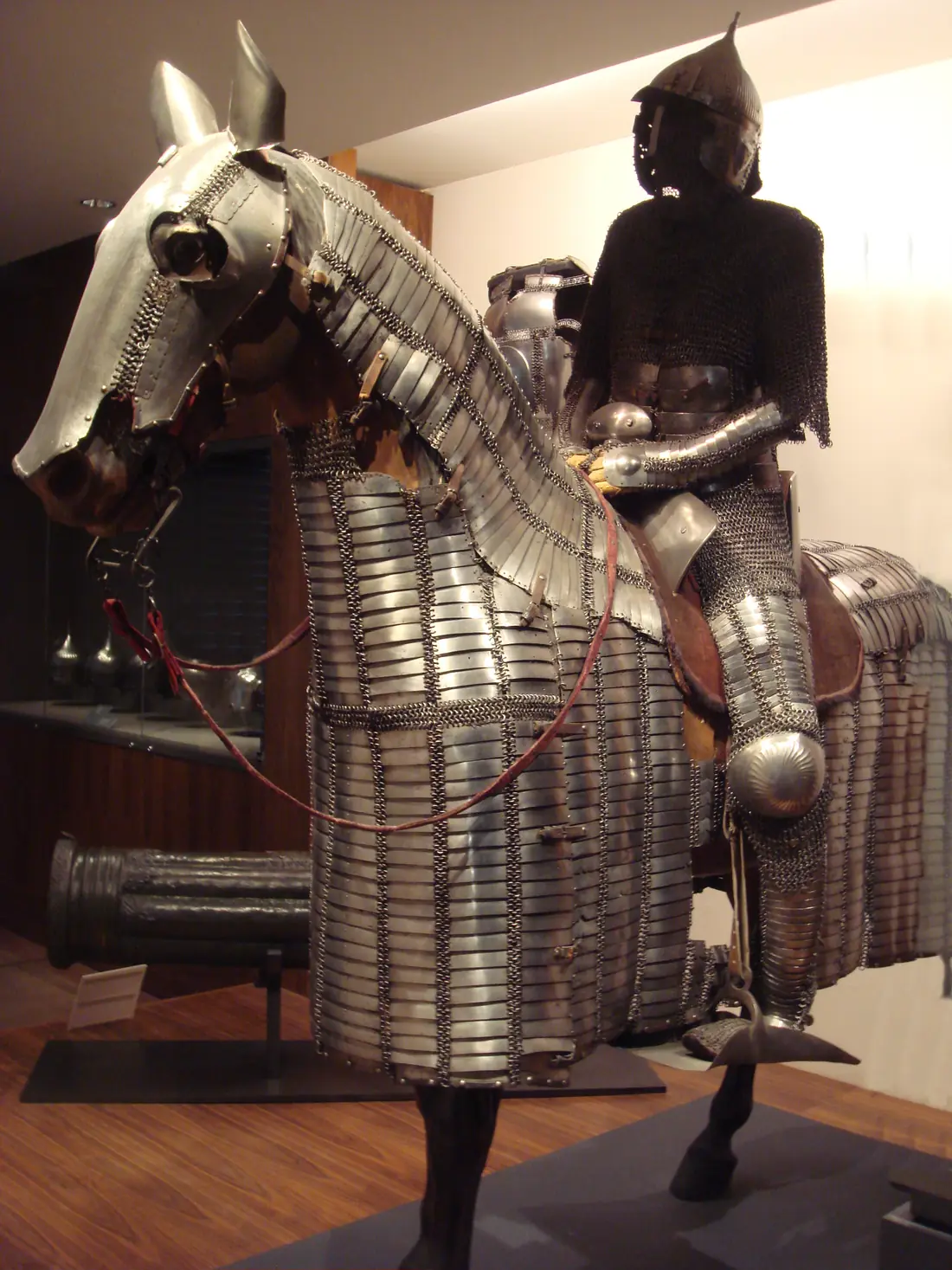
The Mamluks, themselves a peculiar military aristocracy forged from Turkish and Circassian slave-soldiers, were under the command of Sultan Qutuz. Qutuz, not one for democratic niceties, had just deposed and assassinated his own predecessor, a young and ineffective sultan, to consolidate power for the impending clash. His internal position was precarious, but his external resolve was absolute. He also struck an astonishingly pragmatic, if temporary, truce with the Crusader state of Acre, allowing his army to march through their territory to meet the Mongols. Imagine the Crusaders, who had fought the Mamluks for decades, waving them through to fight a common, more terrifying enemy. It was an alliance born of sheer, existential dread.
On September 3, 1260, at Ain Jalut (Goliath’s Spring) in what is now Palestine, Qutuz, along with his brilliant general Baibars, sprung their trap. They used a classic feigned retreat, drawing Kitbuqa’s forces into a valley. When the Mongols charged, believing victory was theirs, Mamluk reserves emerged from the surrounding hills, enveloping them. The battle was fierce, lasting for hours. Kitbuqa, refusing to flee, was captured and executed. His head, a trophy of unimaginable significance, was paraded through Damascus.
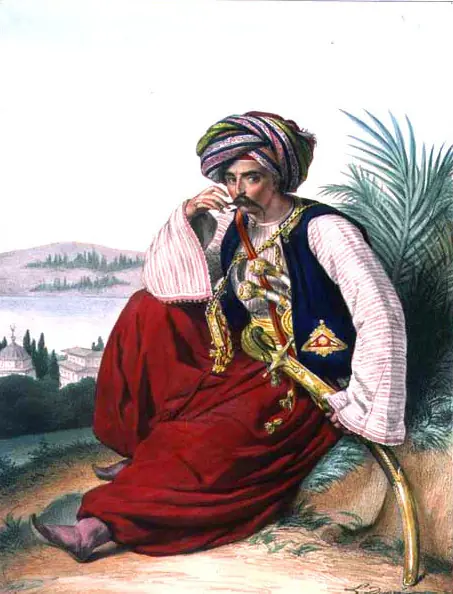
The victory was total. The Mamluks had not only stopped the seemingly unstoppable Mongol tide but had done so against a severely depleted force, thanks to an internal Mongol squabble thousands of miles away. It was less a direct, head-on collision of equals and more a surgical strike at an opportune moment. The Mongol Empire, which had stretched from Korea to Hungary, had reached its maximum expansion, not because it was defeated by an insurmountable foe, but because its leaders were too busy vying for the throne to complete their conquests. The Mamluks were merely the fortunate beneficiaries of a very awkward family reunion.
Source: en.wikipedia.org/wiki/Mamluk