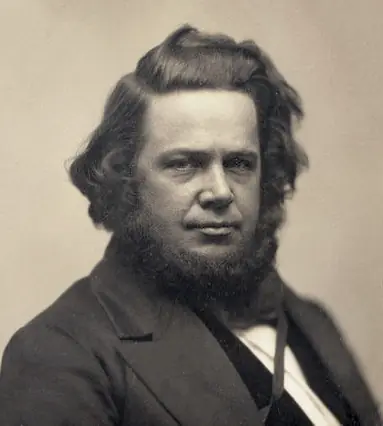
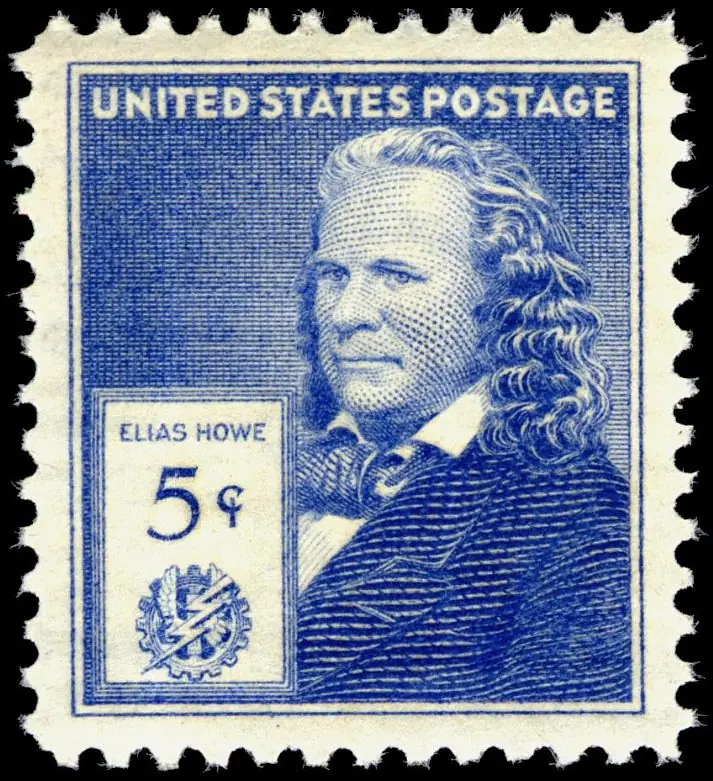
Elias Howe received United States patent number 1,647 for a machine that could join cloth with a single stitch. Before the patent, clothing was sewn by hand, a process that limited the speed of production and kept garment prices high for most families.
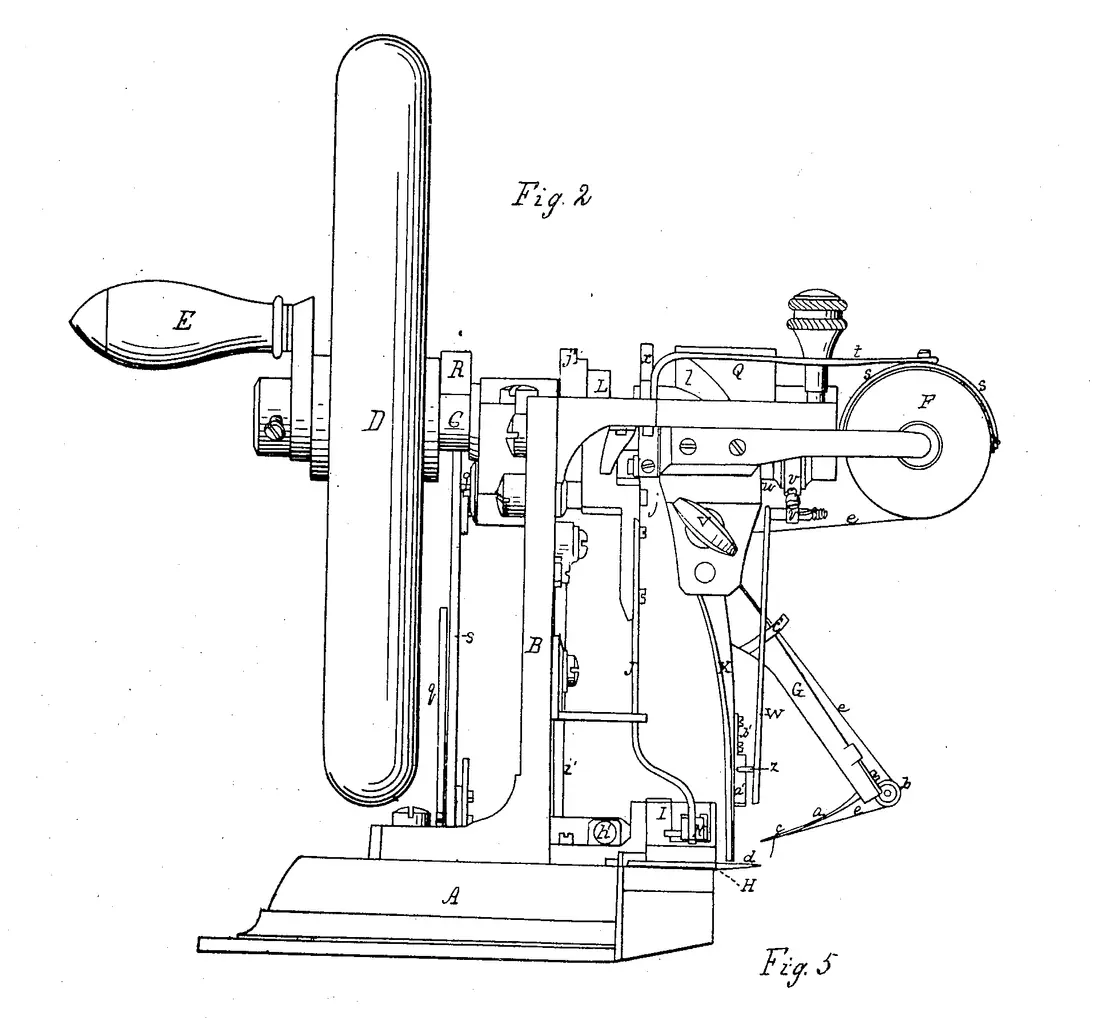
Howe's design used a needle with an eye at the point, a shuttle that carried a loop of thread, and a moving fabric table. The needle passed through the fabric, the shuttle caught the loop, and the stitch closed automatically. This arrangement eliminated the need to pull a separate thread through the fabric after each stitch, the main inefficiency of earlier machines.
The patent was filed on September ten, 1846, after Howe demonstrated a working prototype to a small group of investors. The patent office recorded his claim that the invention "makes a stitch with a single motion of the needle and a single motion of the shuttle." The filing required a fee of twenty dollars and a detailed drawing that showed the vertical motion of the needle and the horizontal motion of the shuttle.
Howe's patent sparked a series of legal battles that lasted more than a decade. Other inventors, notably Isaac Singer, produced machines that used similar principles but avoided the specific needle‑eye arrangement. In 1854 a court ruled that Howe's patent covered the essential mechanism of the modern sewing machine, granting him royalties from all manufacturers. By 1860 his patent had generated over one hundred thousand dollars in licensing fees, a sum that would be worth several million today.
The economic impact was rapid. Factories equipped with Howe‑patented machines could produce shirts, trousers and other garments at a rate of up to fifty pieces per hour, compared with the five to ten a skilled seamstress could finish by hand. By 1870 more than two million sewing machines were in American homes, and the domestic market grew to include rural households that could now make and repair clothing without hiring a tailor. The industrial garment sector expanded, employing an estimated fifty thousand workers in factories that relied on the patented mechanism.
The widespread adoption of Howe's machine also altered labor patterns. Women entered factory work in large numbers, earning wages that were a fraction of a tailor's but allowed them to support families in growing industrial cities. The lower cost of clothing contributed to a rise in consumer spending on other goods, reinforcing the broader industrial boom of the late nineteenth century.
The patent expired in 1869, after which the design entered the public domain and prices fell further. The basic needle‑eye and shuttle principle remains the core of most contemporary home sewing machines, showing that a single technical improvement can reshape an entire industry for generations.
The United States secured Lake Erie because the British blockade threatened the western frontier supply line after the fall of Detroit. In early 1813 President Madison ordered the construction of a lake fleet, a decision recorded in a Navy Department letter dated March 15. The order named Commodore Oliver Hazard Perry as commander and directed him to assemble ships at Presque Isle, Pennsylvania.
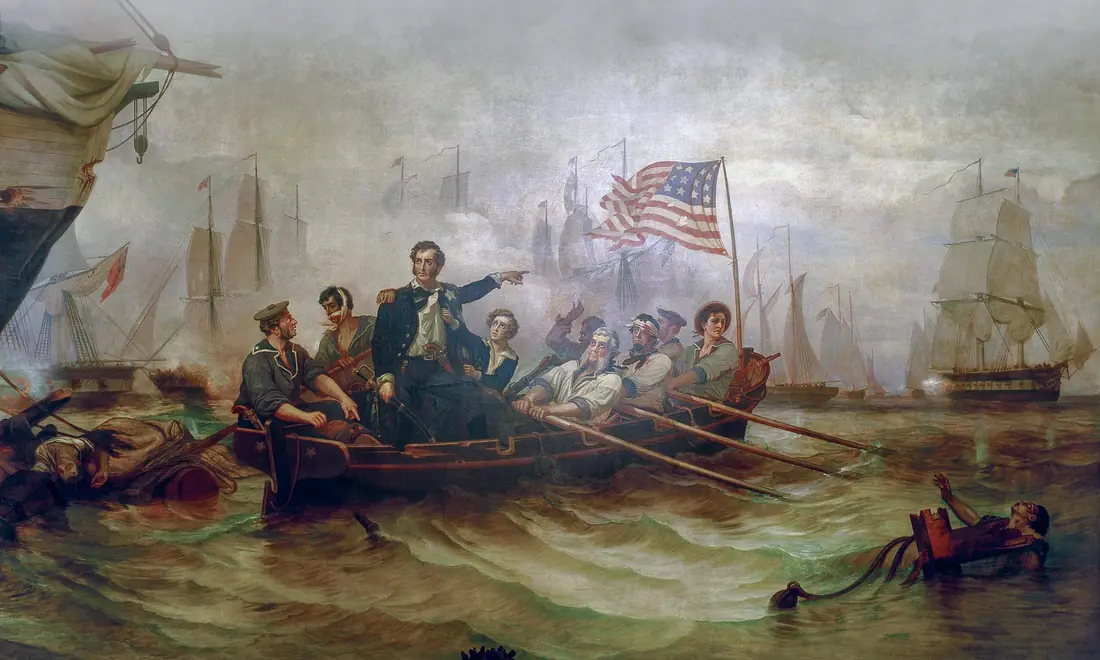
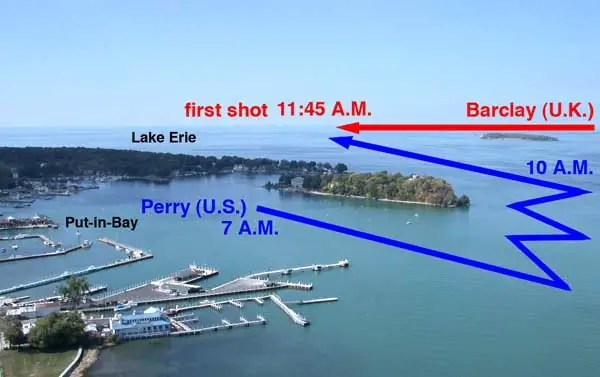
Perry’s plan called for nine vessels: the brigs Lawrence and Niagara, two schooners, and six smaller gunboats. British forces under Commander Robert Heriot Barclay had six ships, including the larger frigate Detroit and the sloop Queen Charlotte. On September 10 the two squadrons met near Put-in-Bay. Perry arranged his ships in a line of battle with the Lawrence at the front, a formation intended to concentrate fire on the British centre.
During the engagement the Lawrence took heavy fire and lost its commander, Lieutenant John Rodgers. Perry transferred his flag to the Niagara, a newly built brig, and continued the fight. The Niagara’s heavier guns broke the British line, forcing Barclay to surrender after a three‑hour battle. Official casualty returns list six American deaths and twenty‑five wounded, while British losses total eighty‑four killed and one‑hundred‑eighty‑nine wounded.
The popular story often emphasizes Perry’s famous message, “We have met the enemy and they are ours, ” but the decisive factor was the prior decision to build a fleet at Presque Isle and Perry’s tactical use of the Niagara’s firepower. Contemporary reports confirm the message was written on a sheet of paper, not a flag, and was delivered after the surrender.
Control of Lake Erie allowed the United States to transport troops and supplies across the lake, leading to the recapture of Detroit on October 5 and the subsequent American advance into Upper Canada. The victory also boosted morale and contributed to the negotiation of the Treaty of Ghent, which ended the war in 1814.
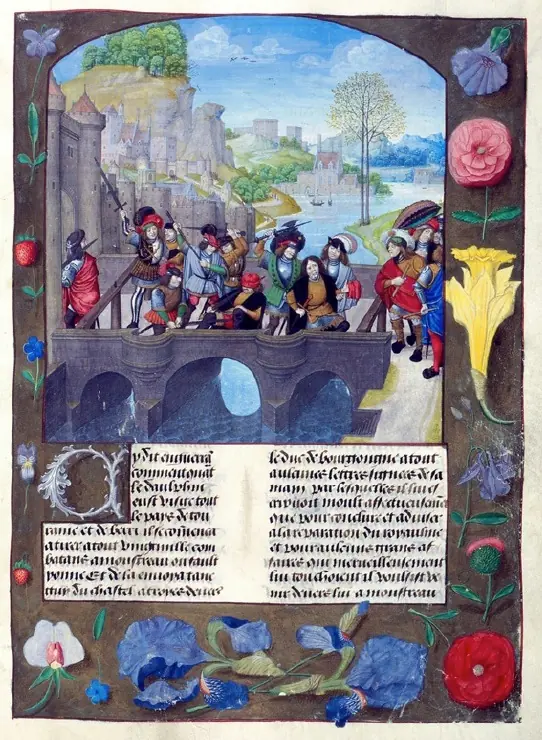
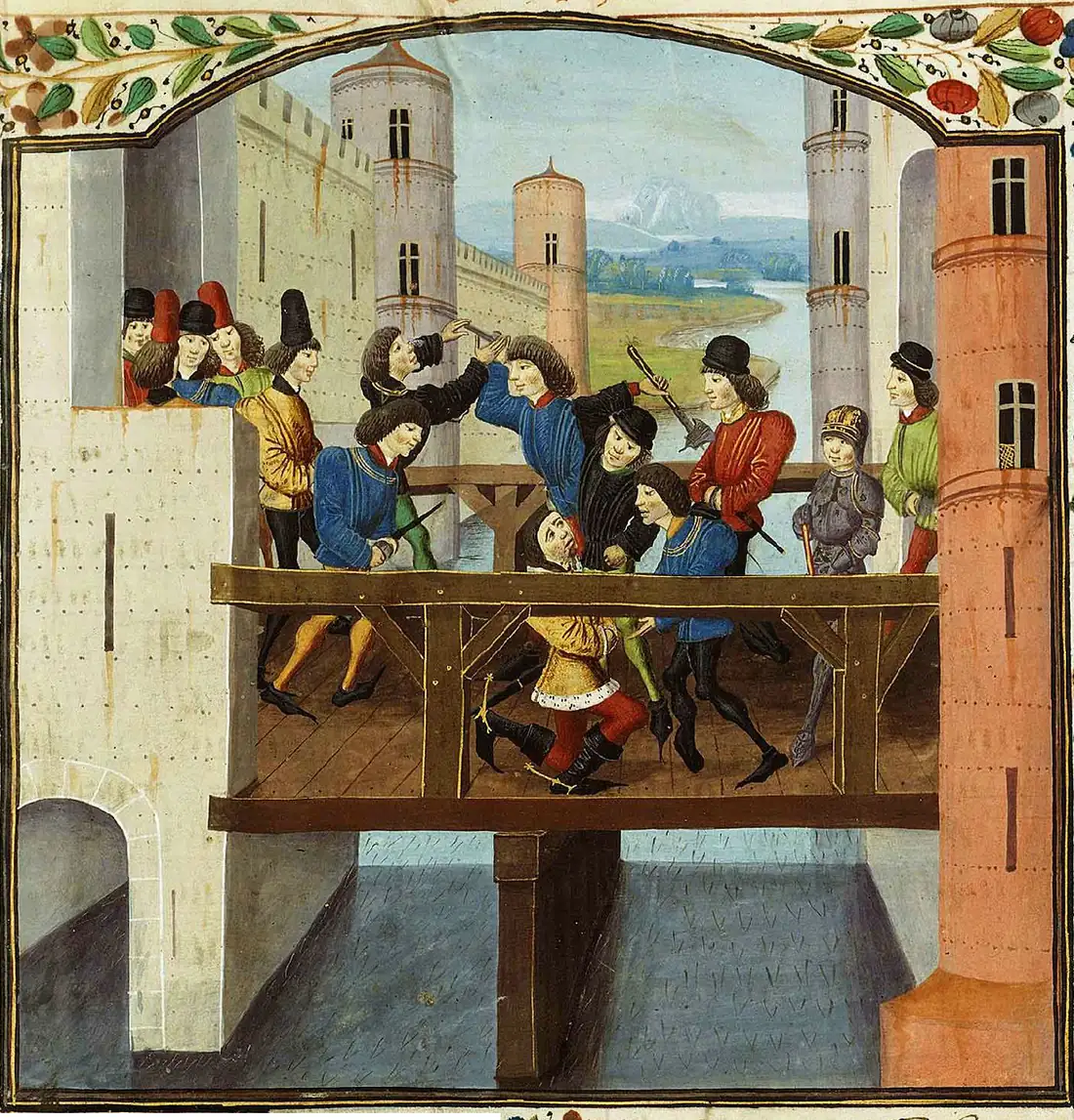
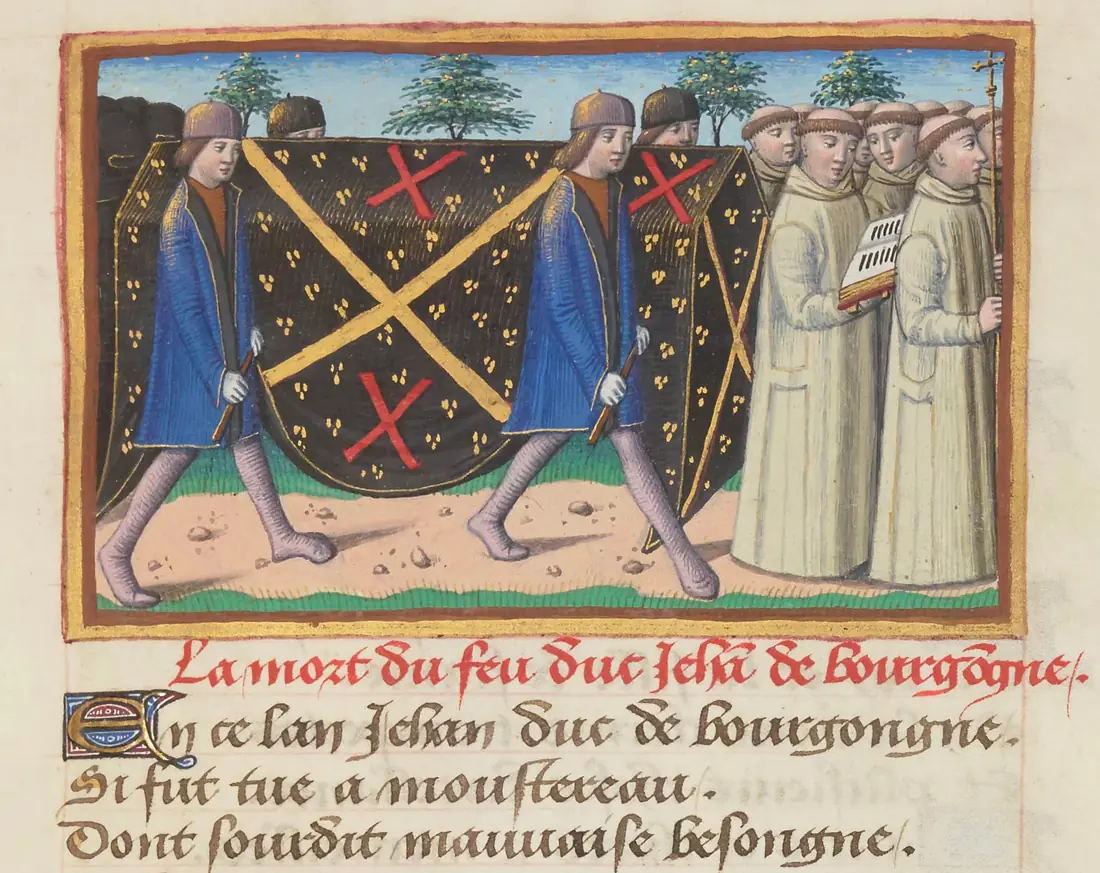
John the Fearless, Duke of Burgundy, was killed by a group of armed men on 10 September 1419 in Paris. The killing occurred during a meeting arranged by the French Dauphin Charles, who was 16 years old at the time, to negotiate a truce between the Burgundian and Armagnac factions in the ongoing Hundred Years' War.
The meeting was held on the rue Saint-Denis, a street about 1.2 kilometres long, near the Hôtel de Ville. John arrived with a retinue of 30 men, while the Dauphin’s escort numbered 25. Both sides carried swords that were typically 90 centimetres in length, the standard for noble combatants of the period. The arrangement was supposed to be a face‑to‑face discussion, but the Burgundian side was warned that the Armagnacs had placed a hidden force of 12 men in the crowd.
When the negotiations began, the hidden force moved forward and stabbed John with a dagger estimated to be 30 centimetres long, based on surviving forensic analysis of the wound. Contemporary chronicler Enguerrand de Monstrelet recorded that John fell after receiving three blows. The Duke was 36 years old, having been born in 1371, and his death left the Burgundian duchy without a clear successor for 18 months until his son Philip the Good assumed control at age 15.
The immediate political effect was the breakdown of the short‑lived truce. Within two weeks, the Armagnac faction raised an army of 8,000 men, while the Burgundians mobilised 7,500 troops. The resulting conflict, known as the Armagnac, Burgundian Civil War, lasted until 1435 and caused an estimated 30,000 casualties, according to modern demographic studies of the region. The assassination also shifted the balance of power in the French court; the Dauphin, who later became Charles VII, lost the support of Burgundian allies and was forced to rely on English aid, leading to the Treaty of Troyes in 1420.
John’s death is often portrayed as a spontaneous act of revenge, but the surviving records, including the minutes of the Paris municipal council, show a pre‑planned ambush coordinated by Armagnac leaders. This clarification explains why the event triggered a prolonged civil war rather than a brief retaliation. The long‑term consequence was the eventual reunification of France under Charles VII after the Burgundians switched allegiance in 1435, ending the internal division that had begun with the 1419 murder.
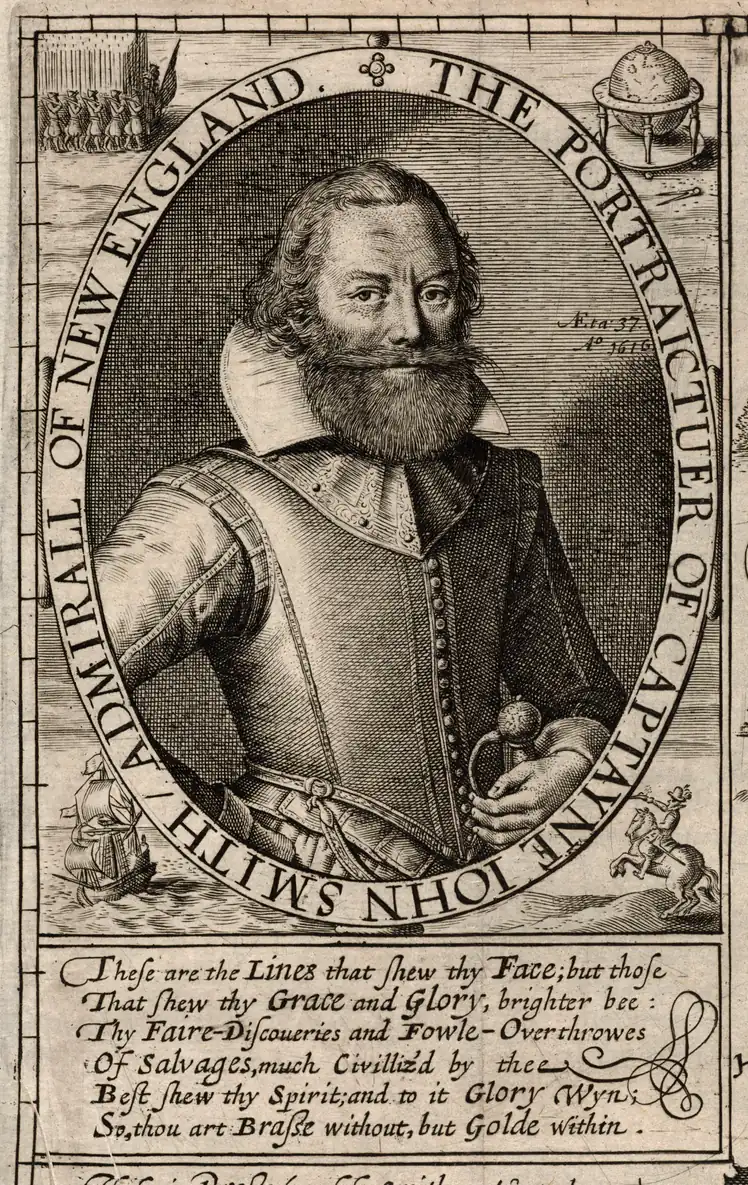
John Smith’s election as council president on September 10 1608 replaced the provisional leadership that had been shared by the three original council members since the colony’s founding in 1607. Before the vote, the council operated on a rotating chair system where each member presided for a month, a method intended to distribute authority evenly but which left decision making slow and inconsistent during crises such as food shortages and hostile encounters with the Powhatan Confederacy.
The Virginia Company’s charter required the council to elect a single president when a clear leader could command the respect of both the settlers and the company’s investors. The election was conducted by a simple majority vote of the remaining councilors, who were all gentlemen appointed by the company and who held land grants in the settlement. Smith, who had already demonstrated organizational skill by directing the construction of a new fortification and by negotiating a temporary trade agreement for corn, received five votes against two for his rival, Captain John Ratcliffe. This majority gave Smith legal authority to issue orders, allocate labor, and manage the colony’s limited cash reserves without needing approval from the other council members for each action.
With presidential power, Smith instituted a labor system that assigned each able‑hand a specific task such as building shelters, clearing fields, or gathering firewood, and he enforced a strict schedule recorded in a daily ledger. The ledger showed that within two weeks 120 colonists were engaged in field work compared with only 45 in the previous month, a shift that increased the grain harvest from an estimated 2,000 pounds to 3,500 pounds. Smith also centralized the distribution of the colony’s rations, requiring all requests to be submitted to a single storehouse overseen by his appointed steward. This reduced disputes over food allocation, which had previously resulted in three recorded incidents of violence in June 1608.
The immediate effect of Smith’s presidency was a measurable improvement in the colony’s survival prospects. By November the settlement recorded a net increase of 30 colonists, while mortality in the same period fell from 15 percent to 7 percent according to the company’s monthly report. Smith’s authority, however, remained dependent on the backing of the Virginia Company, which continued to receive periodic letters demanding accountability. The election therefore marked a transition from a shared, often indecisive council to a centralized command structure that allowed the Jamestown colony to stabilize its food supply and reduce internal conflict, setting a precedent for future colonial governance.
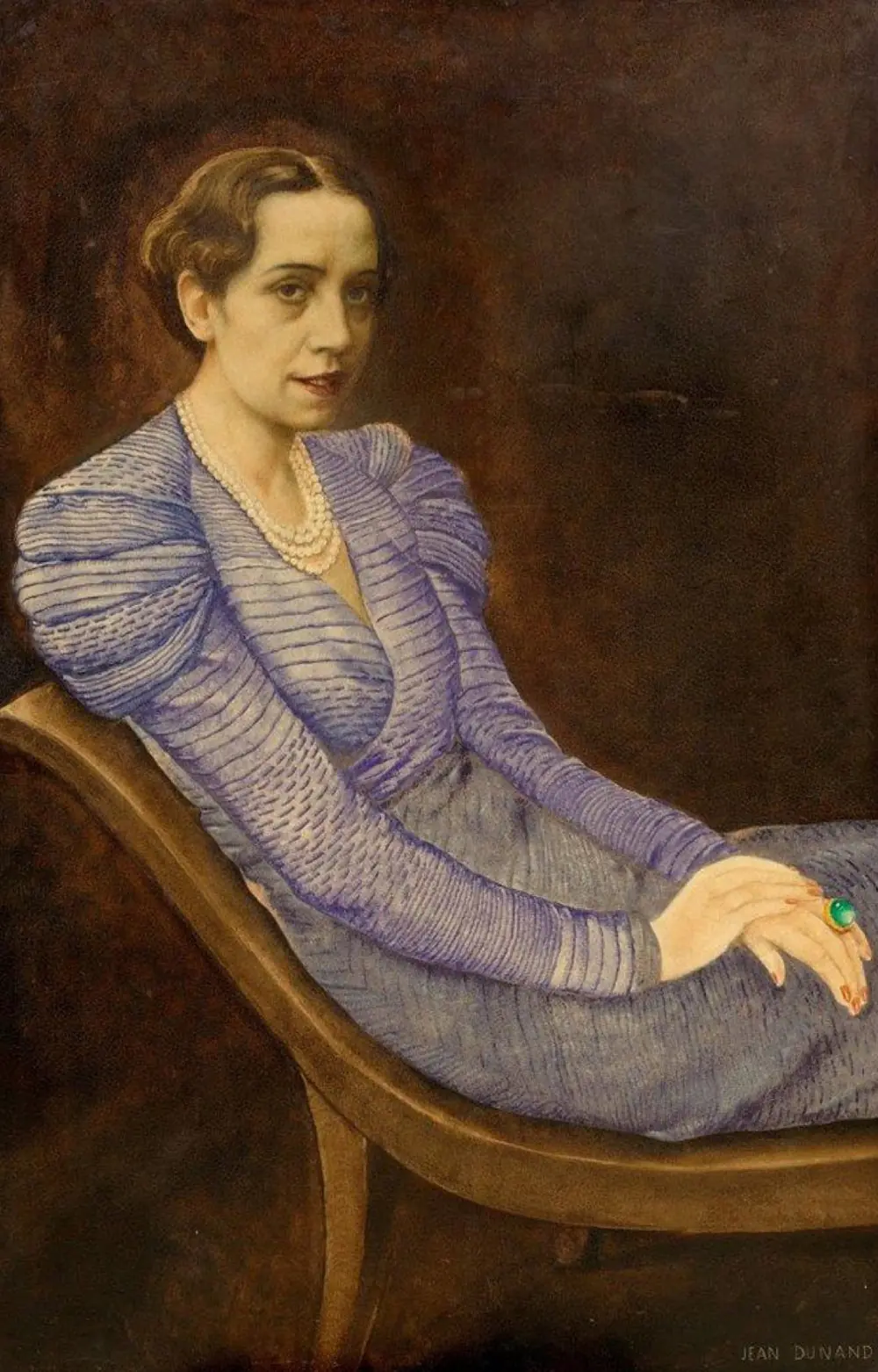
Elsa Schiaparelli was born in Rome on 10 September 1890. At that time the European fashion market was dominated by a handful of French houses, especially the House of Worth, which supplied the aristocracy with ready-made patterns and controlled most of the Paris Salon exhibitions. Italy had a modest textile tradition but lacked a globally recognized couture brand, and the upper‑class market relied on imported French garments. The birth of a child to a well‑to‑do Roman family therefore entered a social context where fashion leadership was externally defined and Italian designers had few role models.
Schiaparelli’s parents, a civil servant father and a mother from a respectable Roman family, provided a comfortable middle‑class upbringing and enabled her to attend the prestigious Accademia di Belle Arti in Rome. The academy’s emphasis on fine art rather than commercial design exposed her to avant‑garde movements such as Futurism, which were already challenging traditional aesthetics in Italy. This artistic education supplied the conceptual tools that later allowed her to reject the restrictive tailoring of the French establishment.
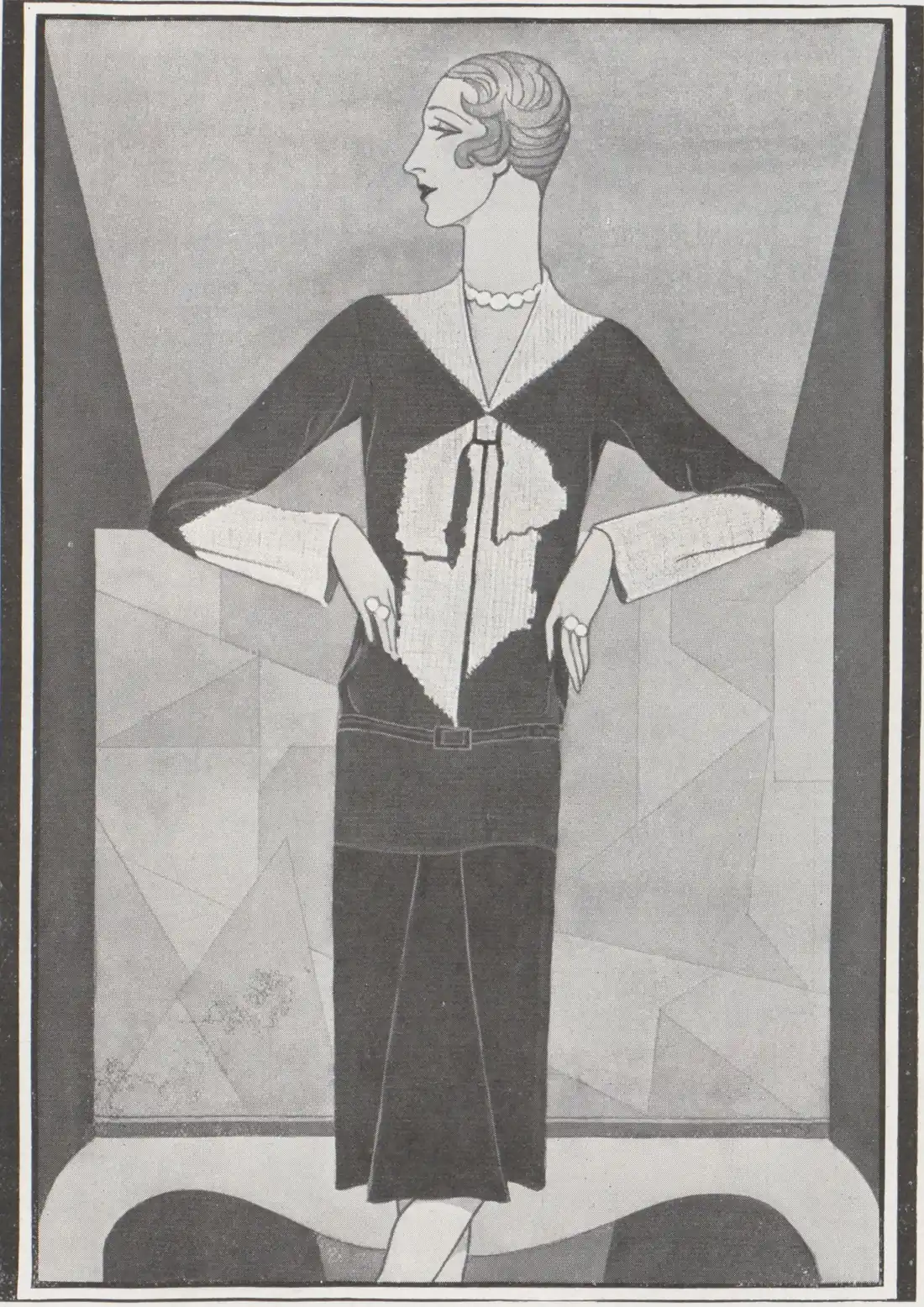
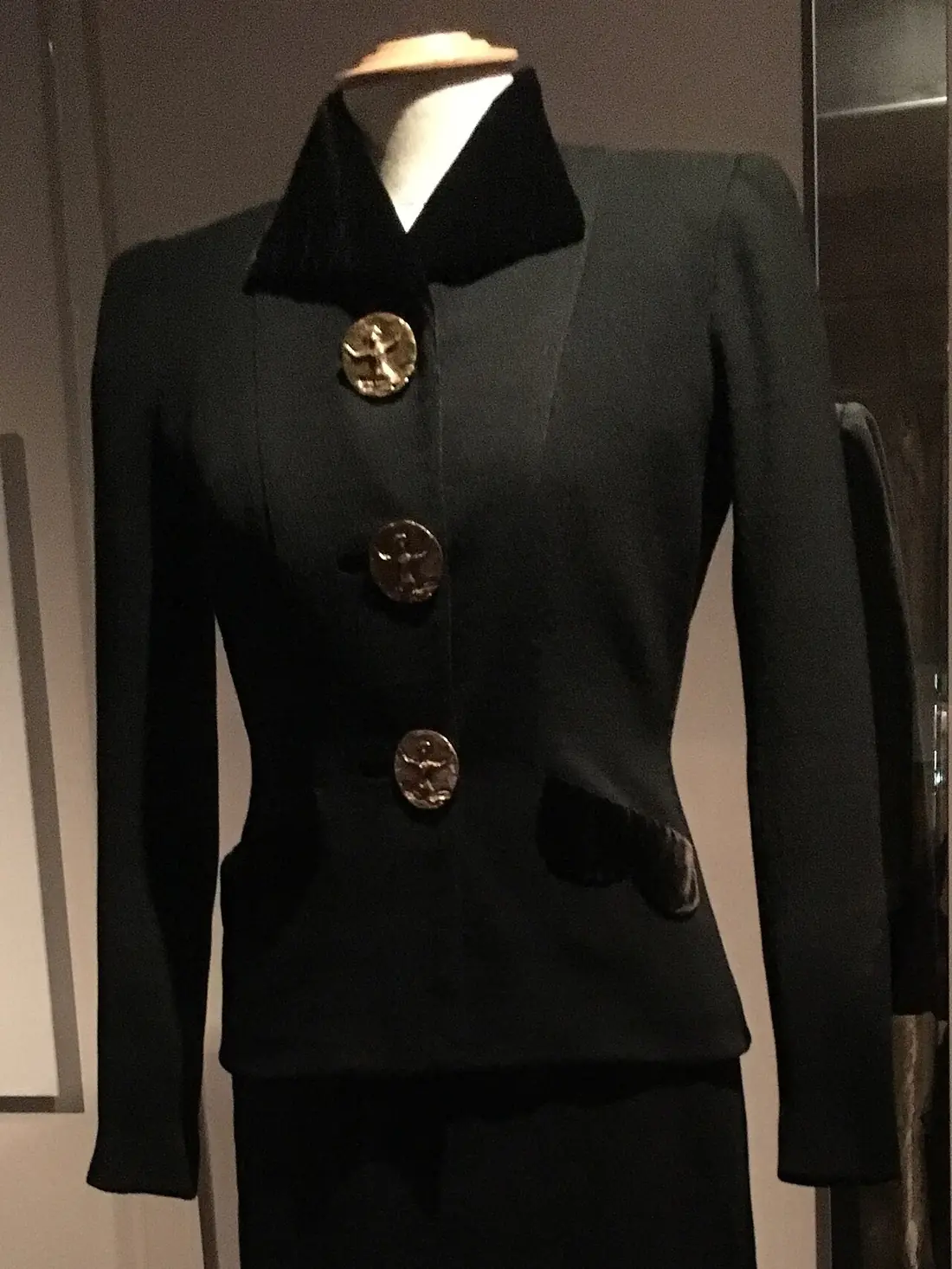
In 1927 Schiaparelli moved to Paris with a modest capital of 30,000 francs and opened a boutique at 21 Rue de la Paix. She quickly distinguished herself by incorporating surrealist motifs, most famously a lobster‑clad dress commissioned by Salvador Dalí in 1937. The collaboration was documented in a photograph that sold 5,000 copies in the fashion press, demonstrating her commercial reach. By 1939 her label employed 150 seamstresses and produced annual sales of approximately 2.5 million francs, a figure that placed her among the top three Parisian houses behind Chanel and Lucile.
Schiaparelli’s innovative use of unconventional materials such as plastic and metal reshaped the technical standards of couture, prompting competitors to experiment with synthetic fibers after World War II. Her emphasis on bold graphic prints also influenced ready‑to‑wear manufacturers, who adopted similar patterns in mass markets by the early 1950s. The direct consequence of her 1890 birth was the emergence of a design philosophy that merged fine art with commercial fashion, a legacy that continues to inform contemporary designers who cite her as a pioneer of the avant‑garde in clothing.