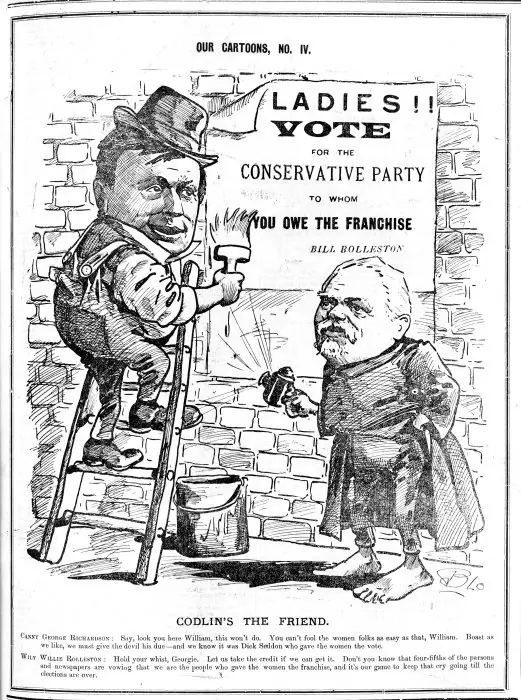
New Zealand became the first self‑governing country to give women the vote when the Electoral Act of 1893 received royal assent. The legislation changed the franchise rule that had limited voting to male property owners, adding all adult women to the electoral roll.
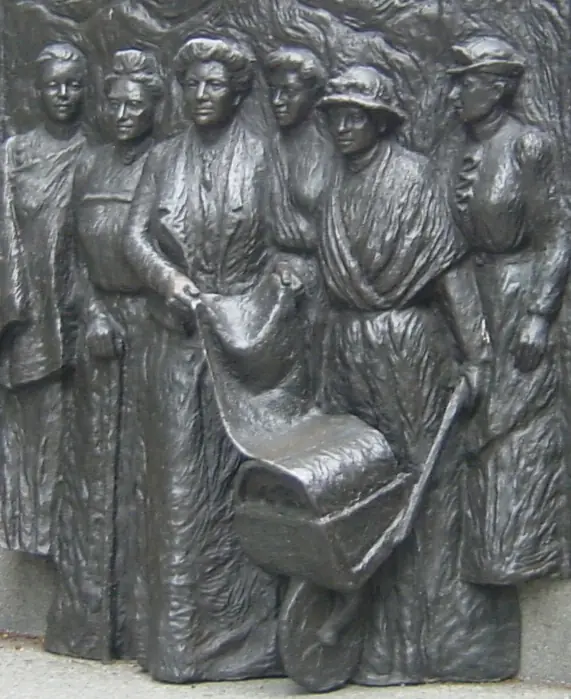
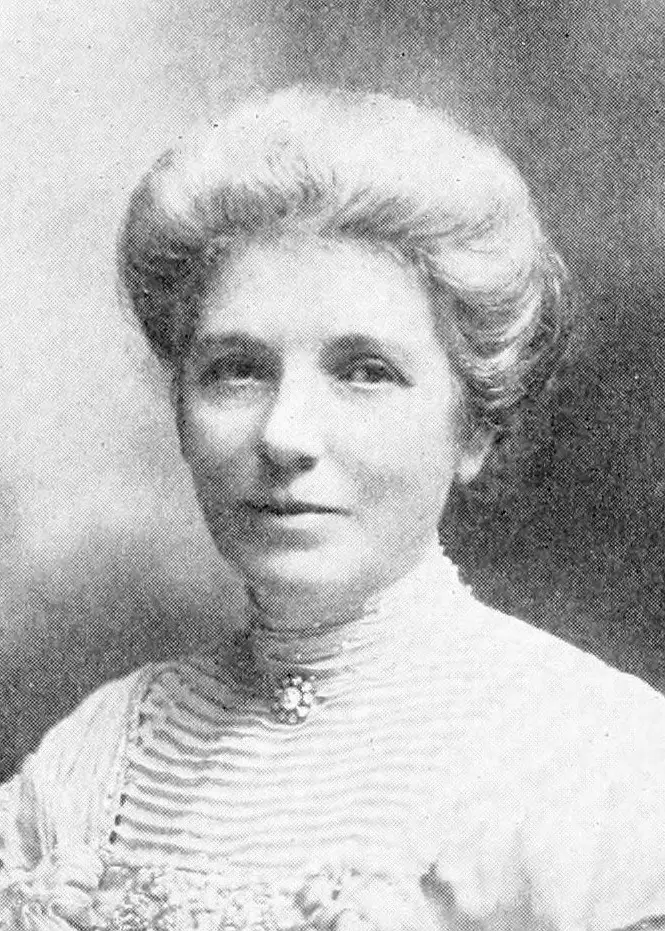
The law was the result of a campaign led by the New Zealand Woman’s Christian Temperance Union and the newly formed Women’s Franchise League. Their secretary, Kate Sheppard, organized petitions that collected 32,000 signatures, representing roughly one‑third of the adult female population. In Parliament, the bill was introduced by Premier John Ballance, who argued that denying women the vote was inconsistent with democratic principles. The vote in the House of Representatives was 49 in favour, 28 against, and the bill passed on September 19, 1893.
When the act took effect, about 120,000 women were added to the electorate, roughly 20 percent of New Zealand’s total voting population. In the first general election after the change, held in November 1893, women turned out in numbers comparable to men, with an estimated 86 percent of eligible women casting ballots. Their participation helped the Liberal Party retain power, but the immediate impact on policy was modest; most elected officials continued to be men.
The longer‑term consequences were more profound. The inclusion of women in elections accelerated reforms in labor law, education, and public health, areas where women voters exerted pressure through petitions and local meetings. By 1919, women could also stand for Parliament, and in 1933 Elizabeth McCombs became the first female MP. New Zealand’s example influenced suffrage movements in the United Kingdom, the United States, and Australia, providing a concrete legal precedent that women's political rights were compatible with stable governance.
The 1893 act remained in force without major amendment until the Representation of the People Act 1918 in the United Kingdom extended the vote to British women over 30. In New Zealand, the original provision continued to shape electoral participation, contributing to the country’s consistently high voter turnout rates, which exceed 80 percent in recent elections. The early adoption of women's suffrage is cited as a factor in New Zealand’s progressive social policies and its reputation for gender equity in political representation.
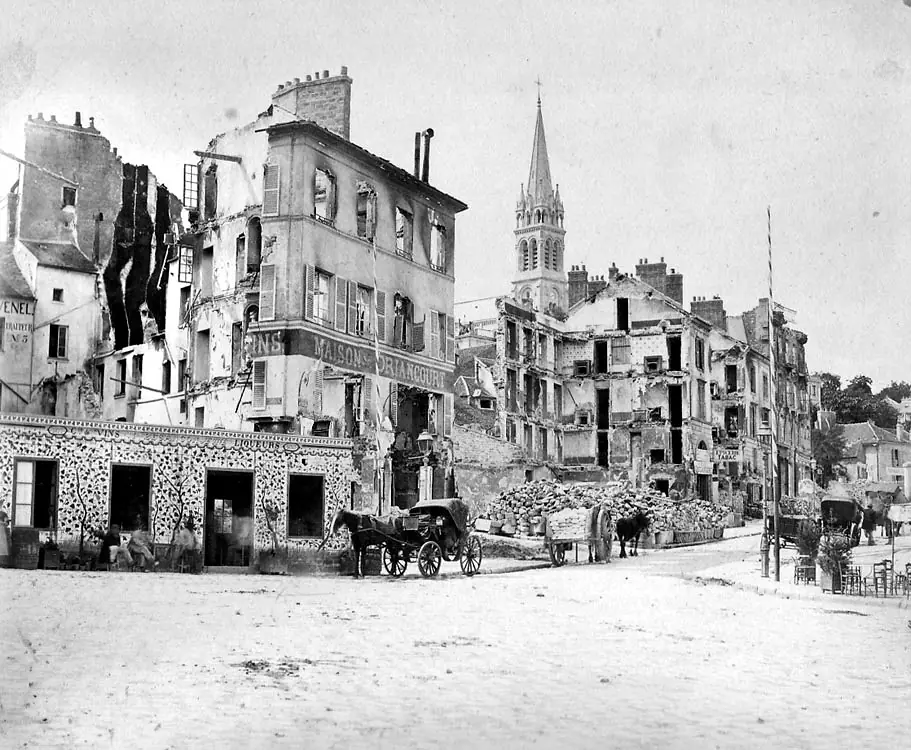
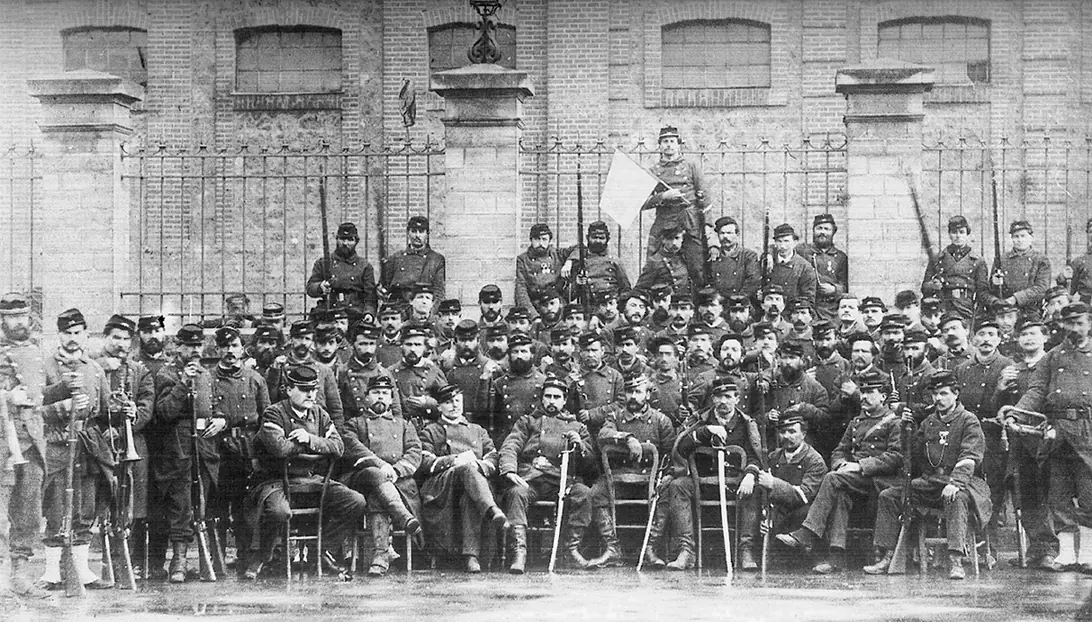
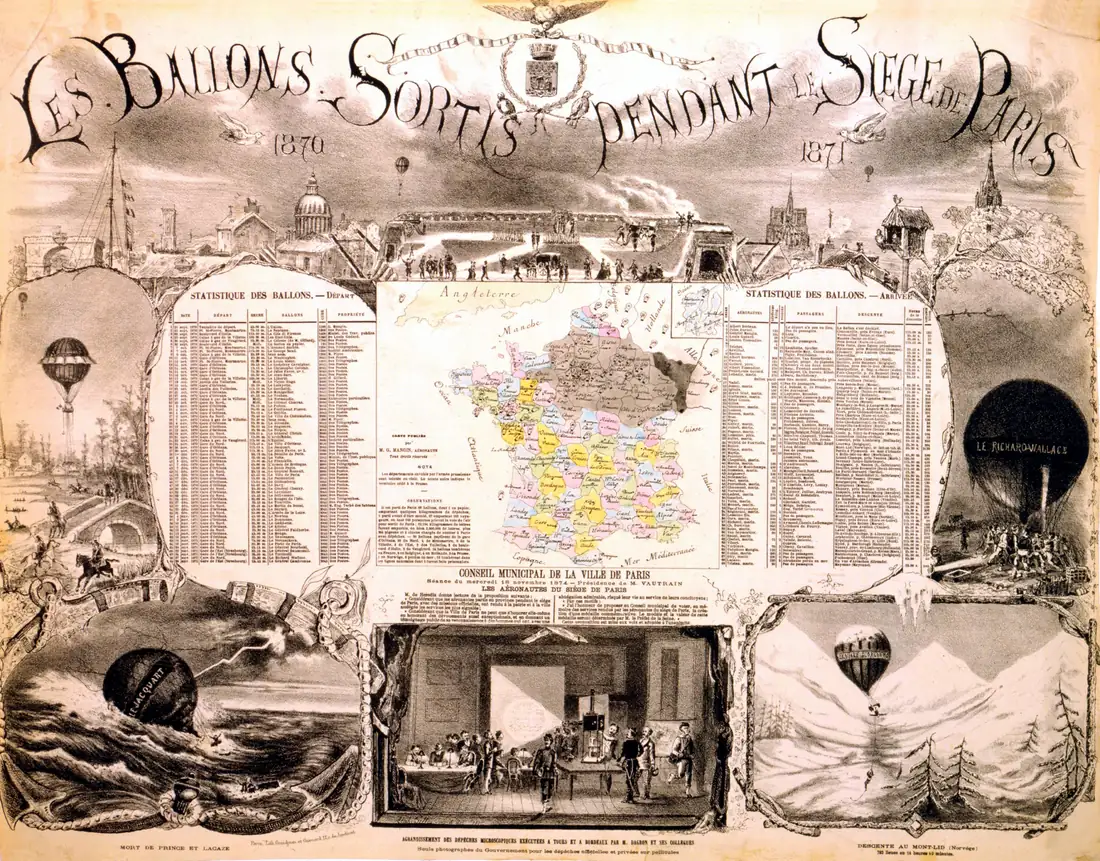
The French government and the Prussian army faced each other across a line that had been a French defensive frontier since 1815. Until September 18, 1870 the French Army of the Rhine held the eastern borders and Paris remained the political capital with its full civil administration. The defeat of the Rhine forces at Sedan on September 1 forced the French government to relocate to Paris and left the capital exposed to a siege that the Prussian high command intended to force a capitulation without further battles.
Common belief holds that the siege began as a sudden surprise attack, but the Prussian forces had already surrounded Paris by the night of September 19. General von Moltke ordered three armies to converge: the First Army under Prince Frederick Charles, the Second under Crown Prince Albert, and the Third under Crown Prince Wilhelm. Together they deployed roughly 800,000 men and positioned 2,500 artillery pieces on the outer ring of the city. The French garrison inside Paris numbered about 300,000 soldiers, including regular troops, National Guard units, and militia, supported by a civilian militia of 500,000 men who were ordered to assist in the defense.
The siege mechanism was a systematic artillery bombardment combined with a blockade of all supply routes. The Prussians placed heavy guns on the heights of Montmartre, Saint-Denis and the southern suburbs, allowing them to fire on the city walls and the interior. By early October they were firing up to 30,000 shells per day, targeting food depots, water reservoirs and railway stations. The French response relied on the inner forts built after the 1848 revolutions, but these forts could not stop the long‑range shells. Meanwhile the Prussian army cut the railway lines at the outskirts, preventing grain shipments from reaching the capital. Records show that by December the daily bread ration for Parisian civilians fell to 200 grams.
The civilian government, led by President Louis‑Napoléon Bonaparte and his Minister of War, General Trochu, chose to maintain resistance despite the deteriorating conditions. Trochu ordered the construction of improvised ovens and the rationing of coal, but the winter of 1870‑71 caused the temperature to drop to –5 °C on average, increasing mortality from cold and disease. Official French casualty figures list 12,000 military deaths and 30,000 civilian deaths during the siege, while Prussian losses from artillery fire were about 5,000.
The siege ended on January 28, 1871 when the French National Assembly, newly elected after the armistice, voted to surrender. The capitulation required the French to evacuate the forts, pay a war indemnity of five billion francs and accept the occupation of parts of eastern France. The immediate consequence was the establishment of the German Empire on January 18, 1871, which reshaped the balance of power in Europe and set the stage for future conflicts.
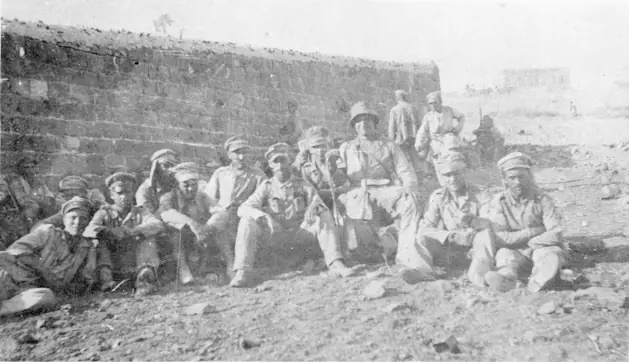
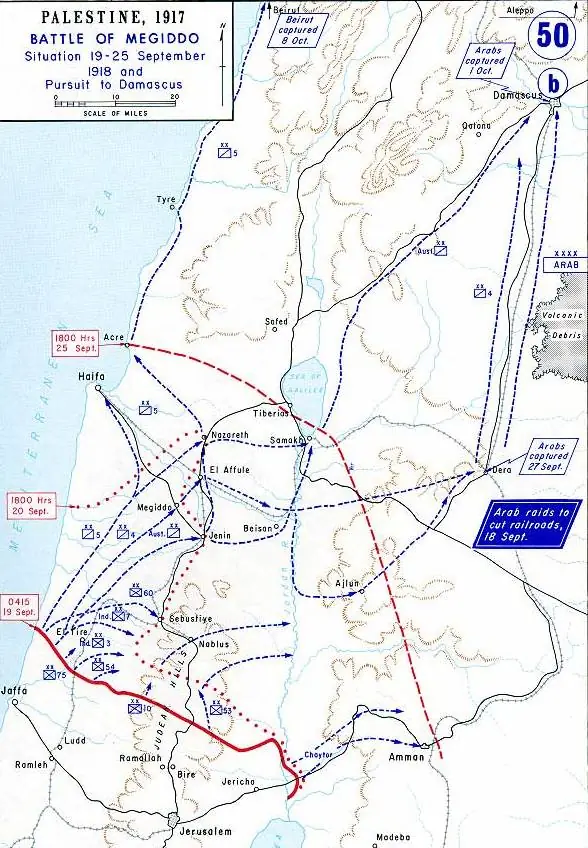
General Edmund Allenby’s decision in early September to concentrate three cavalry divisions behind the coastal plain set the conditions for the decisive blow at Megiddo. The plan, known as the Battle of Sharon, called for a rapid night‑time advance across the plain, a surprise crossing of the Jordan River, and a coordinated infantry attack on the Ottoman front line at Nablus. Allenby chose this approach because the Ottoman forces, under General Otto Liman von Moltke, relied on a static defensive line of trenches and artillery that had been weakened by months of attrition and by the loss of German supplies.
The British Empire forces comprised about 60,000 infantry, 20,000 cavalry and 400 artillery pieces, while the Ottoman army fielded roughly 70,000 troops, of whom 30,000 were front‑line infantry. On 19 September the British infantry began a bombardment that lasted three hours, then the cavalry moved forward in three waves. By dawn the cavalry had broken through the Ottoman rear areas, captured the main supply depot at Afula and cut the railway line to Damascus. The Ottoman commander, unaware of the cavalry’s speed, ordered a counter‑attack that resulted in 6,000 Ottoman casualties and 8,000 prisoners, while British losses were 2,500 killed or wounded.
The most overlooked element of the battle is the role of the Australian and New Zealand Mounted Division, whose reconnaissance identified a weak point near the village of Tiberias. Their report allowed Allenby to redirect a brigade of the 4th Cavalry Division, which captured the bridge at Jisr el Mejdel before the Ottomans could destroy it. Popular accounts often credit the British infantry alone for the victory, but the cavalry’s ability to outflank the Ottoman positions and sever their lines of communication was the decisive factor.
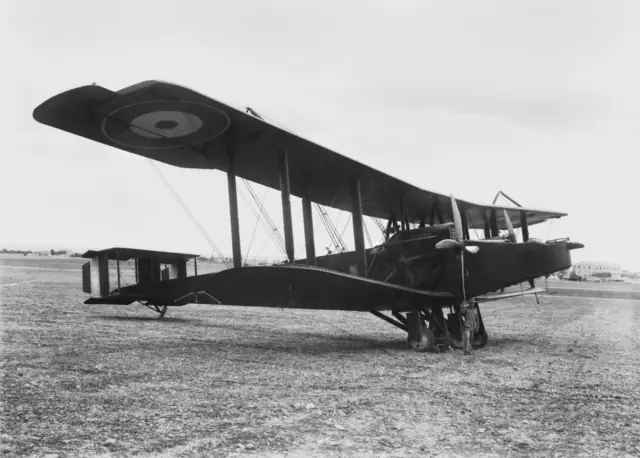
The outcome of Megiddo forced the Ottoman High Command to retreat from Palestine and opened the road to Damascus, leading to the armistice on 30 October 1918. The battle also demonstrated the effectiveness of combined arms tactics that integrated artillery, infantry, cavalry and air reconnaissance, a method later adopted in the inter‑war period. The human cost was high: Ottoman civilian casualties in the retreat are estimated at 10,000, while the British Empire suffered 2,500 military deaths and 4,000 wounded. The victory reshaped the map of the Middle East, ending Ottoman rule in the region and paving the way for the British and French mandates that followed.
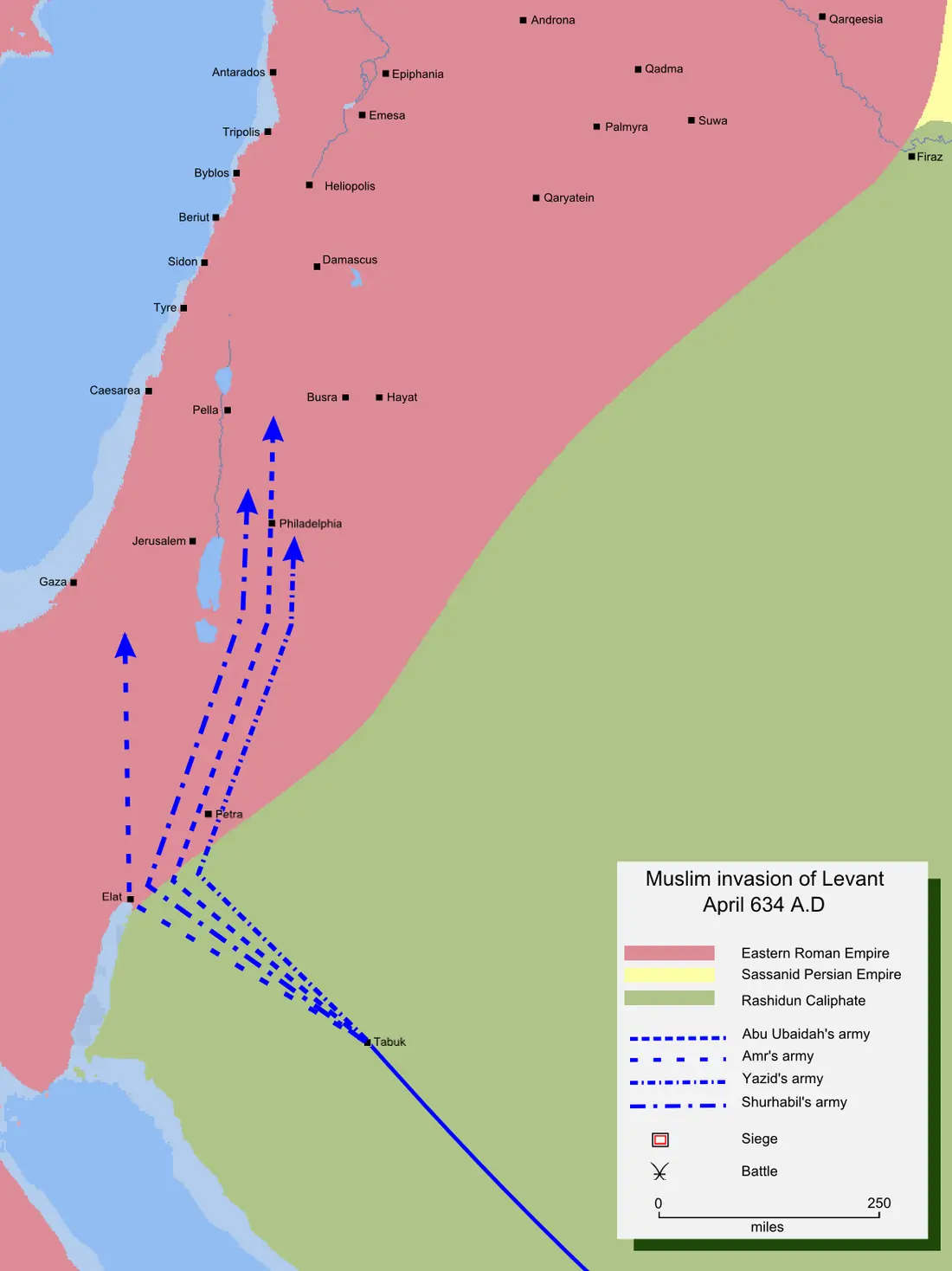
Before September 634 the city of Damascus was a major Byzantine stronghold in Syria, defended by a garrison estimated at 8,000 men and a network of fortified walls. The Byzantine emperor Heraclius had recently repelled a Persian invasion and was reallocating troops to the eastern frontier, leaving the Syrian defenses thinner than before. In the same year the Rashidun Caliphate, led by the commander Khalid ibn al‑Walid, had already secured victories at Ajnadayn and Yarmouk, reducing Byzantine field forces to roughly 5,000 in the region. Khalid therefore moved his army, numbering about 15,000 infantry and cavalry, toward Damascus with the aim of eliminating the last major Byzantine base in the Levant.
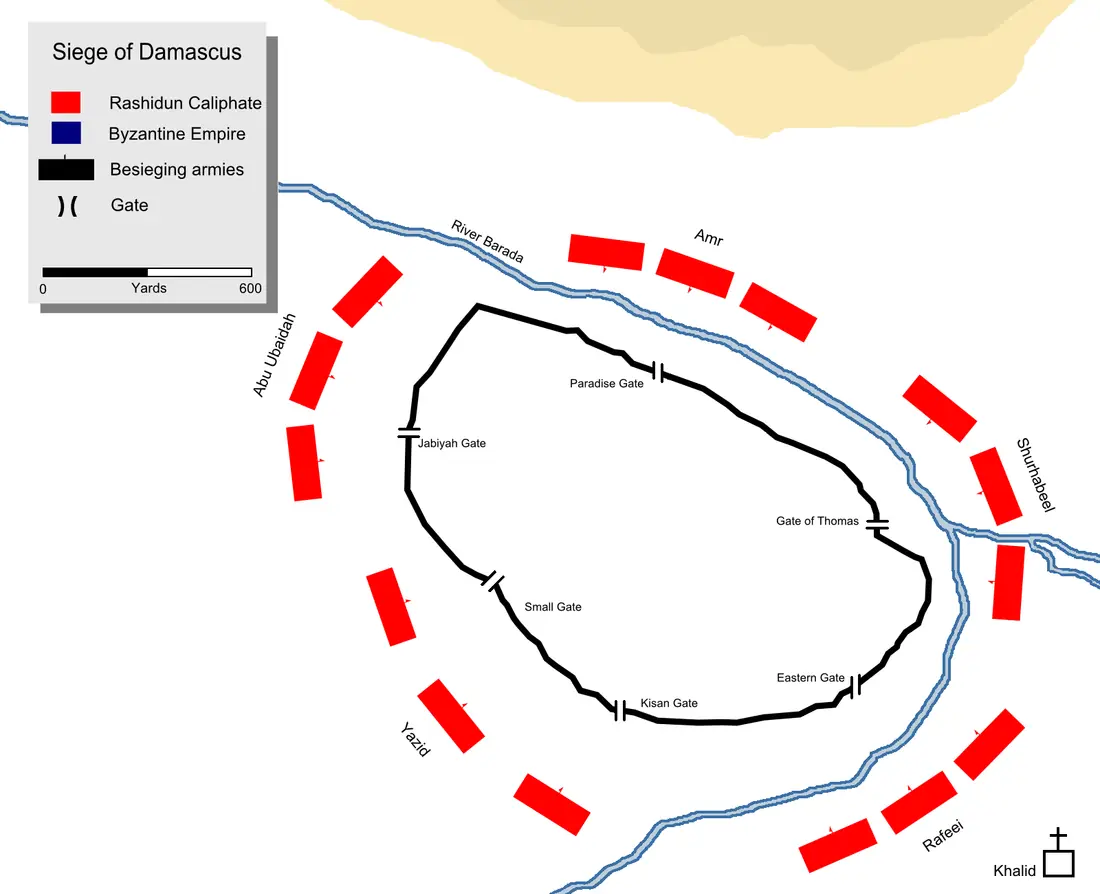
Khalid organized a two‑pronged assault. One force approached from the west, using a breach discovered during earlier skirmishes, while a second column circled to the south to block any retreat. The plan relied on rapid movement and the ability of his cavalry to outflank the defenders before they could concentrate their limited troops. Byzantine commanders, aware of the approaching army, attempted to reinforce the western gate but could field only 1,200 soldiers there. When Khalid’s western column reached the gate, they launched a coordinated charge that overwhelmed the defenders, killing about 300 and capturing the gate within hours.
The southern column seized the city’s aqueducts, cutting the water supply to the garrison. Deprived of water and under fire from the western breach, the Byzantine troops suffered high casualties; contemporary accounts record that of the 8,000 original defenders, fewer than 1,000 survived the siege. Khalid entered the city on September 19, 634, and ordered the demolition of the remaining walls to prevent future Byzantine reoccupation. The capture marked the end of organized Byzantine rule in Syria and opened the path for further Rashidun expansion toward Antioch and the interior of the Arabian Peninsula.
In the months after the fall of Damascus, the Rashidun administration installed a governor to collect taxes and to integrate the local population into the new Islamic polity. The loss of Damascus forced the Byzantine Empire to retreat to the Anatolian plateau, where it would focus on defending its capital. The event thus shifted the balance of power in the Near East, establishing the Rashidun Caliphate as the dominant force in the region for the next several decades.
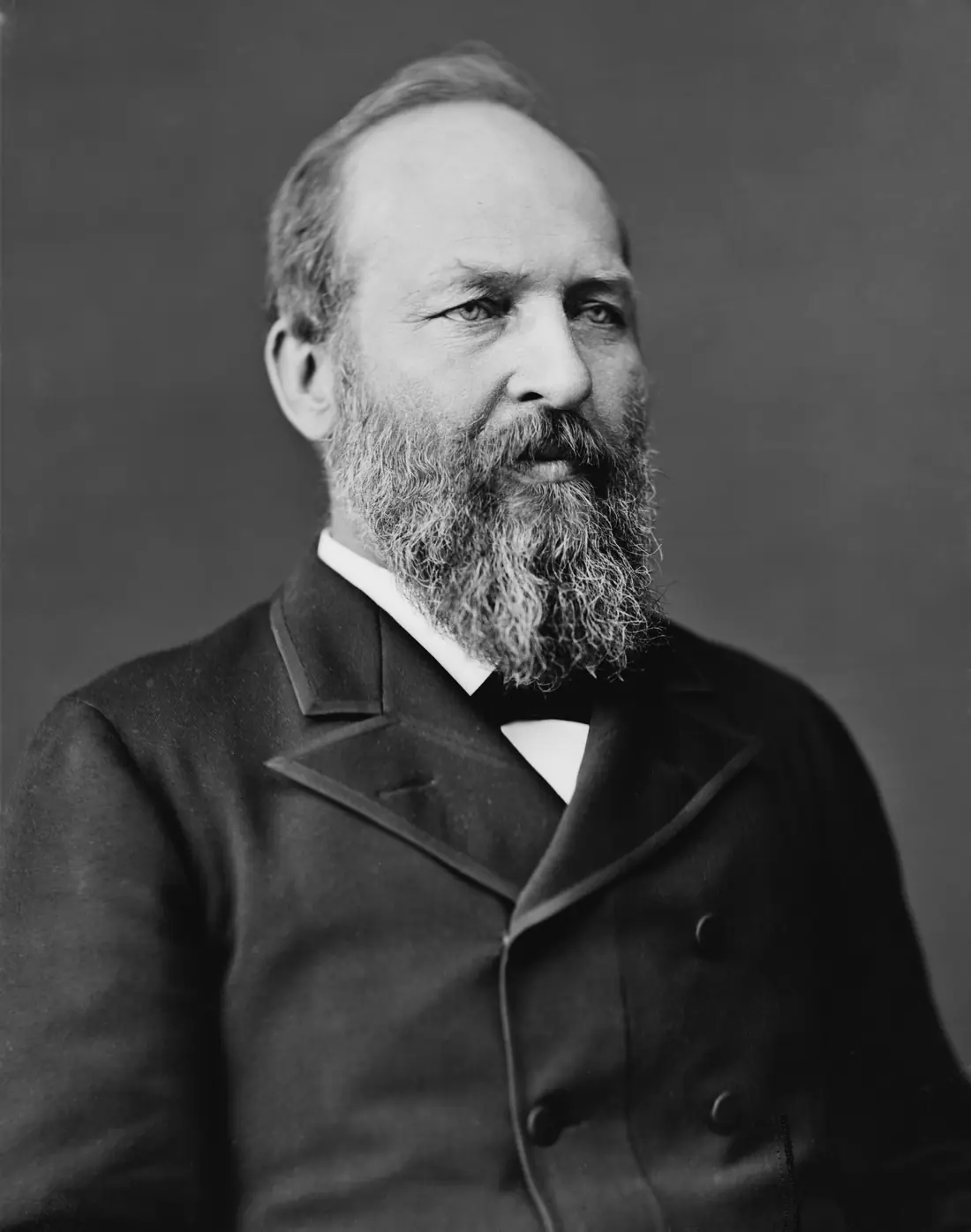
James A. Garfield, the 20th President of the United States, died on September 19, 1881 after a wound inflicted by Charles J. Guiteau failed to heal. Garfield had taken office in March at age 49 and was leading a cabinet divided over patronage appointments. Guiteau, a 29‑year‑old unemployed office‑seeker, believed that a personal letter to Garfield promising to secure a diplomatic post was ignored, and he concluded that killing the president would force Congress to appoint him.
The assassination attempt occurred on July 2, 1881 at the Baltimore and Potomac Railroad Station. Guiteau approached Garfield with a .442 caliber pistol, fired two shots at close range, and missed the president's head but struck his back. The bullet lodged near the spine and caused a severe abdominal wound. Garfield survived the initial shooting, but his condition worsened due to infection.
Medical treatment was administered by Dr. Willard Bliss, the chief physician at the White House. Bliss relied on the prevailing practice of probing the wound with unsterilized instruments, a method advocated by the American Medical Association at the time. The lack of antiseptic technique allowed bacteria to proliferate; at least 12 physicians examined the president, each introducing additional pathogens. Modern analysis attributes Garfield’s death to sepsis rather than the bullet itself.
Guiteau was arrested immediately by station police and held in the Washington jail. He claimed he acted out of personal grievance, a motive recorded in his confession and in the trial transcripts. The trial began on November 17, 1881 before Judge Walter Q. Gresham. The prosecution presented evidence of premeditation, including Guiteau’s purchase of the pistol and his diary entries. The defense argued insanity, citing Guiteau’s erratic behavior, but the jury rejected this claim. On January 25, 1882 Guiteau was sentenced to death, and the execution was carried out by hanging on June 30, 1882.
Garfield’s death created a constitutional crisis regarding presidential succession. Vice President Chester A. Arthur, aged 51, assumed the presidency on the same day as Garfield’s death, as required by the Constitution’s Article II, Section 1. Arthur’s accession led to the passage of the Pendleton Civil Service Reform Act in 1883, which reduced patronage and established merit‑based hiring, directly addressing the political environment that motivated Guiteau.
The incident also spurred public debate on medical hygiene, prompting gradual adoption of antiseptic practices in American hospitals. The combination of a politically motivated assassination, outdated medical care, and swift constitutional transition illustrates how personal grievances can intersect with institutional processes to shape national policy.