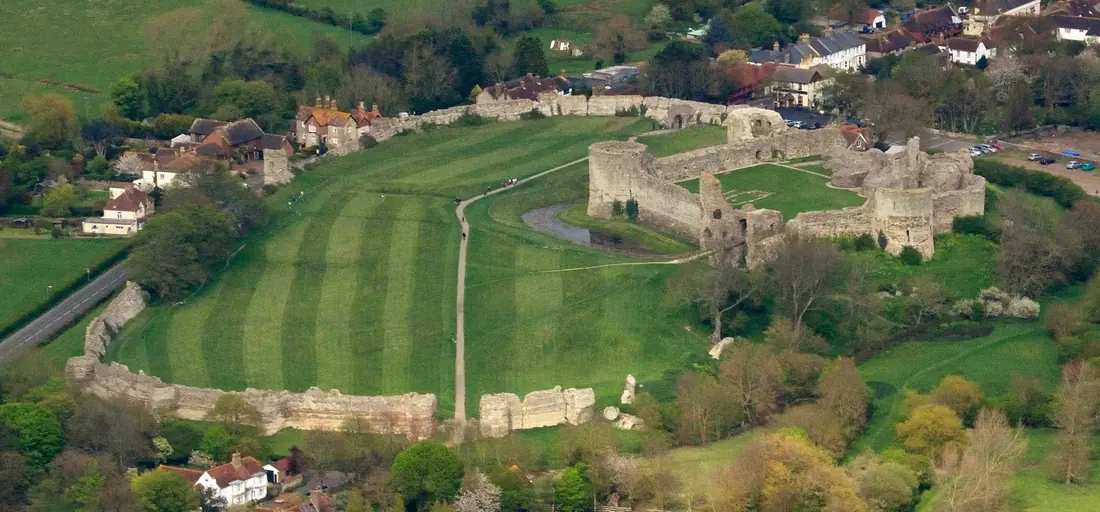
William, Duke of Normandy, landed on the Sussex coast on September 28, 1066 with an estimated force of 7,000 men, including about 2,000 cavalry and the remainder infantry. He secured the town of Pevensey and built a fortified camp, then sent messengers to Harold Godwinson, king of England, demanding submission. Harold, having marched his army north after defeating the Viking king Harald Hardrada at Stamford Bridge, marched south with roughly 5,000 infantry and 1,000 housecarls, the professional core of his forces.
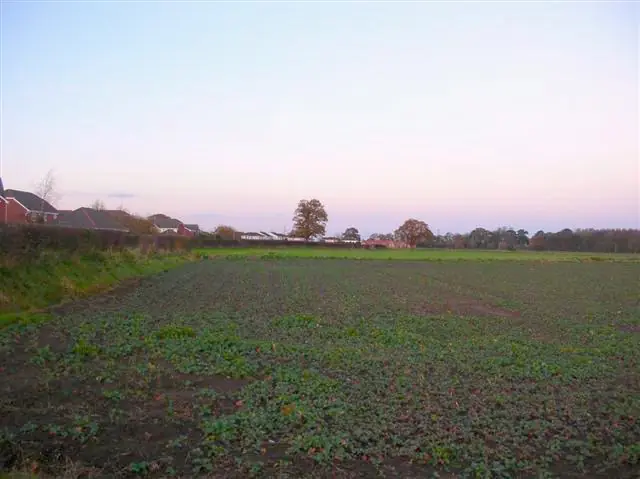
On the morning of October 14, the two armies faced each other on a ridge near Senlac Hill, about three miles northwest of Hastings. Harold arranged his troops in a traditional shield wall, placing the housecarls at the centre and the less‑armoured fyrd on the flanks. William positioned his infantry in three lines, with archers ahead of the foot soldiers and the cavalry held in reserve on the right.
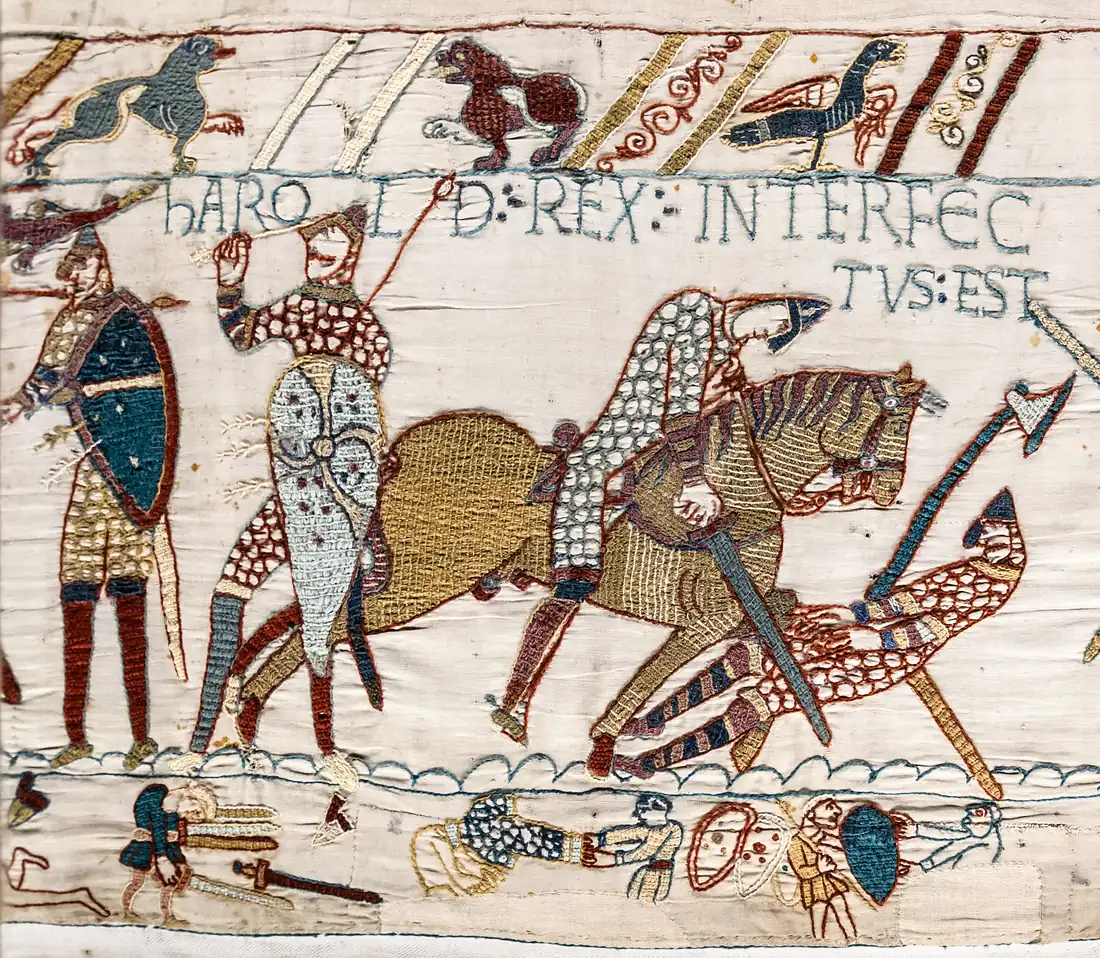
The battle opened with a volley of arrows from the Norman archers. Contemporary accounts record that the English shield wall held the initial barrage with minimal loss. William then ordered a feigned retreat by a portion of his infantry, a tactic recorded in the Bayeux Tapestry. The English forces pursued, breaking the cohesion of the shield wall. As the English line stretched, William directed his cavalry to charge the exposed right flank. The cavalry broke through, causing the remaining infantry to collapse.
Harold was killed during the melee; the exact cause is disputed, but the Bayeux Tapestry shows an arrow striking his eye. The loss of their king caused the English command structure to disintegrate, and within two hours the Norman forces secured the field. Contemporary estimates place English casualties at around 4,000, while Norman losses are recorded as approximately 2,000.
After the battle, William marched to London, accepting the surrender of the city on December 25, 1066. He was crowned king on December 25 in Westminster Abbey. The victory initiated a systematic redistribution of English land to Norman nobles, a restructuring of the legal system, and the introduction of the Domesday Survey in 1086. These changes established a new ruling class and integrated England into a broader Norman‑French cultural sphere, reshaping the political landscape for centuries to come.
Before 1884 the commercial market for photography relied on glass plates coated with light‑sensitive gelatin. Each plate had to be prepared, exposed, then developed in a darkroom, limiting rapid shooting and making the process expensive. The dominant suppliers, such as Eastman Kodak’s predecessor firms, sold these plates in limited sizes, and photographers could not easily produce multiple exposures without carrying fragile glass.
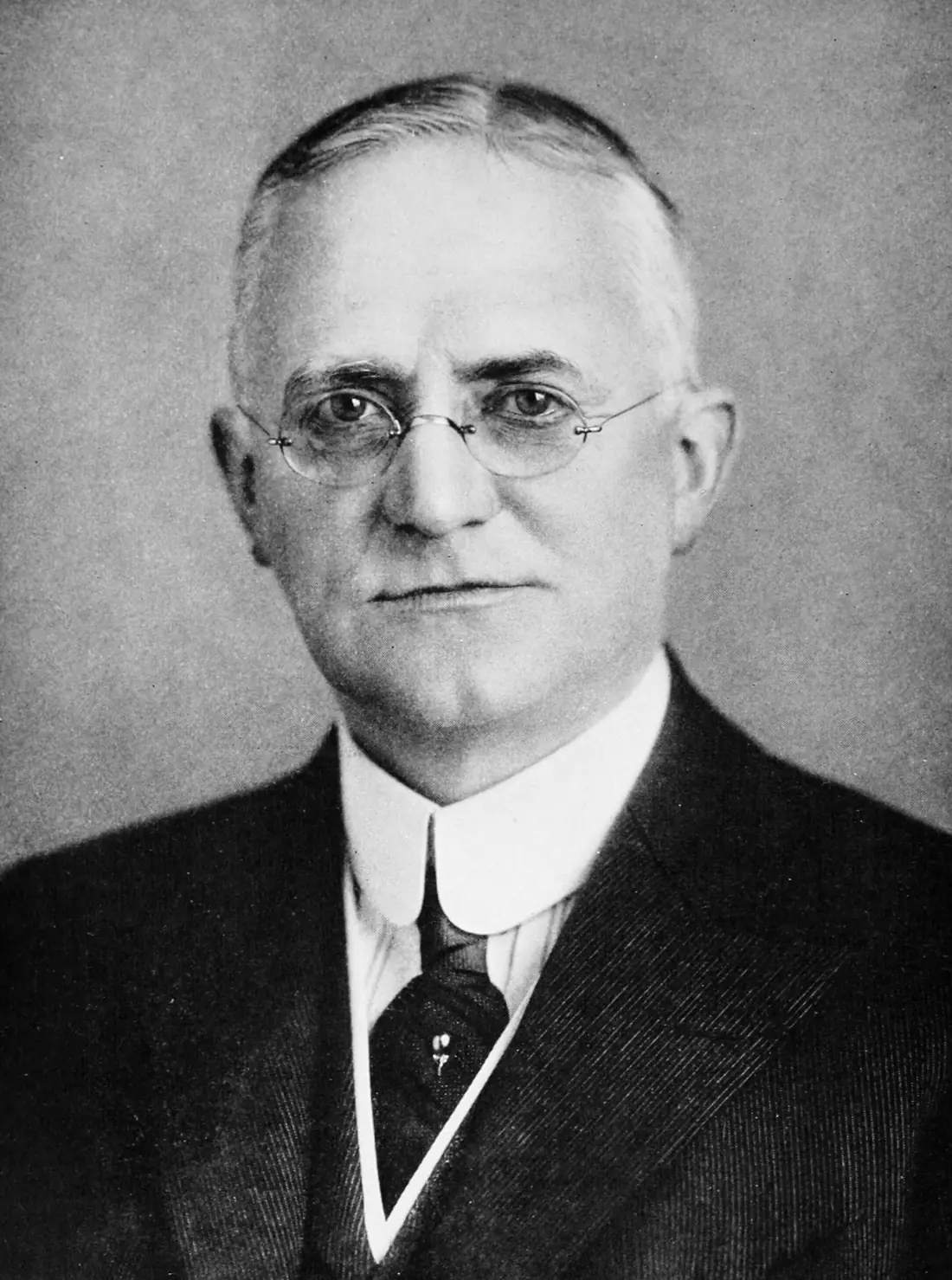
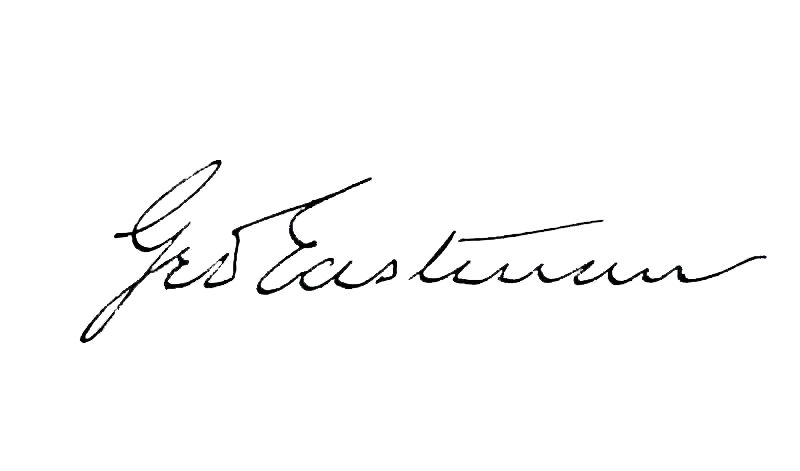
It is often said that Eastman invented the flexible film that made snapshot photography possible. The patent record shows that on October 14, 1884 George Eastman was granted U.S. Patent 326,795 for a “photographic film” consisting of a transparent cellulose nitrate base coated with a gelatin emulsion. The patent describes the film as a continuous strip that can be wound on a spool, cut to length, and exposed without the need for individual plates. The claim specifically covers the method of coating the nitrate base and the means of securing the coating to prevent peeling.
The invention solved two technical problems. First, cellulose nitrate is flexible yet strong enough to be handled without breaking, unlike glass. Second, the gelatin emulsion adheres uniformly to the nitrate, producing a consistent light‑sensitive surface across the entire length of the strip. Eastman’s laboratory tests recorded that a 120‑inch roll could yield 12 exposures of 2½ by 3½ inches, each developing in the same chemical bath. This efficiency reduced material cost from about $1.20 per plate to roughly $0.10 per exposure, according to company ledgers from 1885.
The patent’s issuance allowed Eastman to market the product as “Roll Film” in 1885. By 1888 the Kodak camera, sold for $25, incorporated this roll film and required no user‑level plate handling. Sales data show that by 1890 Kodak shipped 20,000 cameras and 2 million feet of film, indicating rapid adoption. The roll film also enabled later inventions such as motion‑picture cameras, which relied on the same flexible base to capture sequential images.
The immediate consequence of the patent was the commercial dominance of Eastman‑Kodak in the photographic industry. Within a decade the company controlled over 90 % of the U.S. film market, and the roll format became the global standard for still and motion photography. This patent therefore marks the technical turning point that turned photography from a laboratory craft into a mass‑market activity.
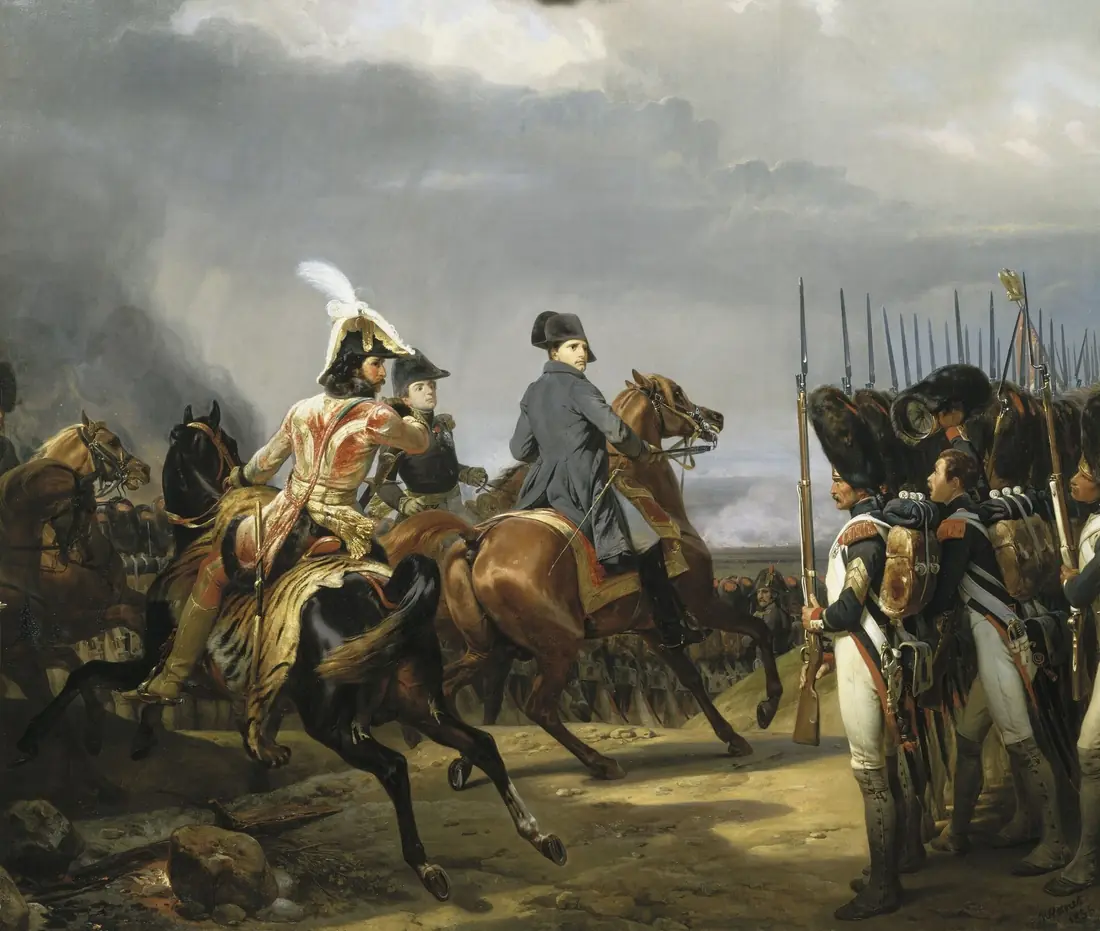
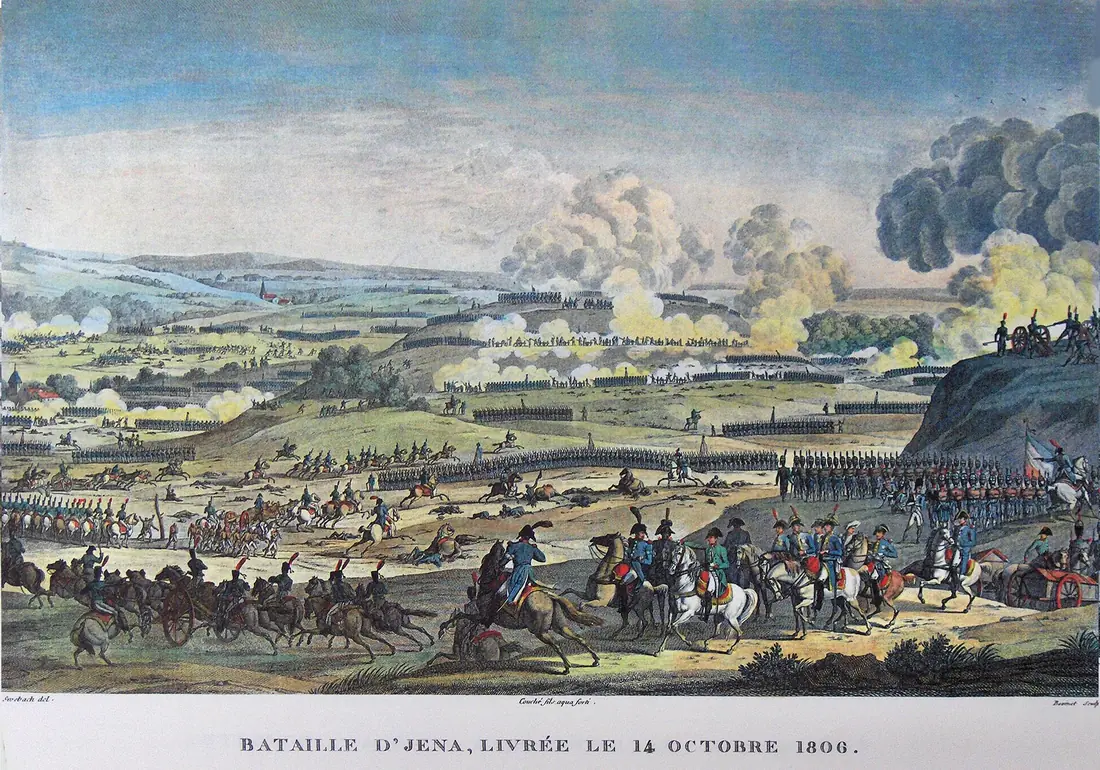
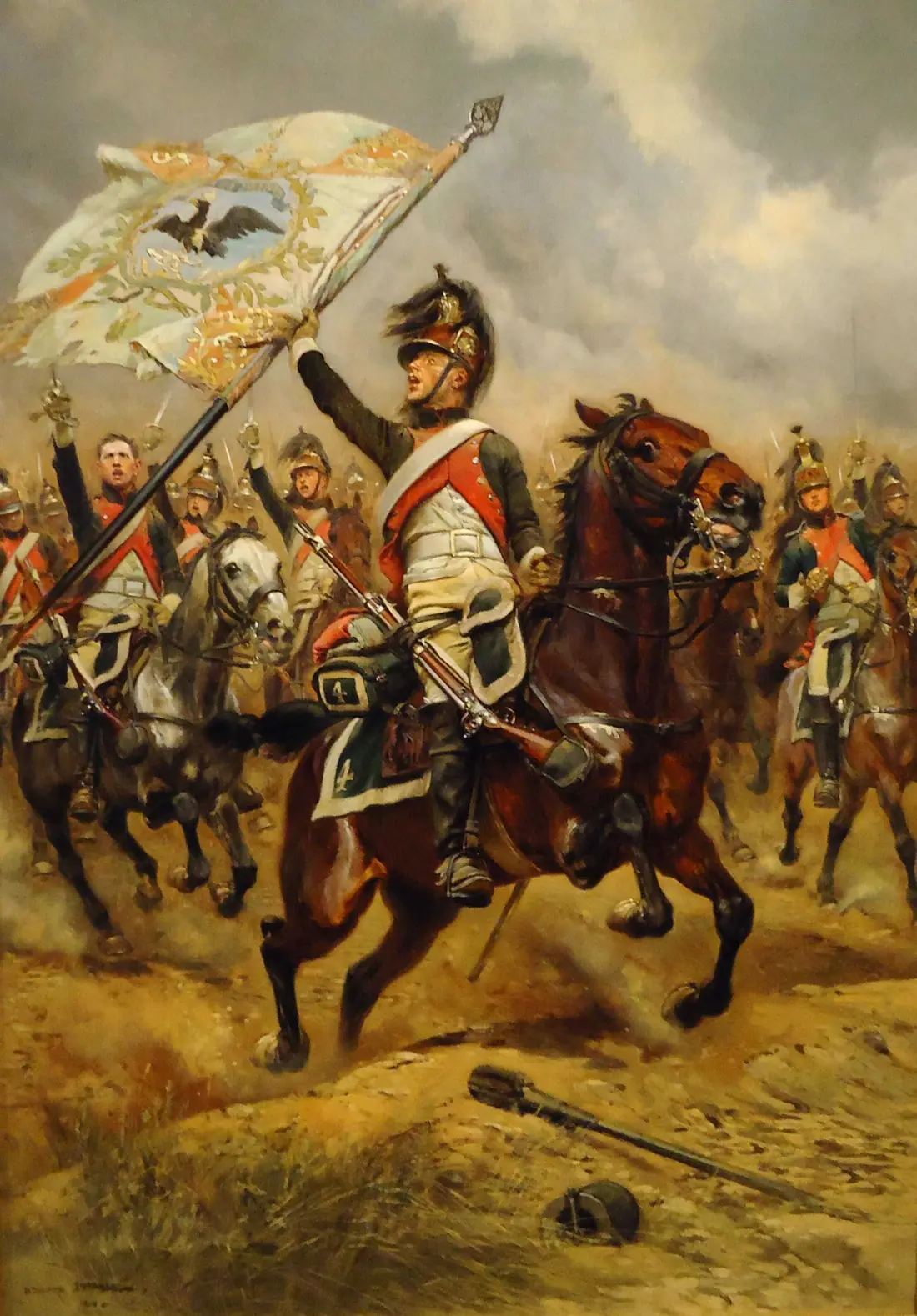
Napoleon's Grand Armée shattered the Prussian main field army in two simultaneous actions on 14 October 1806. The French fielded about 190,000 men under Napoleon and Marshal Davout, while the Prussians deployed roughly 120,000 troops commanded by King Frederick William III, Prince Hohenlohe, and the Duke of Brunswick. The French plan relied on rapid concentration of forces along the Saale River, using interior lines to strike the Prussian left and centre before they could unite.
At Jena, Napoleon directed Marshal Ney, Marshal Lannes and Marshal Murat to engage the Prussian corps of Prince Hohenlohe. The French columns advanced in dense formations, exploiting superior artillery of 144 guns against the Prussian 84. Within three hours the Prussian line collapsed, losing about 10,000 men killed or wounded and 12,000 captured. Simultaneously, at Auerstedt, Marshal Davout, with only 27,000 men, faced the main Prussian army under the Duke of Brunswick. Despite being outnumbered, Davout’s troops held a defensive ridge, delivered disciplined musket fire and used artillery to break the Prussian assaults. The Prussian loss at Auerstedt was around 15,000 killed or wounded and 20,000 taken prisoner.
The decisive factor was the French ability to coordinate separate attacks while the Prussian command suffered from fragmented leadership and outdated mobilization plans. The Prussian army still used the linear tactics of the 18th century and relied on slow, cumbersome supply trains. In contrast, Napoleon’s corps system allowed independent but mutually supporting operations, and his use of massed artillery created a firepower advantage that the Prussians could not match.
Casualties totaled roughly 25,000 French dead and wounded against an estimated 60,000 Prussian dead, wounded, or captured. The defeat forced the Prussian king to flee westward, and the French occupied Berlin within weeks. The subsequent Treaty of Tilsit in 1807 imposed severe territorial losses on Prussia, reducing it to a rump state and placing it under French influence. The reshaping of the German lands paved the way for the Confederation of the Rhine, a French‑dominated coalition that replaced the Holy Roman Empire.
The long‑term impact was the acceleration of military reform in Prussia. The humiliation spurred the creation of the Krümper system, universal conscription, and the adoption of the needle gun, which later contributed to Prussia’s victories in the wars of German unification. Thus the twin battles ended the era of fragmented German principalities and opened a path to a unified nation‑state under Prussian leadership.
Louis Le Prince captured a two‑second motion picture on October 14, 1888 in the garden of the Le Prince family home in Roundhay, Leeds. Before this recording, moving images were limited to sequential drawings or glass plate experiments that could not produce a continuous visual record. The device he used was a single‑lens camera that exposed a strip of sensitised paper at a rate of about twelve frames per second, a speed sufficient to create the illusion of motion when the frames were projected.
The scene shows four people, Adolphe Le Prince, his mother Sarah, his sister Helena and a friend, walking past the camera. Each frame was created by advancing the paper a fixed distance and exposing it for a fraction of a second. The camera’s mechanism was hand‑cranked, providing the precise timing needed for the sequence. The resulting paper strip was later developed in a chemical bath, revealing the successive images that, when viewed rapidly, displayed movement.
At the time of the filming, the prevailing belief among inventors was that a practical motion picture system required a separate recording and projection device, and that paper could not serve as a reliable medium for rapid exposure. Le Prince’s success demonstrated that a single camera could both record and, with a simple projector, display motion using inexpensive materials. Contemporary accounts recorded that the strip contained exactly 20 frames, confirming the frame rate calculation used by Le Prince.
Le Prince did not publicise the footage widely; the only known copies were kept in his family’s possession. After his mysterious disappearance in 1890, the film remained unknown to the broader scientific community. When the strip resurfaced in the 1930s, it provided concrete evidence that a moving picture had been made nine years before the better known work of Edison and the Lumière brothers. Historians therefore regard the Roundhay Garden Scene as the earliest surviving example of a motion picture captured on paper.
The immediate consequence was the validation of paper‑based film as a viable format, which later influenced the development of celluloid film stock. The principle of sequential exposure at a fixed rate became the technical foundation for the commercial cinema that emerged in the 1890s, establishing the basic process still used in modern video recording.
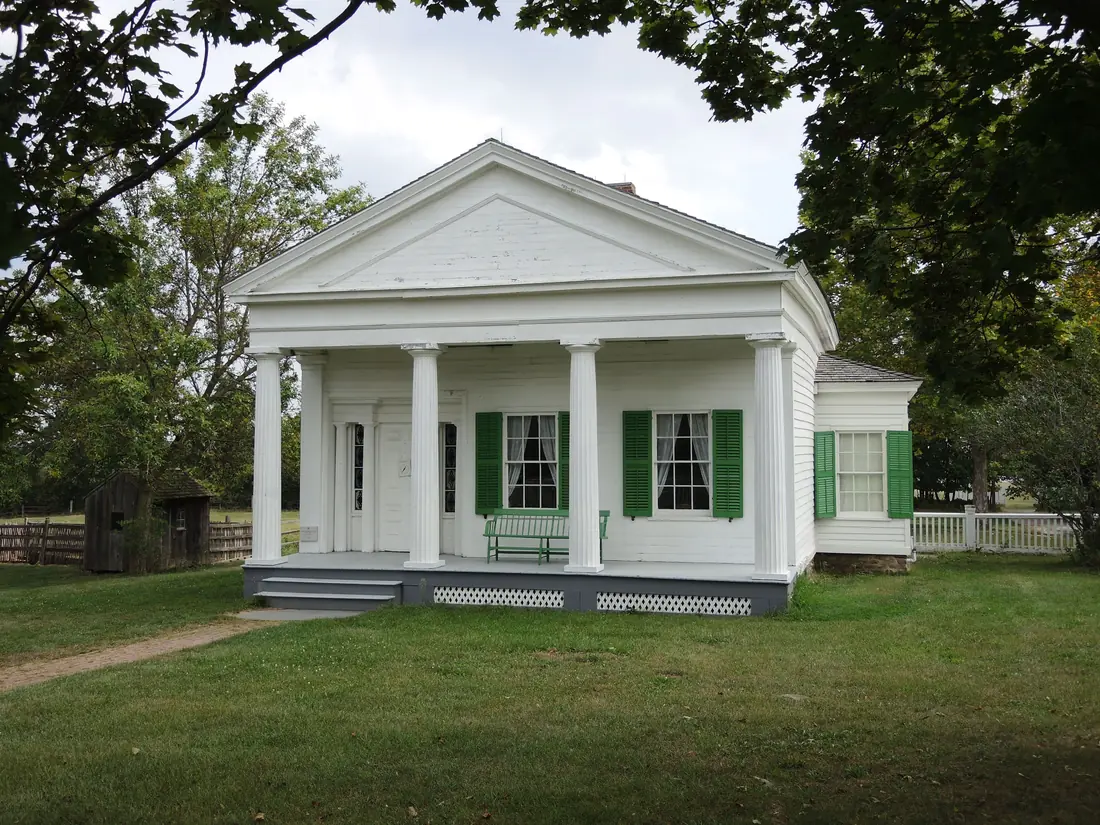
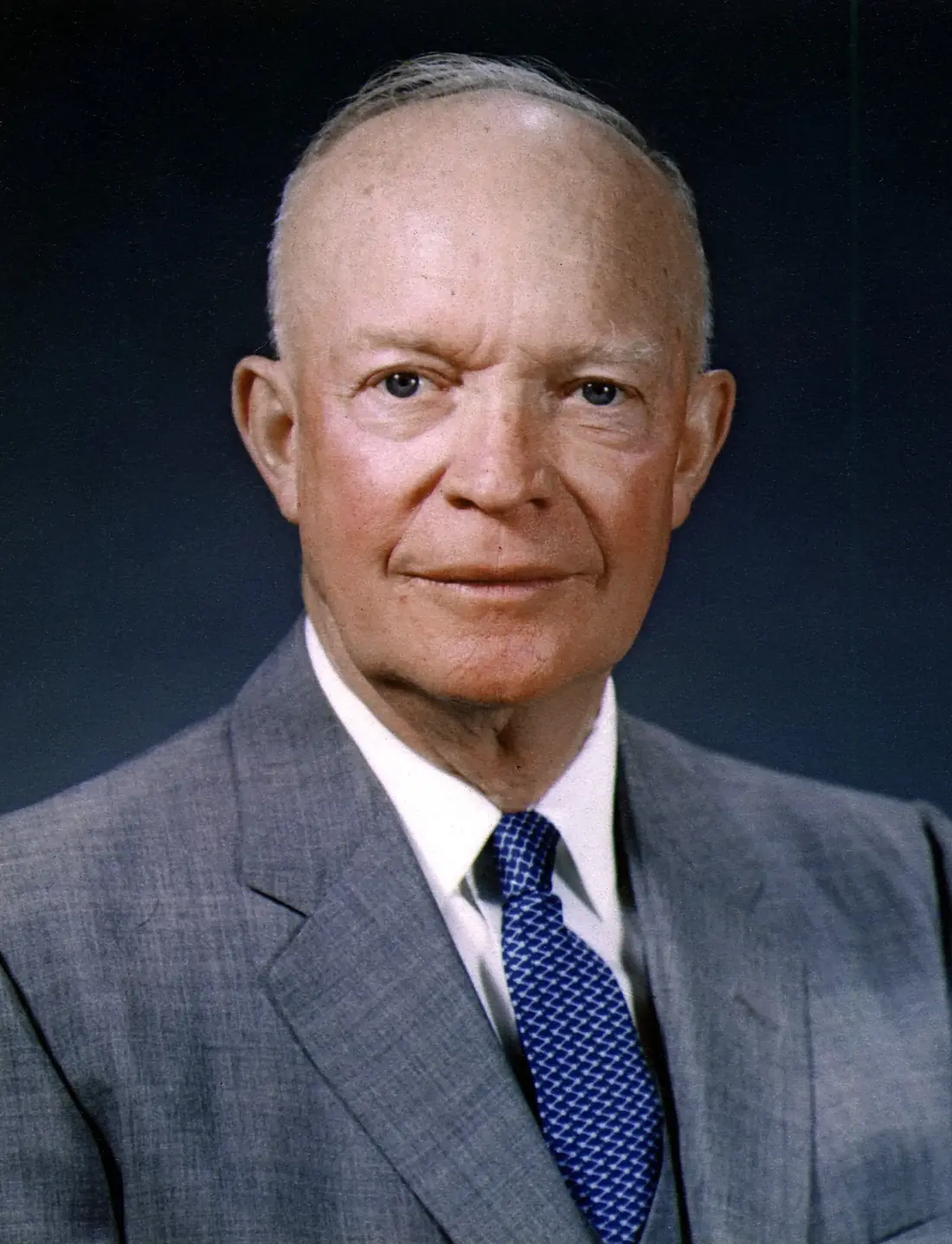
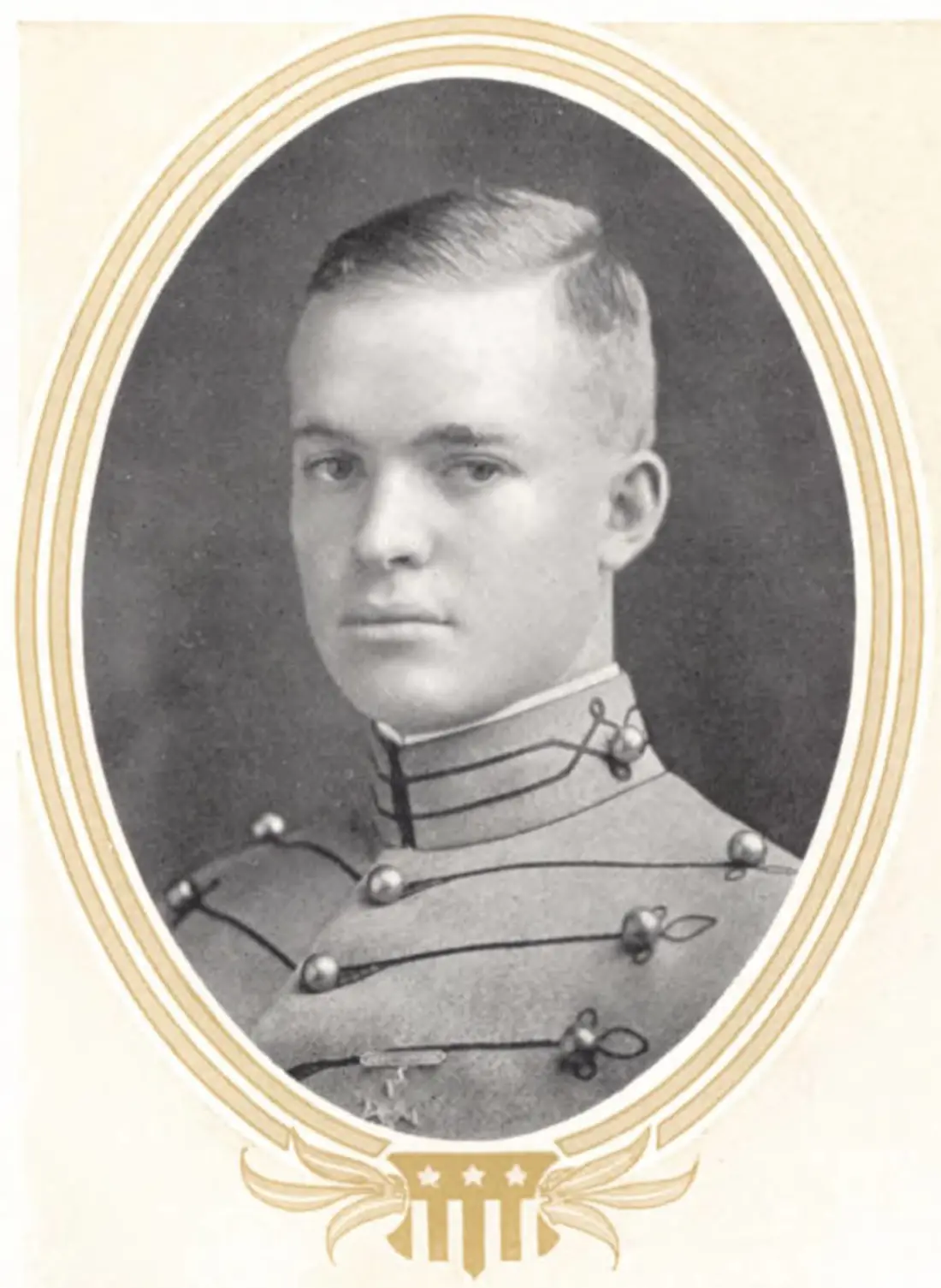
Dwight David Eisenhower entered the world in Denison, Texas, on October 14, 1890. His father, David Jacob Eisenhower, was a 36‑year‑old contractor who had moved the family to the town to work on a railroad bridge, and his mother, Ida Stover Eisenhower, was 30 and a schoolteacher.
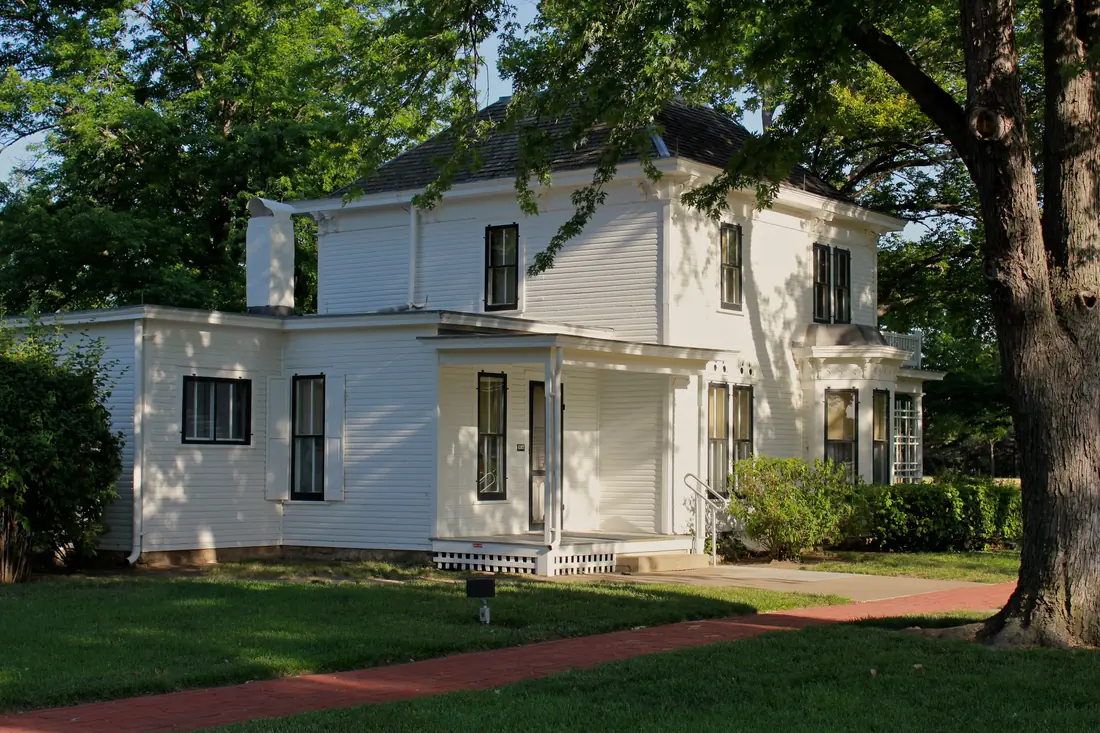
The birth took place in a modest house on the corner of Fourth Street, a location chosen because the Eisenhowers rented a room from a local merchant who could provide heat during the cold autumn night. At the time, Denison was a railroad hub with a population of about 12,000, a factor that gave David Eisenhower regular construction contracts and a steady income of roughly $1,200 per year, enough to support a family of four.
Eisenhower's early years were shaped by his parents' values. Ida emphasized education, enrolling him in the local public school where he learned basic arithmetic and reading. David taught him practical skills, including how to read mechanical drawings, a knowledge that later helped him understand military logistics. The family’s financial modesty meant that Dwight did not own personal toys; instead, he spent afternoons helping his father on the bridge site, observing the coordination of labor crews.
When Dwight was eight, the Eisenhowers moved to Abilene, Kansas, after David secured a contract with the Atchison, Topeka and Santa Fe Railway. The move placed the boy in a larger school system and exposed him to a broader community. These early experiences of moving for work and witnessing large‑scale projects contributed to his later competence in organizing multinational forces.
The birth in Denison is recorded in the town’s birth register, which lists the parents’ names, ages, and occupations. No contemporary newspaper noted the event, reflecting the ordinary status of the family. However, the record provides the factual basis for tracing Eisenhower’s origins, linking a small Texas town to a future Supreme Allied Commander and the 34th President of the United States. His later decisions in World War II and in the White House were influenced by the disciplined work ethic and logistical insight first observed on the railroad bridge where he was born.