Japan Launches Full-Scale Invasion of China at Marco Polo Bridge
Beijing, China
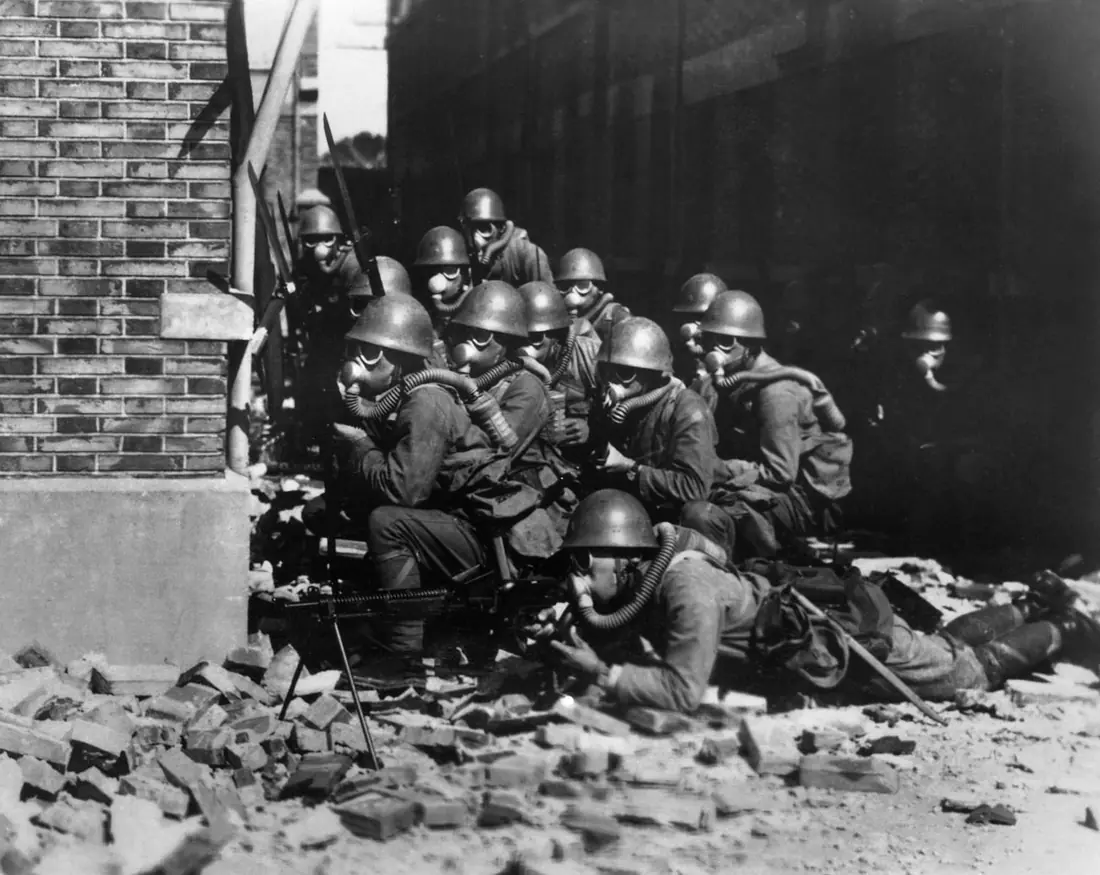
On the night of July 7, 1937, a Japanese soldier named Shimura Kikuo vanished during a training exercise near the Marco Polo Bridge outside Beijing, and by morning, military commanders on both sides had set in motion events that would kill over 20 million people.
What happened between those hours—what happened *in* those hours—was less a single event than a cascade of decisions made under incomplete information, each one feeding the next, until a missing man became a full-scale invasion.
The bridge itself had been there for 750 years. Built in 1192 and crossed by traders and armies for seven centuries, the Marco Polo Bridge (known to the Chinese as the Lugou Bridge) connected Beijing to the southwest. By 1937 it sat squarely between territory Japan already controlled and territory it wanted to control. Japan had conquered Manchuria years earlier and spent the intervening period testing Chinese resolve. The bridge was a plausible friction point, and Japanese officers were clearly looking for friction.
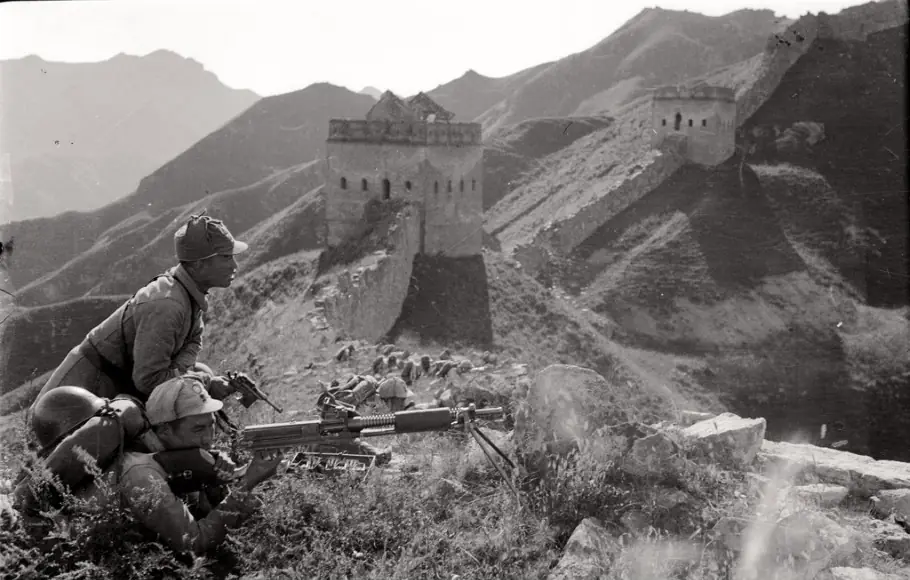
Here is the sequence: Around 11 p.m., Shimura went missing during maneuvers. Rather than wait or investigate, Japanese commanders treated this as either invasion or pretext—the distinction barely mattered anymore—and demanded the right to send armed troops into Wanping, a Chinese-controlled town on the other side. The Chinese garrison commander, Colonel Wang Xingchen, refused. By 4 a.m., Japanese artillery was firing on the bridge. By dawn, soldiers were dying.
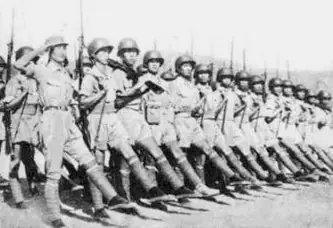
The key detail is what happened next. Instead of treating this as a skirmish to be contained, the Japanese high command decided within hours that this would be total war. Not negotiation. Not another agreement that left Japan hungry for more. Full conquest of China. By afternoon, they had committed 200,000 troops. By August, the number topped a million.
Why does Japan make this choice now, at this bridge, over this soldier? Partly because the military had achieved near-complete control of the civilian government in Tokyo. Partly because China seemed weak and divided. Partly because eight years of incremental expansion had created momentum and appetite. But also because once Shimura went missing and commanders decided to make it matter, backing down became politically impossible. The military had promised action. Soldiers were committed. There could be no retreat without humiliation.
The war that followed lasted eight years. By the time it ended in 1945, Japan had failed to win and had emptied itself of resources and manpower fighting an opponent it could never quite defeat. The Chinese lost nearly every major battle. They lost major cities. They lost access to their own coasts. They were outgunned, divided, and incompetently led in many theater. And they simply refused to quit.
But here is the detail that reframes everything: Shimura Kikuo was found alive later that same night. He had gotten lost during exercises. He was unharmed. He walked back into camp and discovered that his superiors had used his absence as the match to light an inferno that would consume millions of people across an entire decade.