Trinity: The First Atomic Bomb
Alamogordo, New Mexico, USA
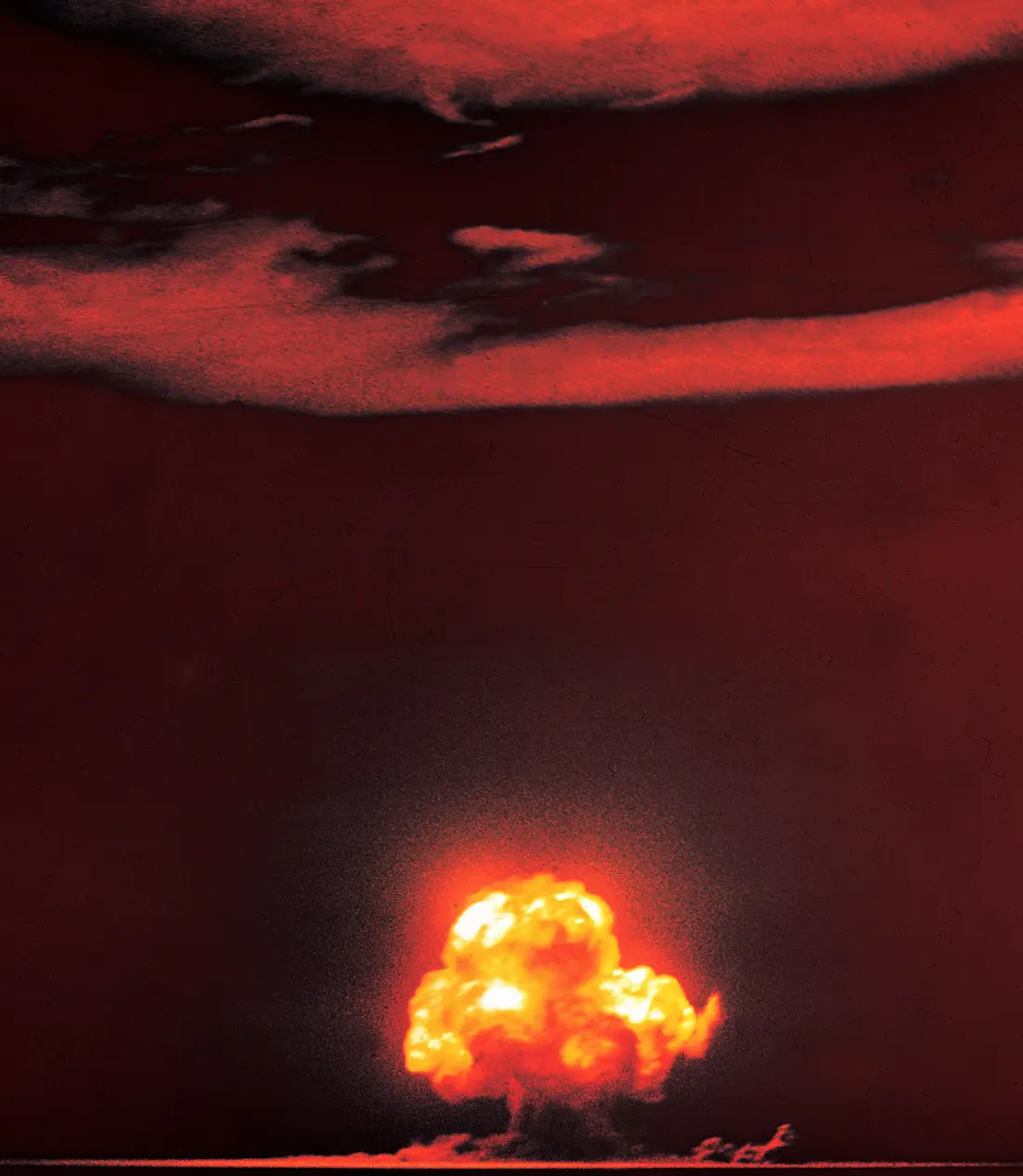
Robert Oppenheimer stood in the control bunker twenty miles away and watched the thing he had built vaporize the desert. It was 5:29 and 45 seconds in the morning on July 16, 1945, and the age of innocence—whatever remained of it in 1945—ended in a flash so bright that a blind woman standing ten miles away reported seeing light.
The countdown had begun at 4:45 a.m. The device itself, a sphere of plutonium wrapped in conventional explosives, hung from a 100-foot steel tower in the pre-dawn darkness. It had a name: Trinity. Nobody has ever quite explained why. Oppenheimer later said he was thinking of a John Donne sonnet about lovers, which is the kind of thing only a theoretical physicist would say about a nuclear weapon, and only after the fact.
The scientists had been arguing about what would happen. Edward Teller thought the bomb might ignite the atmosphere. Enrico Fermi, the kind of man who could calculate odds in his head while eating lunch, was taking bets on whether it would. The stakes were cosmic: would a chain reaction spiral outward and incinerate New Mexico? Would it burn through the continent? One physicist bought insurance. Another brought a camera. They were about to detonate a weapon that, if it worked at all, would work differently than anything humans had ever made.
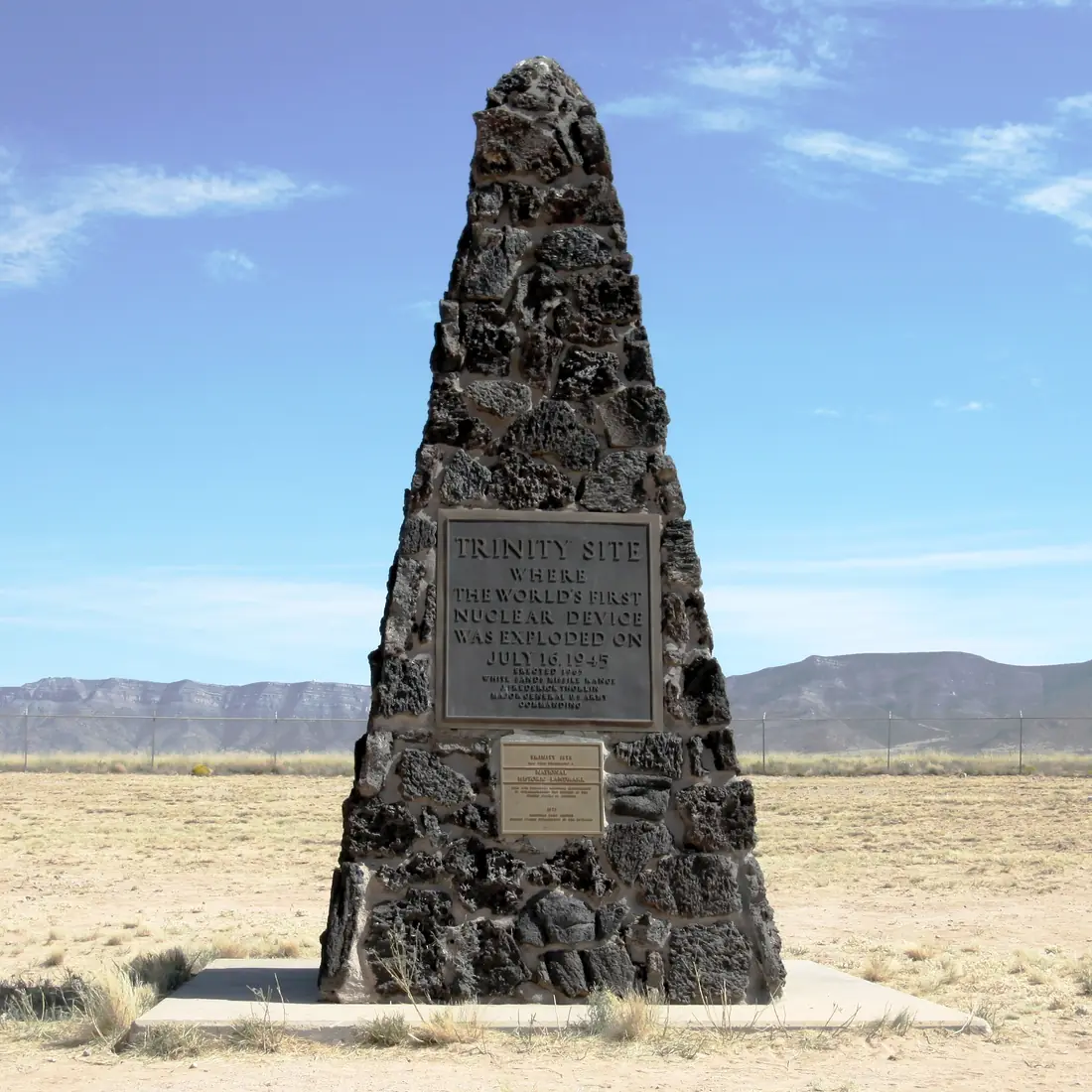
At 5:29, the timer reached zero. The explosion bloomed upward in a column of fire—a color nobody had a word for yet. The fireball expanded at the speed of light itself, turning night into noon. The shock wave moved outward at the speed of sound, pressing flat against the earth. When it reached the bunker, it knocked men sideways. The sound arrived a few seconds later, a roar that rattled teeth.
The mushroom cloud climbed to 40,000 feet. Oppenheimer watched it rise and remembered a line from the Bhagavad Gita: "Now I am become Death, the destroyer of worlds." He said this quietly, to almost nobody, years afterward. At the moment itself, he said nothing. He lit a cigarette and watched the desert glow.
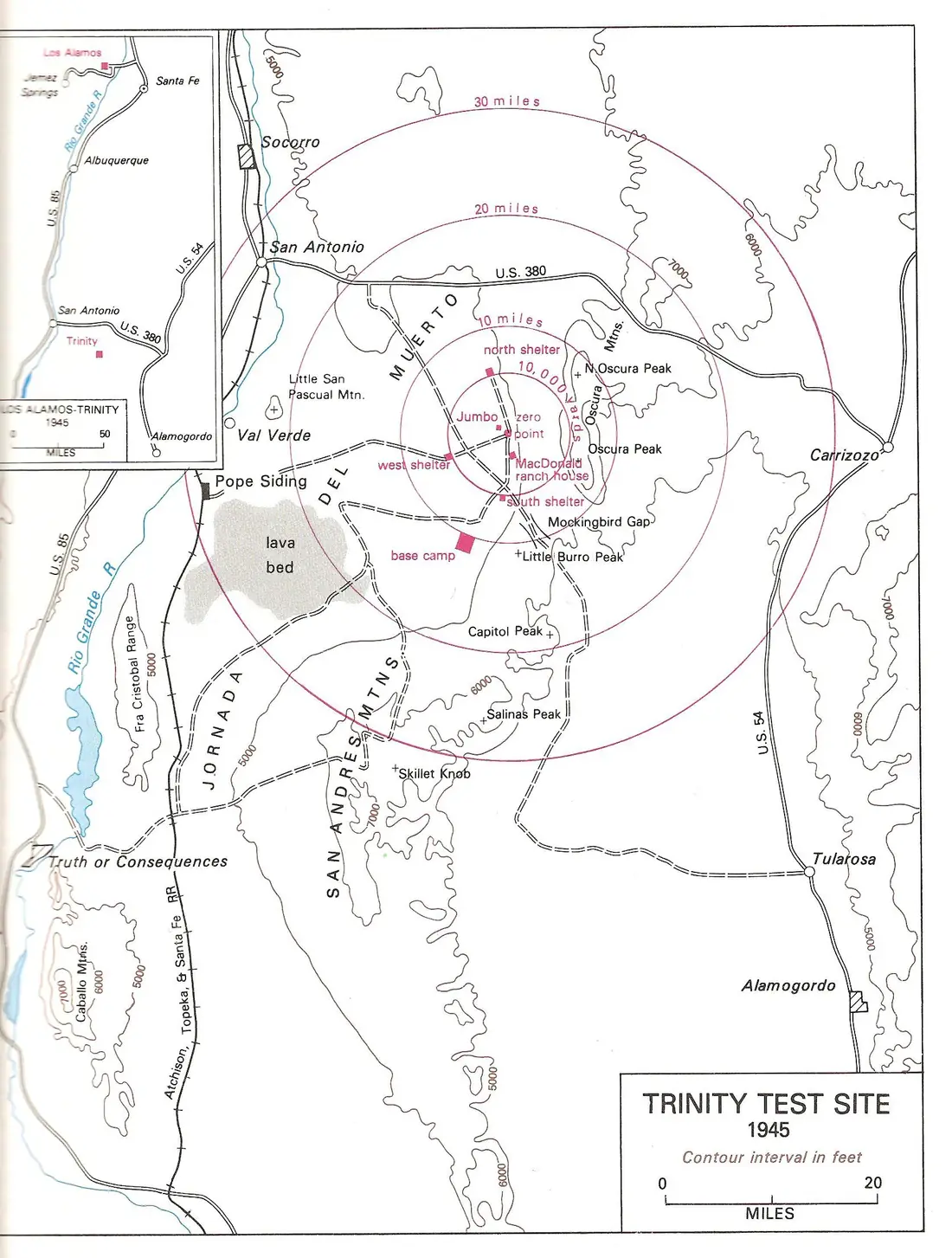
The blast had vaporized the tower. The heat had turned the sand beneath the device into glass—a pale green glass that would stay radioactive for decades. At ground zero, nothing remained but a crater and a faint smell of ozone. The explosion released energy equal to roughly 20,000 tons of TNT. It was, by a comfortable margin, the most powerful thing any human being had ever deliberately set in motion.
Within hours, Oppenheimer sent a telegram to the Secretary of War: "Baby is born." Within months, two of these devices would be loaded onto a modified B-29 bomber and flown across the Pacific. Within seconds of the Trinity explosion—though nobody in that bunker knew this yet—the war with Japan had, in practical terms, already ended. The only question was whether anyone would ever use what they had just learned how to make.
Oppenheimer lived another seventeen years. He spent much of that time arguing that nuclear weapons should be controlled internationally, that the genie could not and should not be put back in the bottle. He was, by most measures, right. He was also, by most measures, ignored.