Daily History
War & conflict

First Battle of Bull Run Begins

Manassas, Virginia, USA
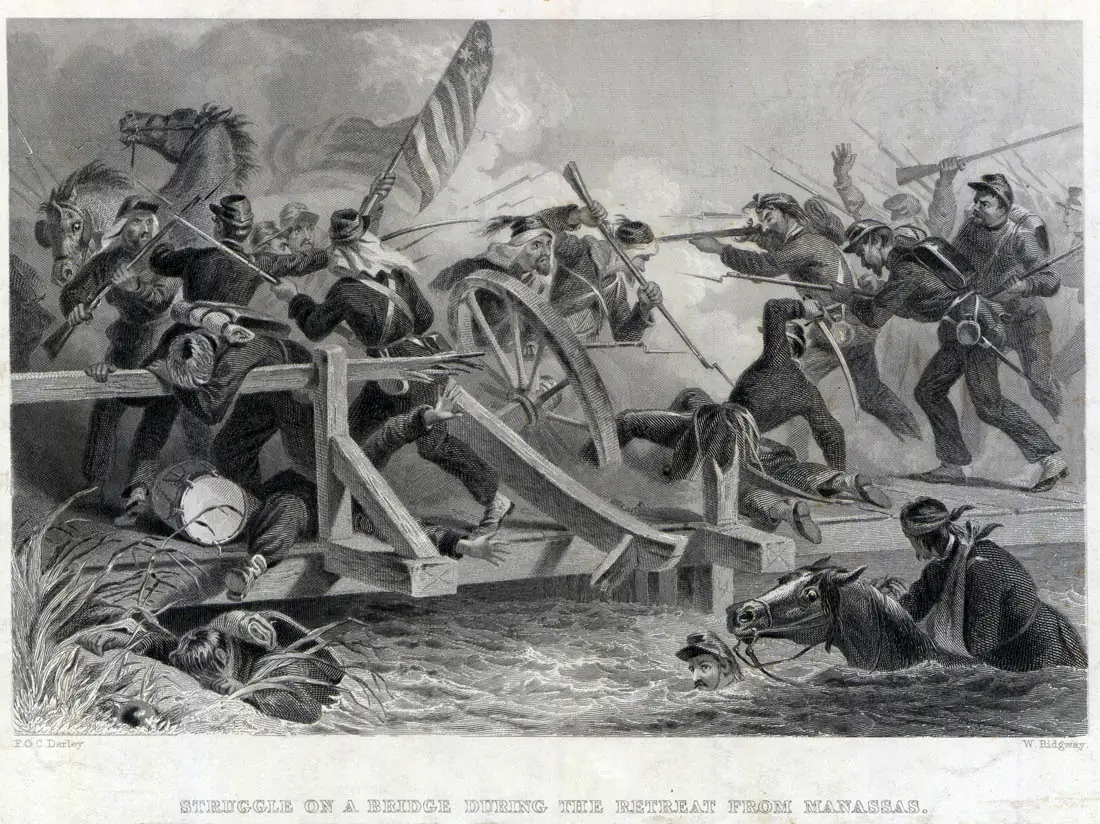
First Battle of Bull Run Begins — Manassas, Virginia, USA
Image: William Ridgway after Felix Octavius Carr Darley · Public domain

On the morning of July 21, 1861, thousands of Washington socialites packed picnic baskets, hired carriages, and rolled out toward Manassas, Virginia, as if heading to a summer concert. Some brought champagne. One woman wore a new silk dress she'd ordered specifically for the occasion. They came to watch the Union Army crush the Southern rebellion in what everyone assumed would be a brisk afternoon of military theater—the kind of spectacle you'd want to tell people you'd witnessed firsthand.

By sunset, the spectators were fleeing in panic through clouds of artillery smoke, abandoning their hampers and their certainty in equal measure.

The First Battle of Bull Run was supposed to be a demonstration of Northern superiority. The Union had roughly 35,000 men under General Irvin McDowell, many of them fresh recruits who'd enlisted just weeks earlier. The Confederate force, numbering around 22,000 under General Pierre Beauregard, was dug in and waiting. On paper, the math was simple: Northern industrial might, superior numbers, professional training. The Union would sweep through Virginia and march on Richmond. The war would be over by autumn. President Lincoln believed it. So did the newspapers. So did the congressmen who showed up with their wives to watch.
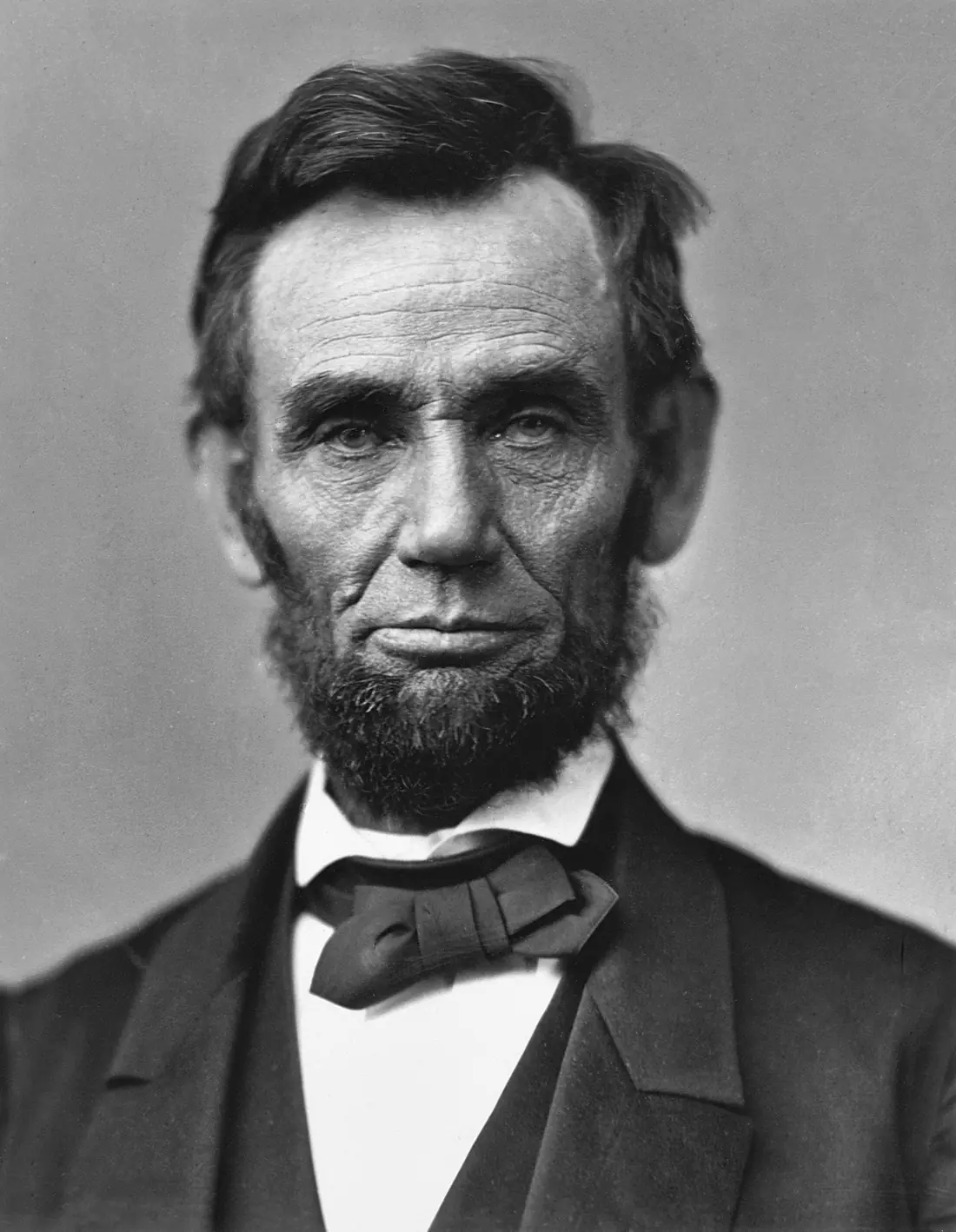
First Battle of Bull Run Begins — Manassas, Virginia, USA
Image: Alexander Gardner · Public domain

What the Union commanders didn't fully grasp was that the Confederates had something more valuable than numbers: a railroad that ran directly to the battlefield. While McDowell was still maneuvering his columns into position, Confederate reinforcements were already stepping off trains from the Shenandoah Valley—roughly 12,000 fresh troops arriving throughout the morning, invisible to Union scouts who'd been looking in the wrong place. By the time the battle actually began, the Confederate advantage in terrain and timing had erased the Union's numerical edge entirely.

The fighting itself was chaotic. Union regiments advanced with genuine courage, but they were green, poorly coordinated, and led by officers who'd spent the last four years in peacetime. Confederate troops held their ground with the grim competence of men defending their own soil. Around midday, a South Carolina regiment commanded by a former artillery instructor named Thomas Jackson held a ridge so stubbornly that a nearby general shouted, "Look, men, there is Jackson standing like a stone wall!" Jackson's Confederates didn't break. They held. And held.
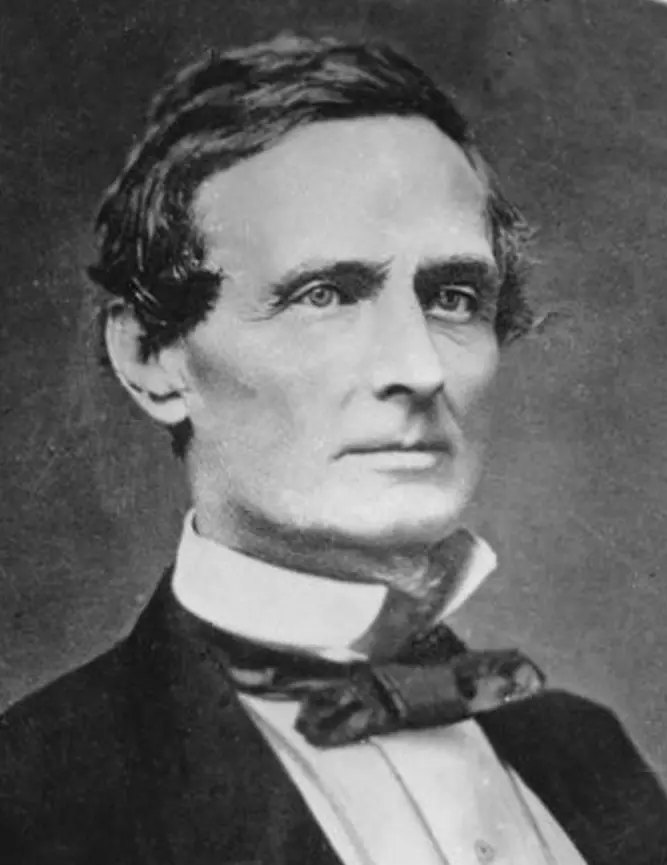
First Battle of Bull Run Begins — Manassas, Virginia, USA
Image: Unknown · Public domain

By late afternoon, the Union left flank began to crumble. What started as tactical withdrawal became rout. Officers lost control of their men. The retreat became a stampede back toward Washington, with terrified soldiers and equally terrified spectators jamming the roads in a tangle of panic and overturned carriages. Of the roughly 2,700 Union casualties that day, many were simply soldiers who got lost in the chaos and were captured as they wandered.

The Confederates, exhausted and disorganized themselves, didn't pursue. They'd won the battle but lacked the strength or clarity to turn it into something larger. This failure—the Confederate failure to destroy the Union Army while it was reeling—would echo through the next four years.

But the immediate effect was almost worse for the North. The myth of easy victory died on that Virginia hillside. Northerners woke to the reality that they'd just lost a battle they were supposed to win easily. The war would not be over by autumn. It would be long. It would be terrible. And it was only beginning.
Source: en.wikipedia.org/wiki/First Battle of Bull Run

People

First Female Prime Minister Sworn In

Colombo, Ceylon

First Female Prime Minister Sworn In — Colombo, Ceylon
Image: United Press International (UPI) · Public domain

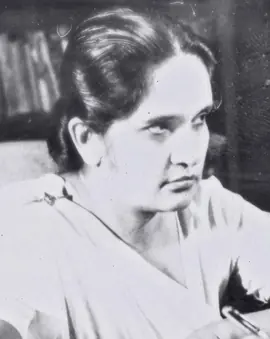
The widow wore white to the ceremony, as Ceylon's custom demanded for mourning. But on July 21, 1960, Sirimavo Bandaranaike was not there to grieve alone in the shadows. She walked into Parliament in Colombo to be sworn in as Prime Minister—the first woman anywhere in the world to hold the office. The rain that afternoon was ordinary. The heat was ordinary. Nothing in the physical world announced that a boundary had just shifted.

Nine months earlier, her husband Solomon, the sitting Prime Minister, had been assassinated by a Buddhist monk named Talduwe Somarama. The murder was political theater of the ugliest kind: Solomon had antagonized Buddhist nationalists by protecting minority rights and secular governance. A single gunshot in the garden, a man dead at 52, and suddenly his widow was no longer simply a politician's wife. She was the only one who could hold the party together.

What made Sirimavo's ascension genuinely strange was not that she was a woman—though in 1960, that fact alone seemed to violate some unspoken law of nature that most governments shared. It was that she had been almost entirely absent from politics before this moment. She had raised four children. She had attended functions. She had no ministerial experience, no parliamentary seat, no obvious preparation for the job except proximity to power and the surname that still commanded loyalty in her husband's party, the Sri Lanka Freedom Party.

First Female Prime Minister Sworn In — Colombo, Ceylon

The men who controlled Ceylon's political machinery faced a calculation: either hand the party to Sirimavo or watch it splinter. They chose her, betting that a widow's temporary caretaking would stabilize things until a proper successor could be groomed. It was a miscalculation of historic proportions, though not in the way they imagined.

Sirimavo did not govern as a placeholder. She won a landslide election in 1960 and governed for 18 years across two separate terms. She nationalized schools, expanded healthcare, and pursued a foreign policy of non-alignment that made Ceylon a diplomatic player far larger than its size should have allowed. She was not always right—her son-in-law would later describe her as stubborn, and her economic policies sometimes faltered. But she was undeniably there, making decisions, taking heat, surviving.

First Female Prime Minister Sworn In — Colombo, Ceylon
Image: Anuradha Dullewe Wijeyeratne, 168 / 7, Inner Flower Road, Colombo 7, Sri Lanka. E - Mail : anuradha.wijeyeratne@gmail.co · Public domain

What's peculiar in retrospect is how quickly the world moved on. Within a few years, female leaders in other countries—Indira Gandhi in India, Golda Meir in Israel, Margaret Thatcher in Britain—would arrive at their own moments of power, and each would be covered as if they were breaking new ground. Sirimavo's precedent was somehow forgotten in the noise of other firsts. History has a habit of erasing the person who goes first; we remember the second, the more dramatic, the one who fits better into the story we already know.

In the photographs from that July day in 1960, Sirimavo looks composed, almost serene. She is wearing white. The camera cannot capture what she understood but could not yet say: that the world had just become a place where a widow in mourning could also be the most powerful person in the room, and that no one—not her own party, not the international press, not even Sirimavo herself—had any real idea what would happen next.

Source: en.wikipedia.org/wiki/Sirimavo Bandaranaike

Use the arrow keys to move between days

Browse the full archive →