Daily History
Politics & state

Taira Clan Flees with Emperor Antoku in Genpei War

Japan
Taira Clan Flees with Emperor Antoku in Genpei War — Japan
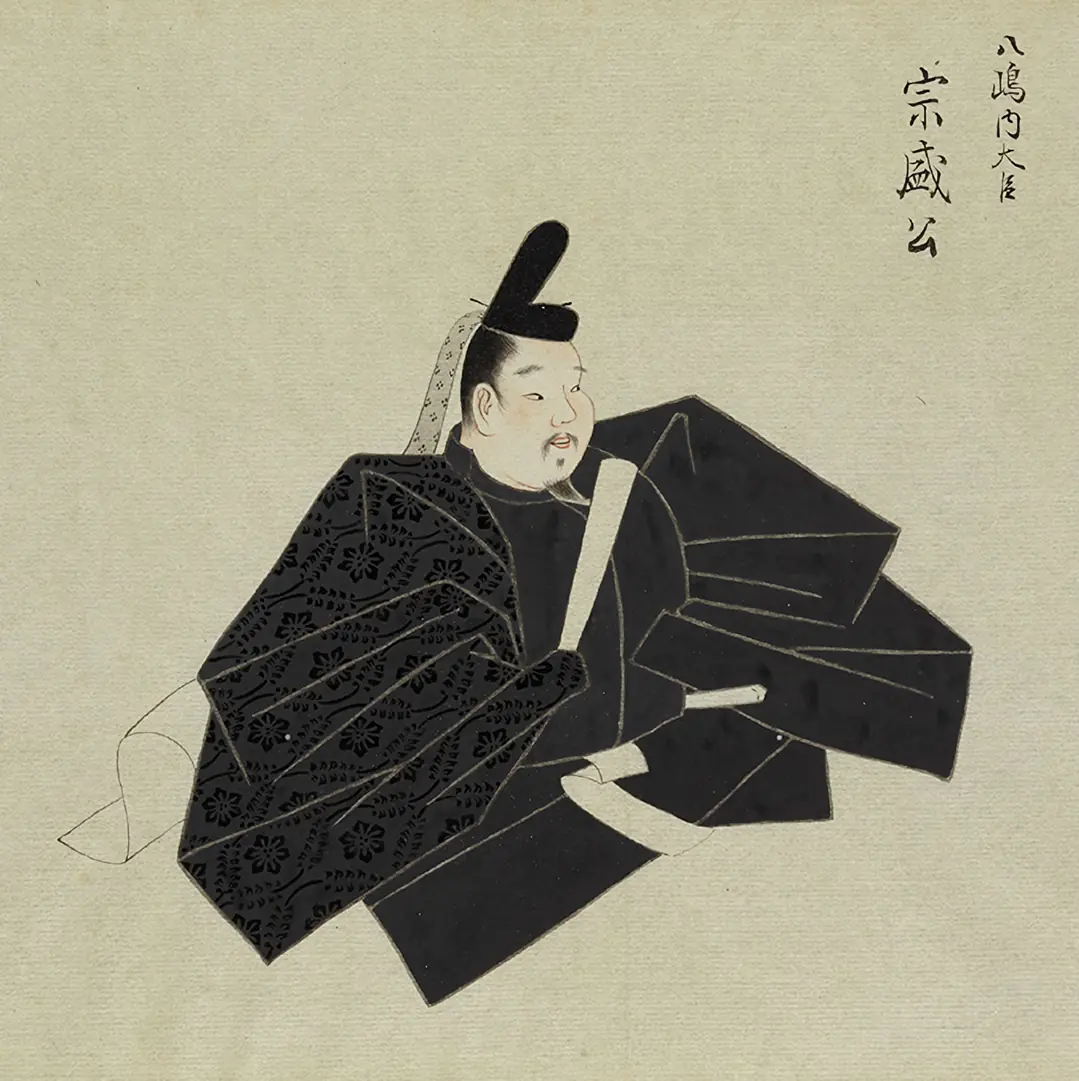
Image: Artist: Fujiwara Tamenobu (藤原為信 - ためのぶ) and Takenobu (豪信 たけのぶ) (both dates of birth and death unknown). Late Kamakura pe · Public domain

For two decades, if you wanted to know who truly ran Japan, you needed only to look at the Taira clan. Their patriarch, Taira no Kiyomori, had mastered the art of imperial court politics, marrying his daughters into the imperial line, stuffing government posts with his kin, and effectively making the emperor a gilded puppet. Kyoto, the capital, glittered under their sway, a city that was as much a Taira possession as it was the seat of the Chrysanthemum Throne. They were the establishment, the grandest family, the very definition of power. The idea of them leaving Kyoto, let alone fleeing it, would have been met with a polite, dismissive laugh. Their position was, it seemed, unassailable.

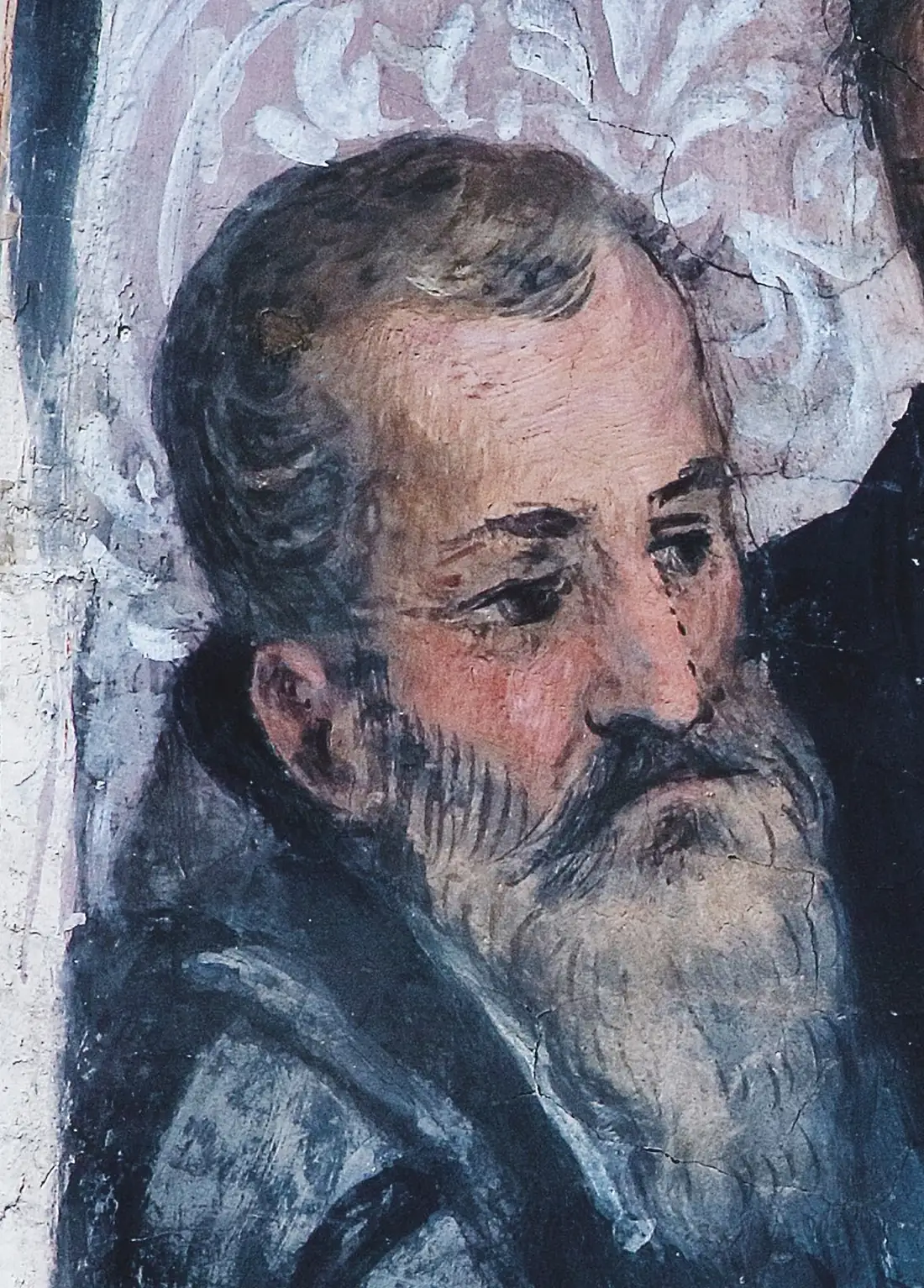
Yet, on August 14, 1183, the laughter died. Not with a bang, but with the shuffling, mournful procession of a clan in full, frantic retreat. Taira no Munemori, Kiyomori’s son and the clan’s reluctant new leader, now faced a reality his father would never have countenanced. The Minamoto clan, their old rivals, had been stirring in the provinces, and one Minamoto general in particular, the fearsome Minamoto no Yoshinaka, was now breathing down Kyoto's neck. Yoshinaka, a man known more for his ferocity than his finesse, had swept through the countryside, and his forces were rapidly closing in.

Munemori, caught between a rock and a very hard place (specifically, Yoshinaka’s army), made a decision born of desperation. He would evacuate Kyoto. Not just his family, not just his warriors, but the very symbols of imperial legitimacy: the child Emperor Antoku, a mere six years old, and the Three Sacred Treasures—the Sword Kusanagi, the Mirror Yata no Kagami, and the Jewel Yasakani no Magatama. These weren’t mere trinkets; they were the divine emblems that proved the emperor’s right to rule, passed down from the gods themselves. Without them, any claim to the throne was tenuous, any regime illegitimate.

So, as Minamoto forces entered the capital from the north, the Taira clan, laden with their most precious human and symbolic cargo, streamed out to the west. It was an exodus of staggering proportions, a complete inversion of their status. The masters of the capital were now refugees, abandoning their grand palaces and their vast wealth, clutching at the vestiges of power. Their destination: the western provinces, where they hoped to regroup, rebuild, and perhaps, one day, return. Their plan hinged on the belief that a child emperor and a few ancient objects could still command loyalty, even when their protectors were on the run.

The Minamoto, of course, found Kyoto a ghost town, save for the common folk who had no choice but to stay. They had taken the prize, but the crown jewels were missing. The Taira, who had once been so entrenched in the imperial system they practically *were* the system, were now a nomadic court, carrying their legitimacy with them like a portable, priceless burden. It was a move that bought them time, but ultimately, it only ensured that the final, devastating confrontation would be even more absolute. After all, what’s a king without his castle, or an emperor without his capital, save for a highly inconvenienced target?
Source: en.wikipedia.org/wiki/Taira no Munemori

War & conflict

Irish Forces Win Battle of the Yellow Ford

Yellow Ford, Ireland

Irish Forces Win Battle of the Yellow Ford — Yellow Ford, Ireland
Image: Jacobfrid · CC BY-SA 4.0

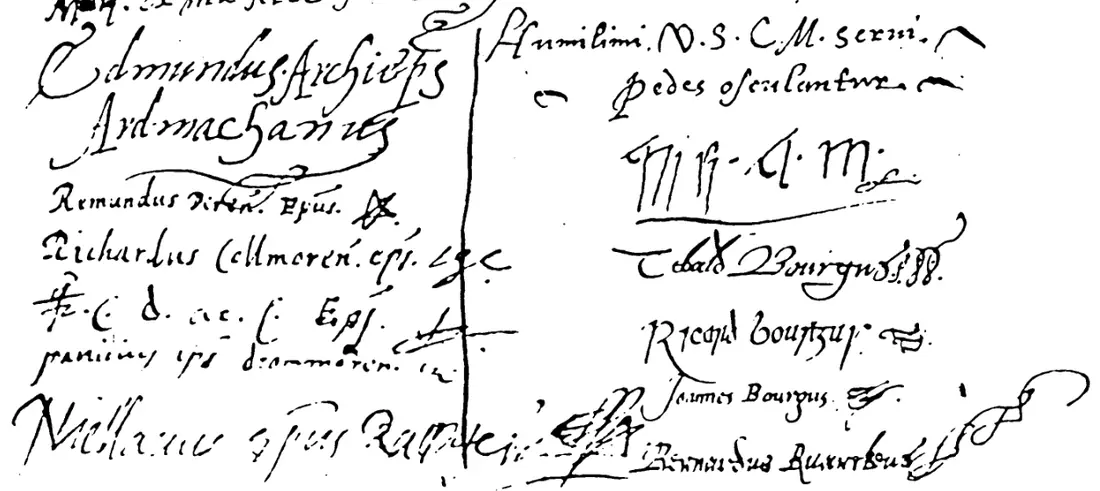
The oppressive August air hung thick and humid over the Blackwater River in County Armagh, 1598. For weeks, the English forces under Sir Henry Bagenal had been preparing. Their mission was straightforward: relieve the besieged Blackwater Fort, a lonely outpost that had become a symbol of English dominion, now starving and isolated. They were not merely marching; they were lumbering, a 4,000-man column burdened by three days' provisions, siege ladders, and heavy artillery. Every step through the undulating, boggy terrain of Ulster was a testament to the sheer physical effort of warfare in an unforgiving landscape. The squelch of boots in the mud, the creak of wagon wheels, the low murmur of soldiers’ complaints – these were the ordinary sounds of an army on the move, entirely unaware of the extraordinary ambush awaiting them.

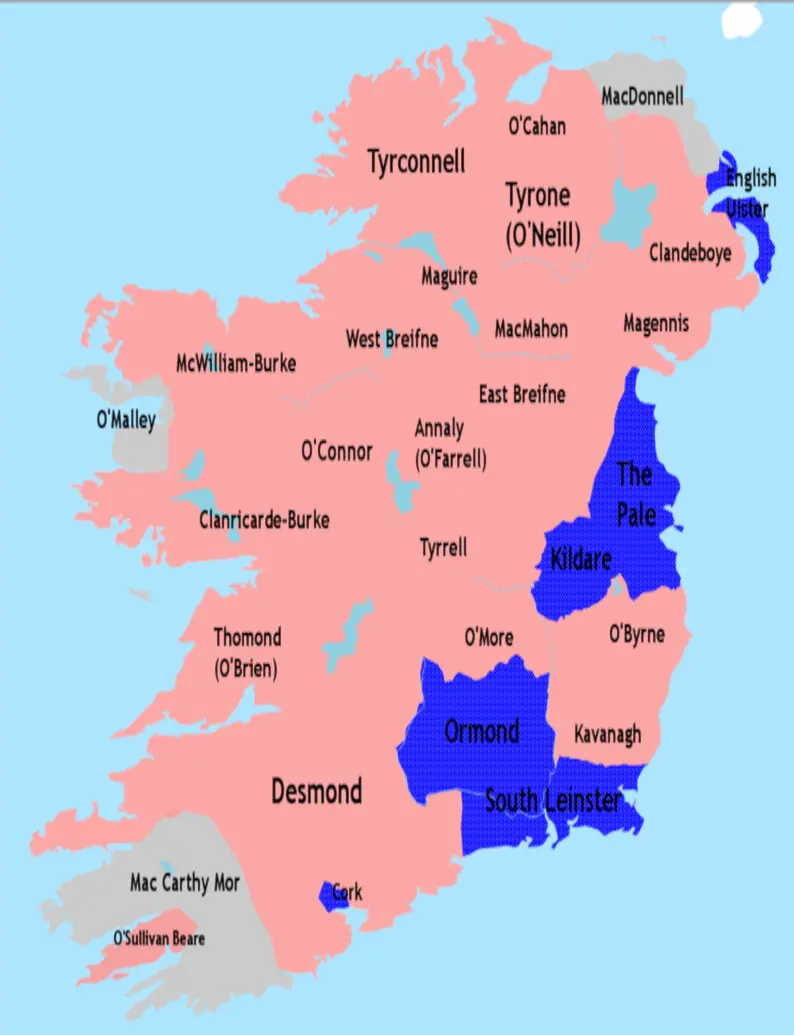
Hugh O’Neill, the Earl of Tyrone, had not been idle. For months, he had been orchestrating a rebellion that had steadily eroded English control in Ireland, a conflict known as the Nine Years’ War. He knew this land intimately, its hidden defiles and treacherous bogs. Crucially, he also knew Bagenal. The two men, once allies, were now bitter enemies, a feud cemented when O'Neill had eloped with Bagenal's sister Mabel years prior. Bagenal, a veteran commander with a reputation for brutality and a simmering personal hatred for O'Neill, saw this relief mission not just as a duty, but as a chance for vengeance.

O'Neill's strategy was simple, brutal, and effective. He had ordered trenches dug, trees felled, and earthen barricades erected along the narrow, marshy approach to the Yellow Ford, a choke point just a mile from the fort. His men, perhaps 5,000 strong, melted into the landscape, concealed by the dense woods and broken ground. They waited. The English column, stretched thin, its vanguard pushing through the obstacles, its rear still struggling with the supply train, was a textbook example of a force ripe for dismemberment.

Irish Forces Win Battle of the Yellow Ford — Yellow Ford, Ireland
Image: AnonymousUnknown author · Public domain

As the English pushed deeper into the trap, volleys of musket fire erupted from the concealed positions. The tightly packed ranks, accustomed to open field engagements, found themselves targets in a labyrinth of their own making. Pikes and swords were useless against an enemy they could barely see. Bagenal, riding at the head of his column, attempted to rally his men, but the chaos was immediate and absolute. A musket ball struck him in the head, killing him instantly and sending his English forces into a panicked rout. The general who had so confidently set out to relieve a fort now lay dead in a ditch, his hatred for O'Neill having driven him directly into a well-laid grave.

The battle was a slaughter. The boggy ground, which had slowed the English advance, now swallowed their retreat. Thousands of English soldiers, somewhere between 1,500 and 2,500, perished that day, many simply drowning in the mud. All of their artillery, the very tools meant to breach the fort, was captured. The Battle of the Yellow Ford was not merely a defeat; it was a catastrophic humiliation for the English Crown, a resounding testament to O'Neill's military genius and the strategic folly of underestimating a determined enemy on their home turf. Queen Elizabeth I, upon hearing the news, is said to have wept.

Irish Forces Win Battle of the Yellow Ford — Yellow Ford, Ireland
Image: Irish confederacy · Public domain

Source: en.wikipedia.org/wiki/Nine Years' War (Ireland)

Use the arrow keys to move between days

Browse the full archive →