Visigoths End Three-Day Sack of Rome
Rome, Roman Empire
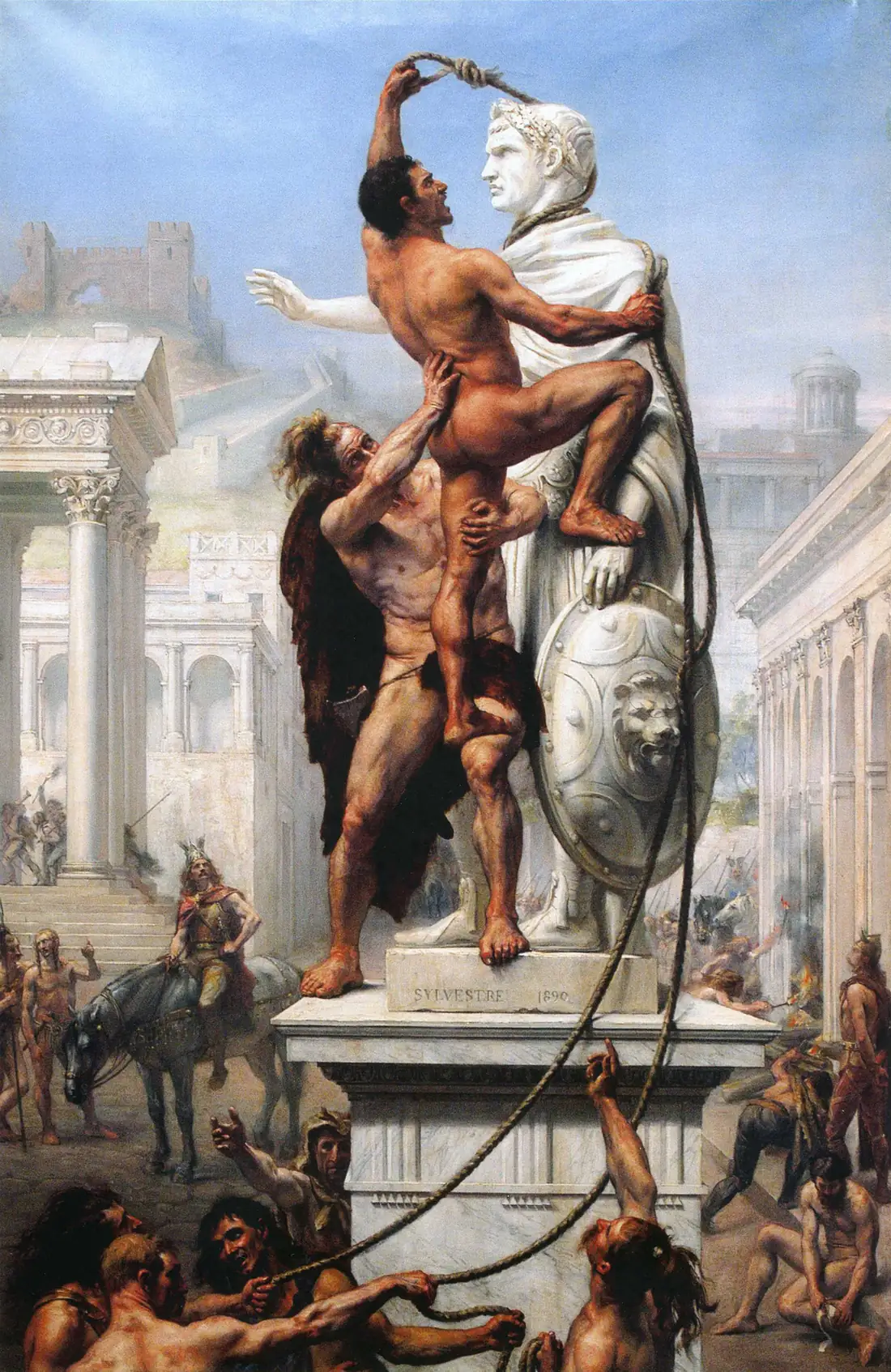
The price of survival, in the year 408, was steep: 5,000 pounds of gold, 30,000 pounds of silver, 4,000 tunics of silk, 3,000 hides dyed scarlet, and, perhaps most curiously, 3,000 pounds of pepper. This was the ransom demanded by Alaric, King of the Visigoths, from the once-invincible city of Rome. Two years later, the city fathers, having repeatedly failed to meet the barbarians’ terms or to secure meaningful aid from their distant emperor, found themselves facing Alaric’s forces for the third time. The gates, those ancient portals that had for eight centuries guarded a city of perhaps a million souls, would finally open. It was August 24, 410, when the Salarian Gate swung inward, not by force, but by betrayal or desperation. The ‘Eternal City’ would experience a three-day nightmare.
Alaric, a Gothic chieftain who had spent nearly two decades in the Roman military, knew its weaknesses intimately. He was a man in his early forties, a seasoned veteran who had watched the empire’s borders fray and its internal politics rot. For years, he had led his people, perhaps 30,000 to 40,000 warriors strong, with their families in tow, through the Balkans and into Italy, seeking land and recognition, not utter destruction. He had repeatedly offered his sword to Rome, only to be spurned or short-changed, his promised payments of gold, land, and Roman titles evaporating like morning dew. The siege of 410 was less an act of conquest and more a grim negotiation tactic, a final, terrifying demand for what he believed was owed.
The emperor, Honorius, was safely ensconced in Ravenna, a city protected by impassable marshes, some 250 miles north. He was a man whose primary reported concern, according to the historian Procopius, was the well-being of his prize chicken, which he had named 'Roma.' When a eunuch burst in to announce that 'Roma' had perished, Honorius cried out in grief. Only after the messenger clarified that it was the city, not the fowl, did the emperor express relief. This anecdote, whether apocryphal or not, perfectly captures the detached absurdity of the empire’s leadership, a gap of hundreds of miles and a chasm of priorities separating ruler from ruled.
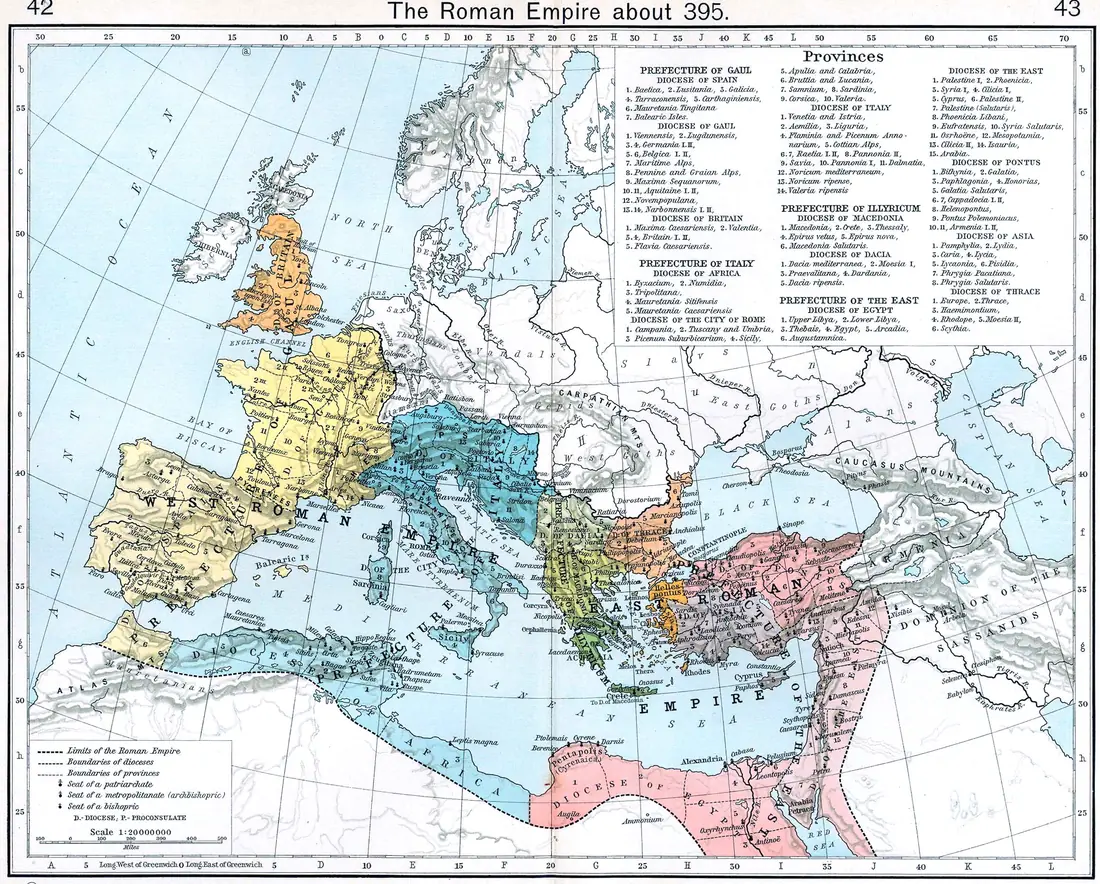
For three days, the Visigoths moved through the city. While stories of widespread slaughter and destruction abound, contemporary accounts suggest a more nuanced, albeit brutal, reality. Churches like St. Peter’s and St. Paul’s were spared, acting as sanctuaries for thousands. Yet, the imperial palaces were stripped, the homes of the wealthy plundered, and an unknown, but certainly substantial, number of citizens were killed or enslaved. The physical damage, though significant in places like the Sallustian Gardens, was not the total obliteration often imagined. Many buildings remained standing, and within a decade, the city's population, though greatly reduced, began to recover.
The true devastation was psychological. For 800 years, since its mythical founding, Rome had not fallen to a foreign enemy. The last major sack had been by the Gauls in 387 BC. This event shattered an illusion of invincibility, sending shockwaves across the Mediterranean and beyond. St. Augustine, in distant North Africa, would begin writing his monumental *City of God* in response to the existential crisis this event provoked. The Visigoths, laden with their spoils – gold, silver, and perhaps even some of that pepper – departed on August 27, leaving behind a city humbled but not entirely broken, a stark monument to the fact that even the greatest empires are, in the end, only made of stone and human expectation.