Daily History
War & conflict

Third Crusade: Siege of Acre Begins

Acre, Kingdom of Jerusalem
Third Crusade: Siege of Acre Begins — Acre, Kingdom of Jerusalem
Image: Kandi · CC BY-SA 4.0

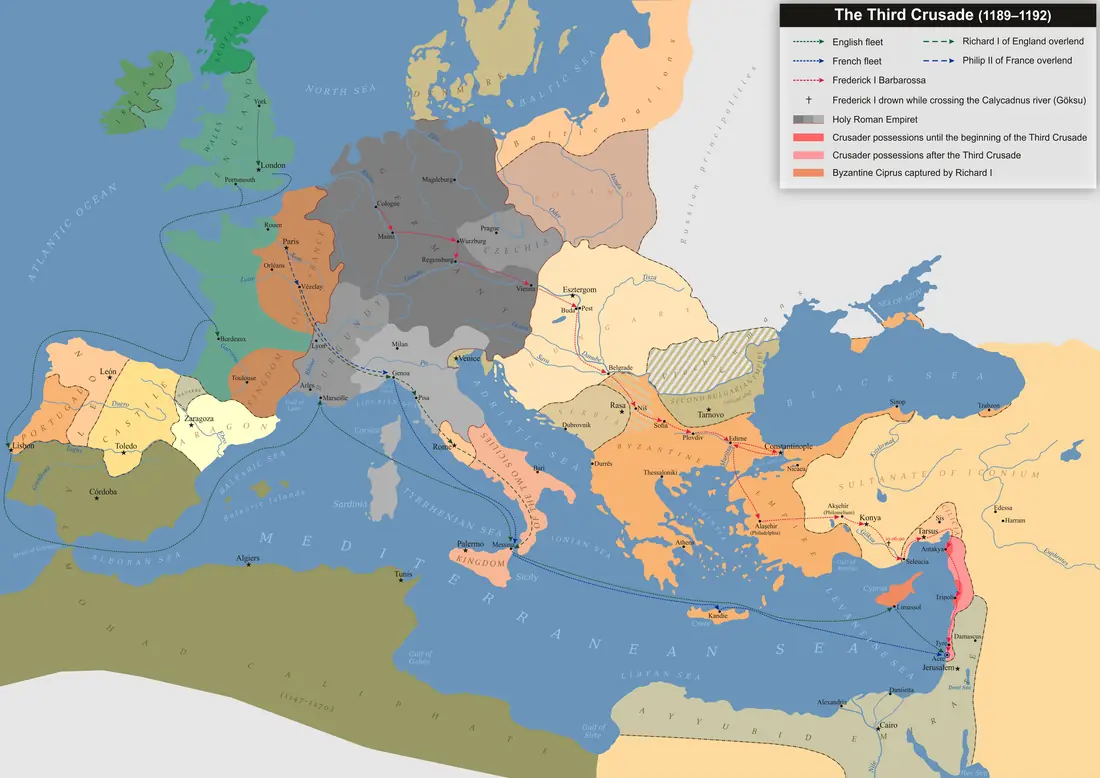
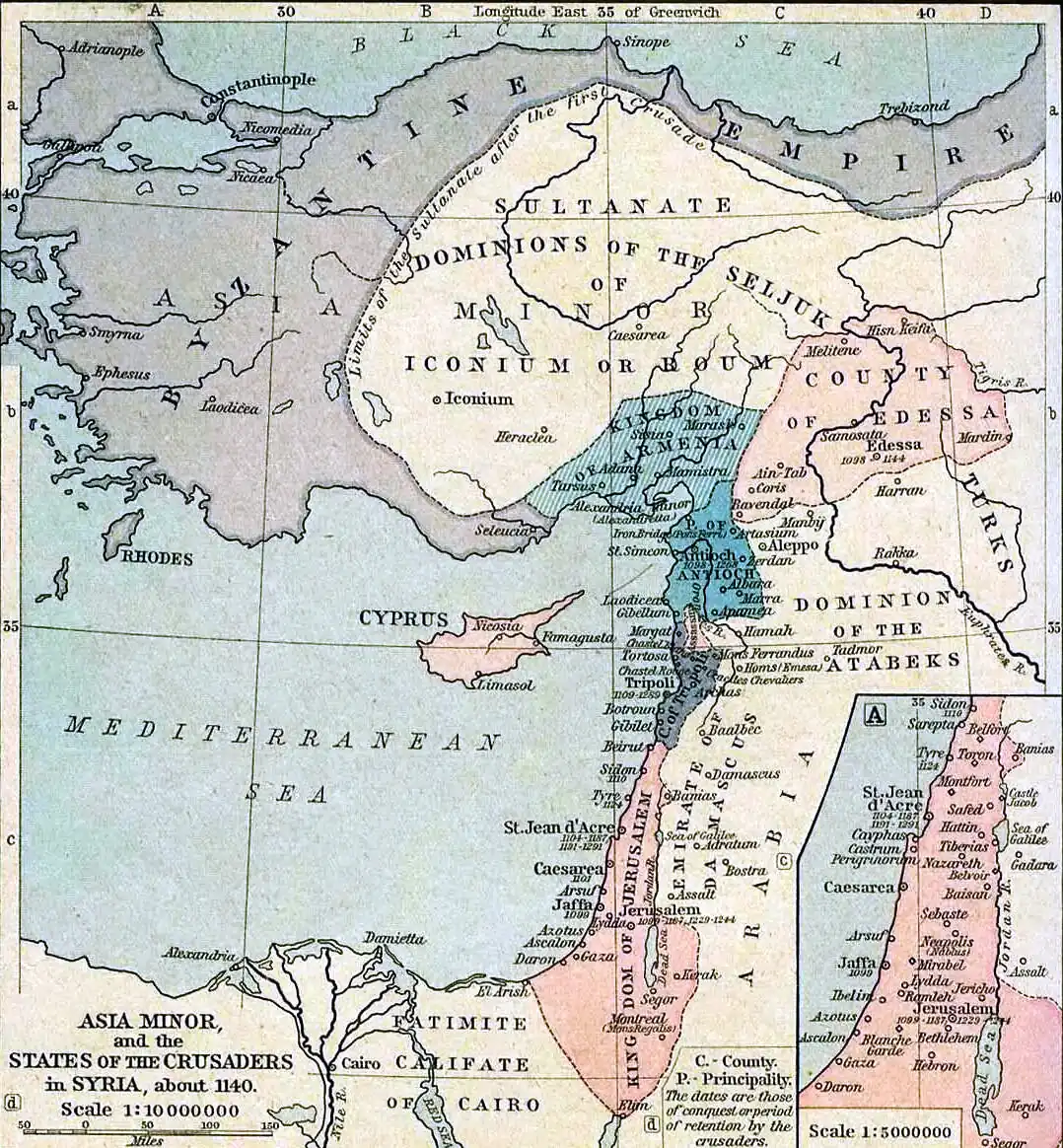
Guy of Lusignan, King of Jerusalem by title but decidedly not by territory, must have seemed a rather pathetic figure in the summer of 1189. Two years prior, his grand army had been annihilated by Saladin at the Horns of Hattin, leaving the Holy City itself and most of the Latin East in Muslim hands. Guy, a prisoner for a time, had been released on the rather optimistic promise that he would sail back to Europe and cause no more trouble. Yet here he was, in Tyre, a king without a kingdom, with a paltry force of perhaps 300 knights and a few thousand foot soldiers, a mere shadow of the Crusader power that once was.

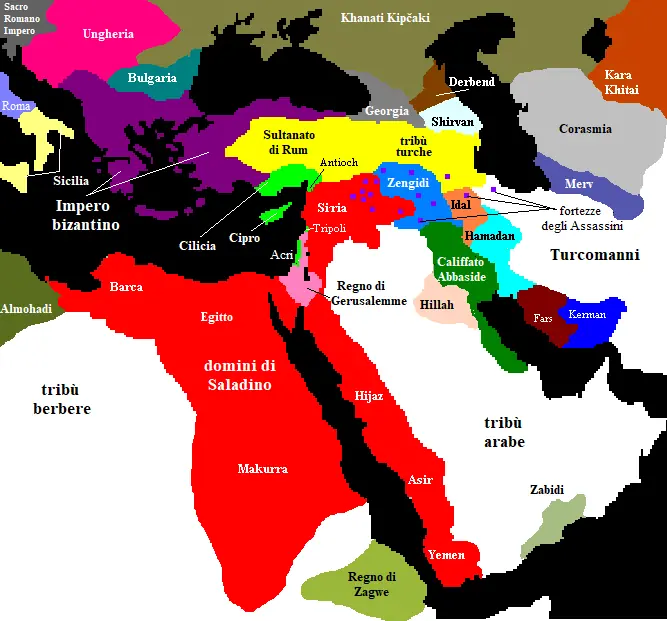
For Saladin, the world had settled into a comfortable, victorious rhythm. His empire stretched from Egypt to Mesopotamia, and the remaining Crusader outposts were, he believed, a matter of time. The Third Crusade, much heralded in Europe, was a distant rumble, its great kings still squabbling or struggling to cross continents. The strategic port city of Acre, a jewel of the coast, bustling with trade and heavily fortified, was firmly under his control, garrisoned and secure. No one, least of all Saladin, expected anything more than skirmishes and perhaps a siege or two of lesser castles.

But Guy, a man whom history often casts as ineffectual, possessed one quality in abundance: a stubborn, almost irrational, audacity. On August 28, 1189, rather than waiting for the formidable armies of Philip II of France and Richard I of England, rather than consolidating his meager forces, Guy marched his tiny, audacious army south. His target? Acre. It was a move so preposterously bold, so against every military convention, that it bordered on strategic madness. He aimed to besiege a city that could likely swallow his entire force whole, a city that was a vital logistical hub for Saladin, and a city whose recapture would be a psychological blow of immense proportions.
Third Crusade: Siege of Acre Begins — Acre, Kingdom of Jerusalem
Image: William Robert Shepherd · Public domain

He positioned his force on a hill overlooking the city, a gesture more than a threat, a challenge flung in the face of a triumphant empire. This wasn't a siege in the traditional sense, not yet. It was a statement, a desperate gamble, an opening bid in a game of high stakes that would define the next two years. Saladin, caught entirely off guard by this impudence, reacted swiftly, mobilizing his armies. He had assumed Guy would either retreat or be easily contained. Instead, Guy had forced his hand, turning a scattered, defensive war into a fixed, grinding confrontation.

Suddenly, the comfortable equilibrium was shattered. The victor was now forced onto the defensive, albeit on his own terms. The siege of Acre, which began with such an improbable, almost comical, act of bravado by a king with nothing left to lose, would become one of the longest and bloodiest engagements of the entire Crusades. It would draw in the might of Europe, consume countless lives, and fundamentally shift the dynamic of power in the Levant, all because a king who had lost everything decided he had nothing to lose by trying to take it all back.
Third Crusade: Siege of Acre Begins — Acre, Kingdom of Jerusalem
Image: No machine-readable author provided. Electionworld assumed (based on copyright claims). · CC BY-SA 3.0

Source: en.wikipedia.org/wiki/Third Crusade

War & conflict

Ottoman Turks Conquer Belgrade, Opening Europe's Gates

Belgrade, Serbia

Ottoman Turks Conquer Belgrade, Opening Europe's Gates — Belgrade, Serbia
Image: Frans Geffels · Public domain

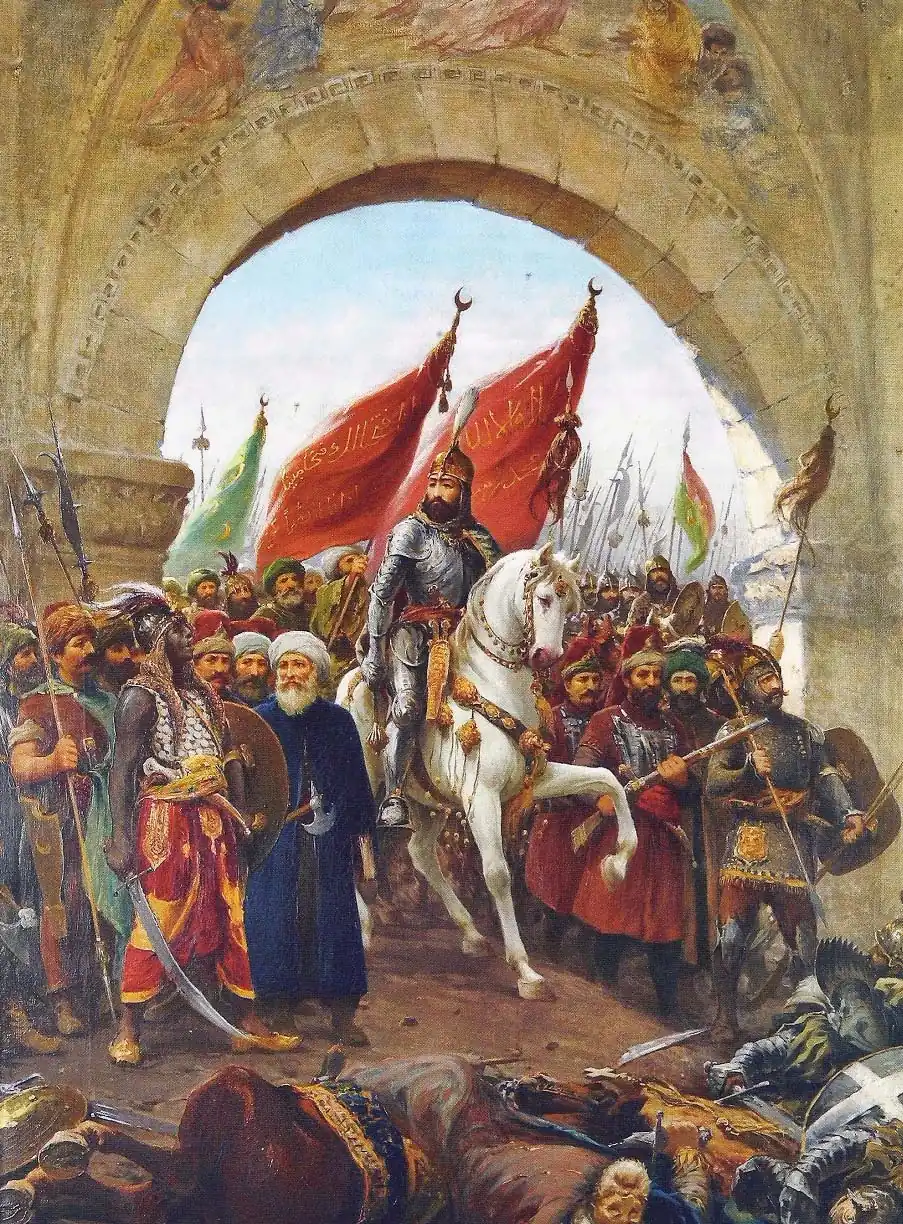
Imagine the summer air, thick and dusty, the kind that clings to the back of your throat, as it settled over the confluence of the Sava and Danube rivers. For weeks, the city of Belgrade had been a crucible of sound: the distant, rhythmic thud of Ottoman siege engines, the sharp crack of cannons, and the more sinister, subterranean scrape of shovels. It was August 1521, and what had been a bastion for nearly a century was now a target, again, for an empire that refused to take no for an answer.

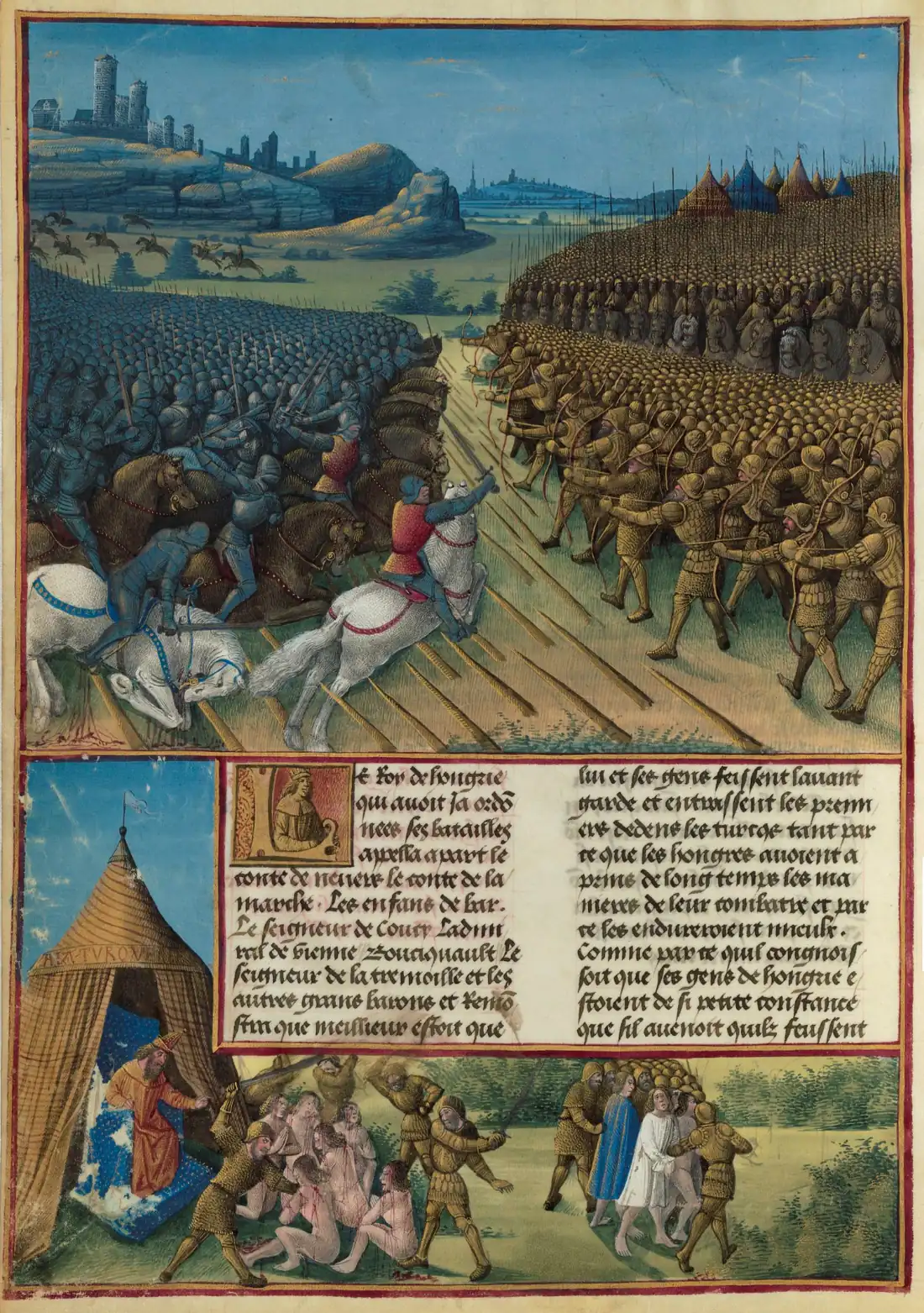
Belgrade, the 'Key to Hungary' and the 'Bulwark of Christendom,' had stood firm against Ottoman assaults before, most famously in 1456. So, for the inhabitants and the dwindling garrison, the sight of Sultan Suleiman the Magnificent’s massive army — a force estimated at around 100,000 men, supported by an awe-inspiring 300 cannons and a Danube fleet — must have been both terrifyingly familiar and crushingly definitive. This wasn't a skirmish; it was an entire empire methodically dismantling a city. From the moment the siege began on July 2nd, the writing was on the wall, quite literally, as cannonballs began to carve their names into the ancient stone.

But how, exactly, did you take a city that had resisted for so long? This wasn't about heroic charges against impossibly tall walls. This was a masterclass in brute force applied with terrifying precision. Suleiman's engineers deployed a strategy that was both advanced and utterly demoralizing: mining. Beneath the city's formidable defenses, engineers burrowed, digging tunnels, often for days, sometimes even weeks. The defenders, hearing the muffled picks and shovels, would desperately counter-mine, hoping to intercept the tunnels before they could be packed with gunpowder and detonated. It was a terrifying game of subterranean chess, where one wrong move could mean entire sections of wall, and the men on them, simply ceased to exist.

Ottoman Turks Conquer Belgrade, Opening Europe's Gates — Belgrade, Serbia
Image: Fausto Zonaro · Public domain

Then there was the sheer, overwhelming firepower. The Ottoman artillery wasn't just for show; it systematically pulverized defenses. They concentrated their fire, creating breaches wide enough for infantry assaults. And lest the city hope for relief, the Ottoman river fleet ensured no supplies or reinforcements could reach the beleaguered defenders. King Louis II of Hungary, for all his titles, was distracted, preoccupied with internal squabbles and the looming threat of peasant uprisings. Belgrade, a city vital to the defense of his kingdom, was left largely to its own devices, its garrison of a few thousand Hungarian and Serbian soldiers hopelessly outnumbered.

By late August, after nearly two months of relentless bombardment, mining, and repeated assaults, the city was a ruin. On August 28, 1521, after yet another devastating explosion tore through the walls, the remaining defenders, battered and starved, finally surrendered. The Ottomans, in a gesture that was both pragmatic and chillingly effective, allowed the surviving Hungarian soldiers to leave, while the local Serbian population was largely deported to Constantinople. Belgrade, once a proud bulwark, became a critical Ottoman stronghold, a launching pad for future campaigns deeper into Europe. That strategic ‘key’ had finally been turned, not with a flourish, but with the slow, grinding inevitability of an empire that understood the power of persistent, overwhelming force.

Ottoman Turks Conquer Belgrade, Opening Europe's Gates — Belgrade, Serbia
Image: Sébastien Mamerot · Public domain

Source: en.wikipedia.org/wiki/Ottoman wars in Europe

Politics & state

Ferdinand II Elected Holy Roman Emperor, Sparking Thirty Years' War

Ferdinand II Elected Holy Roman Emperor, Sparking Thirty Years' War
Image: Unidentified painter · Public domain

The flickering oil lamps in Frankfurt’s Römer hall cast long, dancing shadows on August 28, 1619. Seven men, the Electors of the Holy Roman Empire, gathered to choose their next sovereign. Outside, the scent of late summer rain mingled with the usual city smells – woodsmoke, horse dung, human sweat. Inside, the air was thick with the weight of centuries, and the more immediate, acrid tang of political expediency.

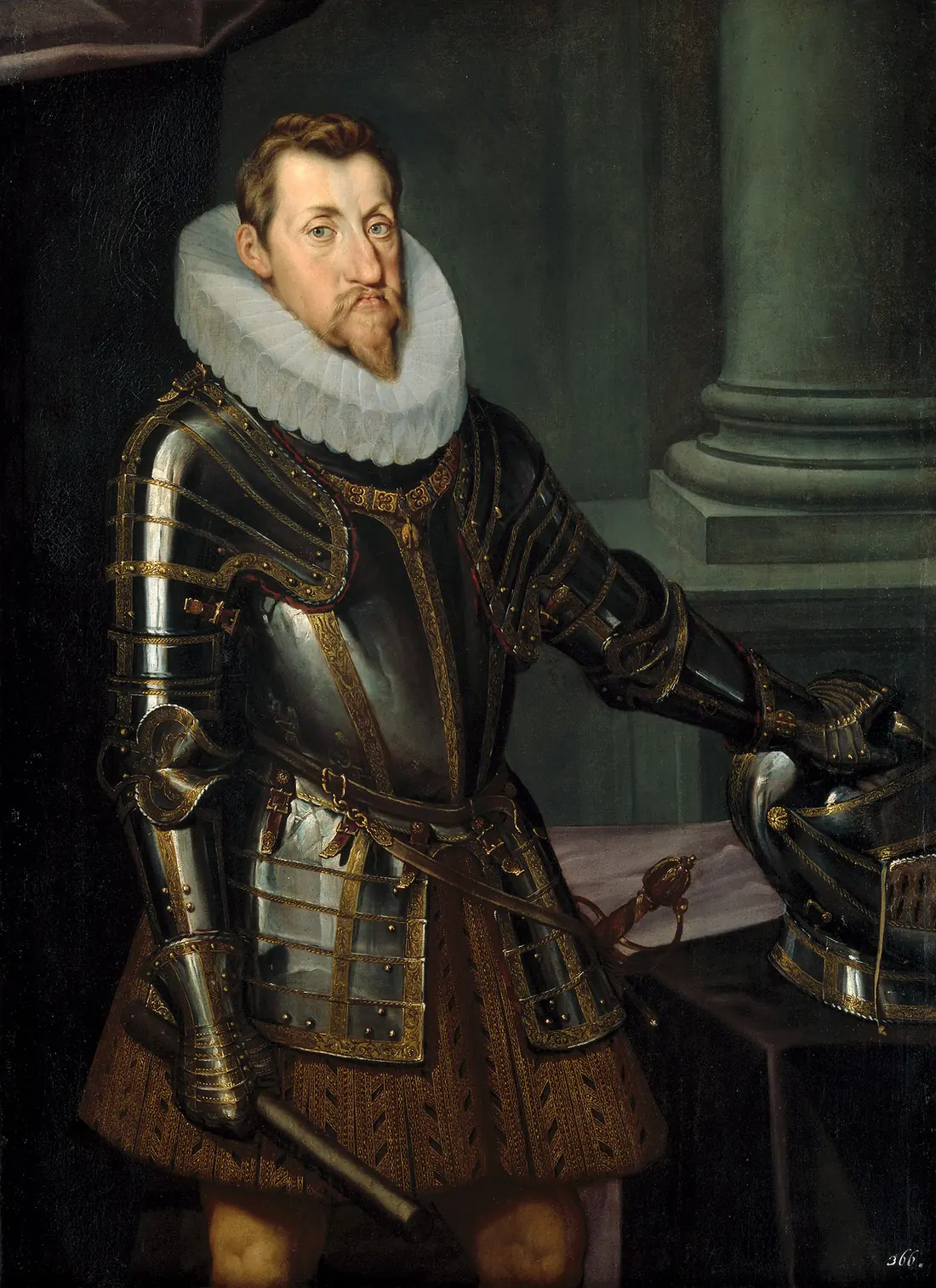
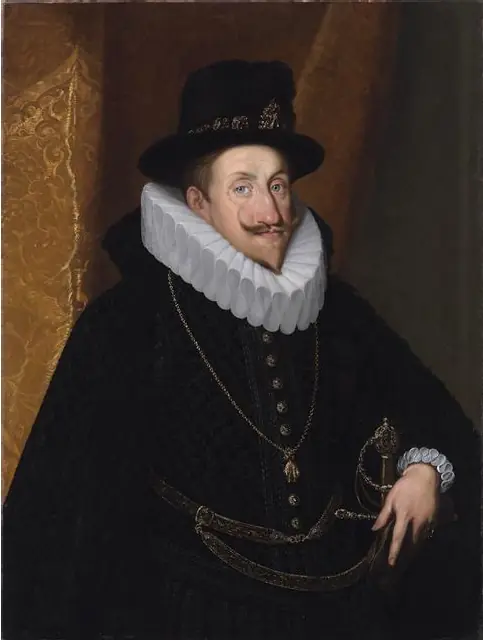
Ferdinand, Archduke of Austria, King of Hungary, and – by a vote just days earlier from the rebellious Bohemian estates – deposed King of Bohemia, stood on the precipice. His election to the imperial throne was not a quiet formality. It was a defiant roar, a gauntlet thrown, a match struck in a powder keg. While the Electors confirmed his power in Frankfurt, Prague was buzzing with the news that the Bohemian crown had been offered to Frederick V, the young, ambitious, and staunchly Calvinist Elector Palatine. The empire was choosing a fervent Catholic absolutist, even as one of its most important kingdoms explicitly rejected him for his faith and methods.

This wasn't just a squabble over a crown; it was the formal anointing of the man who, perhaps more than any other, would drag Central Europe into its deepest nightmare. Ferdinand, educated by Jesuits, saw himself as God’s instrument, tasked with rolling back the Protestant Reformation. His election solidified his position, granting him the imperial authority and resources he needed to crush the Bohemian uprising. The choice made by a handful of princes, cloistered in that Frankfurt hall, would ripple out, causing a tremor that quickly became an earthquake.

Ferdinand II Elected Holy Roman Emperor, Sparking Thirty Years' War
Image: Attributed to Pietro de Pomis (C. 1569-70 – 1633) · Public domain

Within weeks, Frederick V accepted the Bohemian crown, earning him the derisive nickname “The Winter King” for his brief, ill-fated reign. Ferdinand, now Emperor, mobilized his armies. The Battle of White Mountain, just over a year later, saw the Bohemian Protestants crushed. What began as a local rebellion for religious freedom and political autonomy spiraled. Frederick’s flight and the Emperor’s subsequent seizure of the Palatinate drew in other powers: Spain, then Denmark, then Sweden, and finally France, each with their own territorial, political, and religious agendas.

The cost was astronomical. Across the Holy Roman Empire, a land of some 15 to 20 million people, perhaps 4 to 8 million perished from combat, famine, and disease. Some regions, like Württemberg, saw their population drop by as much as 75%. Towns like Magdeburg were obliterated, their residents massacred or scattered. Farms lay fallow, villages burned, trade routes withered. A generation grew up knowing only conflict, their lives shaped by the constant threat of marauding armies, Catholic or Protestant, often indistinguishable in their rapaciousness. Imagine a landscape where a third of your neighbors vanished, where the fields that fed you became battlegrounds, where the very concept of peace seemed a distant, half-forgotten dream.

Ferdinand II Elected Holy Roman Emperor, Sparking Thirty Years' War
Image: Laurenz van de Sype / Wenzel Hollar · Public domain

By the time the Peace of Westphalia finally ended the fighting in 1648, Ferdinand II was long dead, having passed in 1637. Yet, the legacy of his election, and his uncompromising vision, was etched into the map and the psyche of Europe. The Holy Roman Empire itself was shattered, its constituent states gaining near-sovereignty, foreshadowing the patchwork of German states that would persist for centuries. The balance of power shifted decisively, with France emerging as the dominant continental force. The election of a single man, determined to enforce his will and his faith, transformed a nascent religious divide into a continent-spanning catastrophe, proving that sometimes, the fate of millions hinges on the vote of a very few, and the steadfast, iron will of one.

His chosen motto was *Legitime certantibus corona* — “To those who strive lawfully, the crown.” The lawful striving, it turned out, involved an immense amount of blood and fire.

Source: en.wikipedia.org/wiki/Ferdinand II, Holy Roman Emperor

Politics & state

Orestes Forces Emperor Julius Nepos to Flee, Precursor to Rome's Fall

Ravenna, Italy

Orestes Forces Emperor Julius Nepos to Flee, Precursor to Rome's Fall — Ravenna, Italy
Image: Tataryn · CC BY-SA 3.0

Imagine a man who’d once served the most terrifying barbarian warlord of his age, Attila the Hun himself, now standing at the gates of the Western Roman Empire’s capital. That man was Orestes, a general of Pannonian birth, and on August 28, 475 AD, he arrived at Ravenna with an army of federated Germanic troops. His target? The reigning emperor, Julius Nepos, a man whose legitimate claim to the throne was recognized by the Eastern Empire, a detail that, in retrospect, carried about as much weight as a feather in a hurricane. Nepos had reigned for a mere 14 months, one in a bewildering parade of nine emperors in the previous 20 years, many of whom lasted less than two years before meeting an unfortunate end.

Ravenna, nestled among its lagoons and marshes on the Adriatic coast, was designed to be impregnable, its strategic isolation a shield against land-based threats. However, Orestes wasn’t interested in a siege. His troops, largely composed of Heruli and Sciri mercenaries who expected land grants for their service, formed a formidable force numbering perhaps 10,000 or more, dwarfing any personal guard Nepos could muster. The emperor, a man who preferred diplomacy to direct confrontation, quickly grasped the arithmetic of the situation: one legitimate emperor, zero effective legions, and one very determined general. The 300 kilometers separating Ravenna from the nearest loyal Roman forces were an insurmountable distance.

Nepos, deciding discretion was the better part of valor (or, perhaps, simply the only part available), did not stay for a formal resignation. He simply… left. Boarding a ship in the very harbor that had once welcomed imperial fleets, he sailed across the Adriatic to Salona in Dalmatia, a distance of approximately 250 kilometers. This sudden, almost comically undignified departure marked the effective end of his rule in Italy, though he would continue to style himself Emperor of the West for another five years, issuing coins from his exile and enjoying the continued, if purely theoretical, recognition of Constantinople.

Orestes Forces Emperor Julius Nepos to Flee, Precursor to Rome's Fall — Ravenna, Italy
Image: Joel Bellviure · CC BY-SA 4.0

Orestes, now the de facto power in Italy, found himself in a rather awkward position. The Germanic troops under his command wanted land – specifically, a third of Italy, a demand that would have necessitated displacing Roman citizens on an enormous scale. Orestes, himself a Roman by culture and ambition, demurred. He understood that such a move would utterly destabilize what little remained of Roman authority. So, instead of taking the purple himself, which might have provoked the Eastern Emperor, he opted for a puppet. On October 31, 475, he crowned his own young son, a boy named Romulus Augustulus, as the new Emperor of the West. The name was quite a mouthful: Romulus, after the founder of Rome, and Augustulus, the diminutive of Augustus, meaning "little Augustus." A name heavy with 1200 years of history, worn by a child likely no older than 15.

This move, while seemingly clever, was a fatal miscalculation. The army, denied their land, grew restless. Within ten months, Romulus Augustulus would be deposed by a German chieftain named Odoacer, who would then send the imperial regalia back to Constantinople, effectively ending the Western Roman Empire. The irony is delicious: Orestes, by pushing out a legitimate emperor and installing a child emperor, inadvertently paved the way for the very barbarian takeover he had tried to avoid. His short-lived reign of influence, less than a year, highlights the fragility of power in a collapsing world, where the grand titles of empire were worth less than the loyalty of a few thousand soldiers with a demand for land.

Orestes Forces Emperor Julius Nepos to Flee, Precursor to Rome's Fall — Ravenna, Italy
Image: Unknown artistUnknown artist · Public domain

Source: en.wikipedia.org/wiki/Roman Empire

Exploration

St. Augustine, Florida: Oldest European Settlement Founded

St. Augustine, Florida, United States

St. Augustine, Florida: Oldest European Settlement Founded — St. Augustine, Florida, United States
Image: José Camarón y Boronat (1730-1803), published by Fran(cis)co de Paula Marti in 1791 · Public domain

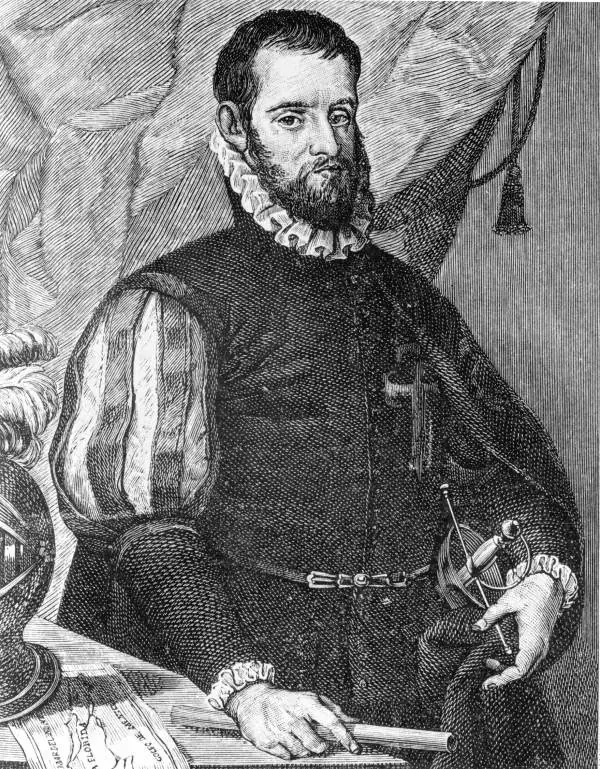
The 24-gun ship *San Pelayo* dipped its bow into the warm August waters, the first of five vessels carrying 800 souls toward an uncertain shore. On board, Pedro Menéndez de Avilés, Spain’s newly appointed Adelantado of Florida, was a man on a mission both spiritual and ruthlessly practical. His orders from King Philip II were clear: remove the French Huguenots, establish a lasting Spanish presence, and convert the natives. This wasn't merely about staking a claim; it was about permanence in a land where European flags had fluttered briefly then vanished, leaving only a ghost of an ambition.

For centuries, the concept of a truly *permanent* European outpost in the vast, untamed Americas had been more dream than reality. Explorers had charted coastlines, planted crosses, and even built temporary forts, but these were largely transient affairs, easily abandoned or overwhelmed. Ponce de León had landed in Florida in 1513, claiming it for Spain, but his attempts at colonization ended in failure and his own death. Tristán de Luna y Arellano tried again in 1559, landing with 1,500 people and a year's supplies, only to see his colony starve and scatter after a hurricane. Florida was a strategic prize, guarding the critical Gulf Stream shipping lanes back to Spain, but it had proven a graveyard for European aspirations.

Then came Menéndez. On August 28, 1565, after weeks of battling storms and dodging French patrols, he spotted land. He named the site St. Augustine, in honor of the saint whose feast day it was. This was not a tentative flag-planting. Menéndez disembarked with 150 soldiers and 300 colonists, immediately began constructing fortifications, and set about establishing a mission. He understood that survival here meant more than just holding ground; it meant self-sufficiency, diplomacy (or warfare) with the native Timucua, and a relentless commitment to staying put.

St. Augustine, Florida: Oldest European Settlement Founded — St. Augustine, Florida, United States
Image: Wikimedia Commons · CC BY-SA 3.0

His first act was to systematically eliminate the French Huguenot presence, which he viewed as both a territorial and religious affront. Within weeks, he attacked and captured Fort Caroline, renaming it Fort San Mateo. A French relief fleet, caught in a hurricane, was shipwrecked further south. Menéndez marched his men through swamps, encountered the stranded French, and, after accepting their surrender, executed hundreds of them at a site thereafter known as Matanzas (Spanish for ‘Slaughters’). This brutal efficiency, while abhorrent by modern standards, sent an unmistakable message: Spain was here to stay, and would brook no rivals.

Before Menéndez, European ventures in North America often played out like high-stakes gambling, with little expectation of enduring success. After St. Augustine, the very idea of a permanent European city in the New World became not just possible, but ordinary. It was the blueprint for future settlements, demonstrating that with enough resources, ruthlessness, and sheer obstinacy, a European power could transplant itself across an ocean and take root. St. Augustine became the first link in a chain of such cities, a stubborn, sandy foothold that defied storms, disease, and rival empires for centuries, holding its ground while countless other colonial dreams crumbled. It stands today, not as a monument to its founder's piety, but to the grim, grinding determination required to make the impossible ordinary.

St. Augustine, Florida: Oldest European Settlement Founded — St. Augustine, Florida, United States
Image: Ana Morán · CC BY-SA 4.0

Consider this: St. Augustine predates Jamestown by 42 years. Its existence means that the oldest continuously inhabited European city in what is now the United States spent more than two centuries under Spanish rule *before* the American Revolution was even a twinkle in anyone's eye. The Spanish language and culture were established there decades before English was even spoken with any permanence in North America. It’s a detail often overlooked in a narrative dominated by later English colonial history, a testament to the fact that the initial forging of the continent was a far more complex, multilingual affair than many realize.

Source: en.wikipedia.org/wiki/Pedro Menéndez de Avilés

Use the arrow keys to move between days

Browse the full archive →