Ottoman Victory at Mohács Decimates Hungary
Mohács, Hungary
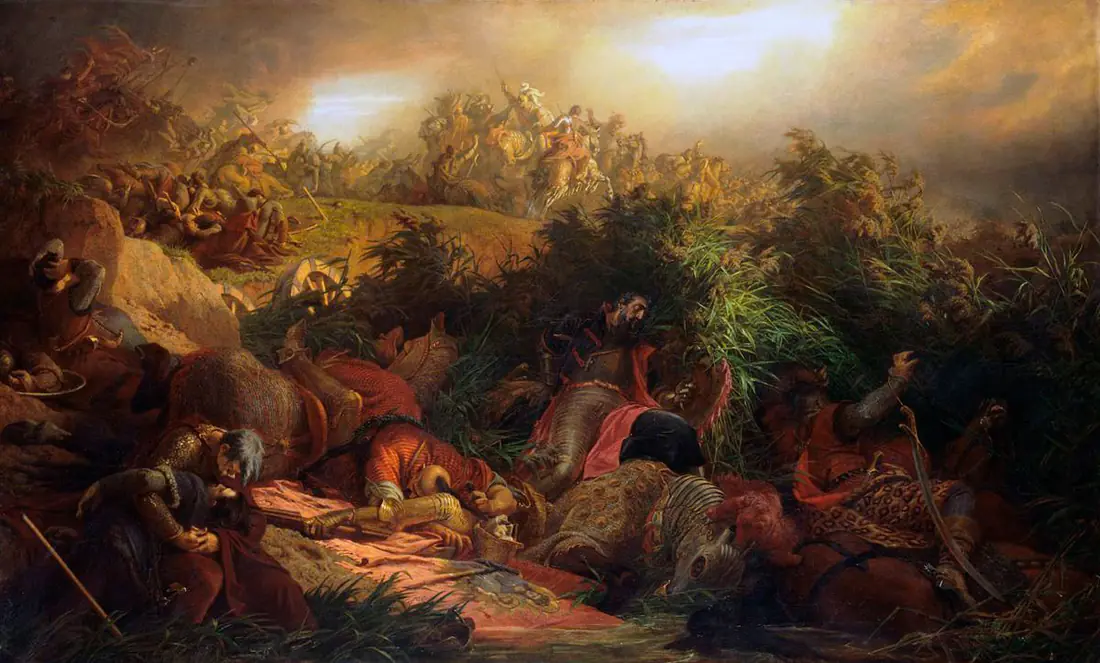
The Hungarian summer of 1526 baked the Great Alföld, a vast, flat plain stretching for miles, broken only by low hills and the slow, meandering Danube. Near the town of Mohács, the air hung thick and heavy, smelling of dry earth and the distant smoke of campfires. For weeks, the Ottoman army, an immense force under Sultan Suleiman the Magnificent, had been moving steadily north from Belgrade, a slow, unstoppable tide of men and matériel. Their advance was meticulously planned, each day’s march ending with the construction of a fortified camp, a temporary city rising from the dust. This was not a desperate dash but a deliberate, methodical expansion of an empire that had been pushing into Europe for over a century.
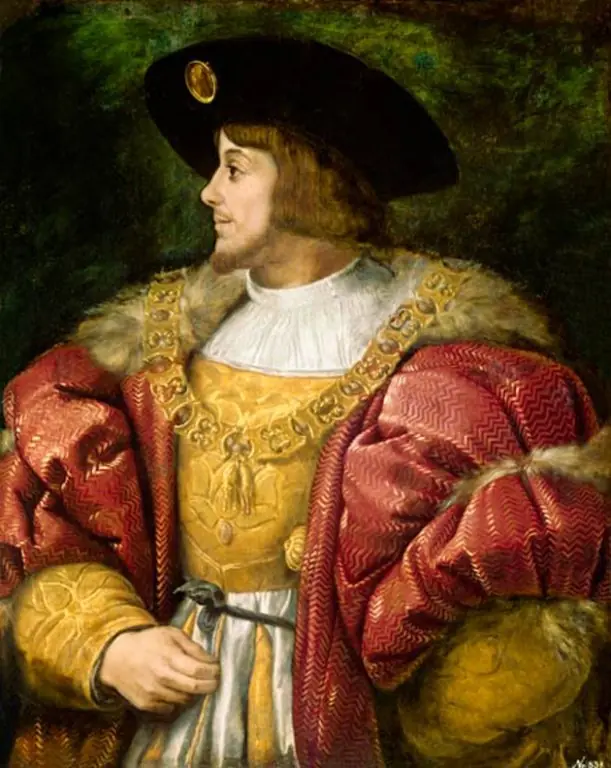
Opposing them, King Louis II of Hungary and Bohemia, a young man barely twenty, had gathered what forces he could. His kingdom, weakened by internal squabbles and a nobility more interested in personal power than national defense, fielded an army far smaller and less organized. They camped on the plain, a less disciplined sprawl than the Ottoman precision, the ordinary sounds of men and horses echoing across the fields – the clatter of armor, the braying of mules, the low murmur of conversations in Hungarian, German, Czech, and Polish. The sky was a vast, indifferent blue, the sun climbing higher each day, beating down on men who knew, with increasing certainty, that their world was about to change.
On August 29, the air thrummed with a different kind of tension. The Hungarians, perhaps 25,000 strong, faced an Ottoman force estimated at 60,000 to 80,000, including the elite Janissaries and a formidable artillery train. Louis, advised by his generals, decided on a bold, desperate charge. The plan: strike the Ottoman center before they could fully deploy their superior numbers and cannons. Around 3 PM, the Hungarian heavy cavalry, a thunderous wave of armored knights, crashed into the Ottoman lines. For a brief, terrifying moment, it seemed they might break through.
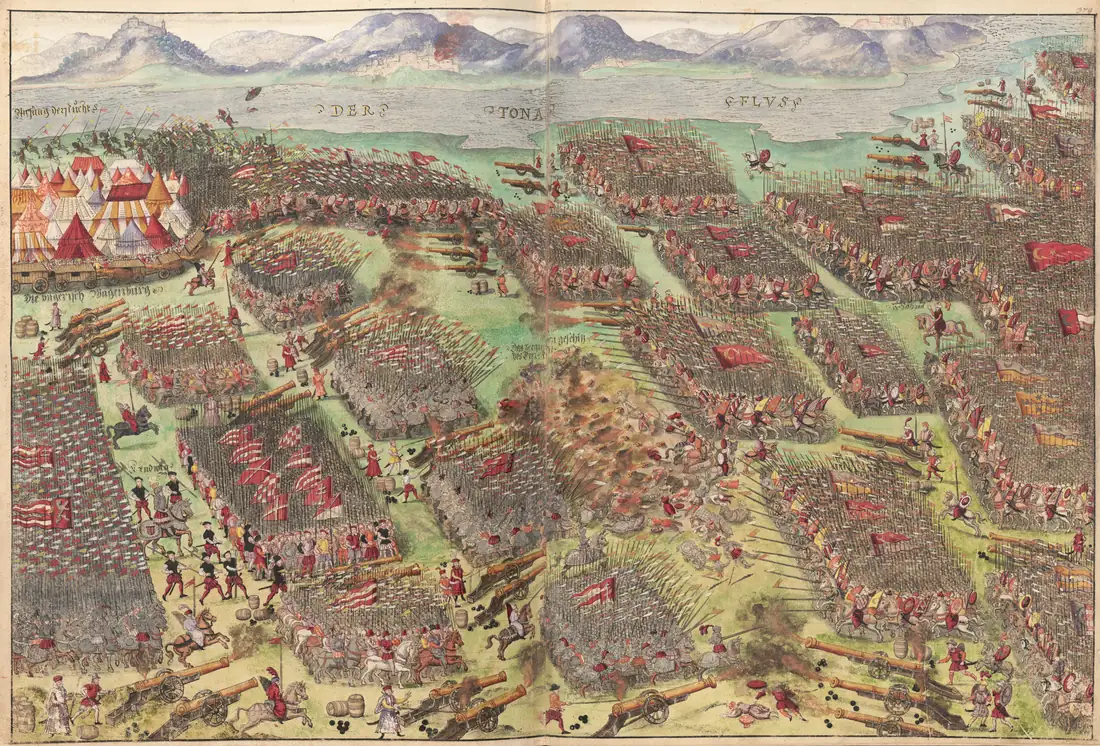
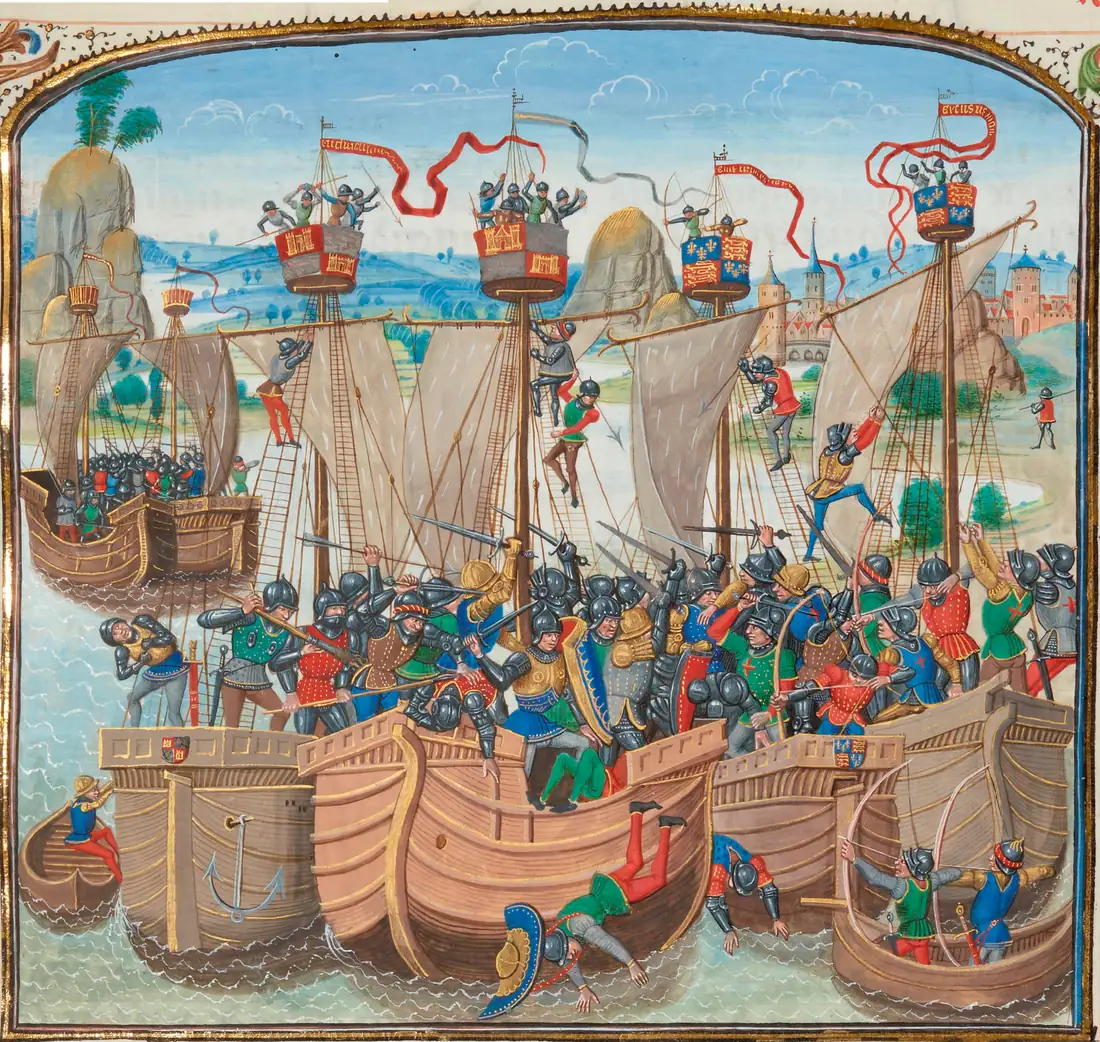
But the Ottoman army was not merely large; it was a sophisticated war machine. As the Hungarian cavalry surged, the Janissaries, arrayed in tight ranks, unleashed volleys of musket fire. Behind them, the Ottoman artillery, expertly handled, opened up, tearing horrific gaps in the charging lines. The Hungarian advance faltered, then dissolved into chaos. The battle, from the first charge to the rout, lasted barely two hours. It was a swift, brutal, and utterly decisive defeat.
King Louis II, attempting to flee the carnage, found himself in the marshy ground near the Csele stream. Weighted down by his heavy armor, his horse stumbled, throwing him into the bog. He drowned, a king ending his reign not in heroic combat but in a muddy ditch, a tragic, inglorious end to the last Jagiellonian monarch of Hungary. His body was found days later, a grim testament to the swiftness and completeness of the disaster.
The Battle of Mohács was more than just a military defeat; it was the end of an era. The Kingdom of Hungary ceased to exist as an independent power. Its lands were carved up, with the central portion falling under direct Ottoman rule for the next 150 years, while the western and northern territories passed to the Habsburgs, setting the stage for centuries of European power struggles. The ordinary dust of the Hungarian plain, churned by thousands of hooves and stained by blood, became the silent witness to a geopolitical earthquake. What had looked like a hot summer day in a familiar landscape was, in fact, the moment central Europe fractured.