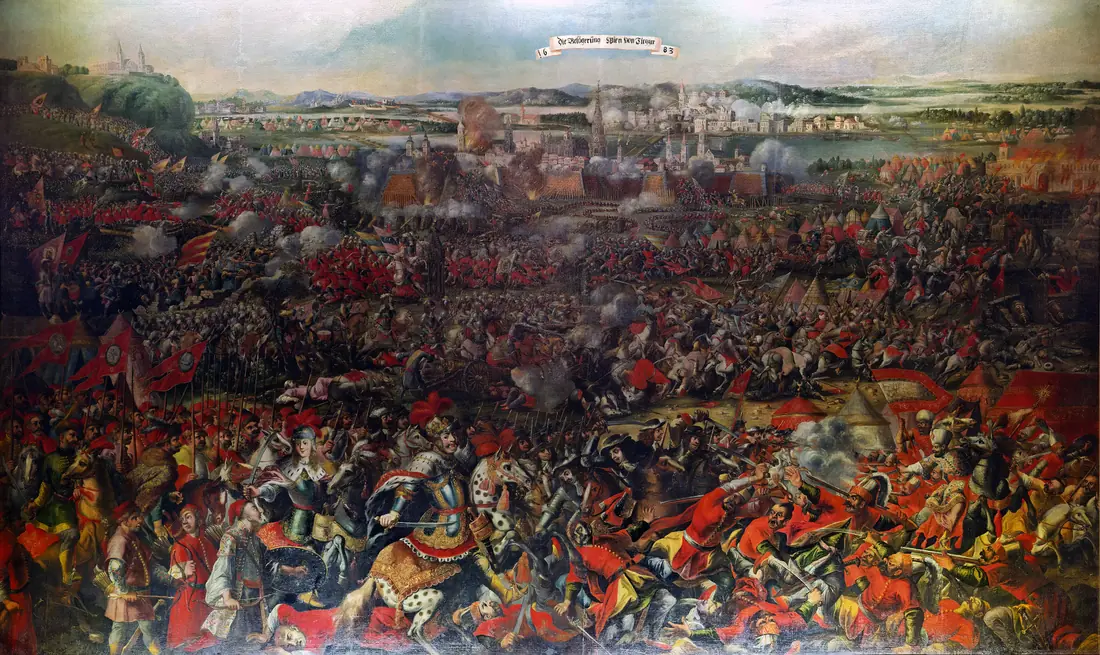
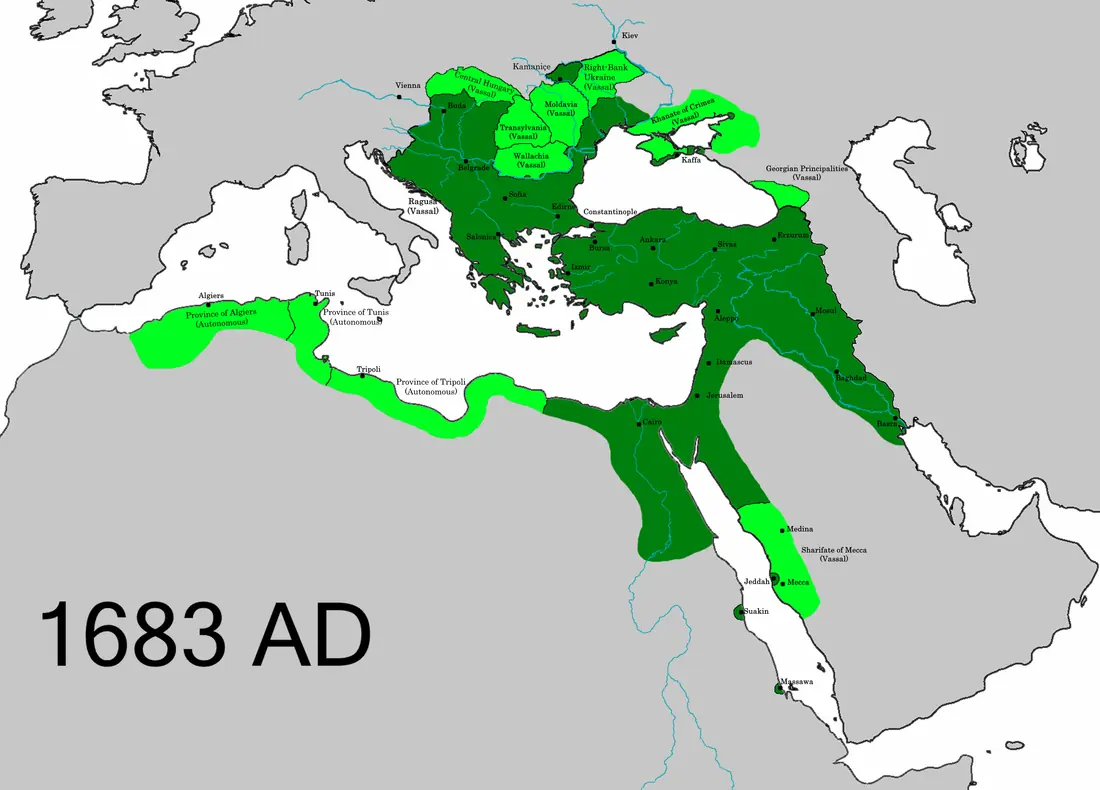
By early September 1683 the Ottoman Empire controlled most of Hungary and threatened the Habsburg capital, Vienna. The Ottoman army, commanded by Grand Vizier Kara Mustafa, had assembled about 90,000 men, including Janissaries, Sipahi cavalry and auxiliary troops from the Crimean Khanate. The Holy Roman Empire and its allies fielded roughly 70,000 soldiers: 15,000 Imperial troops under Emperor Leopold I, 20,000 Polish, Lithuanian forces led by King John III Sobieski, and 35,000 German and Hungarian units commanded by Charles V, Duke of Lorraine. The siege began on July 14 and the city’s walls, though damaged, held enough defenders to delay the attackers for weeks.
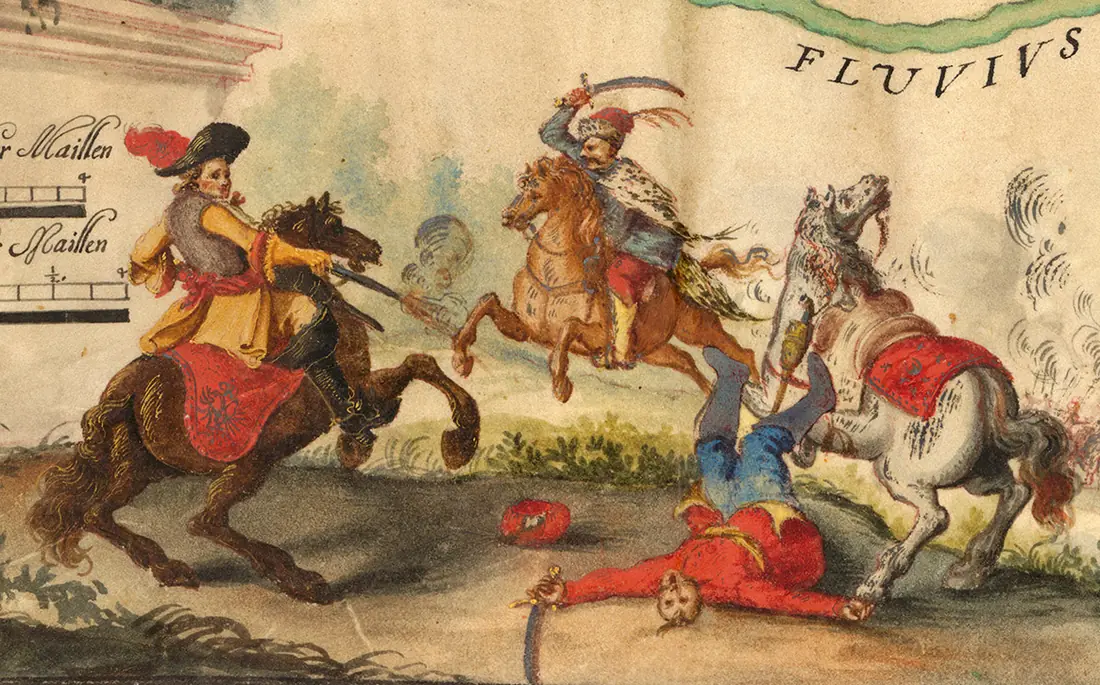
Common belief holds that the battle was decided solely by the famous Polish cavalry charge. Contemporary Ottoman reports and modern military analyses show that the decisive factor was the coordinated use of infantry, artillery and cavalry by the allied forces. Sobieski’s plan placed his winged hussars on the left flank while the Imperial infantry advanced in tight lines, supported by field guns that suppressed Ottoman artillery. When the allied infantry breached the outer Ottoman works, the hussars executed a rapid downhill charge that broke the enemy’s centre. The Ottoman command structure collapsed, and Kara Mustafa fled the field.
Casualties numbered about 15,000 for the Ottomans and 5,000 for the allies, according to the 1684 Imperial report. The loss forced the Ottoman Empire to abandon its siege and retreat to Hungary, where they suffered further defeats at the battles of Zenta (1697) and further losses in the Great Turkish War. The victory secured Vienna and halted Ottoman expansion into Central Europe for the next century. It also elevated Sobieski’s reputation, leading to a formal alliance between Poland and the Habsburgs, and encouraged the Holy Roman Empire to pursue a more aggressive policy against the Ottomans in subsequent treaties.
The battle’s outcome reshaped the geopolitical map of Europe. The Habsburgs retained control of Hungary and reclaimed territories lost after the 1526 Battle of Mohács. The Ottoman Empire entered a period of internal reform and military decline, while the Holy Roman Empire consolidated its influence in the German lands. The siege’s failure marked the end of the Ottoman’s westward push and set the stage for the eventual Treaty of Karlowitz in 1699, which formally recognized the Habsburgs’ gains.
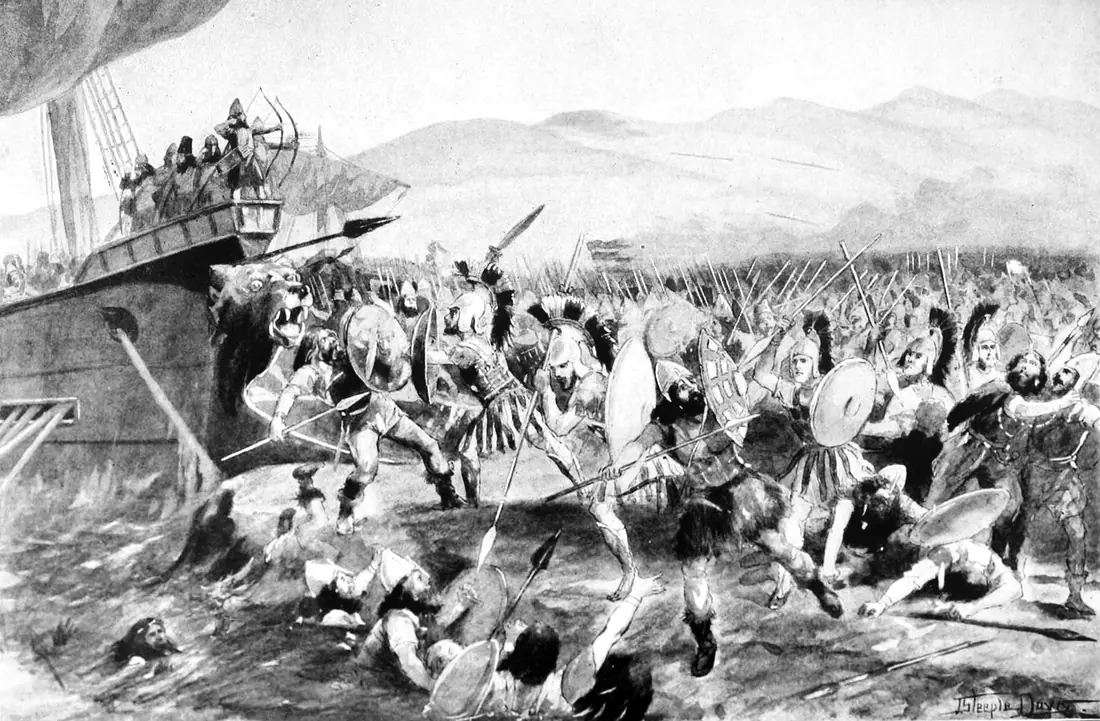
The Athenian army, reinforced by a thousand Plataean hoplites, confronted a Persian expeditionary force on the plain of Marathon.
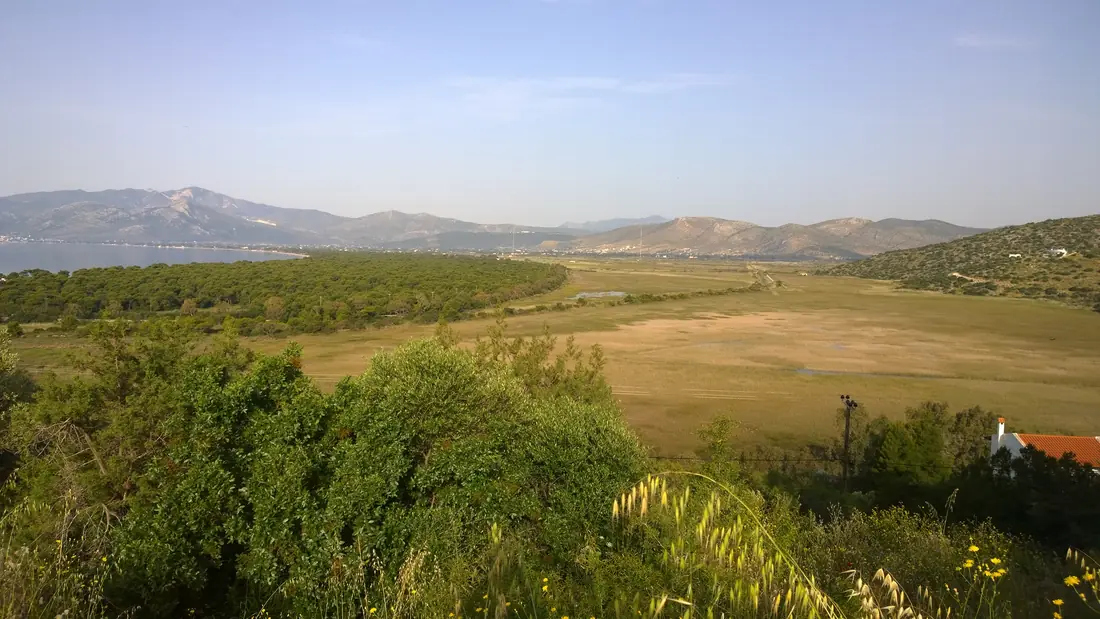
Herodotus records that the Persians landed near the town of Marathon on the east coast of Attica with an estimated strength of twenty‑five thousand infantry and several thousand cavalry. Their objective was to punish Athens for supporting the Ionian revolt and to secure a foothold for further operations.
The Athenian assembly at the Pnyx elected Miltiades as commander and ordered a rapid march of roughly twenty‑six miles from Athens to the battlefield. The hoplite force numbered about ten thousand men, organized into a dense phalanx with long spears and large shields. The Plataeans, bound by a formal alliance, added one thousand troops to the right flank.
At dawn the Athenians arrived and positioned themselves with the sea at their backs, a ridge protecting their left, and the plain open in front. Miltiades deployed the centre in standard depth while thinning the flanks, a tactic intended to draw the Persians forward. The Persian commander, Datis, arranged his archers and cavalry in front of the infantry, hoping to overwhelm the Greeks with missile fire.
When the battle began the Greeks advanced at a steady pace, closing the distance before the Persian arrows could cause significant casualties. Upon contact the Athenian centre pushed forward, while the weakened Greek flanks fell back deliberately, creating a gap that the Persians attempted to exploit. The Persian infantry entered the gap but found themselves surrounded by the dense Athenian phalanx on three sides.
Within an hour the Persian line collapsed; the cavalry fled towards the ships, and the infantry retreated in disorder. Herodotus gives the Greek casualties as approximately two hundred dead, while Persian losses are estimated at six thousand killed and many more captured.
After the battle the Athenians sent a messenger, later called Pheidippides, to Sparta, requesting assistance. The Spartans, bound by a religious prohibition against fighting before the full moon, could not depart until the following day. The immediate result was that the Persian fleet, unable to land troops, withdrew to the island of Salamis.
The victory at Marathon secured the independence of Athens for the remainder of the first Persian invasion, demonstrated that a citizen militia could defeat a professional empire, and encouraged the development of the Athenian navy that would later dominate the Aegean.
The commercial charter that sent the Halve Maen to the Atlantic was granted by the Dutch East India Company in June 1609 to find a route to the Pacific that avoided the Spanish and Portuguese monopoly. The company’s directors chose Henry Hudson, a seasoned English navigator, because his 1607 attempt to reach the Arctic had demonstrated skill in handling a small, shallow‑draft vessel. Hudson’s contract required him to return with any new lands that could be claimed for the United Provinces and with information about a possible Northwest Passage.
Hudson left Amsterdam on 28 May 1609, crossed the Atlantic, and entered the mouth of a large river on 6 September. The river, later named after him, stretched inland for more than 150 miles before the expedition turned back at present‑day Troy, New York, where the crew reported a narrow, tidal estuary and dense forests. Of the 30 men who set out, only 24 survived the return voyage; six died from scurvy and exposure during the winter stay.
The popular story that Hudson discovered the Hudson River as a direct passage to the Pacific is inaccurate. The river’s flow and the surrounding terrain made a continuous waterway to the Pacific impossible. Contemporary Dutch maps show that Hudson’s team measured the river’s width at about 300 meters and noted strong currents, confirming that it was a tributary rather than a continental channel. The expedition’s real contribution was the detailed chart of the river’s lower reaches, which the company used to claim the surrounding area for trade.
The voyage altered Dutch colonial strategy. Before 1609 the United Provinces focused on Asian spice trade; after Hudson’s report the company invested in fur trading posts along the river, establishing a foothold that later developed into the colony of New Netherland. The claim also forced the English to reconsider their own North American ambitions, eventually leading to the 1664 surrender of New Netherland to England. Hudson’s 1609 expedition thus provided the geographic knowledge that redirected Dutch imperial policy from Asian commerce to North American fur trade, a shift that shaped the economic history of the region for decades.
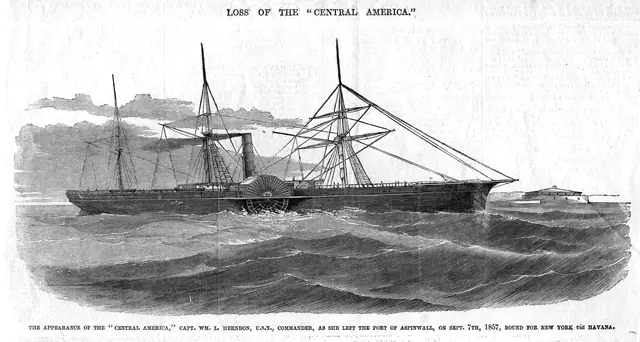
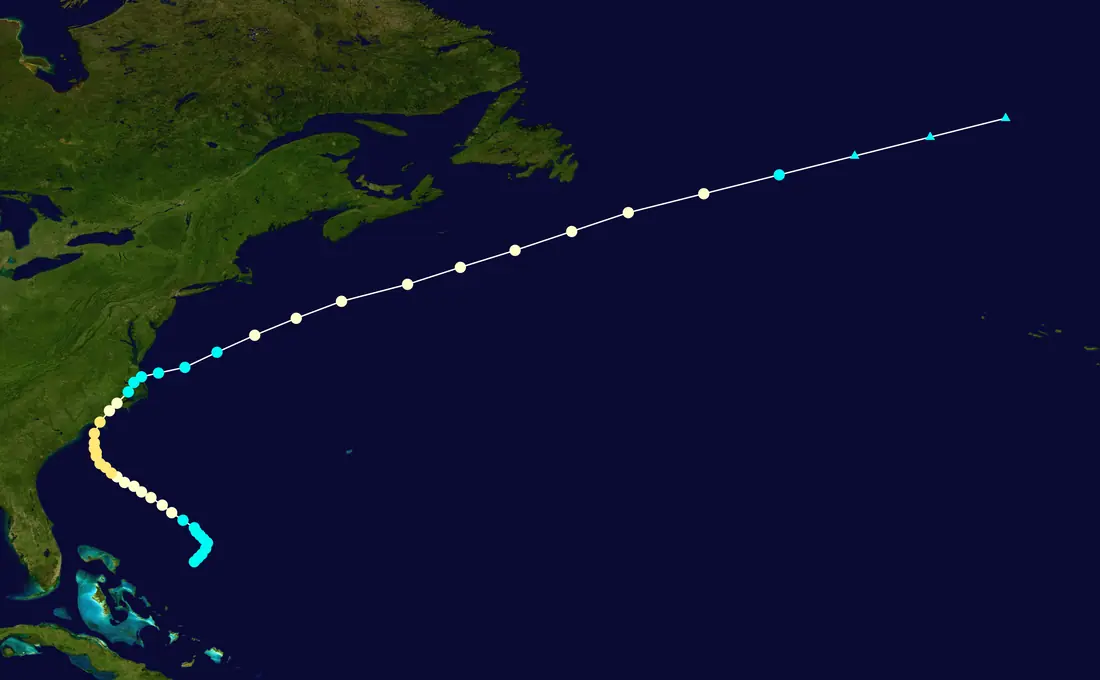
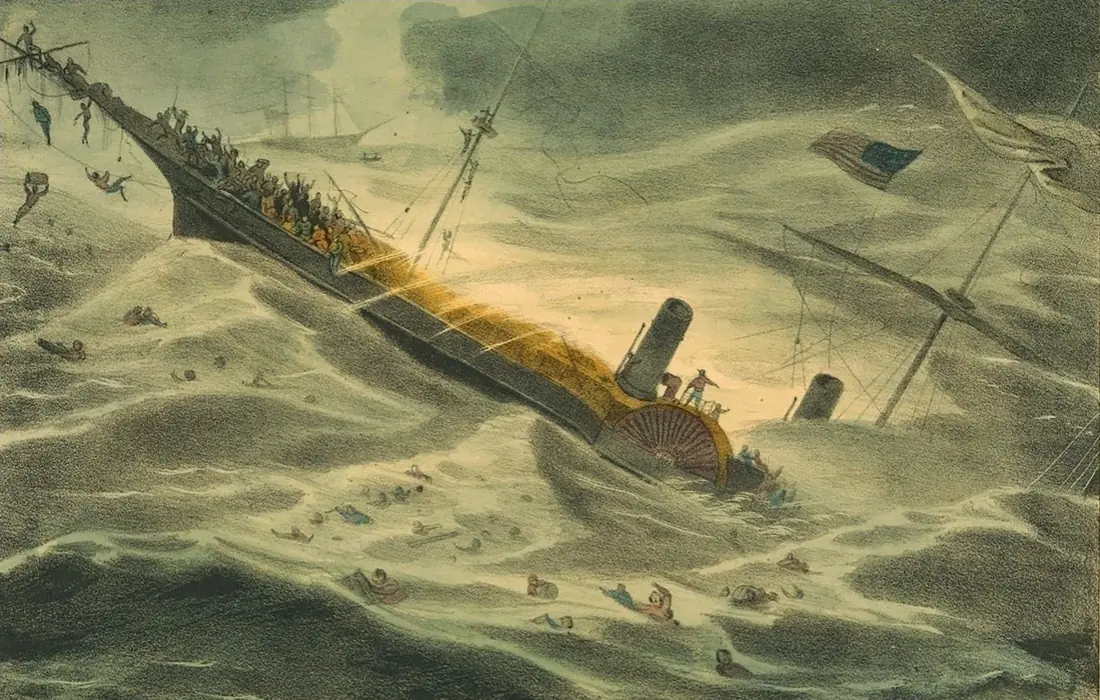
The sidewheel steamer SS Central America sank on September 12, 1857 while crossing the Atlantic off Cape Hatteras, killing 426 of the 578 people aboard. The ship was built in 1853 for the United States Mail Steamship Company and was carrying 30,000 gold dollars from the California gold rush, a cargo worth about $2 million at the time.
Captain William Lewis Herndon commanded the vessel. He had previously captained several mail steamers and was responsible for navigating the ship according to the prevailing weather reports. When a hurricane intensified on the night of September 11, Herndon ordered the helm to be turned to avoid the storm’s eye, a decision recorded in his logbook. The storm’s force overwhelmed the ship’s paddle wheels and caused the hull to leak faster than the pumps could clear water.
Chief Engineer John A. Jones supervised the steam plant. Jones reported that the boilers began to lose pressure as seawater entered the fireboxes, forcing him to shut down the engines at 02:00 a.m. on September 12. With the engines off, the ship drifted helplessly into the hurricane’s strongest winds. The crew attempted to launch lifeboats, but the storm tossed them away. Of the 12 lifeboats, only three were recovered by nearby vessels.
Among the passengers was John S. Mosby, a 29‑year‑old merchant who owned a shipment of gold bars for the U.S. Treasury. Mosby’s manifest listed 30,000 gold dollars in 12 sealed crates. The loss of this gold disrupted the Treasury’s ability to redeem paper currency on the East Coast, prompting a temporary suspension of some banknotes until the gold could be recovered from the wreck.
The United States government sent the revenue cutter USRC Rescue to the scene. Rescue’s commander, Lieutenant James G. Murray, documented that the cutter saved 152 survivors, many of whom were women and children. Lieutenant Murray also reported that the wreck lay in 20 feet of water, making immediate salvage impossible.
In the weeks after the disaster, the loss of the gold prompted the Treasury Department to revise its policy on transporting large sums by sea. Future shipments were required to travel in convoys escorted by naval vessels, a regulation that remained in effect until the development of transcontinental railroads reduced reliance on maritime gold transport. The sinking also contributed to improvements in ship design, leading to stronger hulls and more reliable bilge pumps in later steamers.
Captain Herndon and Chief Engineer Jones perished, and their deaths were recorded in contemporary newspapers as examples of professional duty under extreme conditions. The SS Central America remains a case study in how weather, engineering limits, and cargo value intersected to produce one of the deadliest maritime losses of the 19th century.
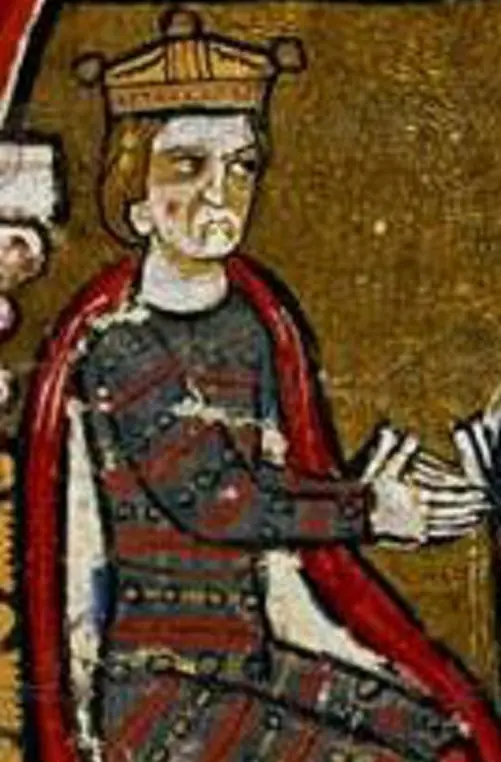
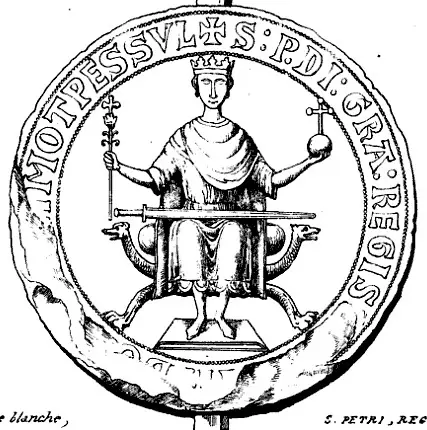
King Peter II of Aragon died on the battlefield of Muret while leading a coalition of southern French lords against the forces of the French Crown. The clash was part of the Albigensian Crusade, a campaign launched by Pope Innocent III to eliminate the Cathar heresy in the Languedoc region. Peter had answered the call of his vassal Count Raymond VI of Toulouse, hoping to protect his southern allies and to maintain Aragonese influence across the Pyrenees.
The French army, commanded by Simon de Montfort, numbered roughly 1,400 men, including heavy cavalry and disciplined infantry. Peter's force was smaller, perhaps 800 men, and relied heavily on mounted knights who were expected to break enemy lines by charge. The terrain around Muret was open plain intersected by a shallow stream, which limited the ability of the Aragonese cavalry to maneuver. Peter ordered a direct assault without waiting for his infantry to form a supporting line, a decision recorded in contemporary chronicles as a breach of standard medieval tactics.
During the charge, the French knights formed a defensive spear wall that repelled the Aragonese horsemen. Peter was unhorsed by a lance and killed on the spot; the chronicler Peter of Vaux-de-Cernay notes that his body was left on the field. Casualties among Peter's troops were heavy, with estimates of 600 killed or captured, while French losses were under 100. The defeat eliminated the immediate military threat to the French Crown in the south and secured Montfort's control over the County of Toulouse.
Peter's death triggered a succession crisis in Aragon. His only son, James I, was twelve years old and unable to assume full authority. The Aragonese nobility elected a regency council led by Peter's brother, the future King James I's mother, Maria of Montpellier, and the influential noble Guillem de Montcada. The council had to negotiate with Philip II of France, who demanded tribute and recognition of French suzerainty over the contested territories. The resulting treaties, notably the Treaty of Corbeil in 1258, formalized the loss of Aragonese claims north of the Pyrenees and reshaped the political map of the western Mediterranean. The shift reduced the Crown of Aragon's capacity to intervene in French affairs for the next two centuries, concentrating its power on the Iberian Peninsula and the Mediterranean islands.
The death of Peter II therefore altered the balance of power between France and Aragon, forced a minor king into a regency, and set the stage for long‑term territorial adjustments that affected hundreds of thousands of subjects in both realms.