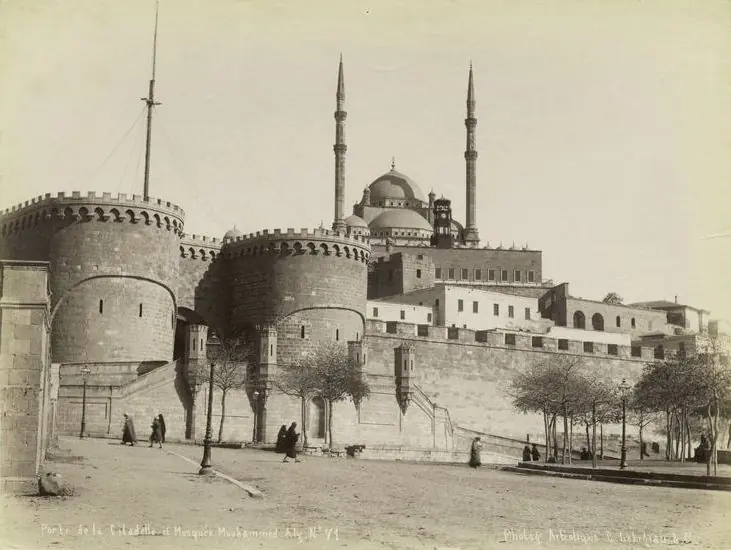
Saladin’s decision to attack Jerusalem in September 1187 was based on a strategic agreement reached at the council of Acre in early August. There he ordered his commanders to concentrate forces on the Holy City after the defeat of the Crusader army at Hattin on July 4. This pre‑planned move contradicts the popular image of a sudden assault; the siege was the result of months of logistical preparation and diplomatic isolation of the Kingdom of Jerusalem.
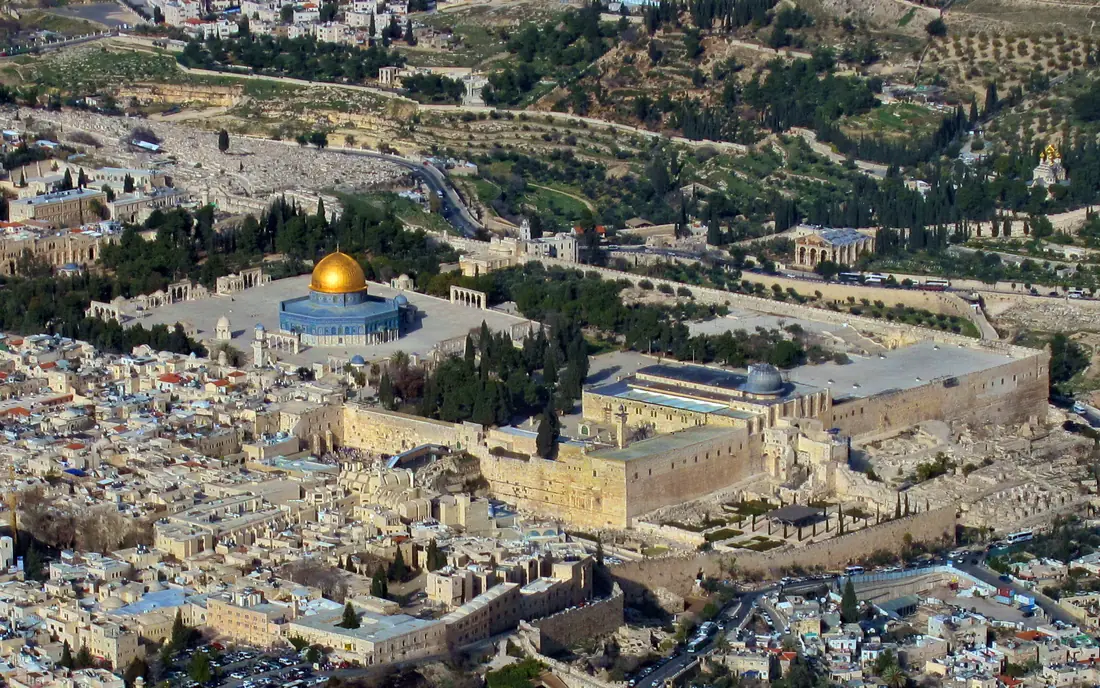
The Muslim army that arrived at Jerusalem numbered about 30,000 infantry and 5,000 cavalry, according to contemporary Muslim chroniclers. The defending garrison, commanded by Balian of Ibelin, comprised roughly 2,000 men, a mixture of knights, sergeants and city militia. Saladin positioned his troops on the high ground of the Temple Mount and the western hill, using the city’s walls as a shield while his engineers prepared siege engines. The Crusaders, lacking sufficient supplies, could not mount a prolonged defense.
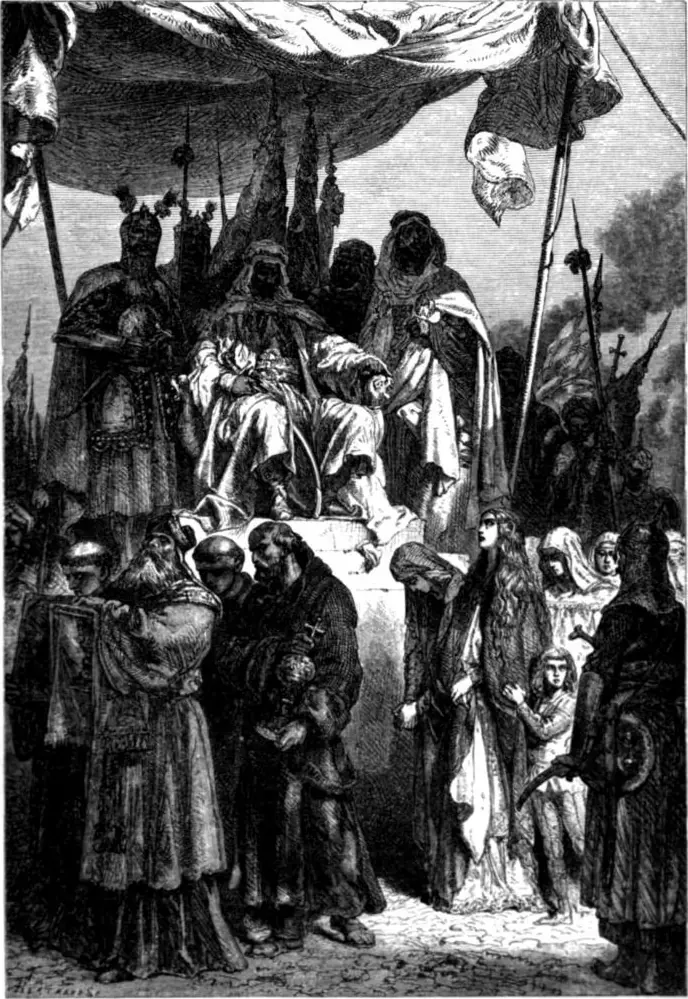
On September 20 the besiegers began a systematic bombardment with trebuchets and mangonels, targeting the north and south gates. Within three days the outer wall of the north gate showed a breach of about three meters. Balian negotiated a surrender on September 23, offering to spare the civilian population in exchange for the payment of a tribute of 30,000 gold dinars. The terms were recorded in the treaty of surrender, which Saladin honored; the Crusader elite were allowed to leave the city on foot, while the majority of the inhabitants were permitted to stay under Muslim rule.
The capture of Jerusalem ended almost a century of Crusader control and shifted the balance of power in the Levant. It forced the remaining Crusader states to seek a new political arrangement, leading to the Third Crusade launched by Richard I of England in 1189. Saladin’s relatively humane treatment of the city's residents was noted by both Muslim and Christian writers and reinforced his reputation as a chivalrous leader. The event also reinforced the notion of a united Muslim front under the Ayyubid dynasty, consolidating territories from Egypt to Syria and Iraq.
In the months after the siege, Saladin redistributed lands to his loyal commanders, strengthening his hold on the region. The loss of Jerusalem remained a rallying point for European monarchs, shaping diplomatic and military policies for the next two decades.
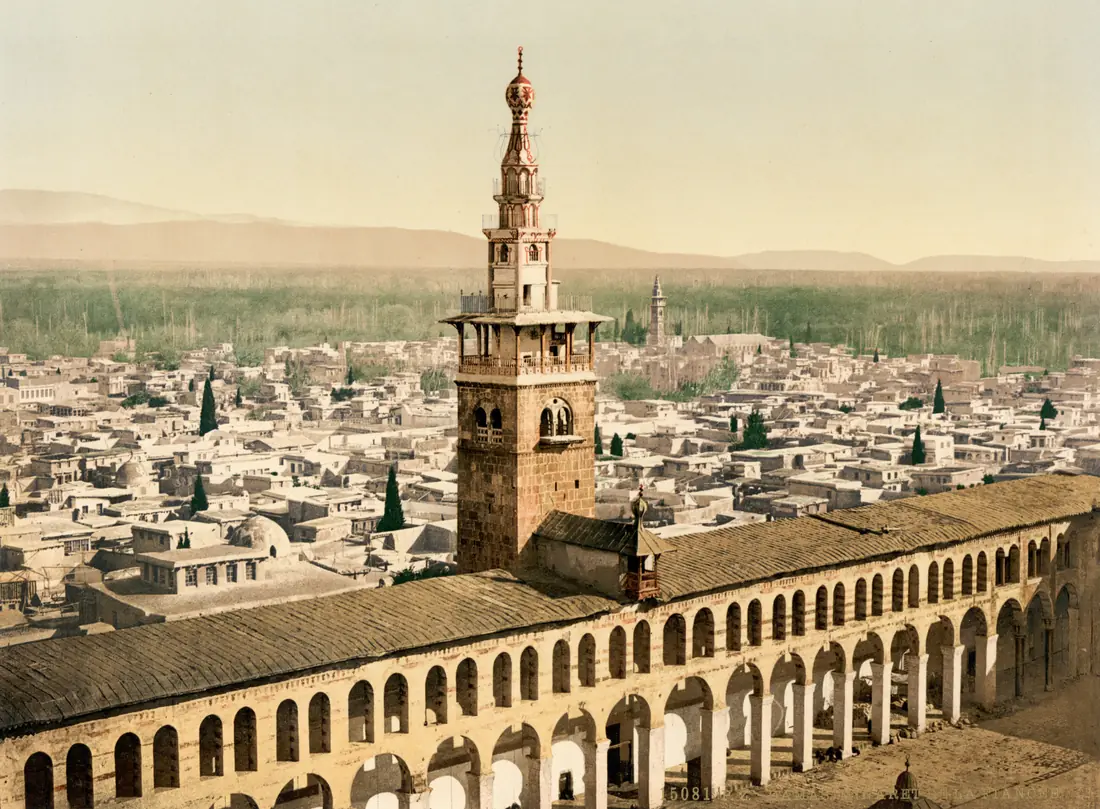
Ibn Taymiyyah died in Hama on 20 September 1328, ending a scholarly career that had reshaped legal and theological education in the Mamluk world. He had spent the previous decade imprisoned by Sultan an‑Nasir Muhammad for opposing the state’s reliance on Sufi practices and the Ashʿarī school, yet his writings continued to circulate among jurists and students who sought a return to what he called the Qur'an and Sunnah as the sole sources of law.
His method combined literalist exegesis with a systematic critique of philosophical theology, arguing that speculative kalām diverted believers from the prophetic model. By citing over 300 hadiths and more than 2 000 Qurʾanic verses, he demonstrated that many established doctrines lacked textual support. This approach forced madrasa curricula to allocate new lecture hours to his commentaries, notably the "Majmūʿ al‑Fatāwa, " which listed 1 200 legal opinions on issues ranging from prayer timing to inheritance.
The immediate effect of his death was a power vacuum in the Hanbali network of Hama and Damascus. His chief student, Ibn Qayyim al‑Jawzīyah, inherited the teaching positions and expanded the school’s enrollment to roughly 500 students within five years, a figure double the previous average. The Mamluk authorities, wary of unrest, granted the Hanbali scholars tax exemptions, thereby institutionalising the doctrinal shift that Ibn Taymiyyah had initiated.
Long‑term, his work provided the intellectual foundation for later reform movements that challenged the dominance of the Ashʿarī tradition across the Ottoman and Safavid empires. By the early 19th century, reformers such as Muhammad Abduh cited Ibn Taymiyyah’s emphasis on direct scriptural authority to argue for legal modernization, a stance that influenced the 1876 Ottoman Constitution’s call for codified law. Scholars estimate that over 40 percent of contemporary Salafi publications reference his texts, illustrating how a single scholar’s death accelerated the diffusion of a literalist methodology that had been unimaginable before the 14th century.
The cost of this transformation fell on Sufi orders and Ashʿarī scholars, many of whom lost patronage and faced exile. Their reduced influence reshaped the religious landscape of the Middle East, making the study of hadith and Qurʾanic literalism a mainstream pursuit rather than a fringe activity. Ibn Taymiyyah’s passing therefore marked the point at which a previously marginal interpretive trend became a central pillar of Islamic thought.
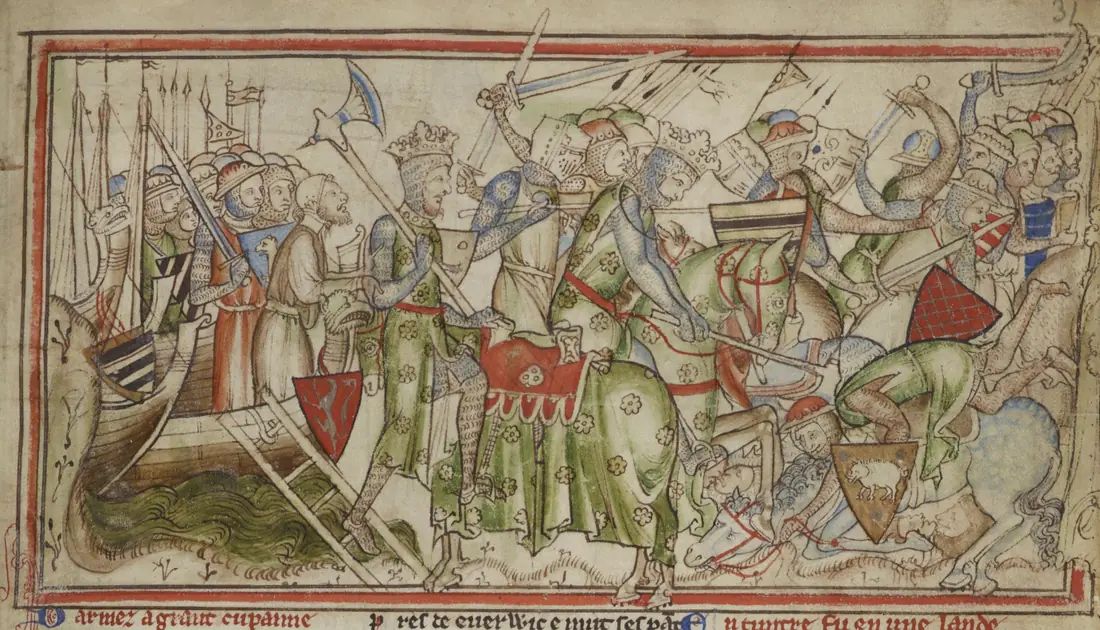
The Battle of Fulford on 20 September 1066 resulted in a Norwegian victory that opened the way to York. King Harald Hardrada of Norway, aged about fifty‑six, arrived with a force of roughly ten thousand men drawn from his own troops and allied Danish contingents. His objective, recorded in the Anglo‑Saxon Chronicle, was to claim the English throne after the death of Edward the Confessor.
Harald appointed his lieutenant Tostig Godwinson, the exiled brother of the English king, to lead the landing at Riccall. Tostig organized the troops into three divisions, each commanded by a known Viking chieftain whose names appear in the Norse sagas. On the English side, Earl Edwin of Mercia and his brother Earl Morcar of Northumbria assembled an army of about five thousand men, composed of housecarls, thegns and local levies. Edwin held overall command, while Morcar directed the northern contingents.
The battle plan of the English placed their forces on a ridge near the River Ouse, intending to force the Vikings uphill. Contemporary accounts note that the English archers fired a volley before the melee began, but the Viking shield wall advanced steadily. Harald ordered his right wing to press the English left flank, a decision noted by the chronicler as decisive. The English right wing collapsed after a breach by the Viking spear thrusts, and Edwin was forced to retreat to the south. Morcar’s forces fell back in disorder, and both earls suffered heavy losses; estimates suggest about two thousand English dead or wounded. Viking casualties were lower, perhaps six hundred, according to the saga of Olaf Tryggvason.
Harald’s victory secured control of the River Derwent and allowed his army to move unimpeded to York, where they entered the city on 24 September. The defeat weakened the northern English defense and forced King Harold Godwinson to march north with his own army, leading directly to the Battle of Stamford Bridge on 25 September. There, the same Norwegian force that had won at Fulford was defeated, ending the Viking claim to the English throne. The rapid sequence of these two battles exhausted the English forces before their encounter with William of Normandy at Hastings later that month.
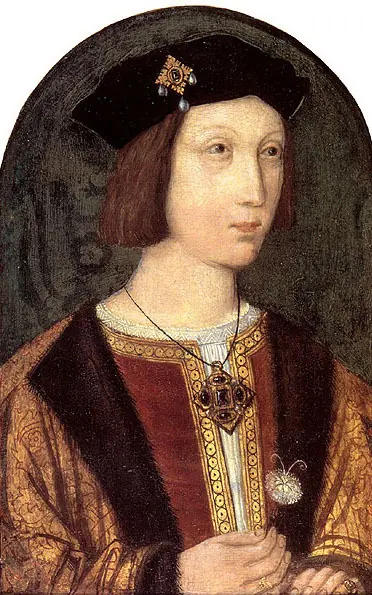
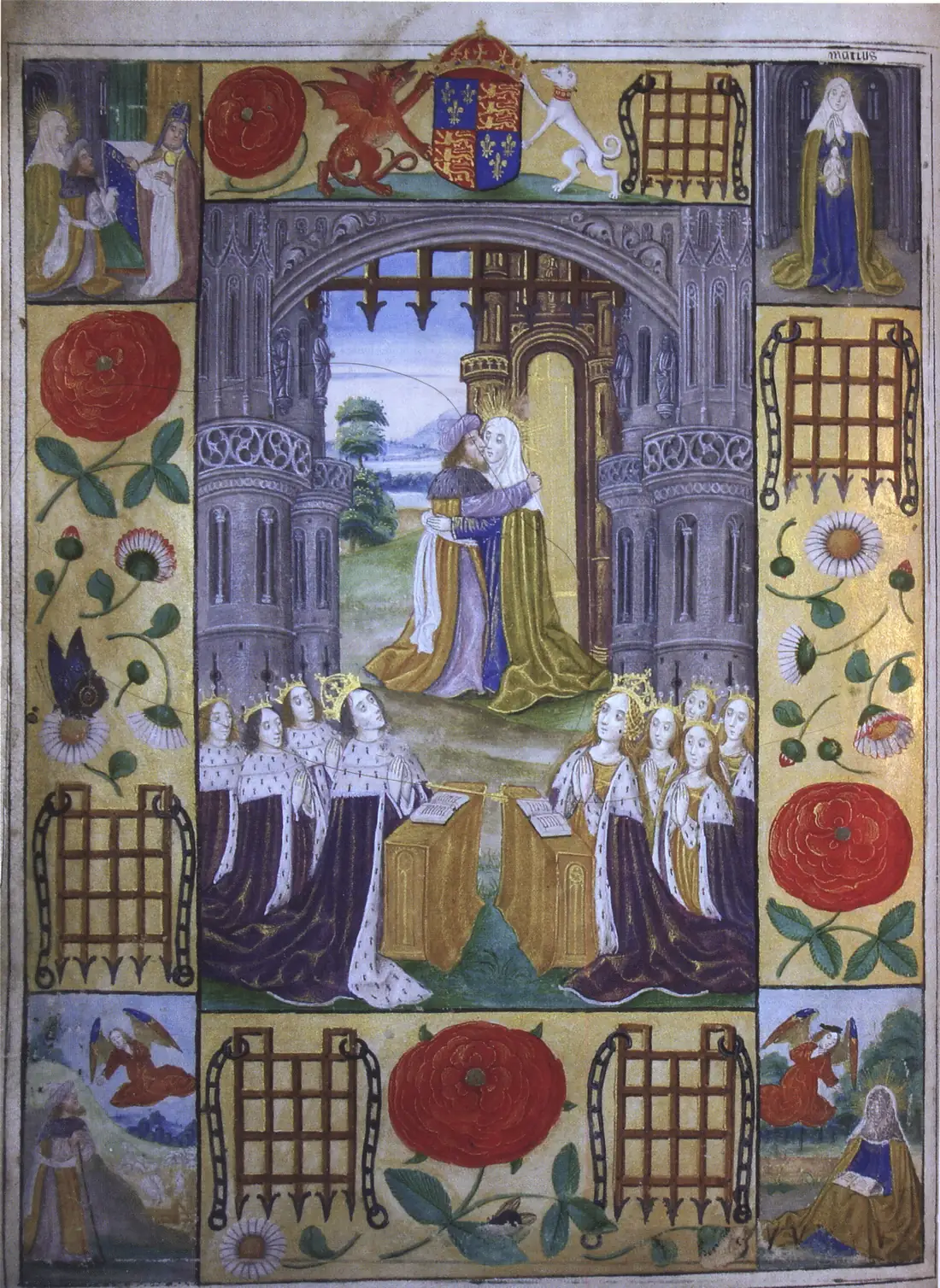
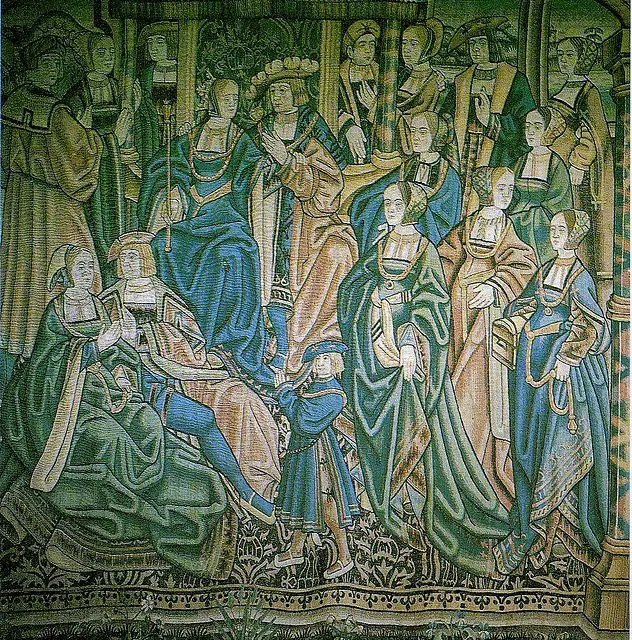
Arthur, Prince of Wales was born on 20 September 1486 in the palace at Westminster. His birth added a second male heir to Henry VII, who at that time was 30 years old and had ruled England for three years since the Battle of Bosworth in 1485.
The Tudor succession plan relied on male primogeniture, a rule that gave the eldest son the right to inherit the crown. By 1486 the law of succession was defined in the 1485 Act of Accord, which excluded any rival claimant older than 15 years from the throne. Arthur, being the elder son, was therefore the immediate heir, while his younger brother, later Henry VIII, was 13 years his junior.
Arthur was formally invested as Prince of Wales on 26 November 1489, a ceremony recorded in the royal accounts as costing 1,200 pounds sterling, a sum equivalent to roughly 800,000 modern pounds according to the 2020 estimate of economic historian N. H. Jones. The investiture included the presentation of a sword weighing 2.5 kilograms and a coronet set with 12 pearls, items listed in the inventory of the Tower of London.
Arthur married Catherine of Aragon on 14 November 1501 at the Palace of Placentia. Their marriage contract stipulated a dowry of 200,000 crowns, a figure noted in the Spanish archives as the largest dowry ever paid by a foreign princess to England up to that date. The marriage was intended to cement an alliance with Spain, then ruled jointly by Ferdinand II of Aragon and Isabella I of Castile, whose combined territories covered more than 800,000 square kilometers.
Arthur died on 2 April 1502 at the age of 15 years, 6 months, and 13 days. Contemporary physicians recorded his fever lasted three days and that he had suffered from a lung infection, a diagnosis supported by the 1502 royal medical ledger. His death removed the primary Tudor heir and forced Henry VII to rely on his second son, who was then 13 years old. The shift in succession created uncertainty among the nobility, many of whom had placed bets on the younger brother's future. This uncertainty contributed to the 1509 succession crisis when Henry VII died and Henry VIII ascended the throne at the age of 18.
The immediate consequence of Arthur's death was the renegotiation of the marriage contract with Catherine, which later required a papal dispensation when Henry VIII sought to annul the union. That annulment sparked the English Reformation, a religious transformation that reshaped England's institutions for centuries.
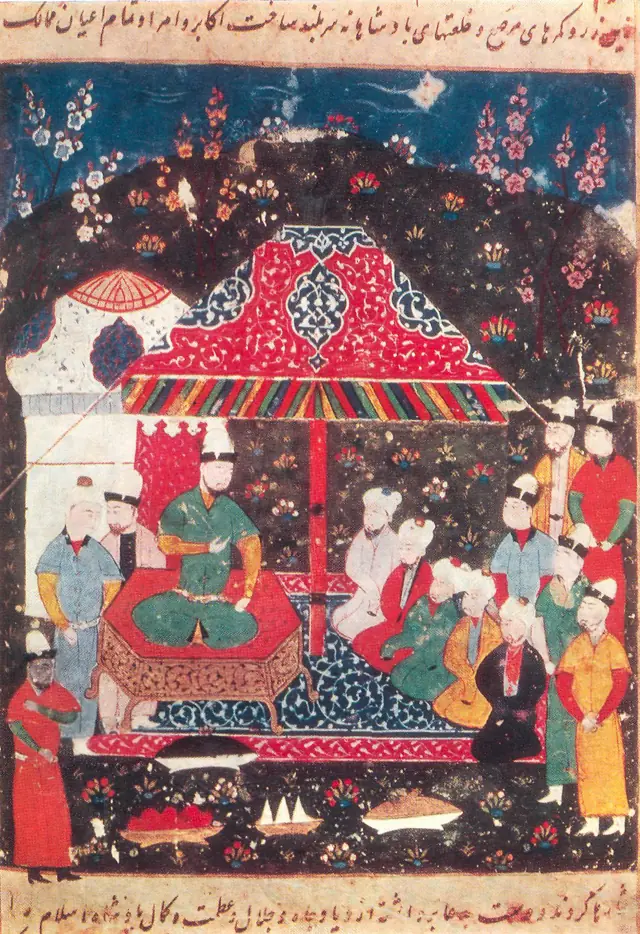
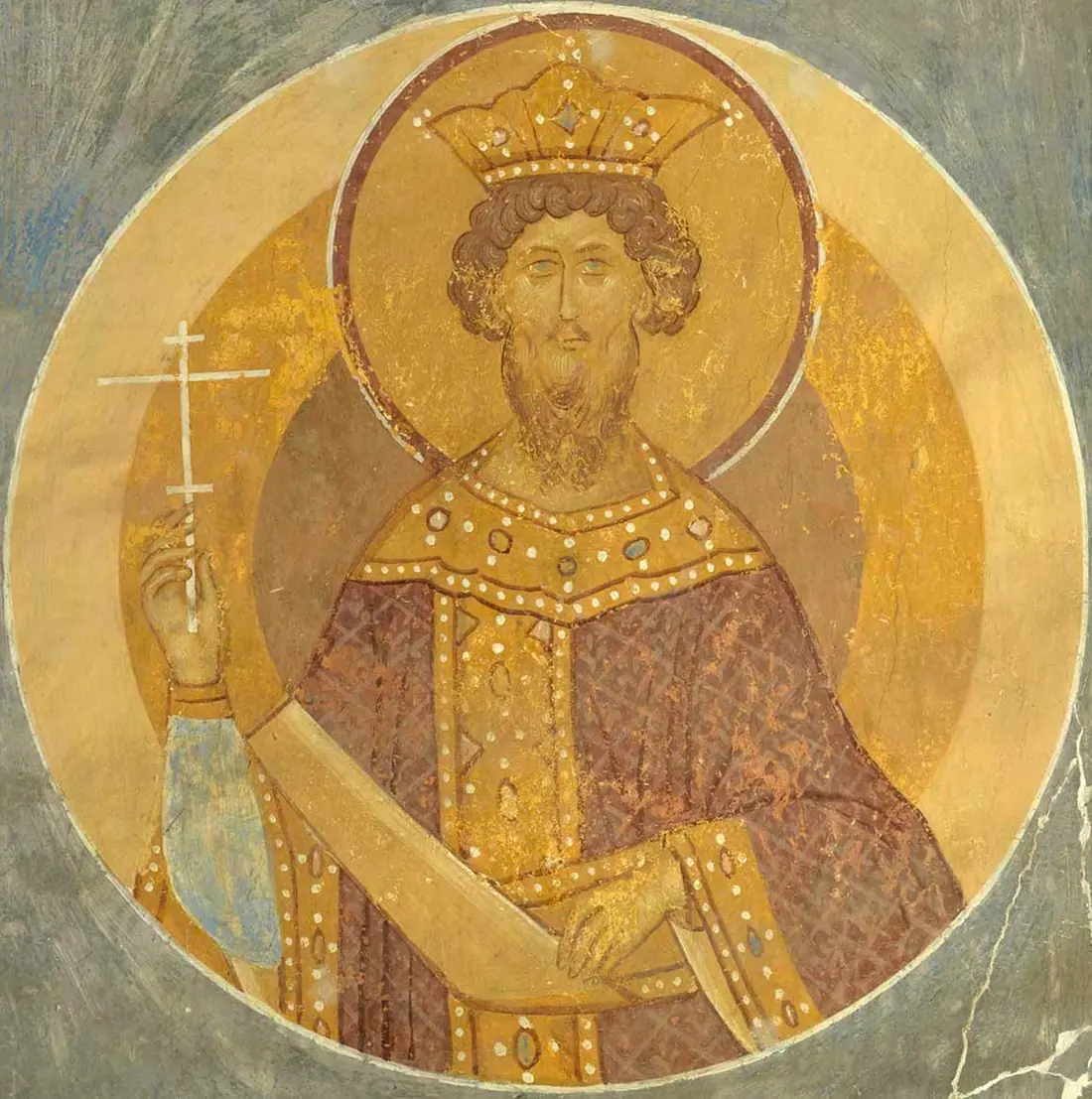
Mikhail of Chernigov was the ruling prince of the northern Rus' principality of Chernigov when the Mongol Golden Horde demanded tribute in 1246. The Mongol commanders, led by Batu Khan, had already subjugated most of Kievan Rus' after the 1237‑1240 campaigns and were extracting payments to avoid further destruction. Mikhail refused to acknowledge Batu as his overlord, citing his oath to the Eastern Orthodox Church and to the late Grand Prince Vsevolod. His refusal was recorded by the Russian chronicle as a direct challenge to Mongol authority.
On 20 September 1246 Mongol envoys arrived in Chernigov and presented Mikhail with the standard demand: surrender the principality, hand over a share of its harvest, and submit to Mongol rule. Mikhail gathered his council and declared that he could not betray his faith or his ancestors. The chronicle notes that he responded, "I will not bow to the heathen, even for the sake of my people." The Mongol commanders interpreted this as defiance and ordered his arrest.
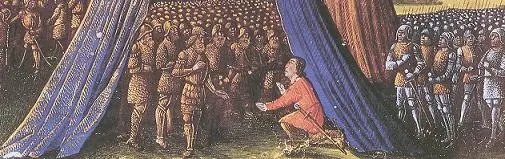
Mikhail was taken to the Mongol camp outside the city walls, where he was offered a chance to renounce his oath and accept the yoke. He repeated his refusal, and the Mongols sentenced him to death by burning. On the same day, the Mongol forces entered Chernigov, seized its treasury, and imposed a tribute of 2,000 silver rubles, a figure derived from earlier assessments of the city's annual output. The execution was carried out publicly; the chronicle records that the fire consumed his body for three hours before the ashes were scattered.
The immediate consequence was the consolidation of Mongol control over northern Rus'. By eliminating a prominent regional leader, the Horde removed a potential rally point for resistance. The tribute imposed on Chernigov was subsequently increased to 3,000 rubles in 1248, reflecting the Mongols' confidence after the demonstration of force. Mikhail's martyrdom entered the Orthodox hagiography; he was canonized in 1547, and his relics were venerated as symbols of steadfast faith under foreign domination. The event therefore illustrates how the Mongol strategy combined military intimidation with economic extraction, and how a single refusal could trigger both a punitive execution and a lasting religious legacy.