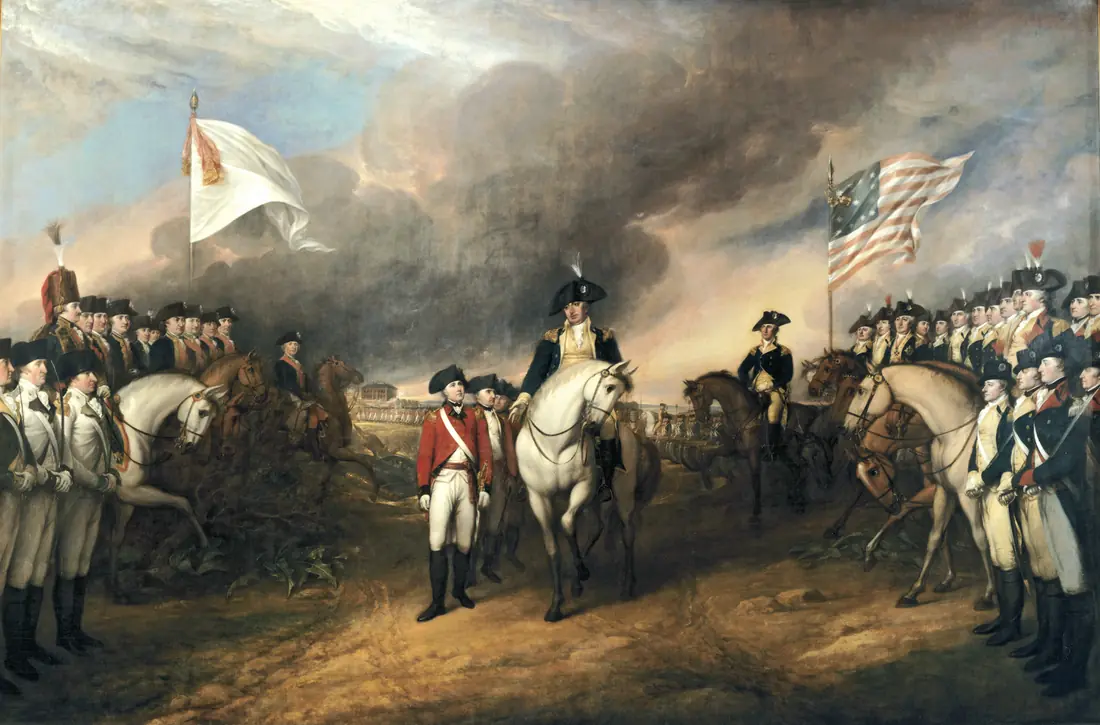
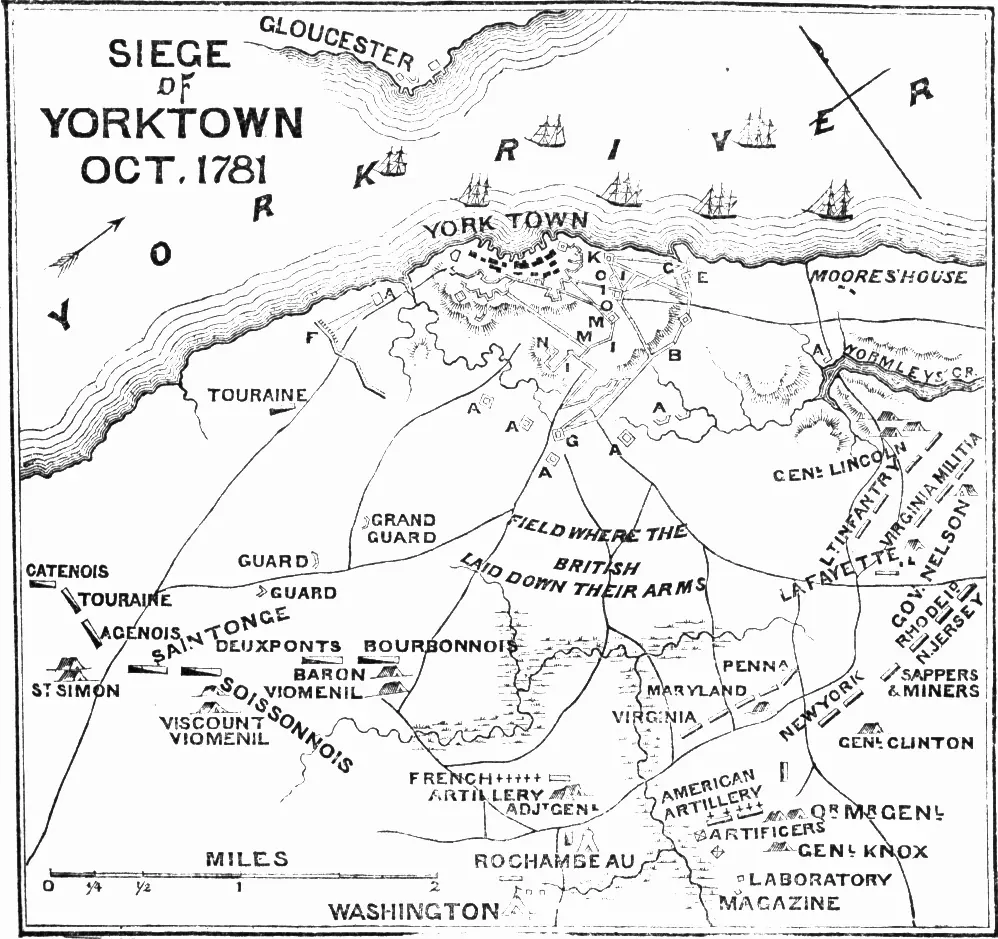
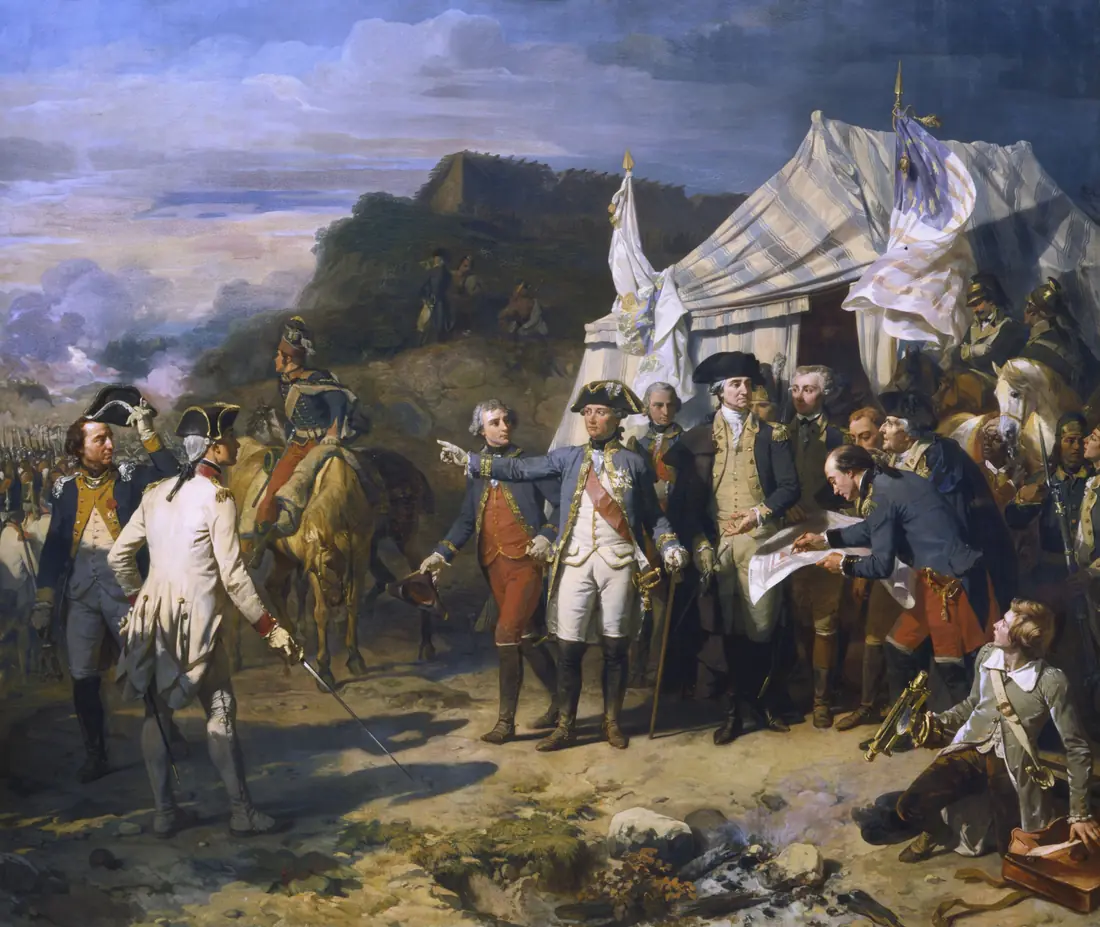
General Charles Cornwallis surrendered his army on October 19, 1781, ending the decisive siege at Yorktown. The surrender followed a coordinated operation in which the Continental Army under General George Washington and the French Army led by General Comte de Rochambeau forced the British into a defensive perimeter on the York River. From September 28 to October 17 the allies placed 15,000 troops, 60 artillery pieces and a naval blockade that prevented any resupply from the British fleet at New York. The British garrison comprised about 8,000 regulars and 2,000 Loyalist militia, while the French fleet under Admiral de Grasse contributed 12 ships of the line that blocked the Chesapeake Bay.
The critical mechanism was the French naval superiority that trapped Cornwallis’s forces. Admiral de Grasse’s fleet defeated a British relief squadron at the Battle of the Chesapeake on September 5, eliminating any chance of a maritime escape. With the river sealed, the allied artillery battered the British redoubts on October 14, creating a breach that forced Cornwallis to negotiate. The terms of surrender required the British to lay down arms, return all weapons and store personal effects in a designated depot. Cornwallis signed the Articles of Capitulation on October 19, and his troops marched out on October 20.
Casualties recorded 300 American and French soldiers killed, 1,200 wounded, while British losses were 500 killed and 1,200 wounded. The surrender directly influenced the British government’s decision to open peace negotiations, leading to the Treaty of Paris signed on September 3, 1783. The treaty recognized the independence of the thirteen former colonies, granted them territory extending to the Mississippi River, and ceded Florida back to Spain. In the United States the victory solidified Washington’s reputation, helped secure French financial support, and encouraged the new Congress to adopt a stronger central government under the Constitution of 1787.
For Britain the loss prompted a strategic shift toward retaining Canada and the Caribbean, while the war’s expense contributed to a national debt that spurred fiscal reforms under Prime Minister William Pitt. In France the costly expedition deepened the fiscal crisis that later erupted in the French Revolution of 1789. The Yorktown capitulation therefore marked the end of major combat in the American Revolutionary War and set in motion political and economic changes that shaped the Atlantic world for decades.
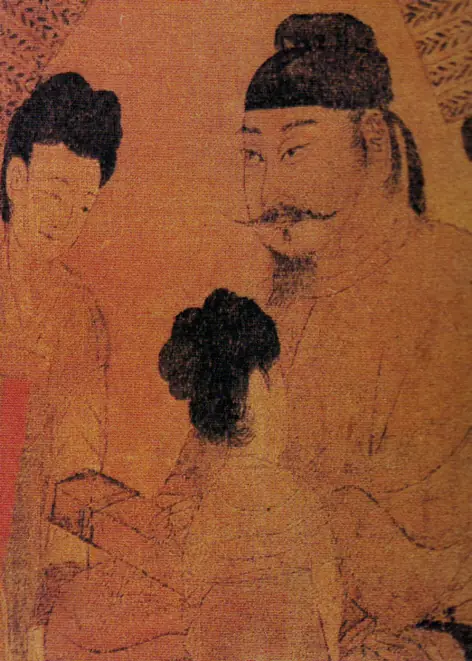
The decisive factor behind Wu Zetian’s claim to the throne was the removal of the Tang imperial lineage from the line of succession, a move orchestrated weeks before the formal proclamation. In 689 the emperor Ruizong was compelled to abdicate under pressure from Wu’s allies in the court, and the young prince Li Dan was placed under house arrest, eliminating any immediate male claimant. This pre‑emptive purge is often omitted from popular accounts that portray the change as a sudden personal ambition.
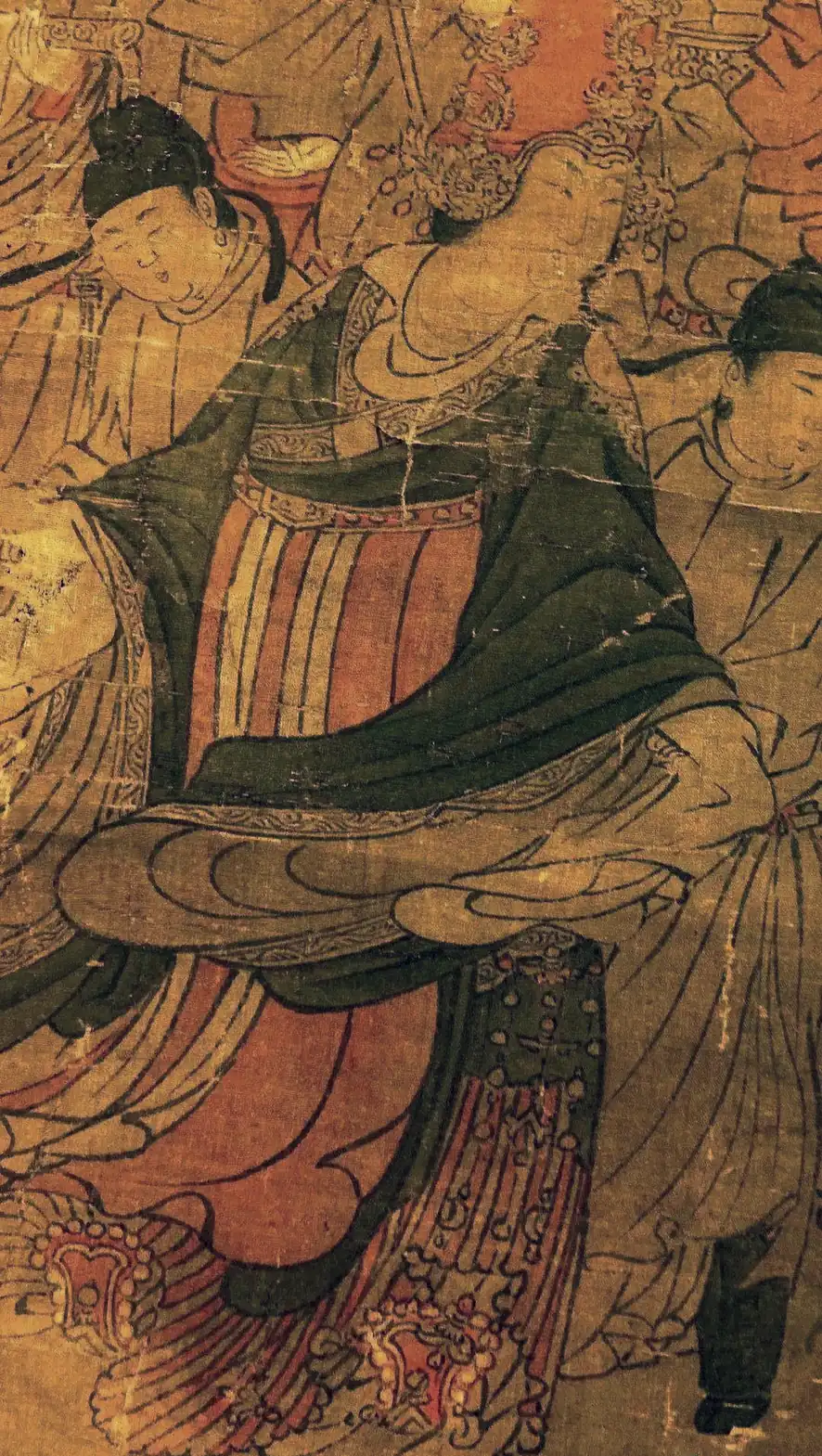
The proclamation on 17 October 690 was not a spontaneous declaration but the legal culmination of a series of edicts that redefined the imperial title. Wu issued an imperial edict stating that the Mandate of Heaven had transferred to her, and she adopted the dynastic name Zhou to signal a break from the previous Tang lineage. The edict required all provincial governors to register the new era name, effectively re‑branding the entire bureaucracy within weeks. The administrative machinery, already accustomed to issuing imperial decrees, simply replaced the seal of the Tang emperor with Wu’s seal, showing how the existing bureaucratic structure enabled the transition.
Key figures in the process included Wu Zetian herself, who authored the edicts and directed the court officials, and the chancellor Zhang Jianzhi, who initially opposed her but was later forced to endorse the proclamation after his family members were detained. The military commander Li Jingye, who led a brief rebellion later that year, is often cited as a major opponent, yet his forces numbered only about 5,000 and were defeated within a month, demonstrating the limited resistance to the change.
The new Zhou dynasty lasted until 705, when Wu’s son restored the Tang name after her death. During the Zhou period Wu introduced reforms such as the imperial examination system for women and expanded the civil service, which increased the representation of lower‑status families in government. These reforms persisted after the Tang restoration, indicating that Wu’s interruption had lasting institutional effects beyond the symbolic name change.
The immediate consequence of the proclamation was the consolidation of power in Wu’s hands, allowing her to rule as the only female emperor in Chinese history and to implement policies that reshaped the bureaucracy. The longer‑term impact was the legitimization of female political authority, a precedent that influenced later dynastic debates about gender and rule.
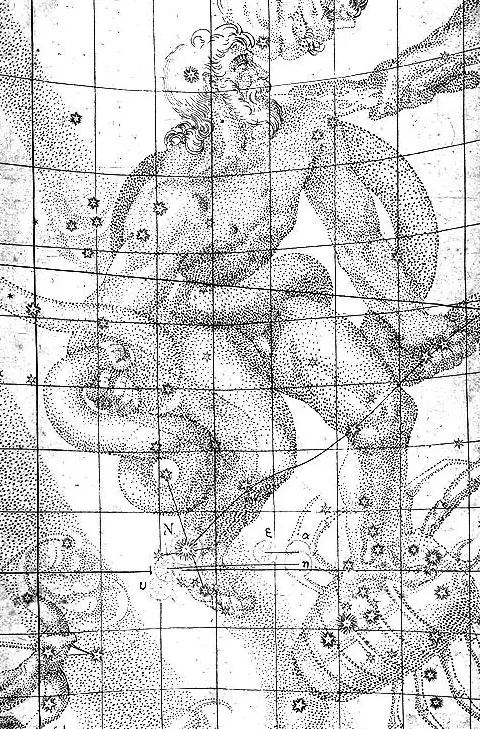
Johannes Kepler, a 32‑year‑old imperial mathematician in Prague, recorded a new star that appeared in the constellation Ophiuchus. On October 17, 1604 he noted the object’s sudden brightness, its position relative to known stars, and its rapid increase in magnitude. Kepler’s observation was the first systematic record of a stellar explosion that later proved to be a supernova, challenging the prevailing Aristotelian view that the heavens were unchangeable.
Before 1604, European astronomers accepted that no new stars could form above the Earth’s atmosphere. The most recent challenge had been Tycho Brahe’s 1572 supernova, but many scholars still argued it was a planetary phenomenon. Kepler consulted the earlier reports of Tycho and compared the new star’s brightness curve with those data. He measured the light with a simple sighting tube and a calibrated scale, noting that the object reached a peak magnitude of about –3, brighter than Venus, and then faded over months. His detailed log, kept in a notebook now known as the “Keplerian Chronicle, ” provided the quantitative basis for later astronomers to identify the event as a true supernova.
Kepler was not alone in the effort. His assistant, the young astronomer Wilhelm Schickard, helped prepare the observational instruments and transcribed the nightly entries. The imperial court astronomer, Michael Maestlin, reviewed Kepler’s data and confirmed that the object's motion differed from any known planet. The Jesuit scholar Christopher Clavius, writing from the Roman observatory, corresponded with Kepler and relayed the findings to other scholars across Europe, spreading the report beyond the Holy Roman Empire.
The significance of Kepler’s record lay in its impact on cosmology. By providing precise measurements of a celestial event that altered the heavens, Kepler gave empirical support to the emerging view that the universe could change. This evidence contributed to the gradual acceptance of the idea that the heavens were subject to the same physical laws as Earth, a premise later essential to Newton’s theory of universal gravitation.
Kepler published his observations in the pamphlet “De Stella Nova” in 1606, where he argued that the supernova was a distant, luminous body undergoing a violent outburst. The pamphlet circulated widely, influencing astronomers such as Johannes Hevelius and eventually leading to the classification of supernovae as a distinct class of stellar phenomena.
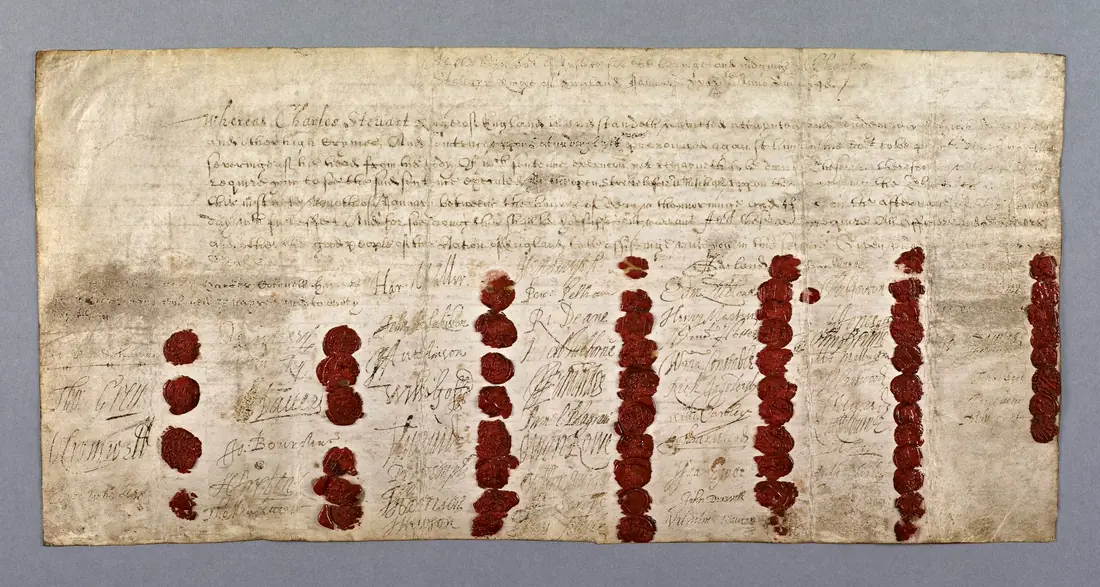
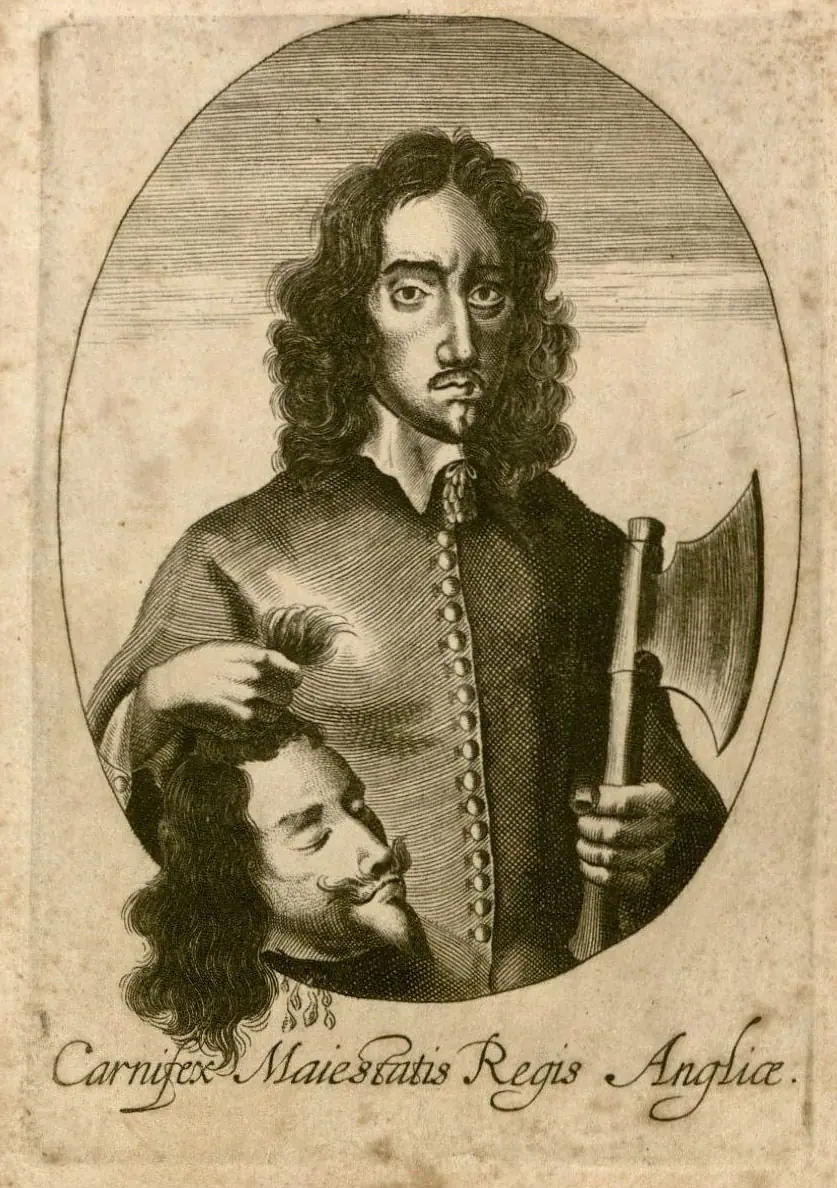
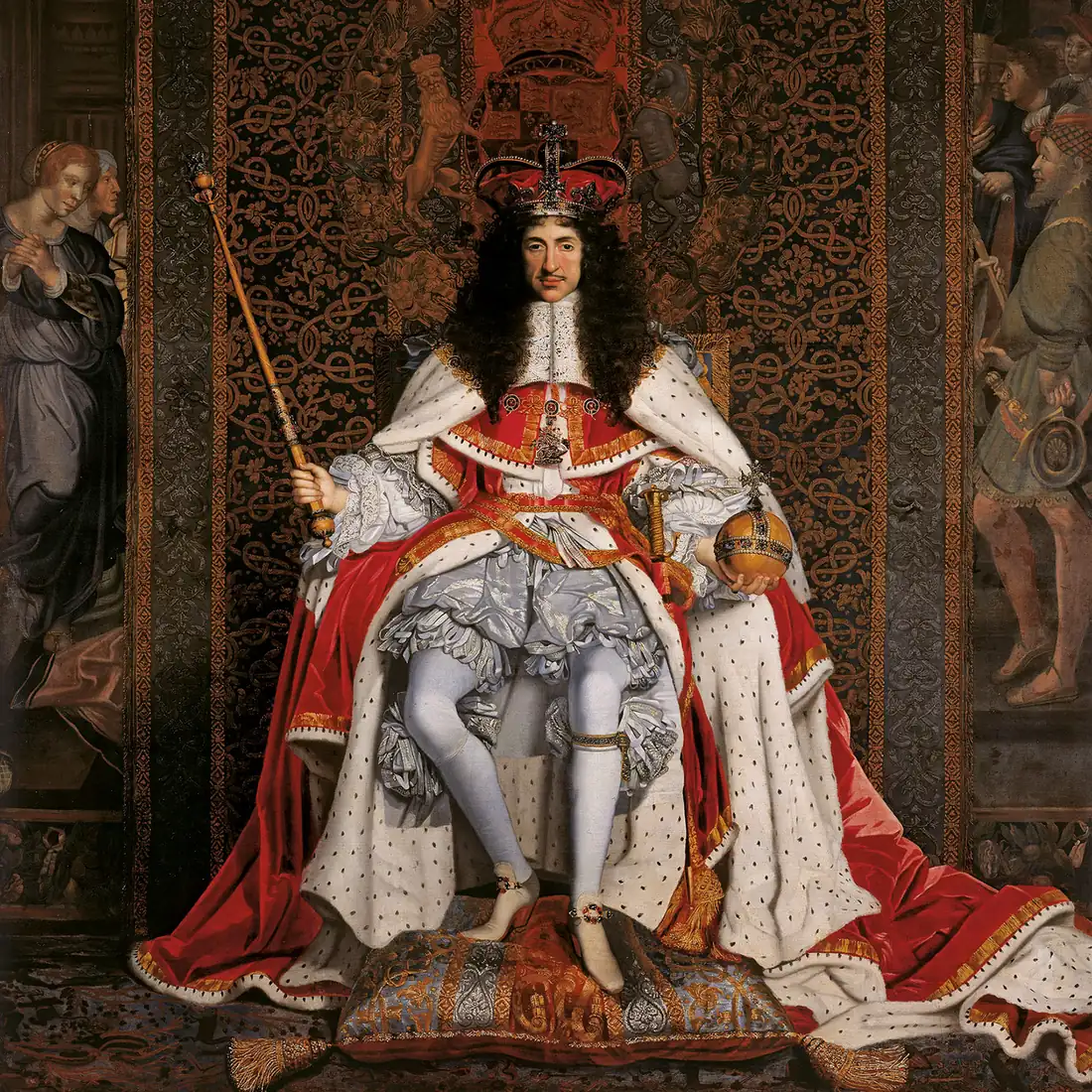
The Commonwealth government that had sentenced King Charles I to death was abolished on 29 May 1660, when Charles II was restored to the throne. The new royal administration inherited a list of 59 men who had signed the 1649 death warrant, known as regicides. By October 1660 the government had decided to make an example of nine of them, the most prominent signatories, to demonstrate that the restored monarchy would not tolerate the previous regime's crimes.
The nine men were taken to the Tower of London on 16 October 1660. Their names were Thomas Harrison, John Jones, John Cook, Miles Corbet, William Goffe, John Bradshaw, John Lisle, Thomas Scot and John Hotham the younger. All were former members of Parliament or senior military officers who had voted for the king's execution. They were tried by a special commission of the King's Bench, which found them guilty of high treason for killing the monarch. The commission recorded the verdict on 17 October and ordered execution by hanging, drawing and quartering, the statutory punishment for treason.
On the morning of 17 October the condemned were led to Tyburn, the traditional execution site outside London. Each was hanged until near death, then cut down, disemboweled, beheaded and quartered. Their bodies were displayed on the city gates as a warning. The executions removed the most visible symbols of the regicide movement and re‑asserted the authority of the crown over the army and Parliament. The act also satisfied royalist demands for retribution, which had been a condition of Charles II's return.
After the executions the remaining regicides were either imprisoned, exiled or pardoned under strict conditions. The restored monarchy reinstated the House of Lords, re‑established the Church of England and resumed traditional legal procedures. The execution of the nine men marked the final legal break with the Commonwealth and solidified the political order that would last until the Glorious Revolution of 1688. The event demonstrated that the restored regime could enforce its authority through the full force of the law, and it deterred further attempts to challenge royal legitimacy for the next two decades.
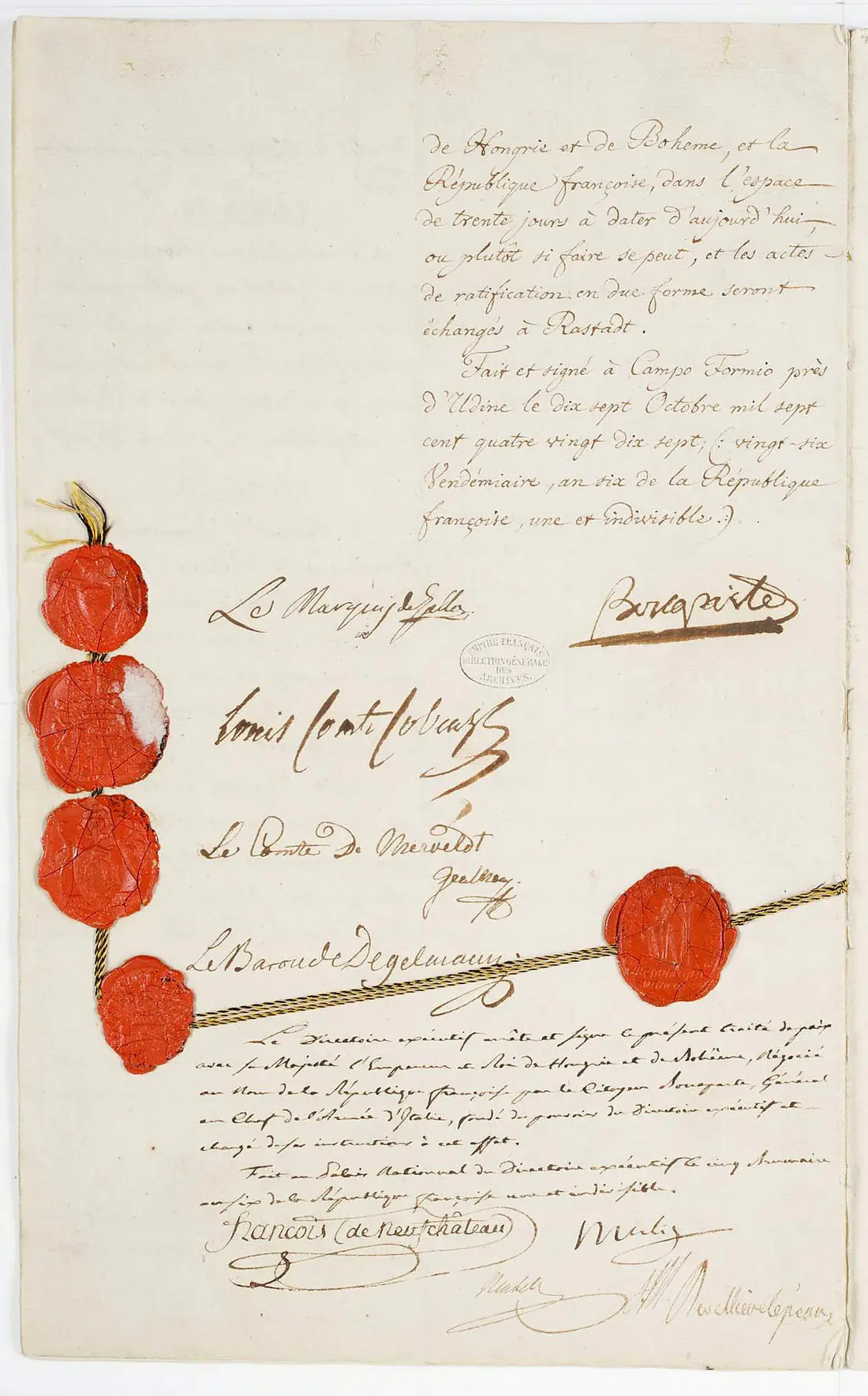
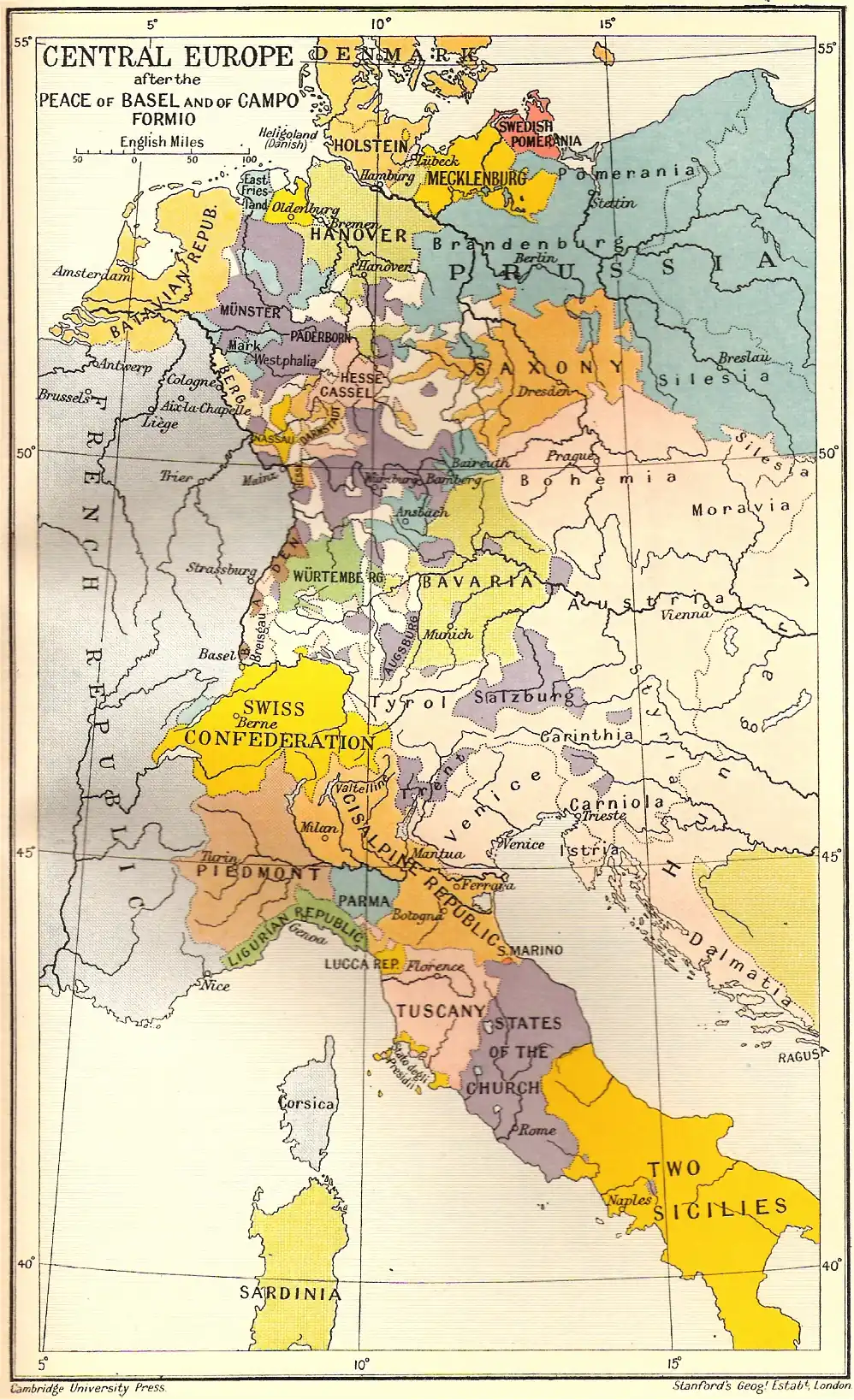
The Treaty of Campo Formio transferred 1.2 million hectares of Austrian Lombardy to France, ending the War of the First Coalition. The treaty was signed on 17 October 1797 in the Villa of the Austrian ambassador near the village of Campo Formio, about 30 km east of Venice. It concluded negotiations that had lasted 18 months after the French victory at the Battle of Rivoli in January 1797, which forced Austria to seek peace.
Negotiations were led by French foreign minister Talleyrand, aged 45, and Austrian plenipotentiary Count Philipp von Cobenzl, aged 56. Talleyrand demanded the cession of the Austrian Netherlands, the recognition of French control over the left bank of the Rhine, and the annexation of the Republic of Venice's mainland territories, totaling 1,200 km of coastline. Cobenzl, representing Emperor Francis II, accepted these terms in exchange for the return of 60,000 French prisoners and the recognition of Austrian control over the Tyrol, a region of 7,200 km².
The treaty stipulated that the Austrian Netherlands would become the French Republic’s new provinces, a change that shifted the map of Western Europe by roughly 150,000 km². In addition, France received the strategic ports of Venice, including the lagoon city itself, which controlled maritime trade routes of 1,300 km of Adriatic coastline. Austria retained the Dalmatian coast, but lost the island of Corfu, a loss measured at 1,500 km² of territory.
The agreement also required the dissolution of the First Coalition, which had comprised 12 European powers at its height in 1793. By 1797 only five members, Austria, Britain, Spain, the Dutch Republic, and the Kingdom of Sardinia, remained active, and Britain withdrew from the coalition shortly after the treaty, ending a conflict that had caused an estimated 1.5 million military casualties across Europe.
The treaty held for only three years; in 1800 the War of the Second Coalition resumed when Austria rejoined the anti‑French alliance. Nevertheless, Campo Formio established the precedent that revolutionary France could dictate terms to a great power, a pattern that continued through the Treaty of Lunéville in 1801. The immediate effect was the expansion of French influence to the Italian peninsula and the Adriatic Sea, reshaping the balance of power in the region for the next decade.