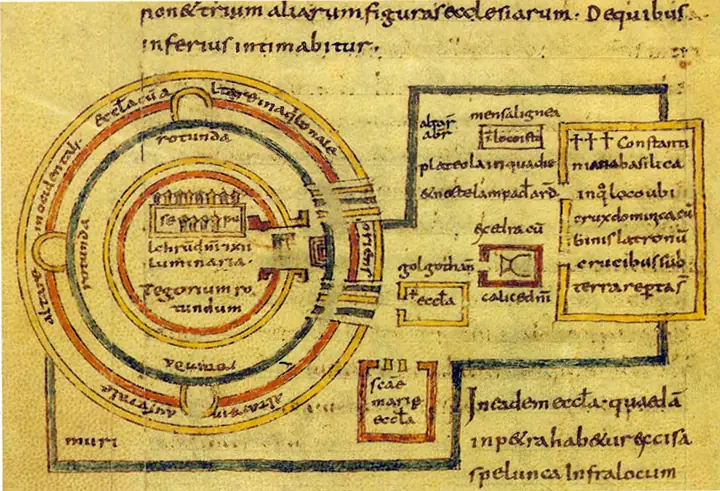
Al‑Hakim bi‑Amr Allah, the Fatimid caliph of Egypt, issued an edict that the Church of the Holy Sepulchre in Jerusalem be completely demolished. The order was written in Arabic on 18 October 1009 and dispatched to the city’s governor, who gathered a force of roughly two hundred soldiers and a team of stone‑cutters. The work began within days; the main dome, the altar stone, and the surrounding walls were pulled down, and the remaining rubble was scattered beyond the city walls.
The caliph’s motive was rooted in his interpretation of Islamic law that prohibited the maintenance of a Christian shrine on a site he regarded as sacred to Islam. Contemporary chronicles record that Al‑Hakim also ordered the execution of several Christian clerics who protested the demolition, though exact numbers are not preserved. The destruction eliminated the primary place of pilgrimage for the Eastern Orthodox, Roman Catholic, and Armenian faithful who had travelled to Jerusalem for centuries.
The immediate effect was a sharp decline in pilgrim traffic. Records from the Abbey of St Simeon show that pilgrim numbers fell from an estimated 1,200 per year in the late 10th century to fewer than 200 by 1015. Local merchants who sold food, lodging, and souvenirs lost an estimated 70 percent of their income, as noted in a tax ledger from the Fatimid treasury. The Christian community in Jerusalem was forced to worship in private homes, and many fled to nearby cities such as Antioch and Cairo.
The demolition resonated throughout the Mediterranean. In 1012 the Byzantine emperor Basil II sent a diplomatic mission demanding restitution, but the Fatimid court refused. The loss of the holy site became a rallying point for Western rulers; Pope Leo IX cited the act in letters to the French and Italian princes, urging a response. This rhetoric contributed to the ideological justification for the First Crusade, launched in 1095, when Crusader armies explicitly promised to restore the church. After the capture of Jerusalem in 1099, the shrine was rebuilt under the direction of the Crusader ruler Godfrey of Bouillon, using funds raised from across Europe.
Al‑Hakim’s order therefore reshaped the religious geography of the Holy Land, disrupted the local economy, and set a precedent for later conflicts over sacred spaces. The demolition’s legacy endured for centuries, influencing both inter‑faith relations and the political calculus of crusading movements.
The decisive factor behind the Battle of Assandun was the Danish king Cnut’s decision, made in early October 1016, to confront the English forces before they could unite under the new king Edmund Ironside. Cnut had already secured the south‑east after the death of his brother Sweyn, but he feared that a combined English army would force a stalemate. By moving swiftly to Assandun, a hilltop site near present‑day Ashingdon, he forced a confrontation on his terms.
The English army assembled by Edmund numbered roughly 6,000 men, including a core of seasoned housecarls and levied thegns. Contemporary sources estimate the Danish force at about 8,000, composed of seasoned Viking warriors and newly recruited mercenaries. Both sides positioned themselves on opposite slopes, the English hoping to use the high ground while the Danes spread their shield‑walls across the ridge. Cnut ordered a feigned retreat on his left flank, a tactic recorded in the Anglo‑Saxon Chronicle, which drew the English forward and broke their formation.
Casualties were heavy on the English side. The Chronicle records that only a few hundred of the original 6,000 survived the melee, while Danish losses were significantly lower, perhaps a few hundred men. The death of several English earls, including the prominent Ælfhelm, is noted, though exact numbers remain uncertain. The battle ended within two hours, and the remaining English forces fled the field, leaving their camp and supplies to be captured.
The immediate consequence of the Danish victory was the surrender of Edmund Ironside after a brief negotiation in London. Edmund retained the crown for a few weeks but died in November 1016, after which Cnut was recognized as king of all England. This unification ended the period of dual rule that had begun after the death of Æthelred the Unready in 1016 and allowed Cnut to establish a North Sea empire that included Denmark and Norway. The consolidation of power also led to the introduction of Danish legal customs, the minting of new coinage bearing Cnut’s name, and a period of relative stability that lasted until his death in 1035.
In the early 1080s the Byzantine Empire controlled the Adriatic coast from Dyrrhachium to Durazzo, while the Norman duchy of Apulia and Calabria under Robert Guiscard sought a foothold in the Balkans. After a failed attempt in 1080 to secure an alliance with the Seljuk Turks, Emperor Michael VII sent a force of roughly 20,000 men to defend Dyrrhachium, a fortified port that commanded the main land route into the empire from the west. Robert Guiscard assembled an expeditionary army estimated at 30,000 infantry and cavalry, supplemented by a fleet of 150 ships, to press his claim over the same region.
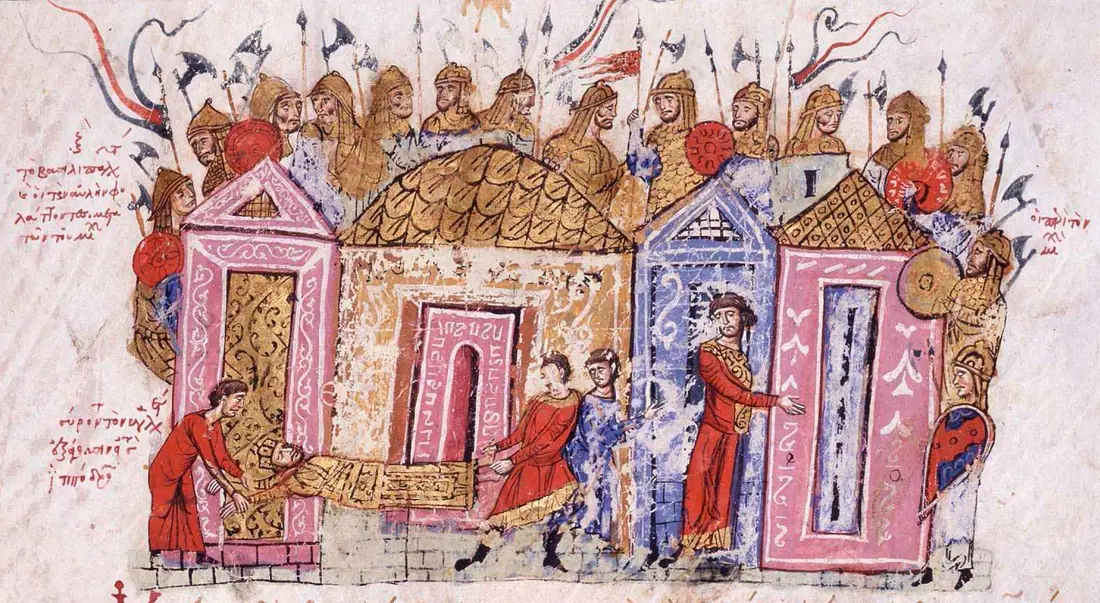
The Norman plan relied on a coordinated siege and field battle. Guiscard placed his siege engines on the hills surrounding the city and ordered his cavalry to block any Byzantine sortie. The Byzantines, commanded by the veteran general Michael Doukas, attempted to break the siege by attacking the Norman lines on 18 October 1081. Their assault focused on a narrow valley where the Norman infantry held a shield wall. The Byzantine cavalry charged, but the Norman heavy cavalry, equipped with lamellar armor and lances, counter‑charged and routed the attackers. Contemporary sources record Byzantine casualties of about 7,000 killed and 5,000 captured, while Norman losses were under 2,000.
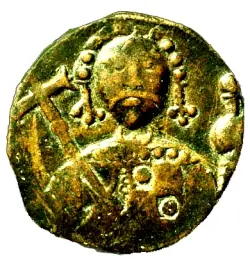
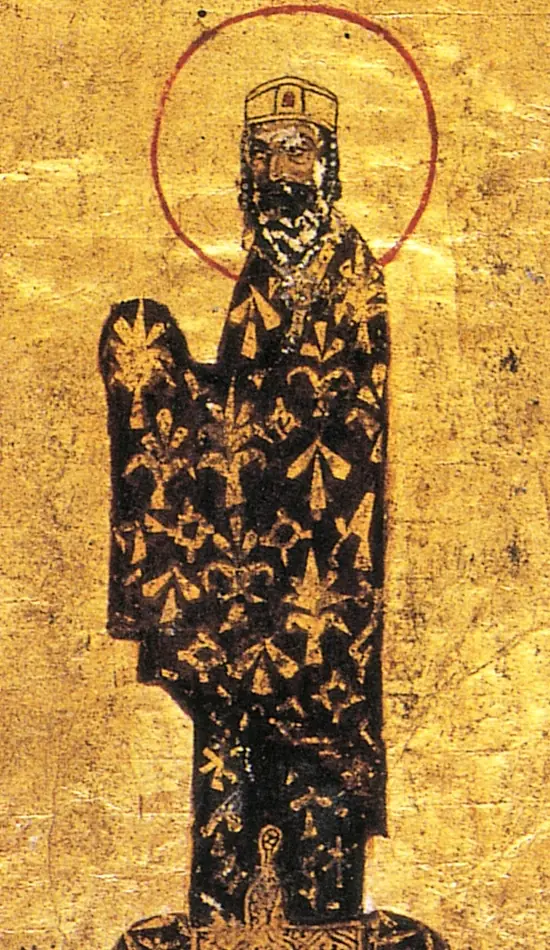
The decisive defeat forced Michael VII to abandon the defense of the western Balkans. Within weeks the Norman forces entered the city of Dyrrhachium, seized its supplies, and installed a garrison loyal to Guiscard. The loss deprived the Byzantines of a strategic supply base and opened the road to Thessalonica for future Norman raids. It also weakened Michael VII's political position, leading to his overthrow in 1078 and the accession of Alexios I Komnenos, who would later negotiate a peace that required the Normans to pay tribute for the use of the Adriatic ports.
The battle demonstrated the effectiveness of combined siege operations with a mobile heavy cavalry reserve against a numerically larger but less coordinated force. It also illustrated the limits of Byzantine field tactics when faced with disciplined Norman troops trained in western European warfare. The capture of Dyrrhachium shifted the balance of power in the region, compelling the Byzantine Empire to divert resources to its western frontier and influencing the diplomatic landscape of southern Europe for the next decade.
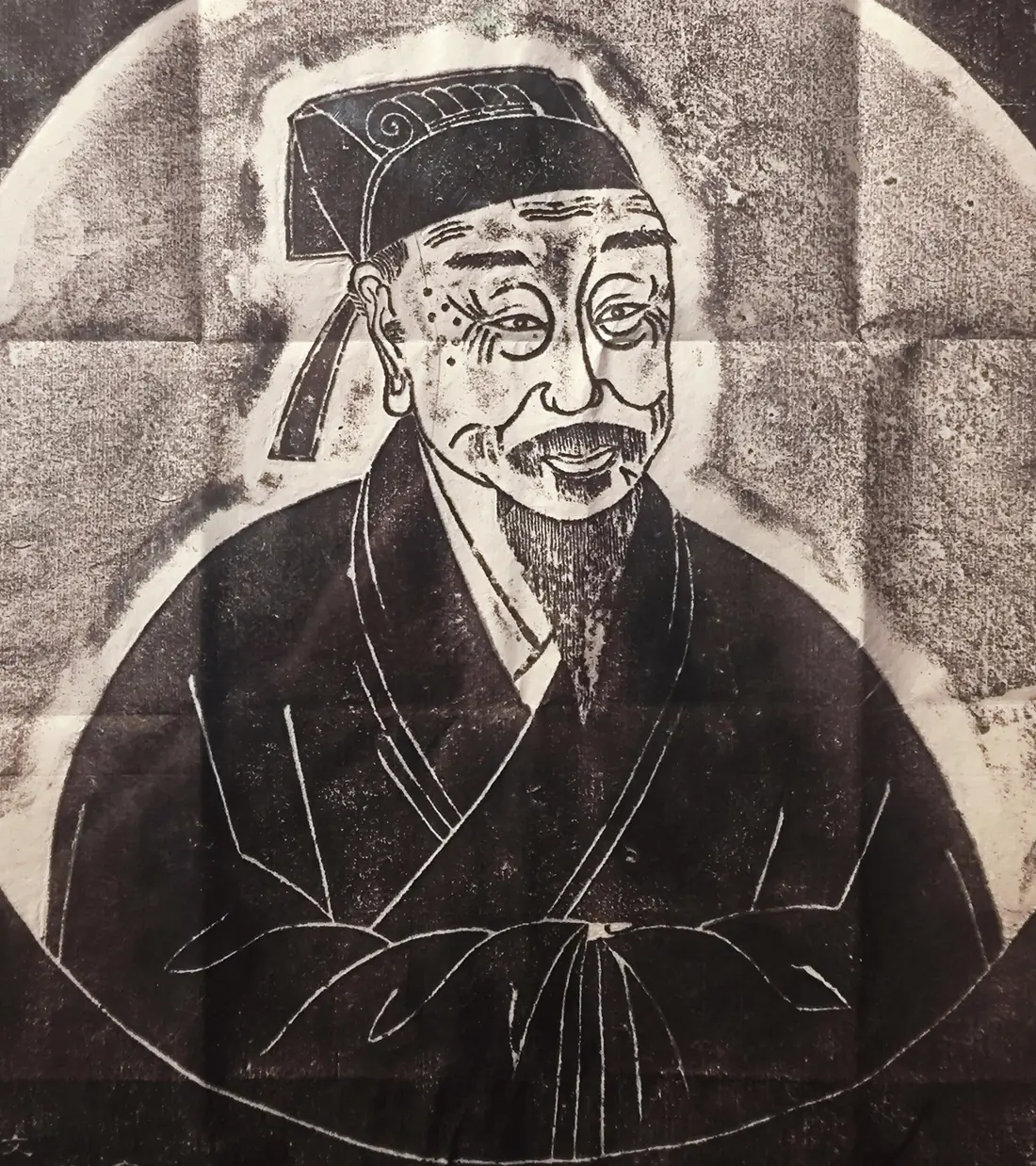
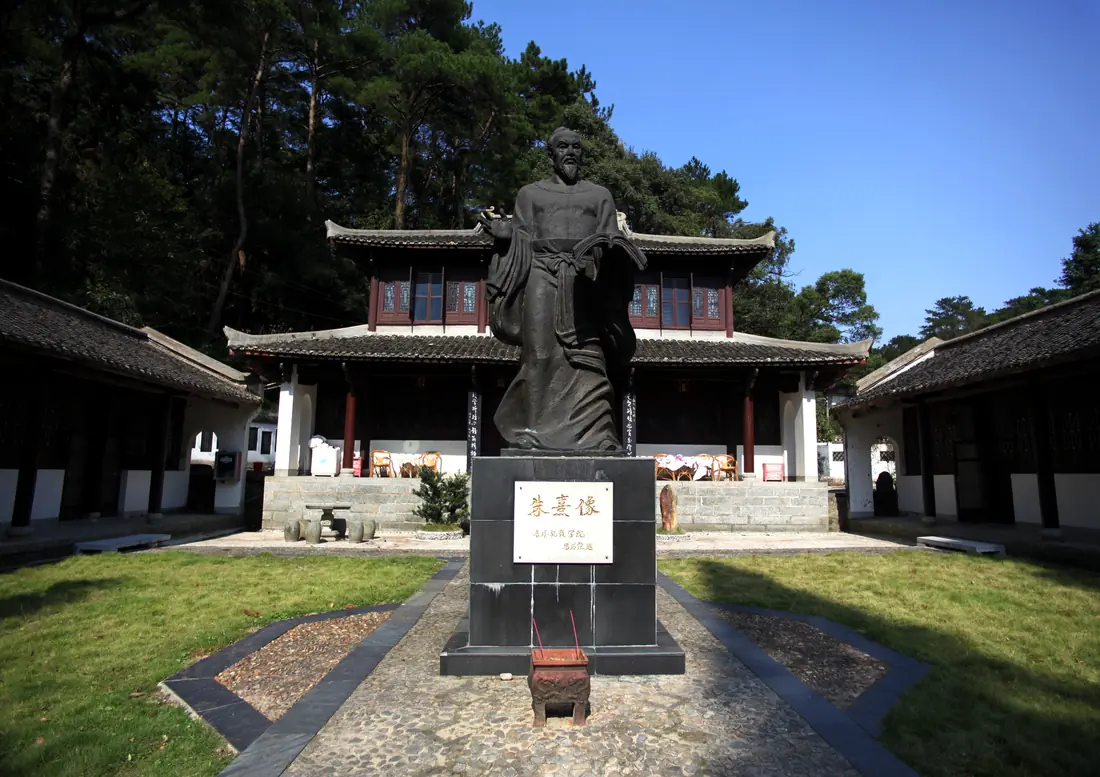
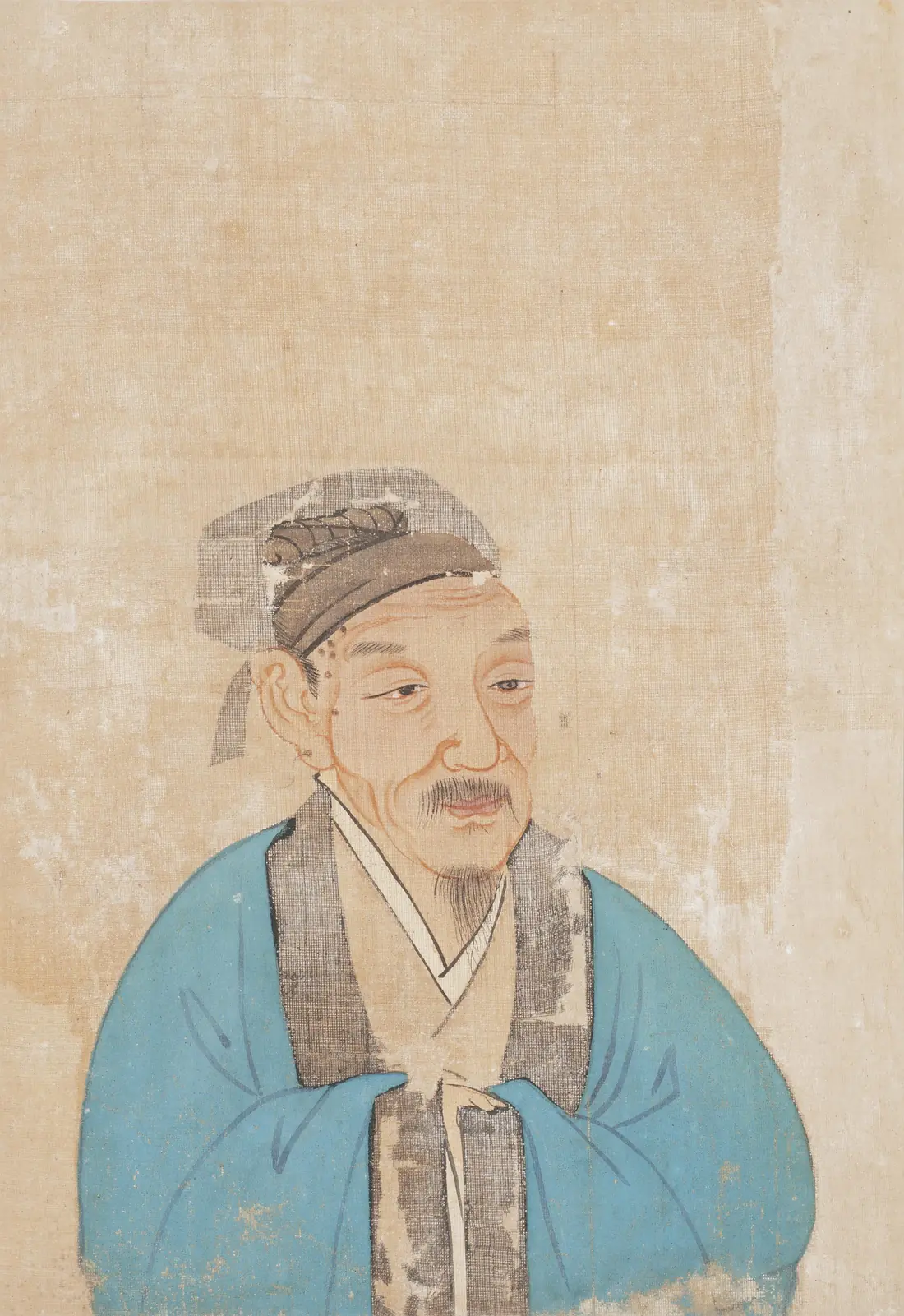
Zhu Xi was born on October 18, 1130 in Luzhou, a town in the Fujian province of China. His birth introduced the mind of a scholar who would later reorganize the Confucian canon into a system that could be taught in schools and examined in the state bureaucracy.
Before Zhu Xi, the study of Confucian classics relied on commentaries that varied widely among scholars, and the civil service examinations tested memorization of many separate texts. Zhu Xi identified the Four Books, The Great Learning, The Doctrine of the Mean, The Analects, and Mencius, as a core curriculum. He wrote detailed commentaries that explained each passage in terms of a unified metaphysical framework based on the concepts of li (principle) and qi (material force). By defining a consistent method of interpretation, he made it possible for teachers to present a single syllabus and for examinees to prepare for a common set of questions.
The mechanism of his reform was the production of printed editions of the Four Books with his commentaries attached. By the mid‑12th century, woodblock printing allowed the distribution of more than 200 copies across the Song empire, a scale that ensured that his version became the standard text in provincial academies. The Song court officially adopted his commentary in 1241, and the Yuan dynasty retained it for the imperial examinations. Consequently, of the roughly 1.2 million candidates who sat for the exams between the 13th and 15th centuries, at least 80 percent would have studied Zhu Xi’s interpretation.
Zhu Xi also organized a network of private academies, known as shuyuan, where he taught students directly. Records show that his academy in Songjiang enrolled 45 scholars in its first decade, and many of these scholars later held positions as prefects or ministers. His emphasis on moral self‑cultivation combined with rigorous textual analysis created a professional class of officials who shared a common ethical vocabulary.
The long‑term effect of his work was that Neo‑Confucianism became the dominant ideological foundation of Chinese governance for three centuries. By the time the Ming dynasty restored native rule, the civil service exams still required mastery of Zhu Xi’s Four Books, and the same curriculum persisted into the early Republic. His system turned abstract moral philosophy into a practical tool for state administration, a transformation that was unimaginable before his birth.
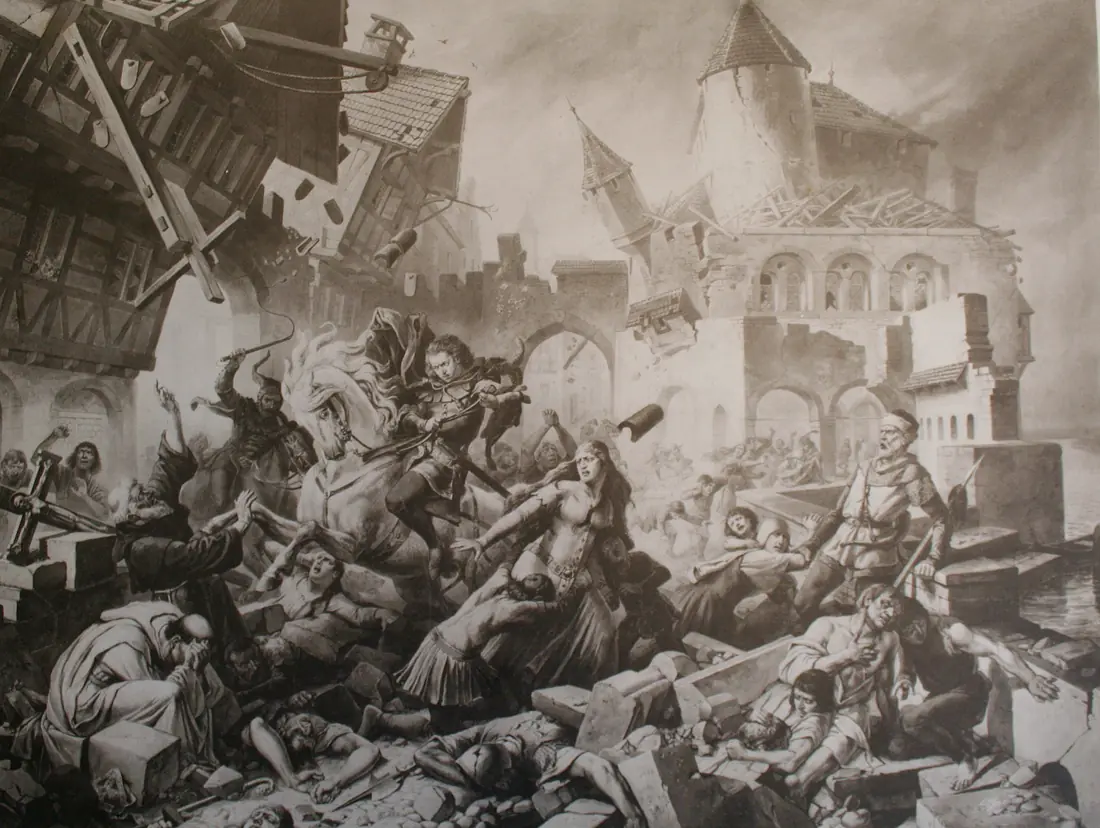
On 18 October 1356 a seismic shock shattered the city of Basel, destroying most of its stone structures and killing an estimated 2,000 inhabitants. The quake originated along the Basel fault, a strike‑slip fracture that releases accumulated tectonic strain when the Eurasian plate slides past the African plate. When the fault slipped, energy radiated outward, causing ground motion that reached intensity X on the Mercalli scale, enough to collapse the cathedral, the city walls and the market hall.
Before the shock Basel was a prosperous Imperial free city with a population of roughly 15,000, a university founded in 1460 still decades away, and a defensive perimeter of stone walls punctuated by eight gates. The city council, composed of twenty guild representatives, oversaw trade in textiles, wine and iron, while the bishopric held the cathedral and the surrounding ecclesiastical lands. The walls and gate towers protected the market district, where merchants stored goods in stone warehouses.
The earthquake ruptured the walls at three points, toppled two gate towers and reduced the cathedral’s nave to rubble. Surveyed after the event, the city recorded 1,200 destroyed houses, 300 partially damaged structures and a loss of about 30 percent of its tax base. The council convened in the surviving town hall and ordered immediate demolition of unsafe walls, replacing them with a lower stone parapet that could be repaired more quickly. The bishopric rebuilt the cathedral using timber framing for the roof, a technique that later allowed faster reconstruction after fires.
In the weeks after the quake, emergency aid arrived from nearby towns of Colmar and Strasbourg, bringing grain, timber and skilled masons. The city imposed a levy of two silver marks per household to fund rebuilding, a tax that persisted for three years. By 1359 the new walls were completed, enclosing a slightly smaller area and featuring fewer gates, which altered trade routes and shifted commercial activity toward the western market square. The reduced fortifications meant that Basel could no longer claim the same defensive strength, leading neighboring cantons to renegotiate border agreements in 1362.
The most lasting change was the shift from massive stone construction to lighter timber and brick techniques, a practice that spread throughout the Upper Rhine region and lowered the cost of rebuilding after later earthquakes. This adaptation directly resulted from the 1356 disaster and shaped the architectural character of Basel for the following century.