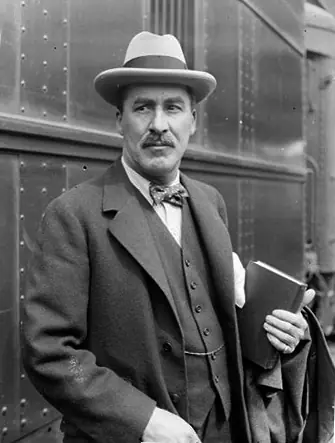
Before November 1922 the Valley of the Kings held more than a hundred sealed tombs, most of them never entered since ancient times. The Egyptian Antiquities Service, under Director Gaston Maspero, had granted exclusive excavation rights to the British Archaeological Survey, which in turn employed Howard Carter and his patron Lord Carnarvon. Their work since 1917 had focused on the tomb of Tutankhamun, a pharaoh who ruled for about nine years around 1332 BC, but all previous surveys had failed to locate a burial chamber for him.
Common belief holds that Carter stumbled upon the tomb by accident, yet the record shows a systematic search based on a 1907 plan by archaeologist Theodore Davis that identified a possible stairway. Carter examined a cluster of limestone blocks on 4 November 1922, lifted a sealing stone, and found a step leading down to a doorway. The doorway measured roughly 2.5 meters high and bore a cartouche of the young king, confirming the find.
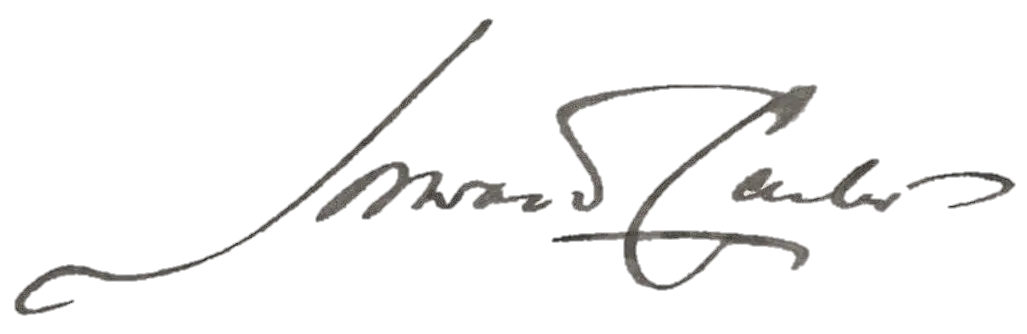
The discovery was recorded in Carter’s field notebook, which notes the exact dimensions of the entrance and the presence of a seal stamped with Tutankhamun’s name. He reported the find to Carnarvon that afternoon; the latter arrived that evening with his daughter and a small team. On 5 November the entrance was widened using a crowbar and a pick, allowing a single person to descend. The first view inside revealed a corridor lined with limestone and a sealed doorway leading to the burial chamber. No looting had occurred; the tomb’s contents remained intact.
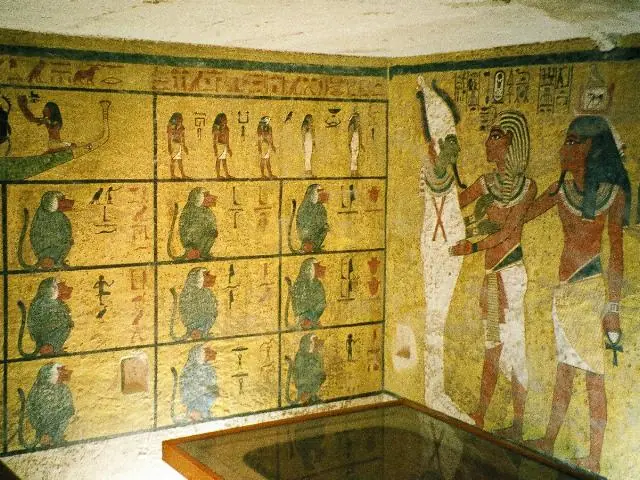
The immediate consequence was a rapid excavation that lasted twelve months and uncovered over 5,000 objects, including a gold funerary mask that weighed about 11 kilograms. The artifacts provided unprecedented insight into 18th‑Dynasty art, burial practices, and the political situation of a young ruler whose reign followed the death of his predecessor, Akhenaten. The find also sparked a worldwide “Egyptomania, ” increasing museum acquisitions and public interest in archaeology. Financially, the Egyptian government received a share of the proceeds from the sale of items, while the British Museum and the Metropolitan Museum of Art secured key pieces for display. The discovery established Carter as a leading Egyptologist and demonstrated the value of meticulous field documentation over speculative treasure hunting.
The event altered the discipline of archaeology by showing that careful analysis of earlier surveys could lead to major finds, and it set standards for recording stratigraphy, artifact context, and conservation that remain in use today.
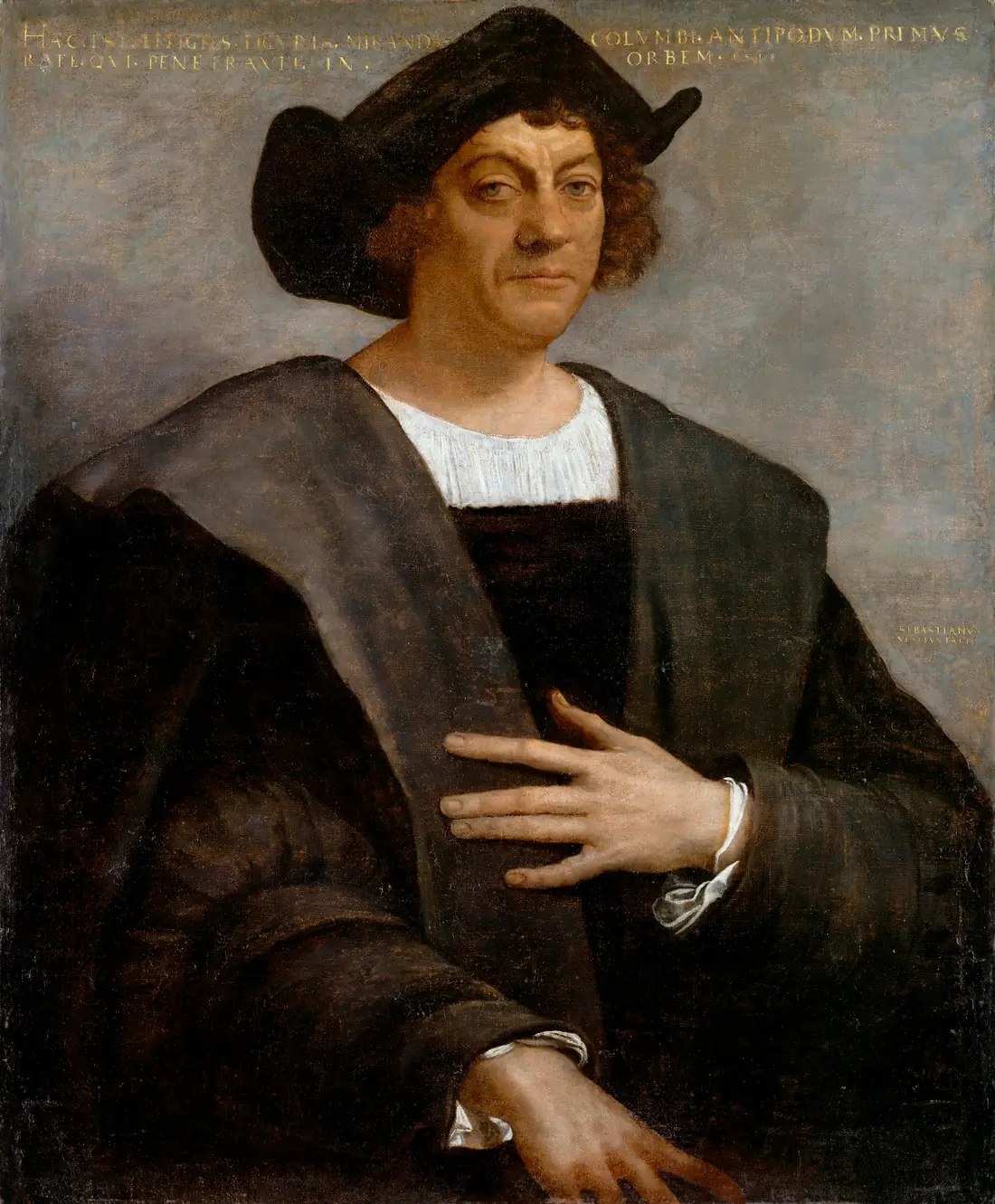
Christopher Columbus arrived at the Leeward Islands on November 4, 1493, completing the second leg of his royal commission to find a western route to Asia. The expedition was funded by the Spanish Crown, which provided three ships— the Niña, the Pinta and the Santa María— and a crew of about 150 men, plus 1,200 colonists intended to establish a permanent settlement. The Crown's goal was to claim new lands, extract wealth, and spread Christianity, a policy outlined in the Capitulations of 1492 that granted Columbus the title of Admiral and a share of any discovered treasure.
The fleet crossed the Atlantic in 70 days, navigating by dead reckoning and celestial observations that had been refined during the first voyage. Upon sighting the islands, Columbus recorded their position using latitude measured by a quadrant, confirming that the Caribbean archipelago lay far west of the African coast. He claimed the islands for Spain, raised a flag, and named them after saints, establishing a legal claim that would later be used to justify further conquests.
The immediate consequence was the rapid dispatch of additional Spanish vessels bearing soldiers, missionaries and settlers. Within two years, the island of Hispaniola hosted a colony of over 2,000 Spaniards, supported by the forced labor of an estimated 30,000 indigenous Taíno people. The encomienda system imposed by the Crown required the natives to work on plantations and in gold mines, leading to a mortality rate of about 90 percent by 1510 due to disease, overwork and violence. The loss of labor forced the Spanish to import African slaves, marking the beginning of a transatlantic slave trade that would eventually involve millions of people.
The discovery also altered European maps, prompting other maritime powers to send their own expeditions to the Caribbean. By 1520, Spain controlled most of the Greater Antilles, and the wealth from sugar and other cash crops funded wars in Europe, reshaping the balance of power between the Habsburg and French monarchies. The demographic collapse of the indigenous population created a vacuum that allowed European settlement to expand unchecked, a pattern that repeated throughout the Americas.
Columbus's 1493 arrival therefore opened a chain of colonization, exploitation and cultural transformation that affected more than ten million people in the next century, laying the foundations of the modern Atlantic world.
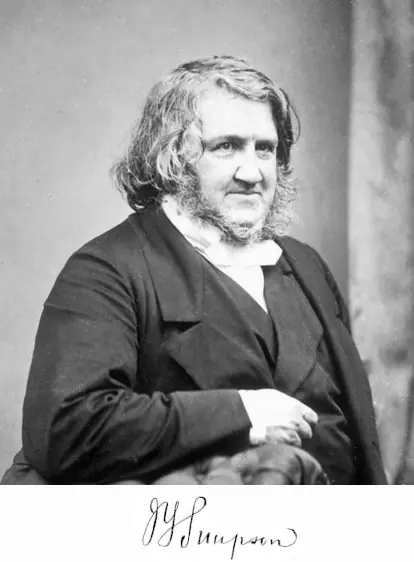
James Young Simpson, a 36‑year‑old obstetrician at the University of Edinburgh, introduced chloroform as an anaesthetic on 4 November 1847. Before this date surgery was performed with patients fully conscious, using ether in limited cases despite its irritating vapour and high risk of coughing. Simpson had been investigating volatile liquids after reading about ether’s effects and sought a substance that could be administered quickly and cause deep unconsciousness without severe respiratory irritation.
Simpson arranged a private experiment in his home laboratory with three colleagues: Dr Robert Mortimer, a senior lecturer in anatomy; Dr John Snow, a physician who later became a pioneer of epidemiology; and his own wife, Margaret Simpson, who agreed to inhale the vapour. The mixture consisted of three parts chloroform to one part ether, distilled to remove impurities. After a single inhalation each participant reported loss of sensation within seconds, and all regained consciousness within five minutes without apparent harm. Simpson recorded the observations in his notebook, noting the “pleasant and painless” state and the rapid onset compared to ether.
The immediate decision to publish came from Simpson himself, who wrote a letter to the Edinburgh Medical Journal on 14 November 1847 describing the experiment and recommending chloroform for obstetric use. He argued that the substance could prevent the “terrible agony” of childbirth, a claim supported by the fact that at the time an estimated 1,200 women per year died in Britain from complications of labour. Mortimer and Snow endorsed the letter, adding their own observations that the vapour caused no coughing and produced a deeper sleep than ether.
The medical community responded quickly. Within weeks, the Royal College of Surgeons of Edinburgh authorized the use of chloroform in operative procedures, and by early 1848 over 200 surgeries in Edinburgh were reported to have been performed under its influence. The adoption spread to London, where Queen Victoria’s use of chloroform during the birth of her eighth child in 1853 cemented public acceptance. Critics, including some clergy, warned of moral danger, but the empirical evidence of reduced intra‑operative pain outweighed opposition.
Simpson’s discovery altered surgical practice permanently. By the end of 1850, hospitals in Britain reported a decline in mortality from shock during operations, with recorded deaths falling from 12 % to 7 % among patients receiving chloroform. The method also enabled longer, more complex procedures that were previously impossible due to patient distress. Simpson continued to study anaesthetic agents until his death in 1870, and his initial chloroform experiment remains a pivotal moment in modern medicine.
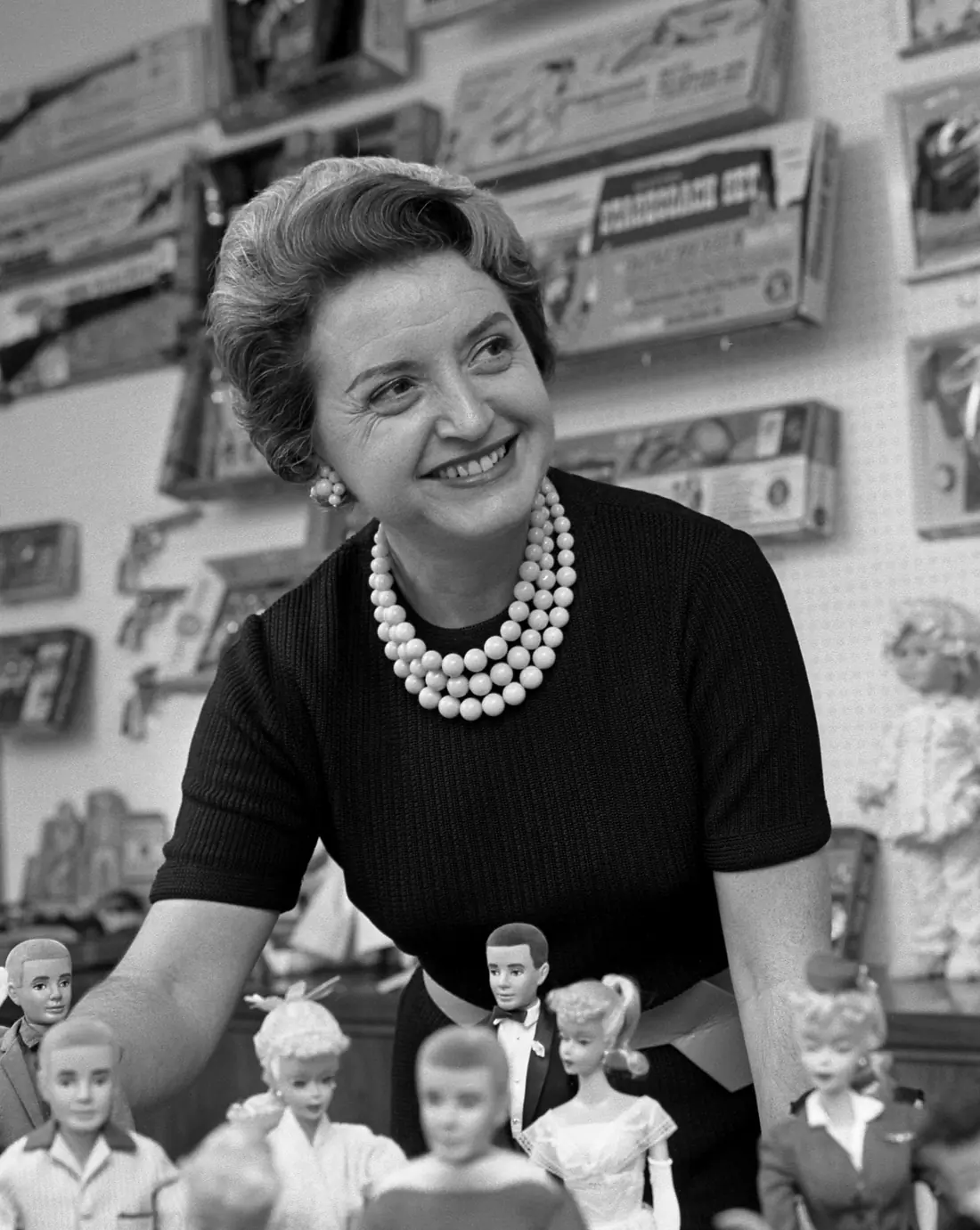
Ruth Handler was born on November 04 1916 in Los Angeles. After marrying Elliot Handler she began working as a buyer for Sears, Roebuck and Co. In 1945 she and Elliot used a $500 loan from a relative to incorporate Mattel, Inc. in a garage in Southern California. The company first produced picture frames and later entered the wooden toy market with a line called "Uke‑Boke".
By 1955 Mattel introduced the first plastic‑injection toys, most notably the Hot Wheels racing cars. Ruth observed her daughter Barbara playing with paper dolls and concluded that a three‑dimensional adult doll could fill a market gap. She commissioned a German doll maker to produce a prototype and selected the name Barbie after her daughter.
On March 09 1959 Mattel released Barbie in a set of three outfits priced at $3.00. The doll measured 11.5 inches tall and featured a molded vinyl body with painted facial features. Initial sales reached 350,000 units in the first year, and by 1965 Barbie accounted for 70 percent of Mattel's toy sales.
Ruth Handler served as Mattel's president until 1975, when she resigned amid an investigation into accounting practices. She later founded a company that marketed a line of adult‑size dolls. Ruth Handler died on April 27 2002, but the Barbie brand continues to generate annual revenues exceeding $1 billion.
The founding of Mattel and the launch of Barbie introduced mass‑produced plastic dolls to the United States, shifted consumer expectations toward fashion‑focused playthings, and established a licensing model that other manufacturers later emulated. The success of Barbie also sparked debates about body image that persist in contemporary culture.
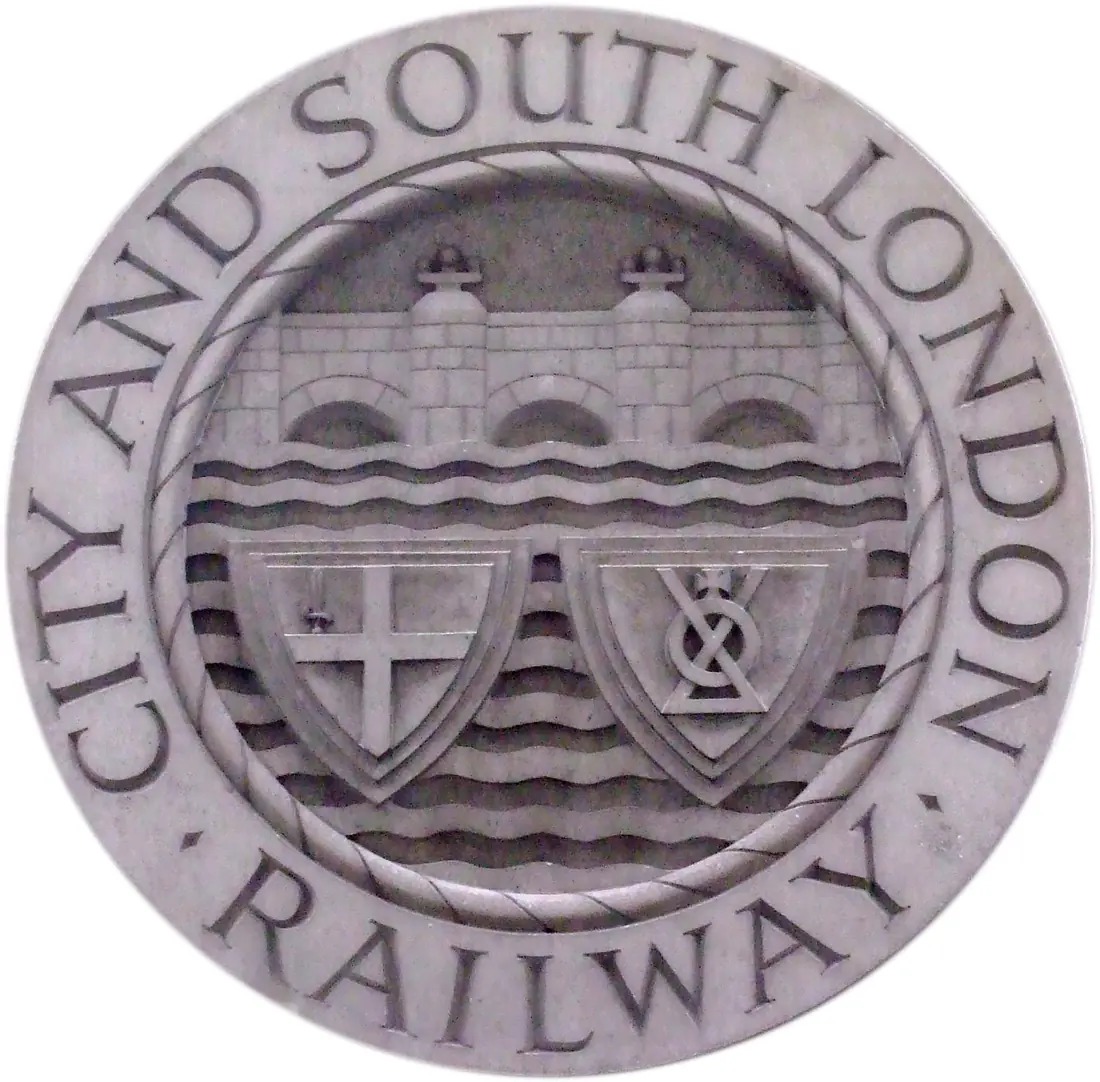
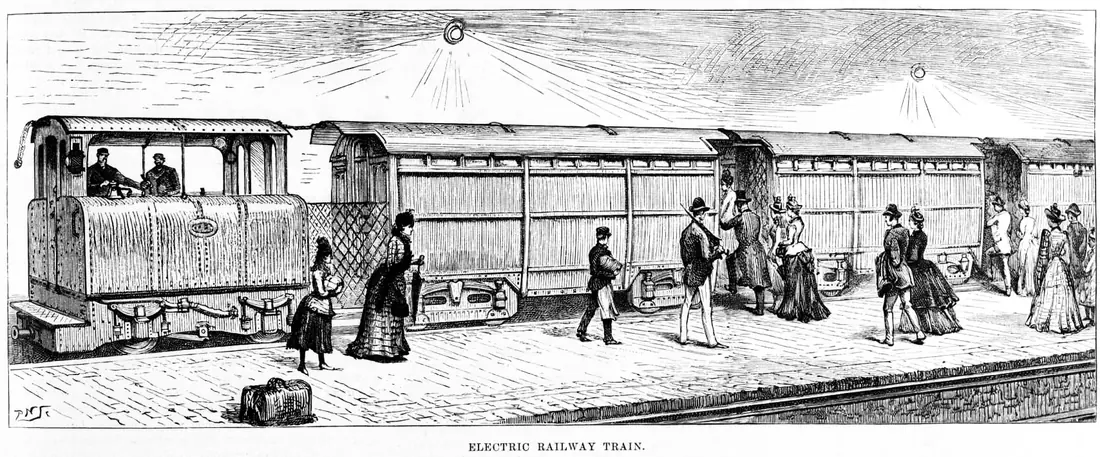
The City and South London Railway opened a continuous electric line between King William Street and Stockwell, replacing horse‑drawn trams and surface steam tunnels with a purpose built underground conduit. Before November 4 1890 passengers travelled on the Metropolitan Railway which used steam locomotives in cut‑and‑cover tunnels no deeper than 20 feet. Those tunnels required ventilation shafts that polluted streets and limited train frequency to about six trains per hour. The new railway was designed by Sir William Siemens and built by the Underground Electric Railways Company of London, which had obtained a parliamentary act in 1888 to construct a deep‑level tube. The line was bored at a depth of 80 feet using a shield method developed by James Henry Greathead; the circular tunnels measured 12 feet in diameter and were lined with cast iron plates. Electricity was supplied by a 500 volt direct current system installed in a dedicated power station at Stockwell. Two conductor rails ran on each side of the track and a third rail served as the return path, allowing the 500 horsepower motor cars to accelerate to 30 miles per hour. Each car carried 48 passengers and the line operated a 2‑minute headway, doubling the capacity of the earlier system.
The decision to use electric traction was taken by Sir William Siemens after reviewing experiments on the City and South London Railway in 1889. He argued that electric motors produced no smoke and could be controlled more precisely than steam pistons. The Board of Trade inspected the line and granted a safety certificate on 2 November, confirming that the ventilation shafts and emergency exits met the required standards. The opening ceremony was attended by the Prince of Wales who pressed a button to energise the third rail, a moment recorded in the official minutes of the railway company.
Within a year the railway carried 5.5 million passengers, a figure that represented a tenfold increase over the previous year’s surface tram ridership on the same corridor. The success prompted the construction of the Baker Street and Waterloo Railway in 1906, which used the same deep‑level tunnelling technique. The electric deep‑level model became the template for the entire London Underground network, eliminating the need for steam ventilation and allowing lines to be built beneath densely built districts without disturbing street traffic. The immediate effect was a reliable, high‑frequency service that linked the financial district with the southern suburbs, reshaping commuter patterns across the capital.