Daily History
Exploration

Apollo 11 Moon Landing Humanity's Giant Leap

Moon (Sea of Tranquility)
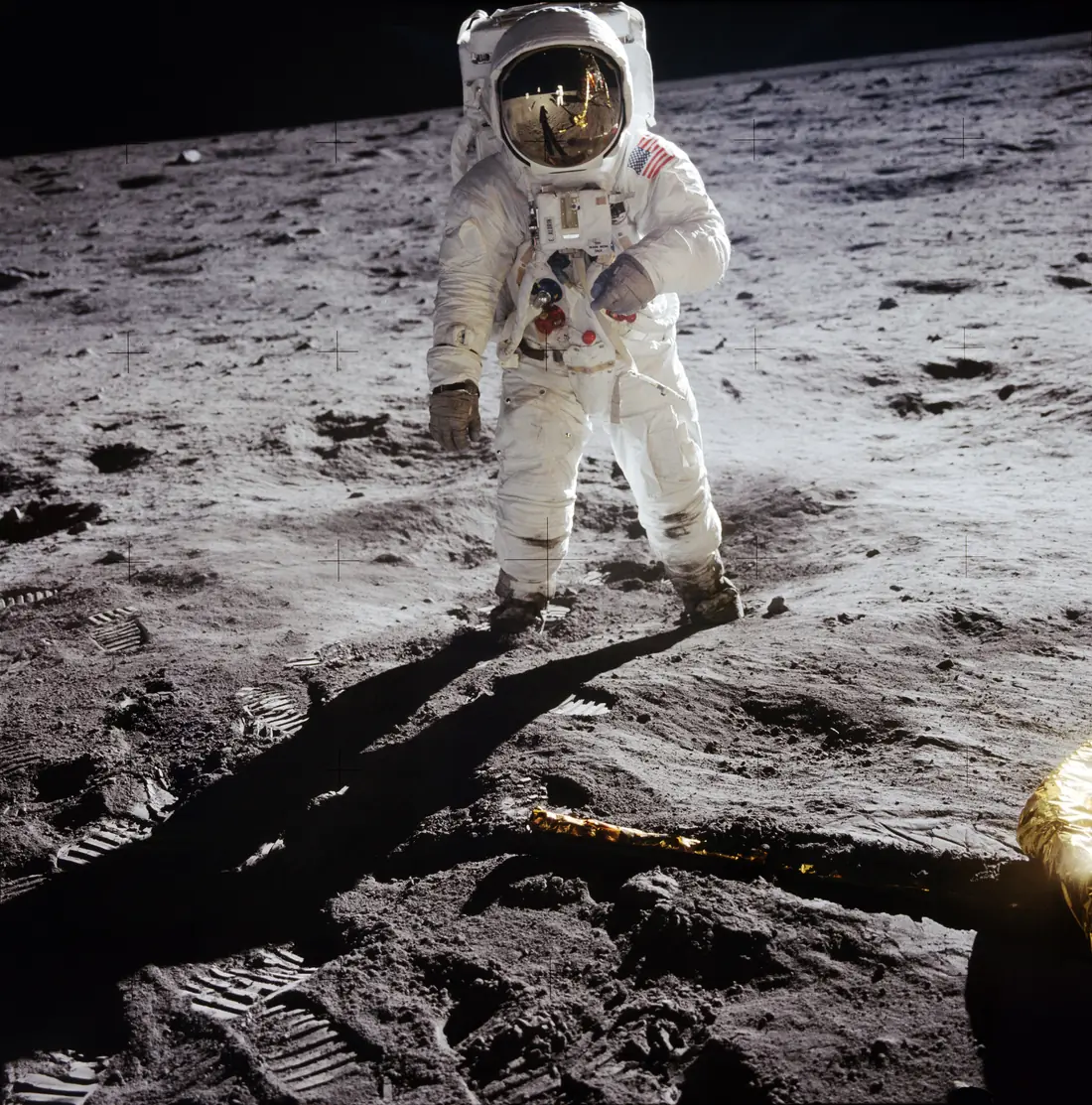
Apollo 11 Moon Landing — Humanity's Giant Leap — Moon (Sea of Tranquility)
Image: Neil A. Armstrong · Public domain

Neil Armstrong stepped onto the moon and said the words everyone had been waiting for. What almost nobody noticed was that he had just broken a promise to his crewmate.

The thing about Apollo 11 is that we've calcified it into myth—the triumph, the flag, the giant leap. But the actual consequence of that July night in 1969 rippled outward in ways that had nothing to do with space exploration and everything to do with how humans decide what matters.

Start with the basic strangeness: 600 million people watched Armstrong and Buzz Aldrin walk on the moon. That's roughly one in every five humans alive at the time. In the Soviet Union, people gathered in secret to watch the American broadcast. In China, where the government had not announced the mission, citizens huddled around hidden radios. For one moment, the Cold War paused. The space race—that proxy war of ideology and engineering—had produced something that transcended it entirely.

But here's what shifted after: the money stopped. NASA's budget peaked in 1966 at $5.4 billion (in today's dollars, roughly $50 billion). By 1975, it had collapsed to $2.7 billion. The moment we proved we could do the impossible, the impossible stopped seeming worth paying for. Three more moon landings happened after Apollo 11. The last one, in December 1972, barely made the news. Nobody remembers the name of the last person to walk on the moon—Eugene Cernan—because by then, the world had already decided to look away.
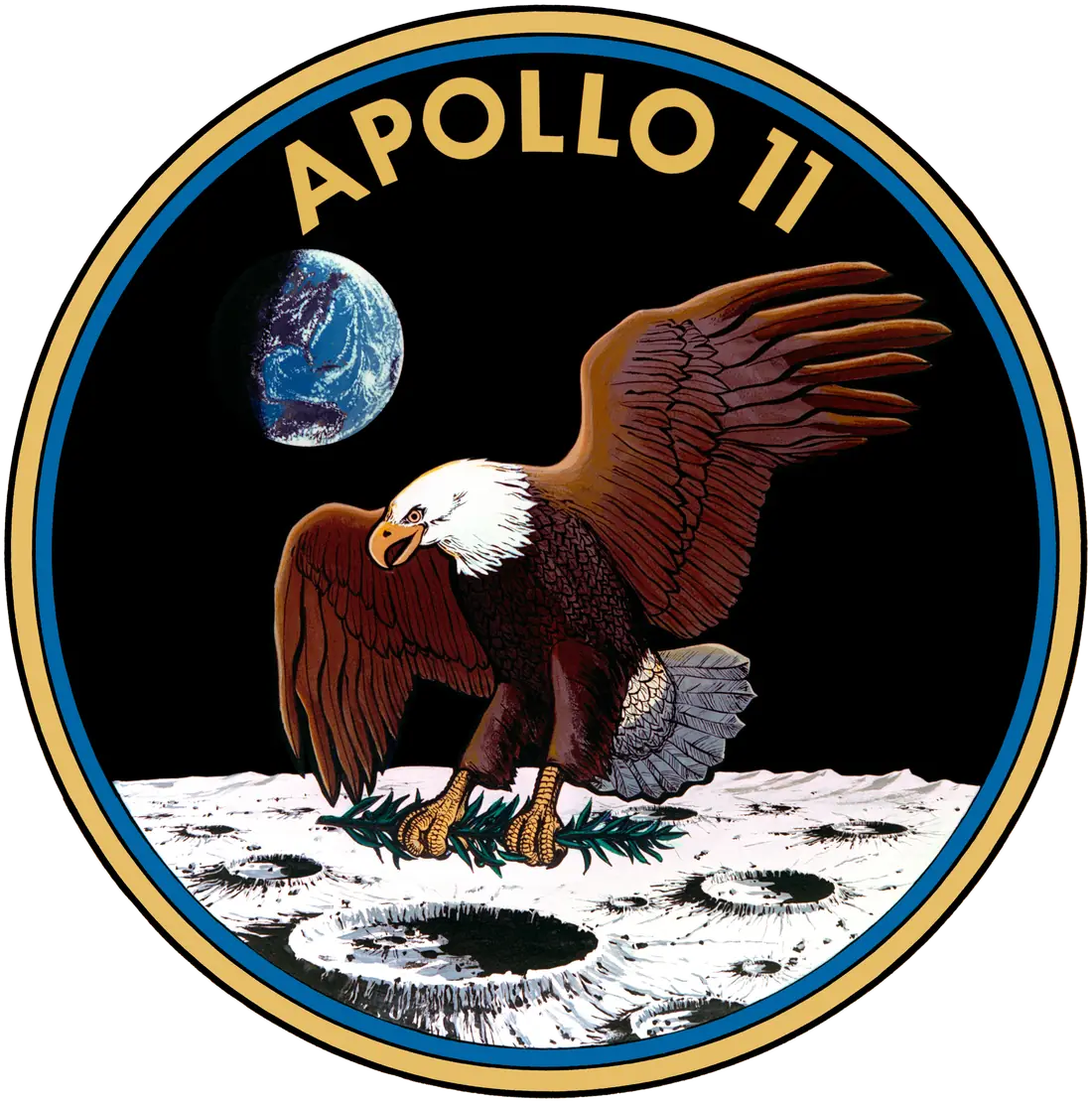
Apollo 11 Moon Landing — Humanity's Giant Leap — Moon (Sea of Tranquility)
Image: NASA · Public domain

That absence cascaded. The engineers and scientists scattered. The momentum toward Mars evaporated. The vision of permanent lunar settlements, of humans as a spacefaring species, contracted into a modest program of Earth-orbit missions. We had proven the technology worked. We had beaten the Soviets. Mission accomplished. Problem solved. Next.

What actually mattered, though, was smaller and stranger. The photographs changed something. Earthrise—that image of our planet, small and fragile and alone against the black—became the visual seed of the environmental movement. People saw Earth from outside Earth for the first time and suddenly understood it as finite, vulnerable, worth protecting. The Apollo astronauts became accidental prophets of conservation, not by intention but by accident of perspective.

There's also this: Armstrong's famous words—"one small step for man, one giant leap for mankind"—contained a grammatical slip that haunted him for fifty years. He'd meant to say "one small step for a man," but the article got lost in transmission or in his own delivery. It was a tiny, unremarkable mistake that became the most quoted sentence in human history. We built our mythology on a grammatical error, and nobody cared enough to correct it.
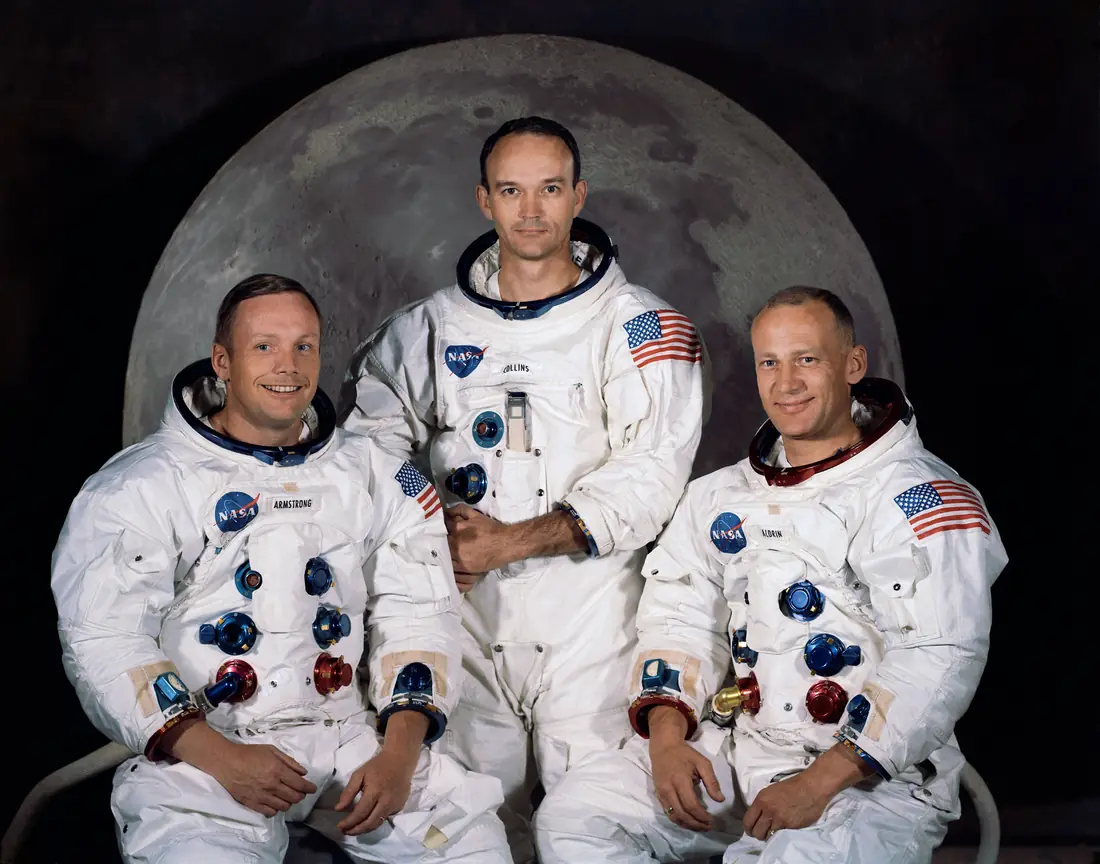
Apollo 11 Moon Landing — Humanity's Giant Leap — Moon (Sea of Tranquility)
Image: NASA · Public domain

The real aftermath wasn't triumph extended. It was the strange quiet that follows when you've done something so difficult that nothing else seems to compare. Armstrong went back to being a test pilot. He gave almost no interviews. He seemed almost haunted by having achieved the thing everyone said would define him forever. He'd reached the moon and found that reaching it meant having to come back down.

We spent the money, we made the leap, we changed nothing fundamental about ourselves. We just took a picture.

Source: en.wikipedia.org/wiki/Apollo 11
Politics & state

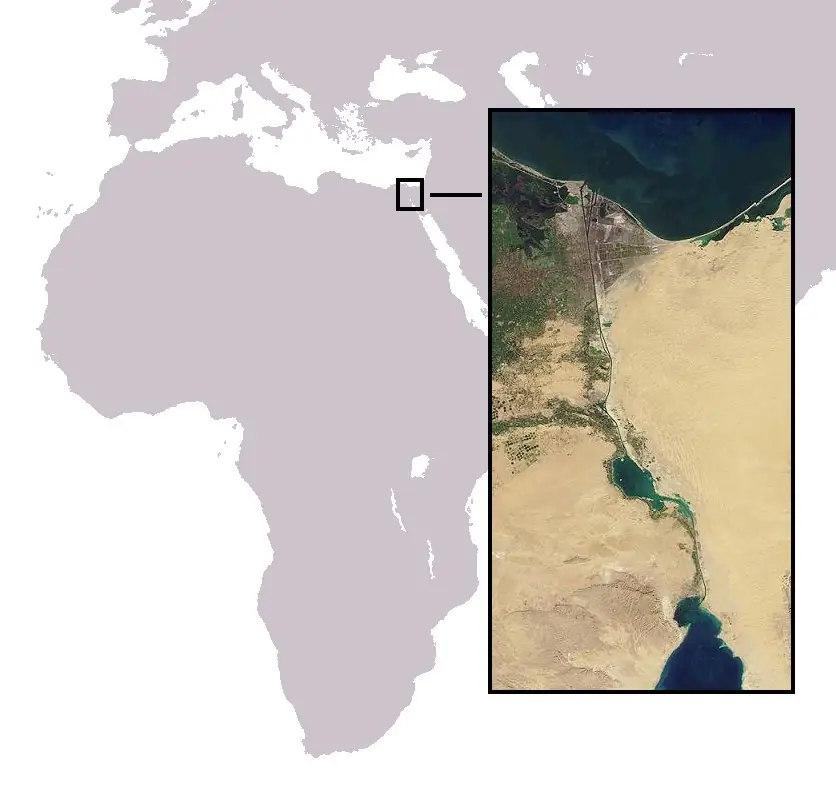
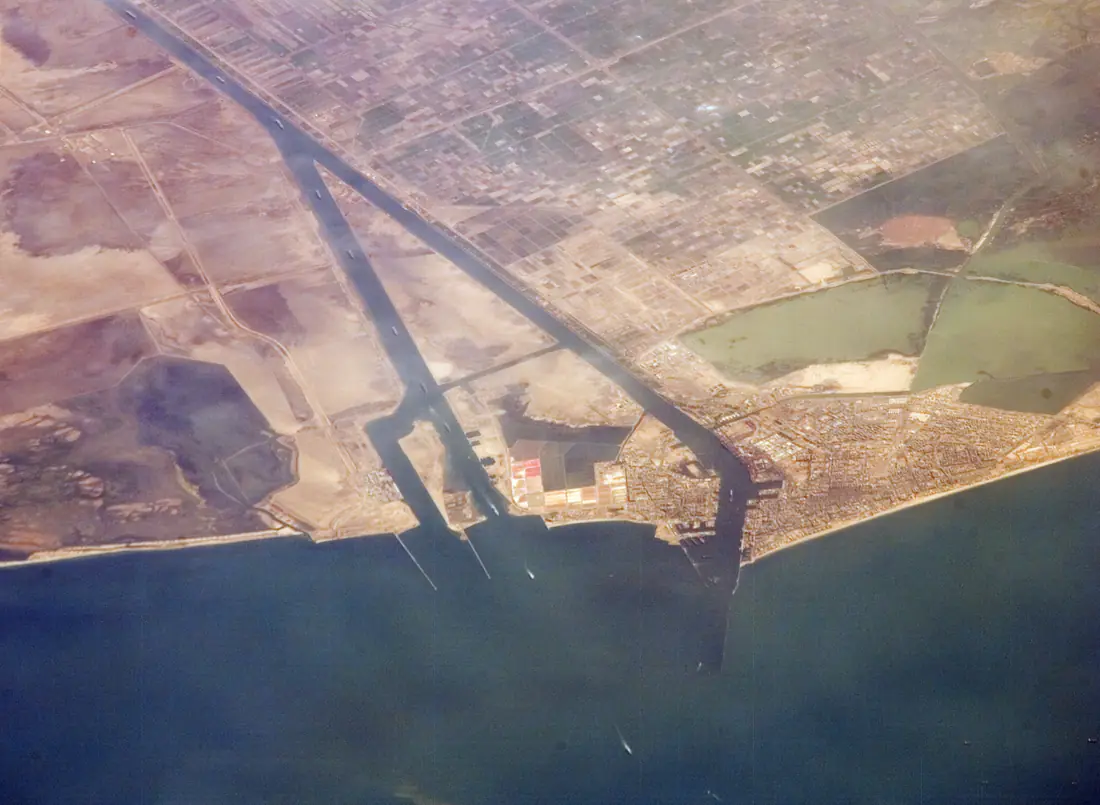
Nasser Nationalizes the Suez Canal—Triggering Global Crisis

Port Said, Egypt

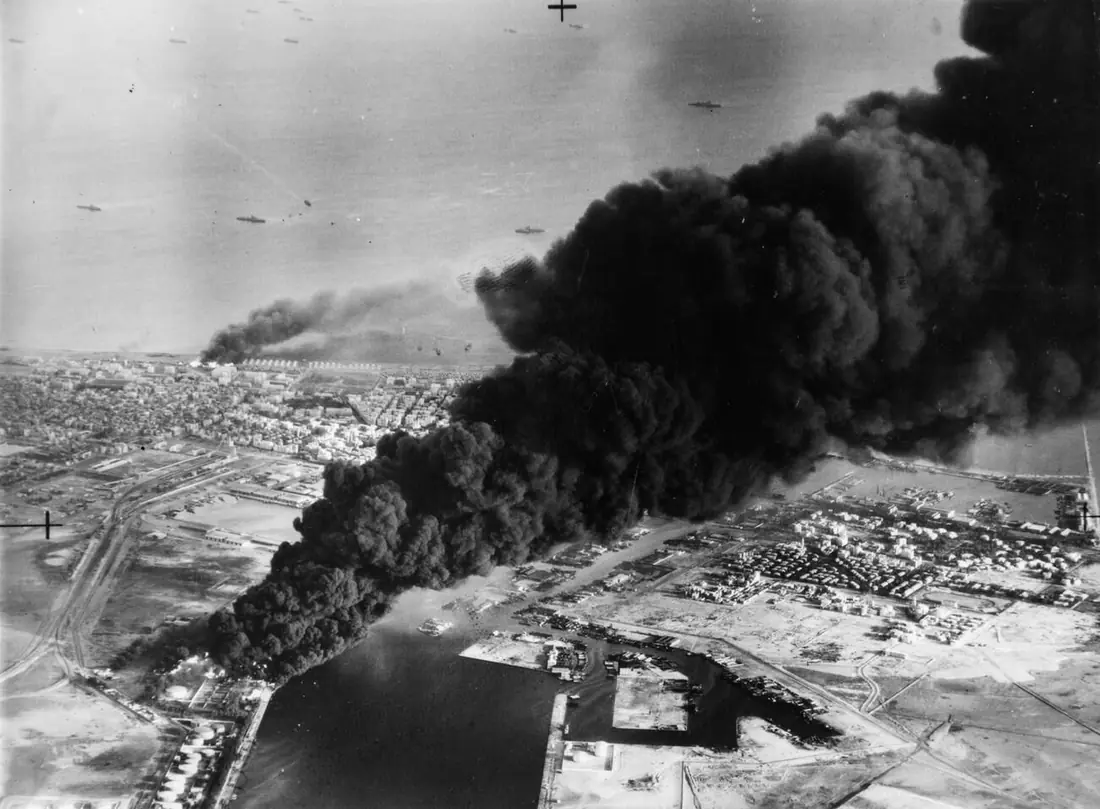
Nasser Nationalizes the Suez Canal—Triggering Global Crisis — Port Said, Egypt
Image: Fleet Air Arm official photographer · Public domain

Gamal Abdel Nasser did not announce the nationalization of the Suez Canal because he wanted to. He did it because a American banker told him no.

On July 26, 1956, standing in Alexandria before a roaring crowd, the Egyptian president seized control of the waterway that carried 14 percent of the world's maritime traffic—a chokepoint so vital that losing it could strangle an empire. But the real story isn't about Nasser's audacity. It's about the humiliation that came three months before, when the World Bank withdrew its offer to finance the Aswan High Dam, the engineering dream that would have transformed Egypt.

The dam was supposed to be Egypt's future. It would generate electricity, control the Nile's devastating floods, and irrigate millions of acres of desert. Nasser had negotiated with the Americans and British for years. They'd agreed to fund it. Then, in July, the U.S. Secretary of State John Foster Dulles—irritated by Egypt's arms deals with the Soviet Union—simply walked away. The money evaporated.

Nasser needed cash, and fast. The Suez Canal generated roughly $100 million annually in transit fees. It was sitting right there, owned by a private company called the Suez Canal Company, mostly financed by British and French shareholders. The logic was brutal and simple: seize it, pocket the revenue, build the dam himself.

Nasser Nationalizes the Suez Canal—Triggering Global Crisis — Port Said, Egypt
Image: Wikimedia Commons · CC BY 2.5

What he didn't fully calculate was how completely this would unravel the post-war order. Britain and France—still nursing imperial ambitions and economic dependence on Middle Eastern oil—saw the seizure as an existential threat. Israel, always anxious about Egyptian military strength, saw opportunity. They coordinated in secret. Within four months, the three nations launched a coordinated invasion: Israel attacking from the east, British and French forces bombing from the air and landing on the coast.

The operation was tactically competent and politically catastrophic. Within 12 days, Israeli forces had swept across the Sinai. British and French paratroopers controlled the canal zone. They'd achieved exactly what they set out to do. And then the world told them to stop.

The United States and Soviet Union—bitter enemies in every other arena—voted together at the United Nations to condemn the invasion. Eisenhower, fearing Cold War escalation and furious at being excluded from the planning, applied economic pressure. Within weeks, the invaders withdrew, humiliated.

Nasser Nationalizes the Suez Canal—Triggering Global Crisis — Port Said, Egypt
Image: NASA astronaut · Public domain

Nasser, who'd lost the military battle, won everything else. He became the hero of Arab nationalism. He kept the canal. He eventually built his dam with Soviet money and engineering. Britain and France retreated from the Middle East forever, their imperial pretense finally exhausted. Israel learned that military victory meant nothing without political cover.

The strangest part: Nasser's nationalization—the act that triggered this entire convulsion—was justified. The canal was Egyptian territory, and Egypt had every legal right to control its own infrastructure. But that reasonable fact got buried under the invasion, the geopolitics, and the mythology. We remember 1956 as a crisis, a near-war, a clash of empires. Barely anyone remembers it started with a banker saying no.

Source: en.wikipedia.org/wiki/Suez Crisis

Use the arrow keys to move between days

Browse the full archive →