Daily History
Politics & state

Nixon Announces Resignation on Live Television

Washington, D.C., United States
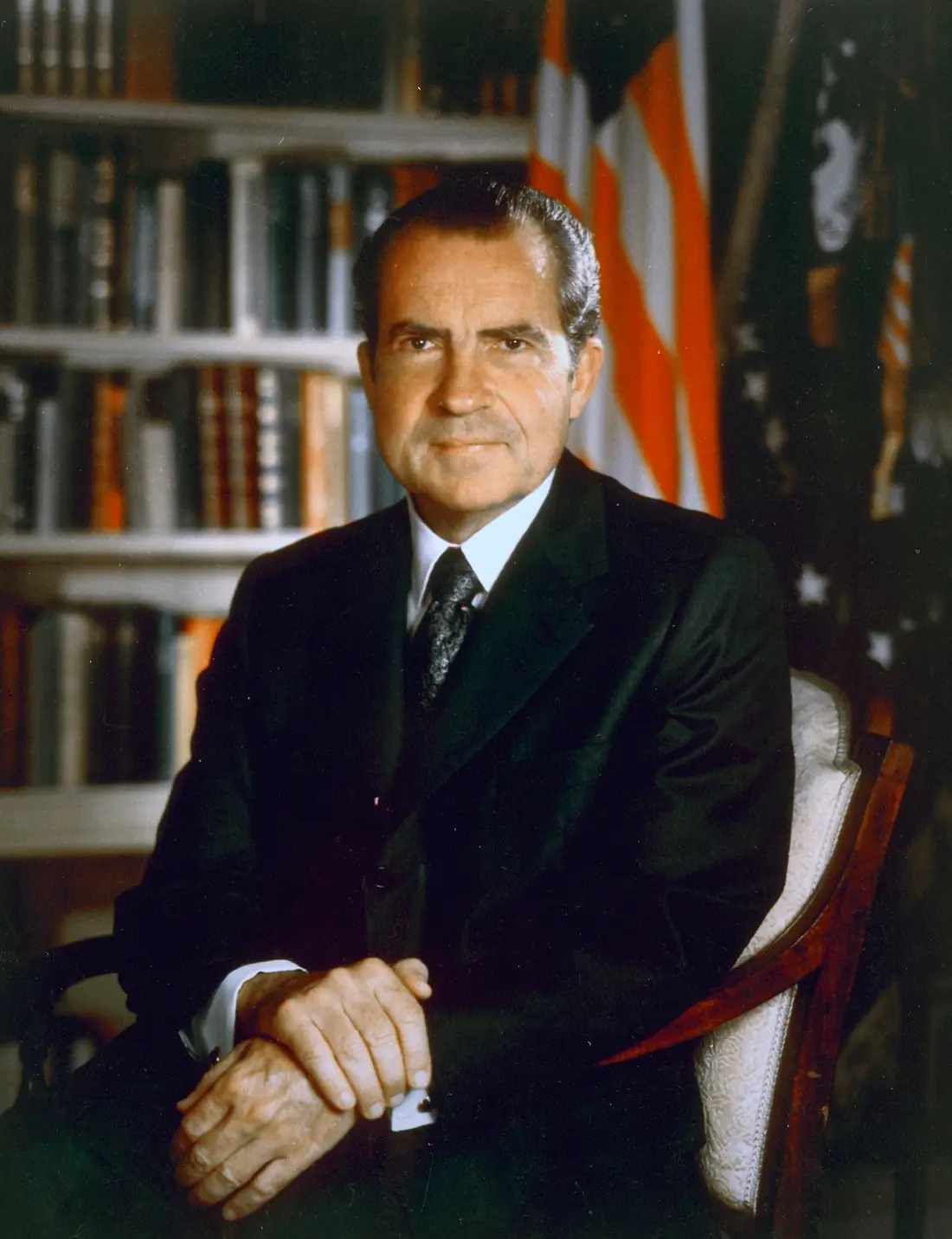
Nixon Announces Resignation on Live Television — Washington, D.C., United States
Image: Oliver F. Atkins · Public domain

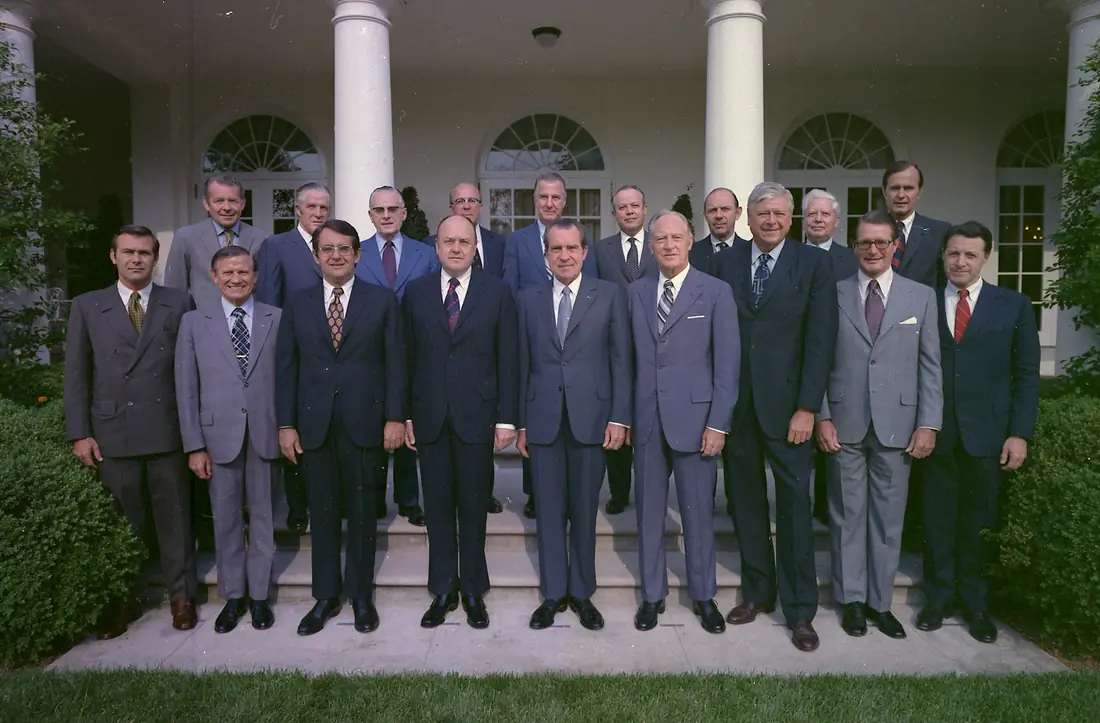
On the evening of August 8th, 1974, Richard Nixon sat alone in the Lincoln Sitting Room and made a decision that would unravel the machinery of executive power itself — not through a coup, not through defeat in war, but through the simple act of admitting he could no longer sustain a lie.

What makes this moment strange is how orderly it was. Nixon didn't flee. He didn't fight to the last vote in Congress. Instead, he called his chief of staff and said, "I shall resign the presidency effective at noon tomorrow." Then he went on television and told 330 million Americans that he was stepping down because he no longer had "a strong enough political base in the Congress to justify continuing." Translation: they had the votes to remove him, and everyone knew it. He was choosing controlled exit over public humiliation.

But here's what almost nobody understood in real time: Nixon had just created a constitutional precedent that didn't exist before. The Founders had written impeachment into the system as a theoretical check on power, but no president had ever actually faced removal. Andrew Johnson came close in 1868—the Senate fell one vote short. Now Nixon was making resignation itself a viable exit, a way for a sitting president to leave without the formal machinery of conviction grinding forward. He was, in effect, inventing a new way to lose.
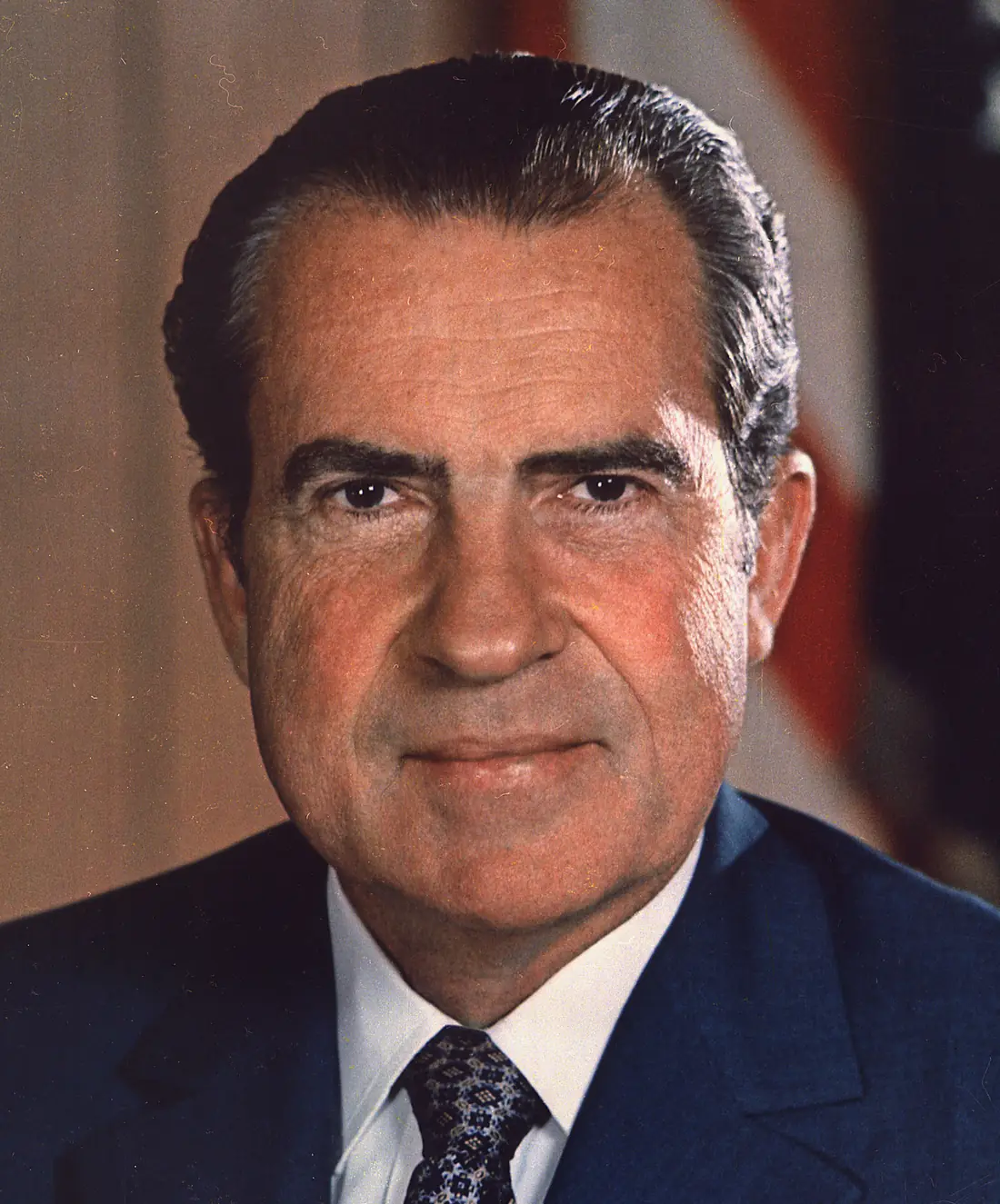
Nixon Announces Resignation on Live Television — Washington, D.C., United States
Image: Department of Defense. Department of the Army. Office of the Deputy Chief of Staff for Operations. U.S. Army Audiovisual · Public domain

The consequences rippled outward in ways that reshaped American governance for decades. Gerald Ford became president—an unelected man who had never won a national campaign, thrust into the role by circumstance and succession. That alone was extraordinary. But what followed was stranger: within a month, Ford issued a full pardon for Nixon's crimes. The logic was pragmatic: a trial would tear the country apart, Ford reasoned. Better to heal and move forward. Except healing doesn't work that way. You can't pardon your way past institutional rot.

What actually happened was that Nixon's resignation created a template for presidential accountability that was simultaneously revolutionary and toothless. Yes, a president could now be forced to leave. But once gone, he could also be forgiven without consequence. The threat of removal existed; the certainty of punishment did not. Forty years later, when other presidents faced investigations, this became the shadow argument: Nixon resigned; didn't that prove the system worked? Never mind that he served no prison time. Never mind that he spent his remaining decades writing books and giving interviews, rehabilitating his image with the very media he'd declared an enemy.
Nixon Announces Resignation on Live Television — Washington, D.C., United States
Image: Karl Schumacher · Public domain

The real damage wasn't to Nixon—it was to the idea that a president could be held accountable in any meaningful way. The mechanism existed. Congress had used it. And yet the man at the center walked away with his pension, his Secret Service detail, and his dignity mostly intact. Future presidents would study this closely. They would learn that resignation could be spun as statesmanship. They would learn that if you could survive long enough, the public would eventually move on.

Nixon spent his final years in New York, writing op-eds about foreign policy, dining with journalists, slowly erasing the memory of the man who had taped his own incriminating conversations in the Oval Office. The system had worked, everyone agreed. The crisis had passed. What nobody wanted to admit was that the crisis had simply been postponed, and the next time around, the next president would know exactly how much they could get away with before the moment came to resign.
Source: en.wikipedia.org/wiki/Resignation of Richard Nixon

War & conflict

USS Indianapolis Torpedoed in Philippine Sea

Philippine Sea

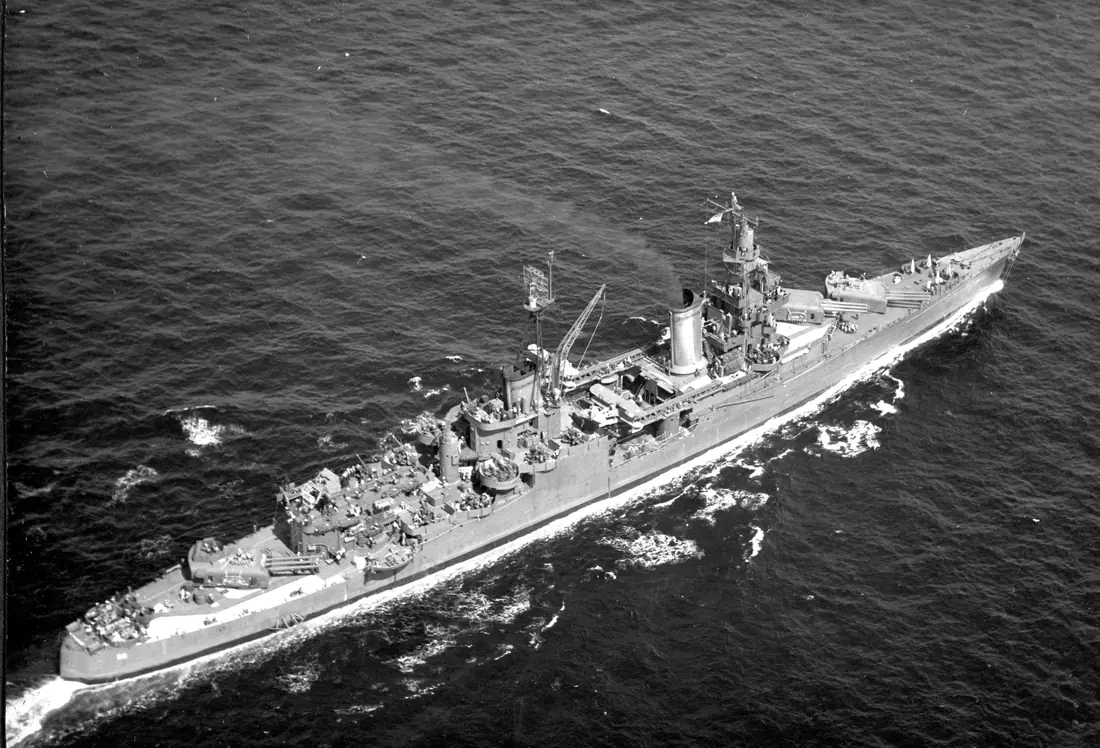
USS Indianapolis Torpedoed in Philippine Sea — Philippine Sea
Image: Unknown authorUnknown author · Public domain

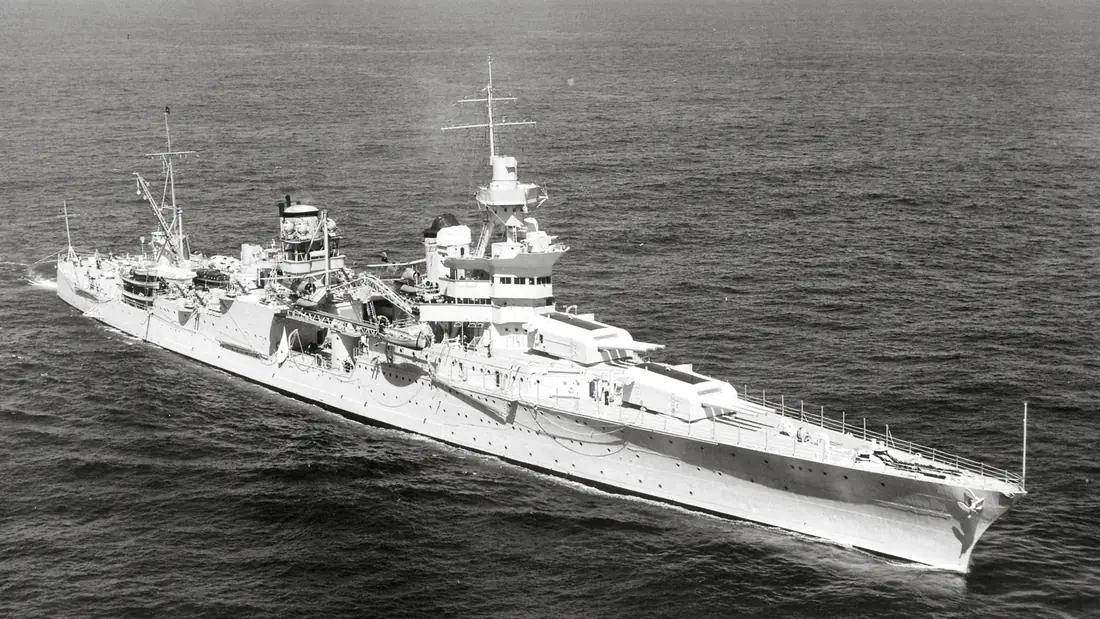
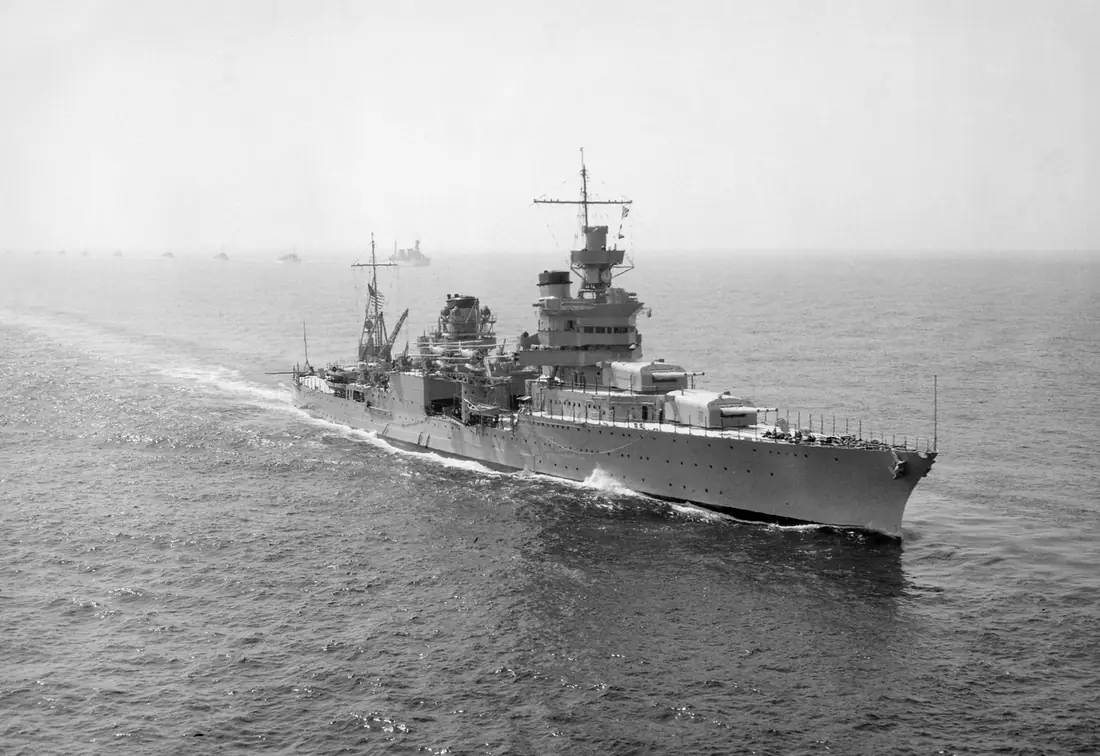
The USS Indianapolis was crossing the Philippine Sea on a routine summer night, the kind of night when a ship full of men can feel like the safest place on Earth. It was July 30, 1945—five days after Hiroshima, though the crew didn't yet know the war was ending. The cruiser had just delivered uranium and bomb components to Tinian Island and was steaming toward Leyte Gulf at twelve knots, a journey that should have taken four days. The ocean was calm. The weather was unremarkable. Nothing announced that this would become one of the worst naval disasters in American history.

At 12:14 a.m., the Japanese submarine I-58 fired two Type 95 torpedoes from three miles away. The first hit the ship's starboard side, tore through the hull, and severed the steering mechanism. The second struck amidships and ignited fuel stores. The Indianapolis, a heavy cruiser that had survived the entire Pacific War, sank in twelve minutes. The crew had almost no time to launch lifeboats. Most of the 1,196 men aboard went into the water with nothing but their uniforms and whatever they could grab.

What followed was worse than the sinking. The Navy had no idea the ship was gone. The Indianapolis had failed to send a distress signal—the radio operators went down with the ship—and the Navy's standard procedure was to assume a vessel had simply gone silent for routine reasons. No rescue was coming. The crew didn't know that either.

USS Indianapolis Torpedoed in Philippine Sea — Philippine Sea
Image: U.S. Navy photo 80-G-425615 · Public domain

For four days, the men floated in the Pacific. Sharks came. The water was warm, which meant hypothermia wasn't the killer; dehydration and salt-water poisoning were. Men drank seawater and went mad. Some simply let go. The Navy didn't launch a search until a PBY flying boat spotted the survivors by accident on August 2nd, four days later. Of the 1,196 who went into the water, 317 came out alive.

The disaster might have stayed footnote-sized—one ship among thousands lost in the war—except for what happened next. The Navy needed someone to blame. Captain Charles McVay III, the Indianapolis's commanding officer, was court-martialed for "hazarding his ship by failing to zigzag." Zigzagging was a tactic meant to throw off submarines, though it consumed extra fuel and slowed transit. The Navy convicted him anyway. He was the only captain of a sunken warship prosecuted during the entire war. Twenty years later, in 1968, McVay shot himself in the head. He was sixty.

USS Indianapolis Torpedoed in Philippine Sea — Philippine Sea
Image: Unknown authorUnknown author · Public domain

The real absurdity: the Navy later discovered that I-58's captain, Hashimoto Moshiichi, had aimed at the Indianapolis by pure chance. The sub wasn't hunting it; Hashimoto simply saw a shape on the horizon and fired. The American Navy had turned a random act of war into a court case, then turned a court case into a man's suicide, all to avoid admitting that sometimes ships sink because of luck.

McVay's name was cleared in 2001, fifty-six years after his death, by a congressional resolution sponsored by a fifteen-year-old girl named Hunter Scott who had read about the Indianapolis in a book and decided the Navy owed the captain's memory a correction. The Navy issued an official apology. It was, of course, too late.

Source: en.wikipedia.org/wiki/USS Indianapolis (CA-35)

Use the arrow keys to move between days

Browse the full archive →