Daily History
War & conflict

Iraq Invades Kuwait, Triggering the Gulf War

Kuwait
Iraq Invades Kuwait, Triggering the Gulf War — Kuwait
Image: Zymogen92 · Public domain

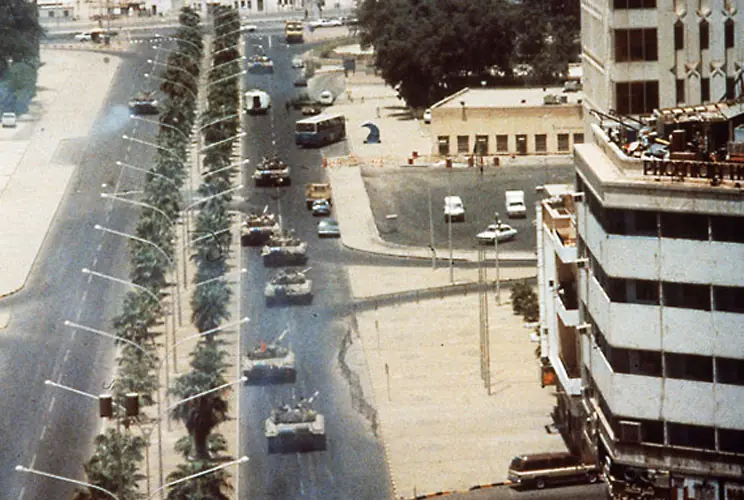
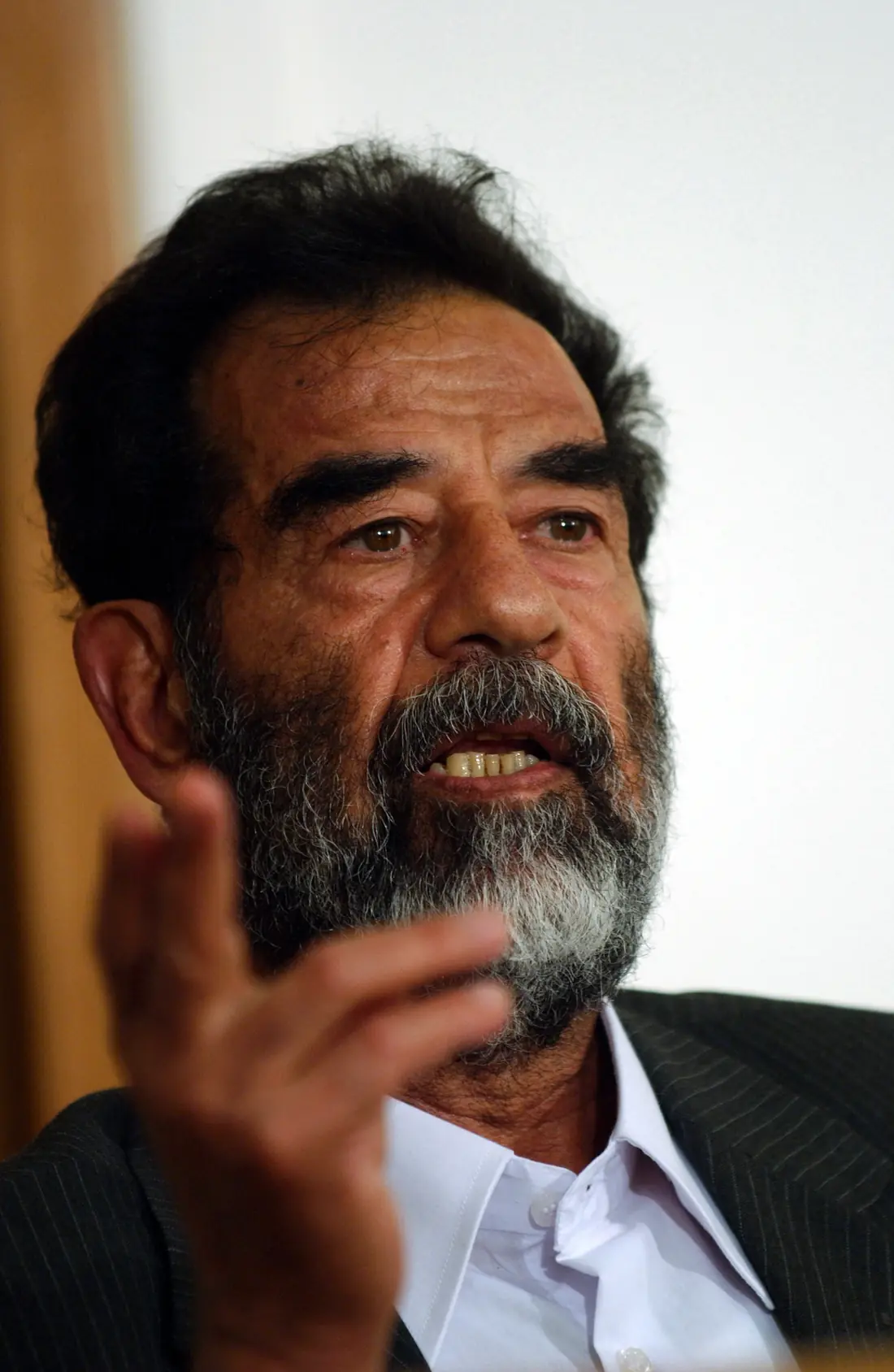
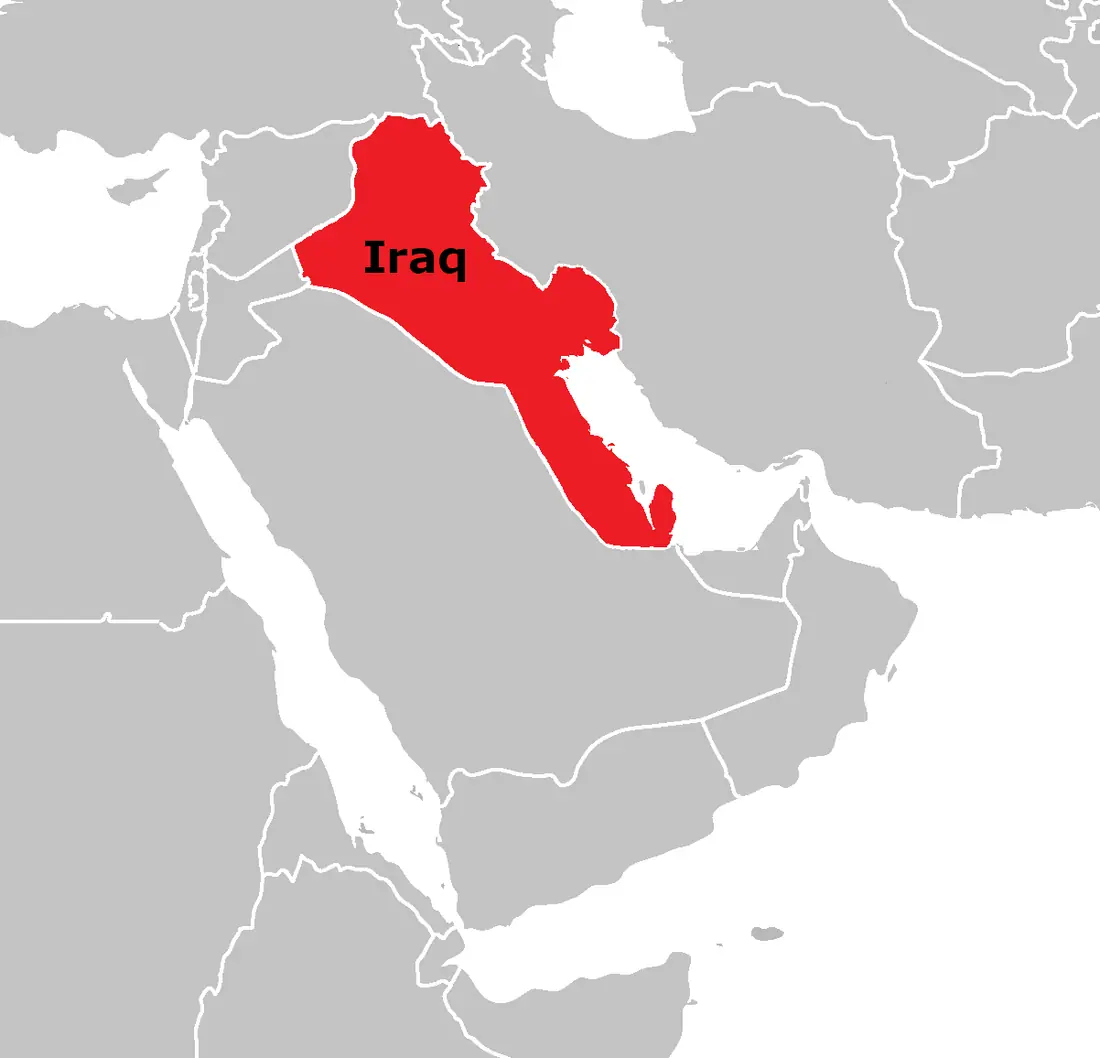
On August 2, 1990, at 2 a.m., Iraqi tanks crossed into Kuwait, and within hours Saddam Hussein had annexed a country the size of Massachusetts. What makes this invasion historically strange isn't that it happened — autocrats have been swallowing smaller neighbors since empires began — but what it revealed about how the modern world actually works when oil is at stake.

Kuwait had oil. Lots of it. Iraq, which also had oil, had debts it couldn't pay, and Saddam convinced himself that seizing Kuwait's reserves would solve his problems. It was the kind of logic that makes sense at 2 a.m. in a military bunker and nowhere else. Within days, the United Nations condemned the invasion. Within weeks, 35 nations had pledged military support to push Iraq out. Within months, 750,000 coalition troops were massed in Saudi Arabia, waiting.

But here's the mechanism that actually mattered: oil prices. When Iraq took Kuwait, it controlled nearly 20 percent of the world's daily oil supply. The price of crude jumped from $15 a barrel to $40 in weeks. That's not just a number — it's a tax on every economy on Earth. Japan, dependent on Middle Eastern oil for 99 percent of its imports, felt it immediately. Europe's fragile recovery stalled. The United States, which had spent the 1980s pretending it didn't need foreign oil while importing more each year, suddenly understood that pretense had limits.
Iraq Invades Kuwait, Triggering the Gulf War — Kuwait
Image: Unknown authorUnknown author · Public domain

The war itself lasted 42 days. "Operation Desert Storm" in January 1991 was technically brilliant and strategically devastating — coalition aircraft flew 2,250 sorties on the first day alone, and Iraqi forces, which hadn't fought a peer military since the 1980s, collapsed. Of the estimated 100,000 Iraqi military deaths, the vast majority came from air strikes; coalition deaths numbered 292. From a purely military standpoint, it was a masterclass in overwhelming force. From a political standpoint, it was a trap disguised as a victory.

The aftermath is where the real story lives. The war didn't end Saddam — he survived and ruled for another 12 years, consolidating power through the chaos. The coalition fractured immediately after. The United States kept 5,000 troops in Saudi Arabia permanently, which enraged Islamic fundamentalists who saw foreign military boots on their holiest soil as intolerable. Osama bin Laden, who had fought the Soviets in Afghanistan and now watched American soldiers settle into the Arabian Peninsula, began planning. The seeds of 9/11 were planted in the dust of Desert Storm.
Iraq Invades Kuwait, Triggering the Gulf War — Kuwait
Image: Sakiv · CC BY 4.0

Oil markets stabilized. Prices fell back below $20 by 1992. The world moved on, satisfied that the international order had held, that aggression had been punished, that everything was under control.

What nobody said out loud was that the real victor wasn't democracy or the United Nations — it was the Saudi royal family, which had been handed American military protection in perpetuity, and the oil industry, which had just demonstrated that when supply chains break, the entire global economy trembles. Within a decade, that lesson would reshape every military doctrine, every trade agreement, and every foreign policy calculation that followed. The invasion of Kuwait lasted 42 days. Its consequences are still unfolding.
Source: en.wikipedia.org/wiki/Invasion of Kuwait

War & conflict

Nelson's Victory at the Battle of the Nile

Aboukir Bay, Egypt

Nelson's Victory at the Battle of the Nile — Aboukir Bay, Egypt
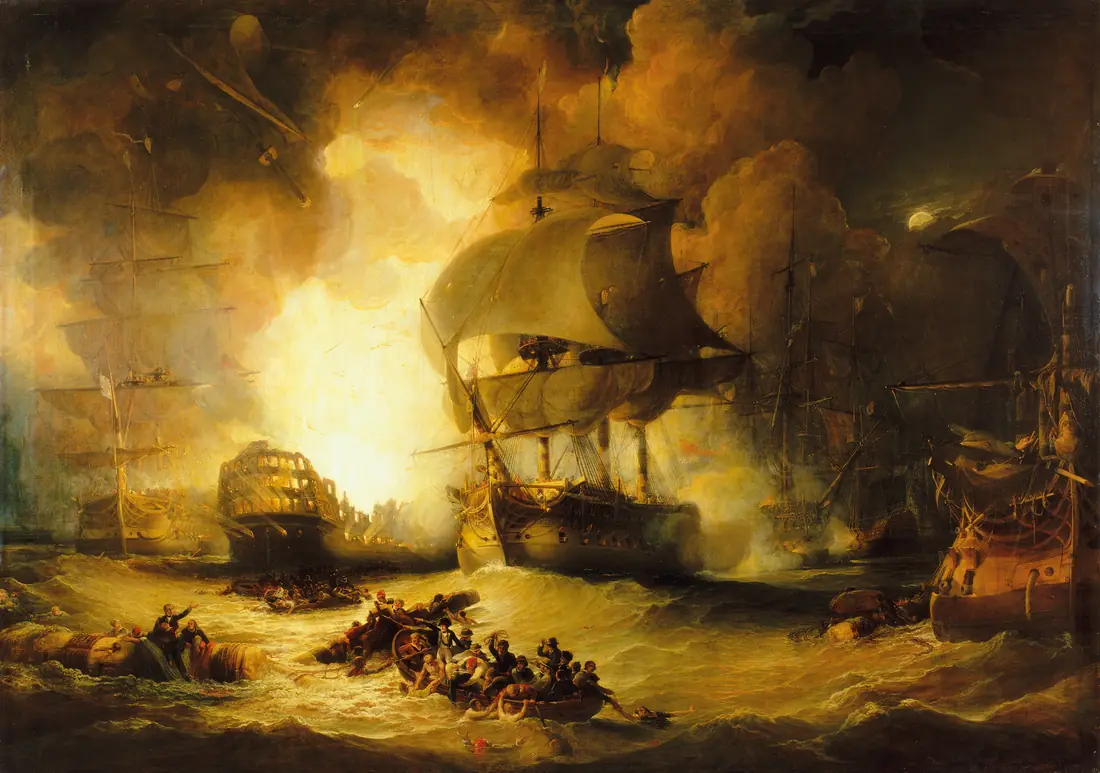
Image: George Arnald · Public domain

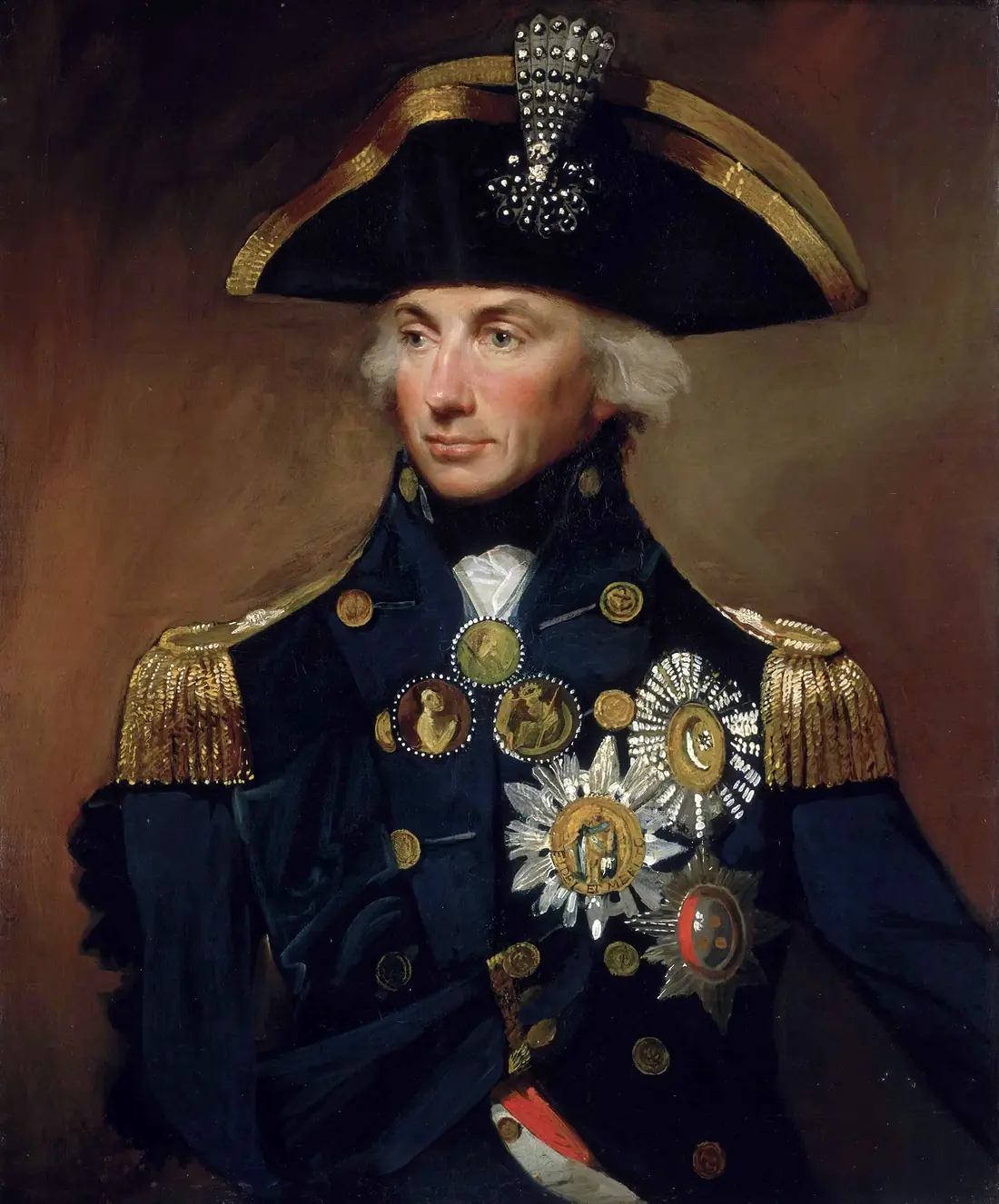
Nelson had one eye and no fleet. That was the situation on August 1st, 1798, when he sailed into Aboukir Bay looking for the French.

A year earlier, he'd lost the eye to a cannonball fragment during a siege in Corsica. The injury never slowed him. What should have slowed him was mathematics: the French fleet under Admiral Brueys had thirteen ships of the line—the capital warships of the age—plus four frigates. Nelson had fourteen ships. On paper, slightly better odds. In practice, Brueys had spent weeks anchored in a crescent formation in the shallow bay, using the shore as a shield. The French admiral believed his position was unassailable. No British captain, he'd written to Paris, would be mad enough to attack a defended anchorage at night.

Nelson read that assessment and decided to prove him wrong.

Nelson's Victory at the Battle of the Nile — Aboukir Bay, Egypt
Image: Lemuel Francis Abbott · Public domain

What made August 1st different from August 2nd was this: the world had assumed Napoleon's navy was safe. The young general had conquered Egypt and was consolidating power. His supply lines ran through the Mediterranean. The French fleet protected those lines. Break the fleet, and you break the entire Egyptian campaign before it properly begins. But no one had broken it yet. Nelson had been hunting Brueys for weeks across the sea, and the Mediterranean is vast. Finding a fleet in open water is like finding a specific ship in the ocean—which is to say, nearly impossible. That Brueys was anchored made him findable. It also made him, he believed, untouchable.

What happened next was neither complicated nor mysterious, just audacious. Nelson's captains understood his signal: attack the enemy line from both sides at once. At sunset, as the wind shifted, the British ships moved. Some sailed outside the French crescent; others attacked from within. Darkness fell. The bay became chaos—muzzle flashes, the roar of broadsides, the screams of men burning in the wooden hulls. It went on for twelve hours.

Nelson's Victory at the Battle of the Nile — Aboukir Bay, Egypt
Image: Unknown artistUnknown artist · Public domain

By dawn, the French fleet was destroyed. Of Brueys's thirteen ships, eleven were captured or sunk. The French lost over 1,700 men killed. Nelson's fleet lost 218. The British had achieved something unprecedented: a complete naval annihilation in defended waters, at night, against an anchored enemy.

What changed was not subtle. Napoleon's invasion of Egypt was suddenly impossible to sustain. His army would be stranded. Within months, it would begin its retreat. The general's eastern ambitions evaporated on the waters of Aboukir Bay.

But here is the detail that lingers: Brueys was killed during the battle, shot down on his own quarterdeck as his ship burned. His last order to his crew was to continue fighting. They did. They always do. The difference between confidence and catastrophe, it turned out, was simply whether your enemy had already decided the rules no longer applied. Nelson had. Brueys had not. One man lost an eye and gained a legend. The other lost everything and is remembered, when remembered at all, as the admiral who was wrong about his own position.

Source: en.wikipedia.org/wiki/Battle of the Nile

Use the arrow keys to move between days

Browse the full archive →