Daily History
War & conflict

Britain declares war on Germany, entering World War I

London, United Kingdom
Britain declares war on Germany, entering World War I — London, United Kingdom
Image: Collection DocAnciens/docpix.fr · Public domain

Edward Grey sat in the Foreign Office on Whitehall as the sun set on August 4th, 1914, and watched the lamps being lit along the street below. He turned to a colleague and said: "The lamps are going out all over Europe; we shall not see them lit again in our lifetime." Grey was not being poetic. He was being precise. He had just spent the day signing the papers that would send Britain to war, and he understood exactly what that meant.

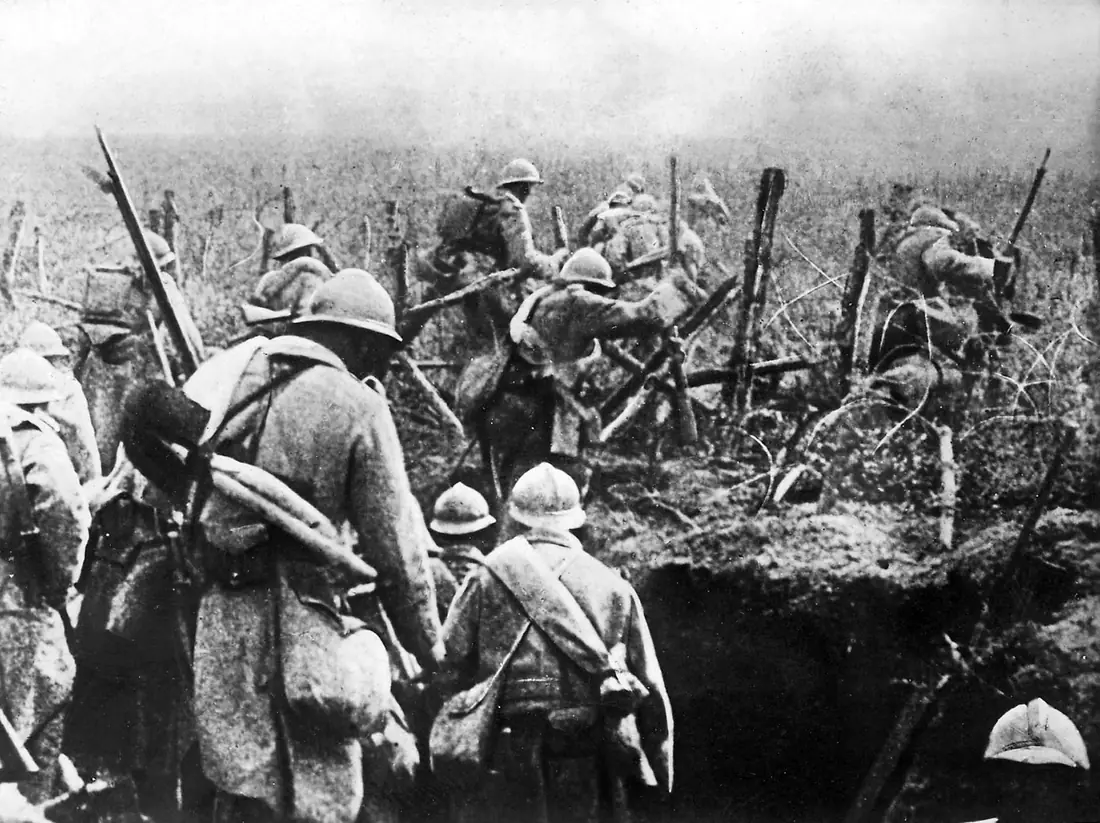
It had taken a month to get here. On June 28th, an archduke was shot in Sarajevo. By late July, the dominoes were falling—Austria-Hungary mobilized against Serbia, Russia mobilized against Austria-Hungary, Germany mobilized against Russia and France. The system of alliances that European powers had spent forty years carefully constructing turned out to be a bear trap. Touch one wire, and the whole thing snaps shut.

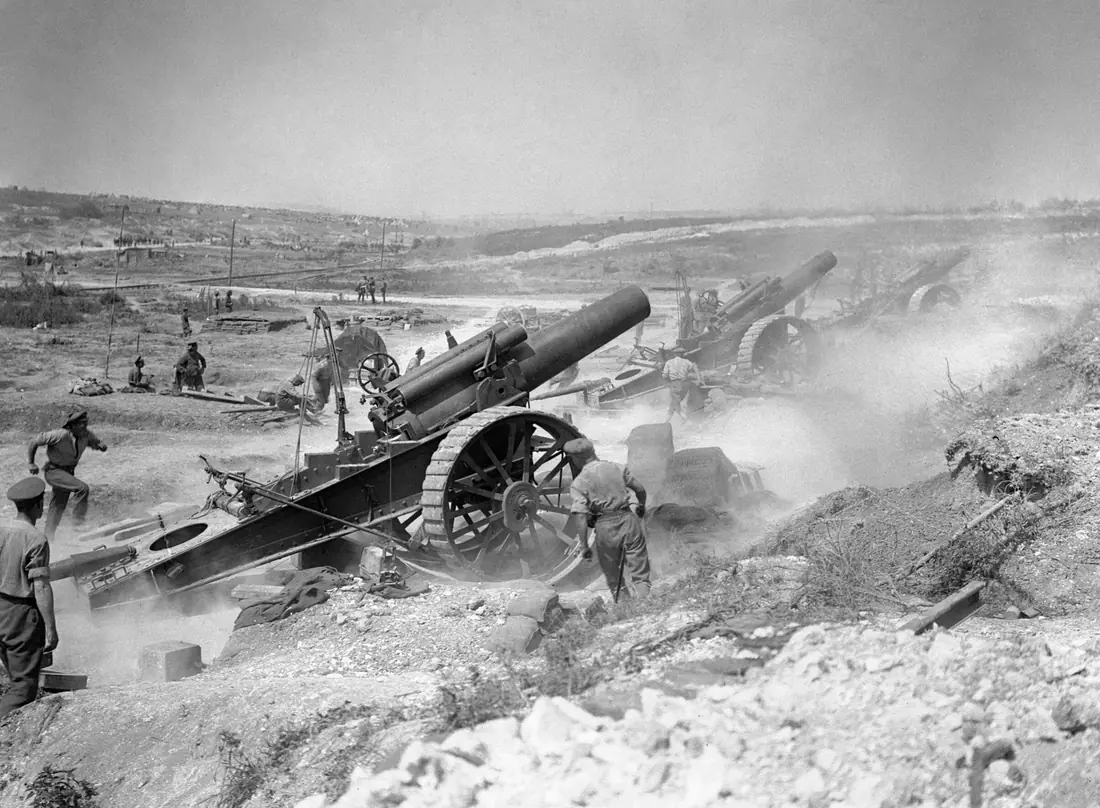
Britain's entry was technically about Belgium. Germany needed to move its armies through Belgium to attack France quickly, and Belgium said no. Germany invaded anyway on August 3rd. Britain had guaranteed Belgium's neutrality back in 1839—a treaty obligation, not an alliance, not a grand strategic vision, but a promise made seventy-five years earlier by politicians now dead. The question on August 4th was whether that promise still meant anything.
Britain declares war on Germany, entering World War I — London, United Kingdom
Image: John Warwick Brooke · Public domain

It did, at least to Herbert Asquith, the Prime Minister. Not everyone in his cabinet agreed. Two ministers resigned rather than vote for war. John Morley, 76 years old and a lifelong Liberal, walked out. He could not stomach it. But the vote passed anyway—the cabinet decided at 2 a.m. on August 4th, and by evening the formal declaration was sent to Berlin. The deadline expired at 11 p.m. No response came back. Britain was at war.

What's strange is how ordinary the day felt to most people. Yes, crowds gathered in Trafalgar Square that evening. Yes, there was cheering and singing. But most Londoners went to work, came home, ate dinner. The war didn't feel real yet because it wasn't real yet—not in the way it would become real, when the casualty lists started arriving, when neighbors stopped coming home. That would take weeks. On August 4th, 1914, it was still possible to believe this would be over by Christmas.
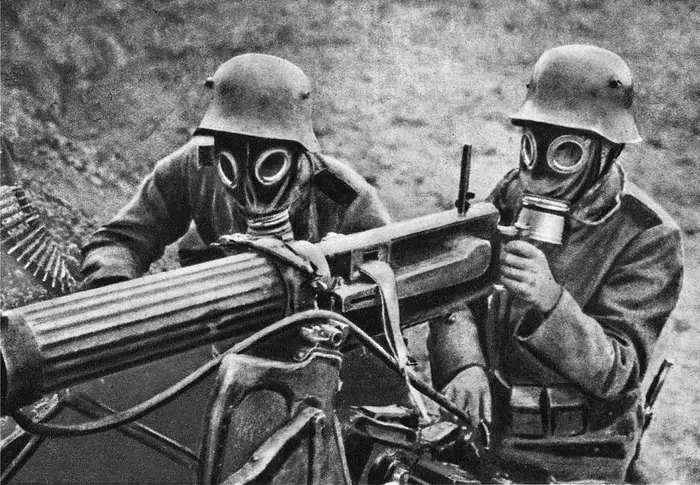
Britain declares war on Germany, entering World War I — London, United Kingdom
Image: Unknown authorUnknown author · Public domain

The soldiers already knew better. Within hours, recruitment notices were posted. Young men began queuing outside barracks. They didn't know what they were walking toward. A 19-year-old clerk in Manchester enlisted that night thinking he'd see action in six months. He would see action in 1916, in the Somme, where 60,000 British soldiers would die on the first day alone. But that was still two years away. On August 4th, he just knew that Britain needed him, and he went.

Grey's lamps metaphor became famous, quoted and requoted as the war ground on. But the thing about metaphors is they're often less true than they seem. The lamps did go out—for four years, for millions of people. But they came back on. The ones that stayed dark were the ones inside the people who didn't come home.
Source: en.wikipedia.org/wiki/World War I

People

Anne Frank writes her final diary entry before capture

Amsterdam, Netherlands

Anne Frank writes her final diary entry before capture — Amsterdam, Netherlands

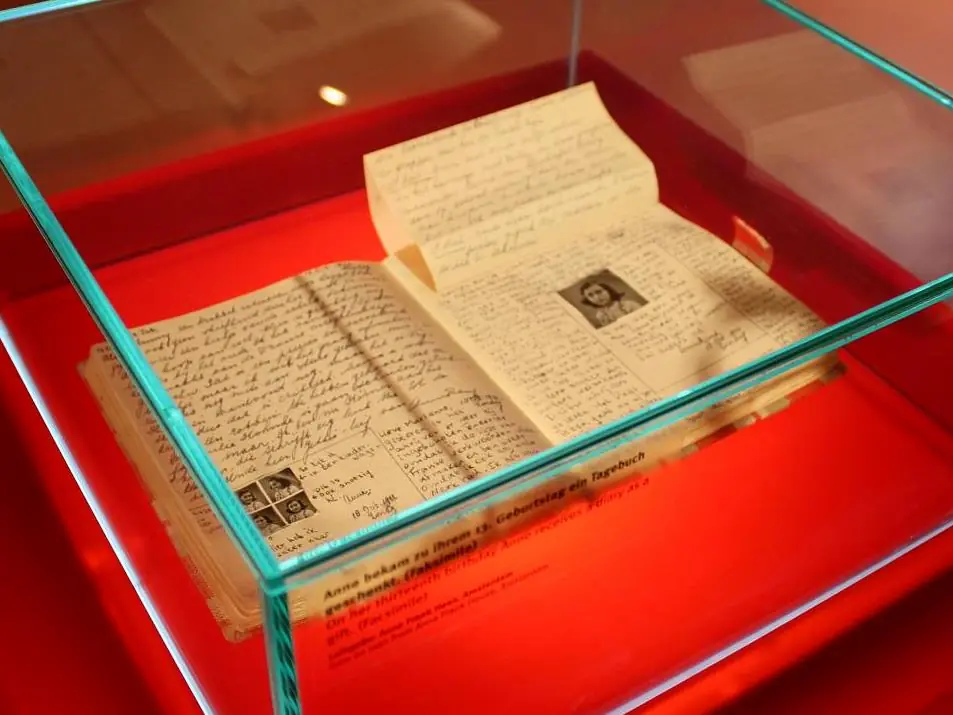
Anne Frank stopped writing on a Friday afternoon, and the world did not notice.

On August 4, 1944, she was thirteen years old, had been in hiding for exactly two years, and had just filled another page of her diary with the kind of observation that had become her habit: a small, sharp thing about human nature, delivered without sentimentality. She wrote about Bep, the helper who brought them food and news from outside, and about the gulf between what people pretend to feel and what they actually feel. Then she closed the book.

Three days later, the Gestapo arrived at 263 Prinsengracht. Someone had informed on them—the identity of the informant remained uncertain for decades, a detail that would haunt historians like an unresolved chord. Anne and seven others were arrested. She was fourteen.

Anne Frank writes her final diary entry before capture — Amsterdam, Netherlands
Image: Martin Gray89 · CC BY-SA 4.0

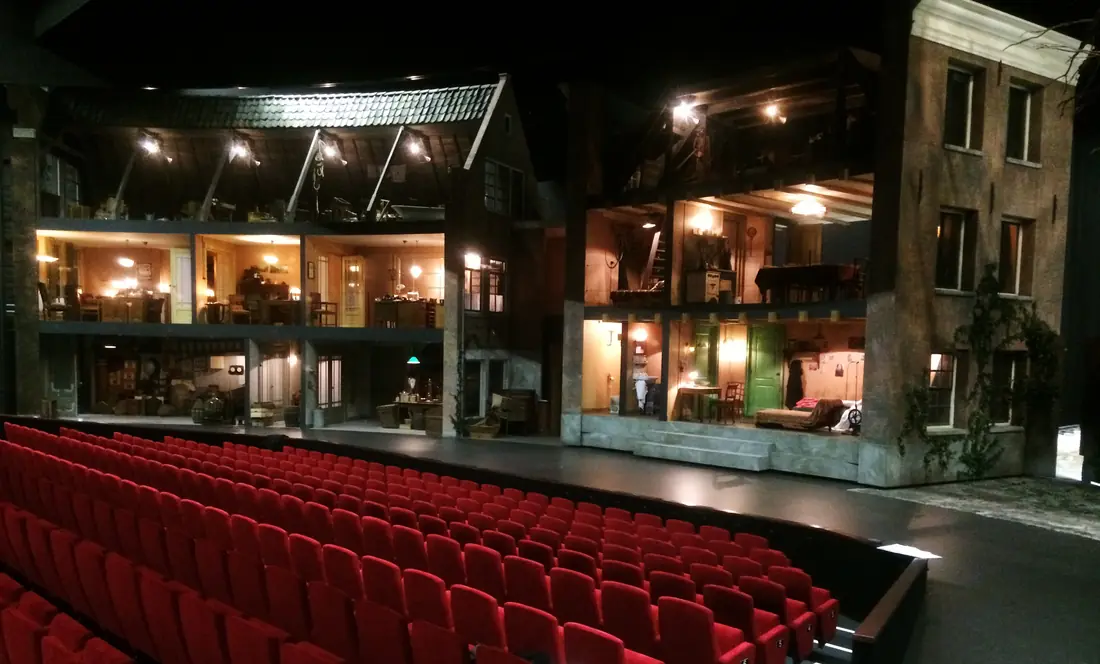
What makes August 3rd, 1944, the day before, so strange to contemplate is how ordinary it was. In Amsterdam, the occupation had calcified into routine. The Nazi authorities had controlled the Netherlands for four years. Deportations of Dutch Jews had been happening systematically since 1942. The Frank family, hidden in the back rooms of a spice merchant's warehouse, had survived longer than most—an achievement that required the kind of luck that feels almost like a private arrangement with fate. Their helpers brought them food. They had books. They had each other. On the surface, at least, the hiding place worked.

But the war was also ending, which made everything more fragile, not less. The Allies had landed in Normandy two months earlier. Germany was collapsing from the outside in. In Amsterdam, in those final months, the Gestapo was actually *accelerating* its hunt for hidden Jews—not because the war was being won, but because it was being lost. There was a kind of desperate momentum to it, as if rounding up the remaining fugitives was the last thing left to accomplish.

Anne Frank writes her final diary entry before capture — Amsterdam, Netherlands
Image: Rodrigo Galindez · CC BY 2.0

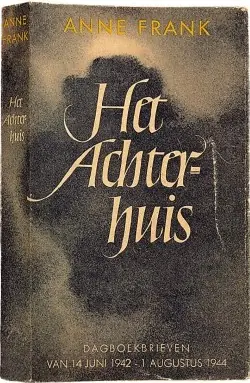
Anne did not know this would be her last entry. If she had, she might have written something different. But she wrote what she always wrote: the truth as she saw it, without drama. "I want to be useful or bring enjoyment to the people around me, people I haven't come into contact with yet and all of whom I would like to befriend," she wrote that day. "I want to go on living even after my death!"

What she could not have known was that the diary itself would become the thing that survived her. Of the eight people arrested that day, only her father, Otto Frank, would live to see the war end. The diary would be found on the floor of the hiding place after the arrests, rescued by Miep Gies and Bep Voskuijl—the very helpers who had kept them alive. It would eventually be read by tens of millions of people in dozens of languages. She would, in fact, go on living after her death, but not in the way she had imagined.

The last entry is fourteen lines long. It takes about ninety seconds to read aloud. It contains no premonition, no farewell, no sense that anything was about to change. That is the strangest thing about it: its perfect, accidental ordinariness.

Source: en.wikipedia.org/wiki/The Diary of Anne Frank

Use the arrow keys to move between days

Browse the full archive →