
Enola Gay departs for Hiroshima, ushering in the nuclear age
Tinian Island, Pacific Ocean
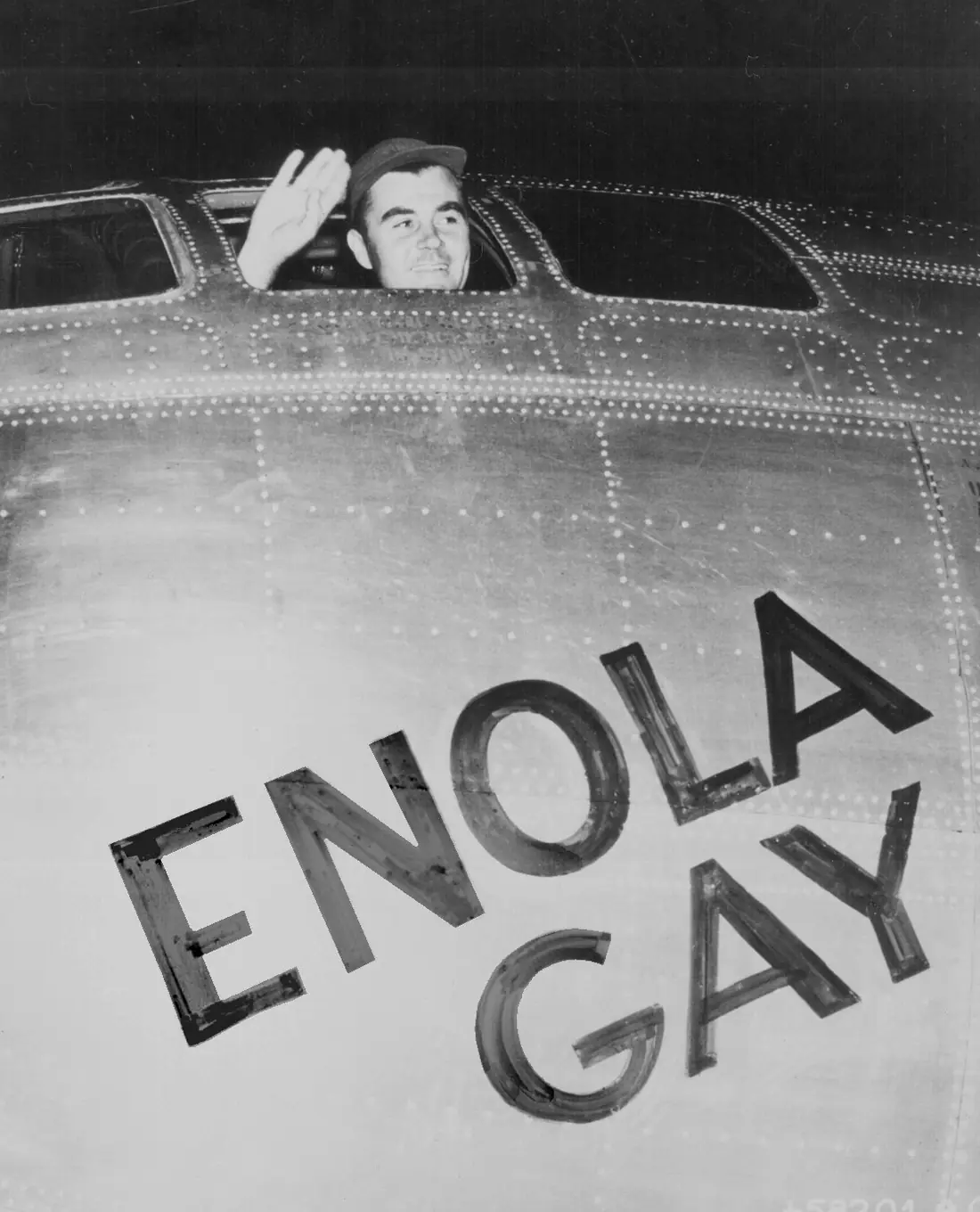
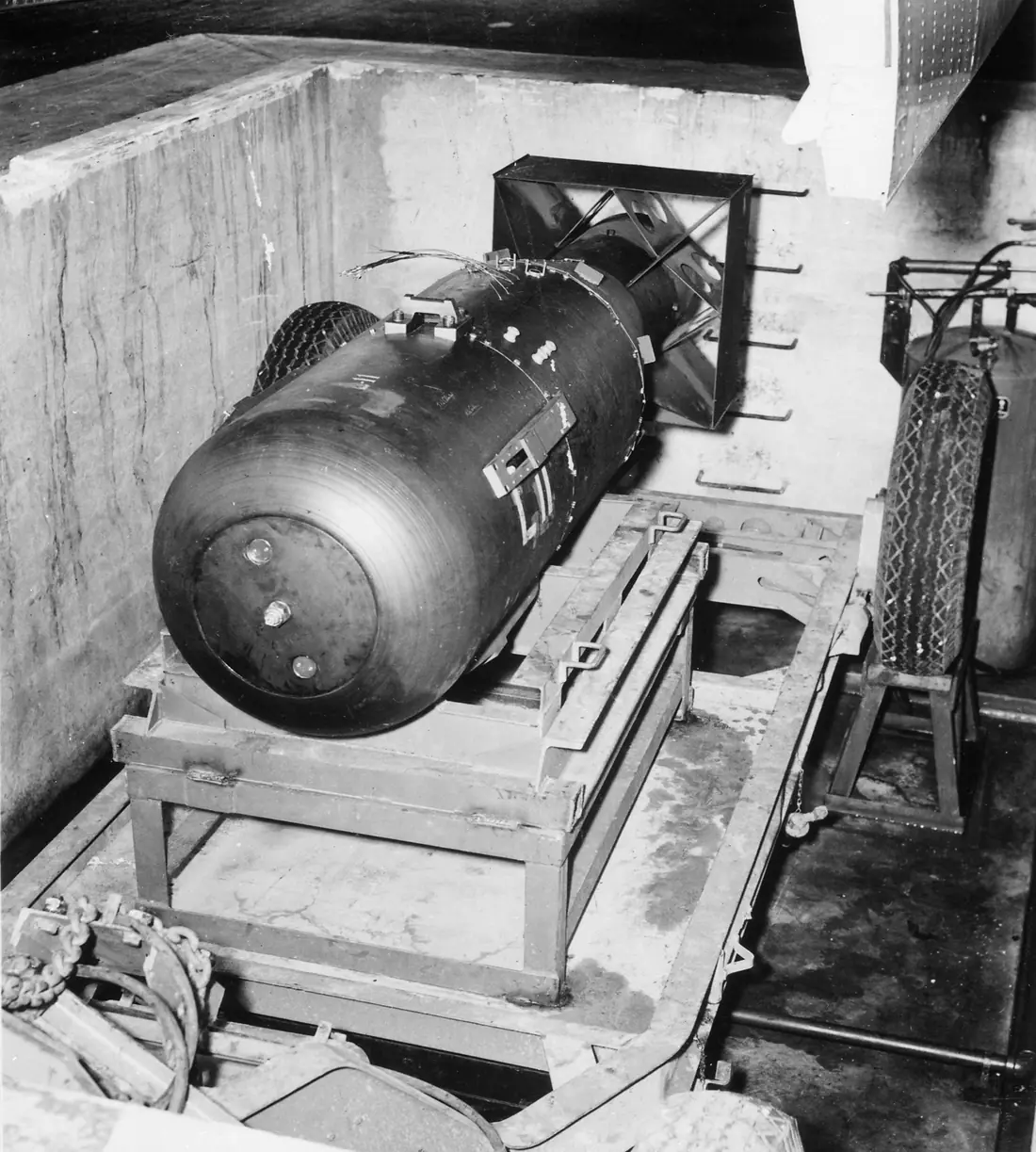
A B-29 named after a pilot's mother lifted off from a Pacific island on a Tuesday morning, carrying a single bomb that weighed as much as 10 cars and would, within hours, kill 70,000 people instantly.
The Enola Gay—named for Enola Gay Tibbets, mother of the plane's 29-year-old pilot, Colonel Paul Tibbets—departed Tinian Island at 2:45 a.m. on August 6, 1945, carrying "Little Boy," a uranium-235 device no one had ever tested. Not once. The Los Alamos scientists had run calculations, built scale models, argued in rooms, but the first and only full-scale trial would happen over a city. This was not caution; this was confidence bordering on the hallucinatory.
The numbers around that flight are almost too neat, as if history was being written by someone who liked round figures. The plane flew 1,200 miles to Hiroshima. The bomb's blast radius would eventually claim a 1-mile radius of total destruction. The temperature at ground zero reached 7,000 degrees Fahrenheit—hot enough that shadows burned themselves into stone. By the end of 1945, the death toll from the initial blast and subsequent radiation would climb to 140,000.
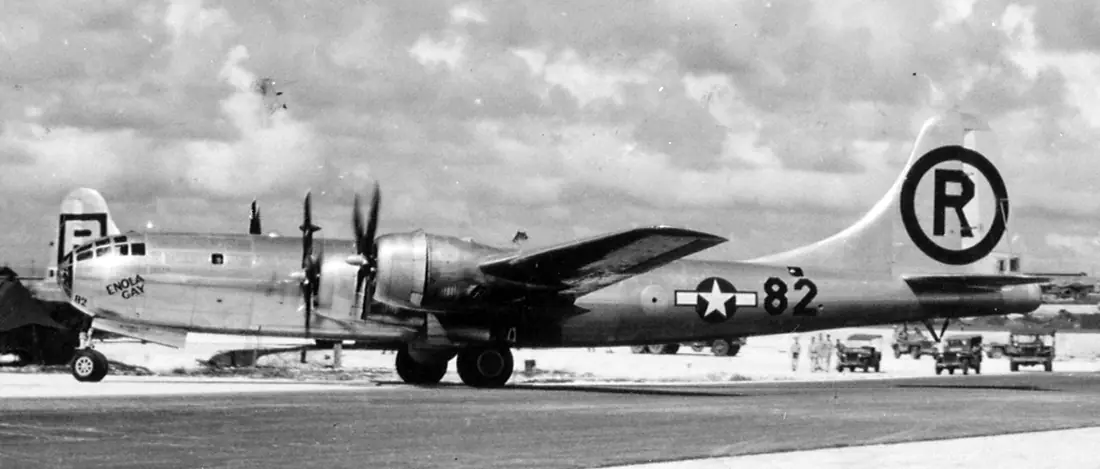
Tibbets was 29. His bombardier, Thomas Ferebee, was 25. The weaponeer aboard, Captain William Parsons, was 34 and had only assembled the final bomb components mid-flight because no one wanted to risk an accident on takeoff. (The irony of this caution, given what the plane was doing, seems to have escaped everyone.) The entire crew was young enough that most had no memory of the Depression, and several would spend the rest of their lives explaining themselves to people who had watched the newsreels.
The flight took 6 hours and 15 minutes. The bomb was dropped at 8:15 a.m. local time. In the seconds before impact, no one on the ground knew what was coming. The city had endured months of firebombing raids, so when sirens wailed, many people didn't bother running. Some thought it was a false alarm. Others simply had nowhere left to run to.
What's often forgotten: the Enola Gay crew didn't see what happened. They were 31,000 feet up and 11.5 miles away when Little Boy detonated. Tibbets felt the plane shudder from the shock wave. His weapons officer saw the mushroom cloud rise to 40,000 feet in 37 minutes. But the actual moment of destruction—the vaporization, the burning, the crushing—happened in the dark below, invisible to the men who made it happen. They knew only that something enormous had worked.
Tibbets lived until 2007, writing a memoir, giving interviews, never quite apologizing but never quite celebrating either. He seemed to exist in the strange middle ground of a man who had done exactly what his government asked him to do, at exactly the moment when doing it seemed like winning, and then watched the moral ground shift beneath his feet for the next 62 years.
The Enola Gay itself survived the war. It's in a museum now, in Washington, D.C., where visitors can walk underneath it and look up at its belly—the place where Little Boy hung, inert and patient, waiting for the moment when physics and policy would meet at 31,000 feet.
Source: en.wikipedia.org/wiki/Enola Gay