U.S. Marines Launch First Major Pacific Offensive at Guadalcanal
Solomon Islands
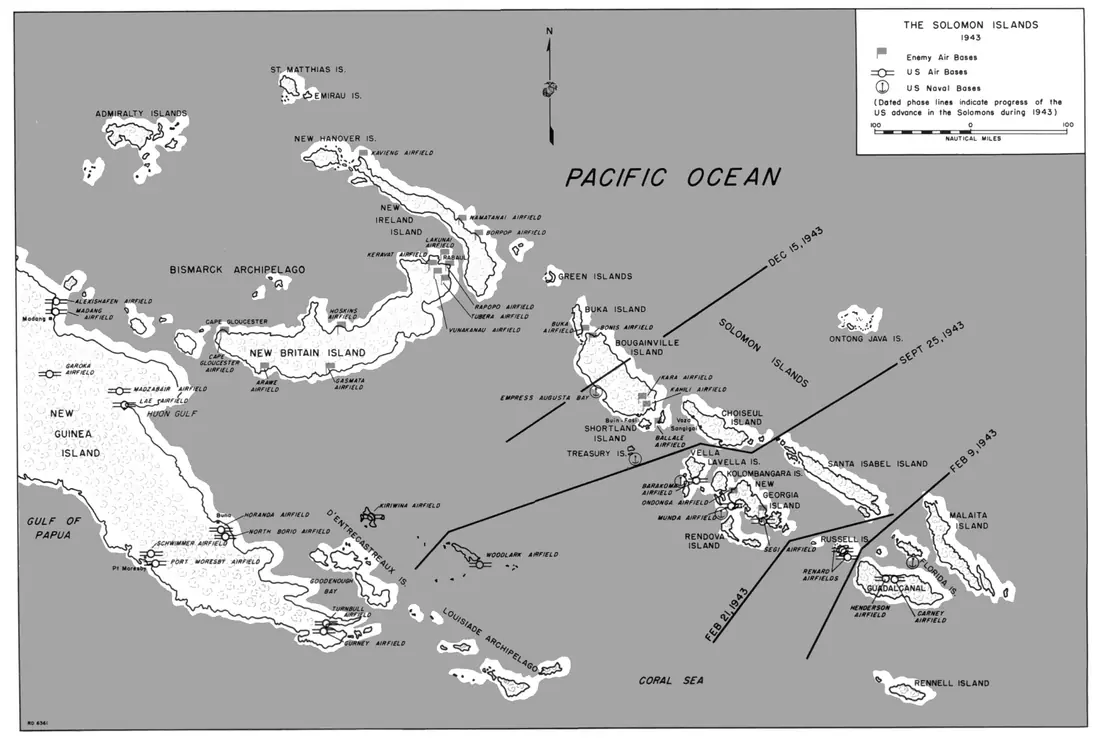
On the morning of August 6th, 1942, the Pacific War looked like a problem America was losing. Japan had spent eight months swallowing territory at a pace that made strategic planners wince—the Philippines gone, Malaya gone, Burma going. The Japanese Navy had proven itself lethal and disciplined. American commanders in the Pacific were still improvising, still learning how to fight a war across an ocean where supply lines stretched thousands of miles and the enemy seemed to own the water. The assumption, whispered in planning rooms from Pearl Harbor to Washington, was that the Allies would spend years clawing back what Japan had taken. Years. Maybe a decade.
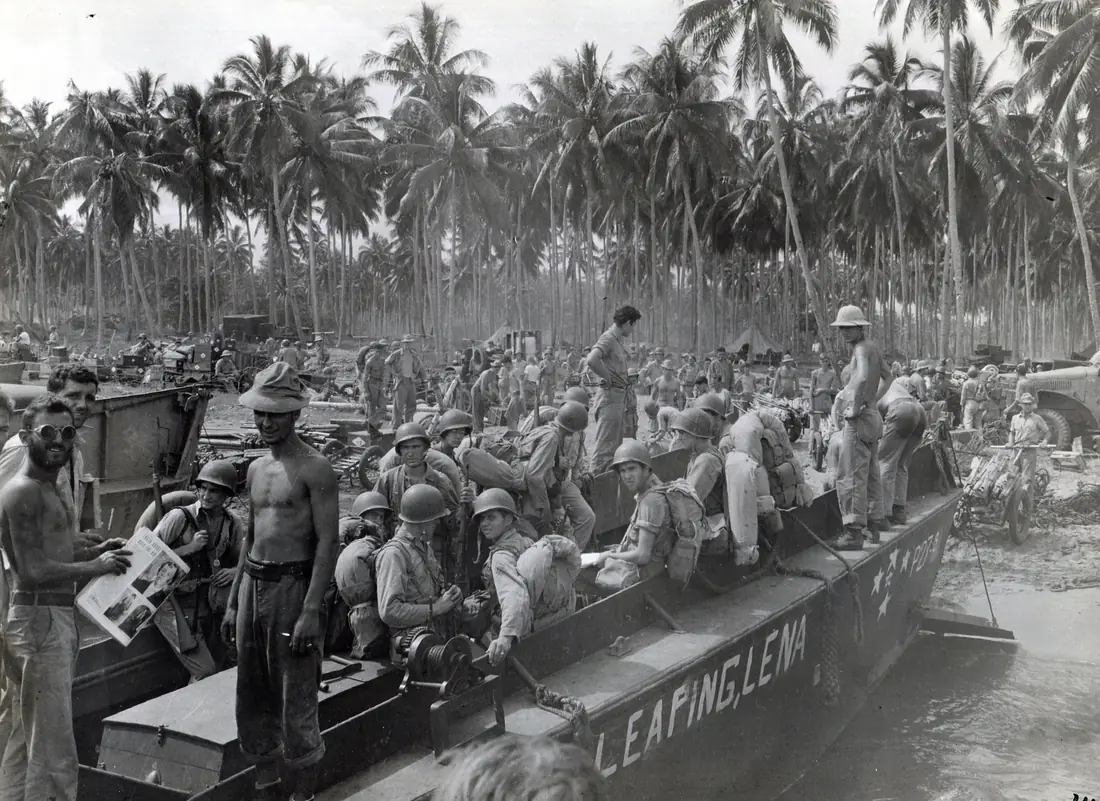
Then, on August 7th, 16,000 Marines climbed into landing craft and headed for a place most of them had never heard of: Guadalcanal, a malaria-thick island in the Solomon chain, covered in dense jungle and defended by perhaps 2,500 Japanese troops who had no idea the landing was coming. Within hours, the entire trajectory of the war in the Pacific began to pivot.
This was not the largest amphibious operation of the war—that distinction belongs to Normandy, two years later. It was not the most heavily defended beach or the bloodiest day. But it was the first. It was the moment when America stopped absorbing punishment and started punching back. And it was improvised, undersupplied, and nearly a disaster.
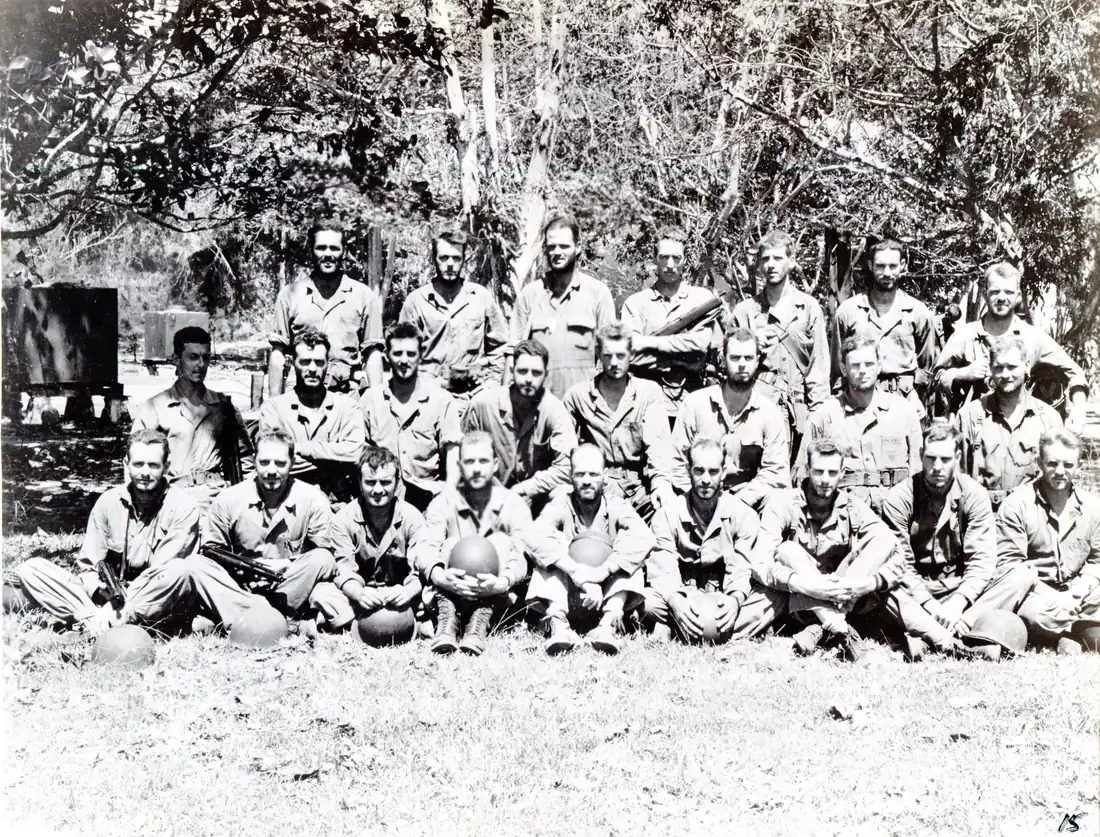
The American commanders knew almost nothing about Guadalcanal. Their maps were poor. Their intelligence was thin. The Navy had lost so many ships at Coral Sea and Midway that the operation had to proceed with barely adequate air cover. The Marines landed with confidence bordering on recklessness, and for a few hours it seemed to work—the Japanese were caught flat-footed, and American forces secured the airfield the Japanese had been building. But then the Navy withdrew, leaving the Marines with three days of ammunition and no guarantee of resupply.
What followed was not a clean victory. It was a grinding, disease-ridden nightmare. The Marines dug in. The Japanese counterattacked in waves, some of them suicidal charges into withering machine-gun fire. Malaria killed nearly as many men as combat. Supplies arrived late or not at all. For months, Guadalcanal hung in the balance—a battle that could have gone either way, decided by logistics and luck and the willingness of exhausted men to hold ground they barely understood they were fighting for.
But here is what mattered: by early 1943, Japan had lost Guadalcanal. And Japan never won another major campaign in the Pacific. The island itself was strategically modest—a stepping stone, nothing more. The real significance was psychological and material. American forces had proven they could plan an amphibious operation, execute it under fire, and sustain it. Japan had proven it could be beaten.
Within weeks, American production was churning out ships, planes, and ammunition faster than Japan could replace them. The war was no longer a question of whether America could win, but when, and at what cost. Everything that followed—the island-hopping campaign, the slow strangulation of Japanese supply lines, the eventual march toward the home islands—flowed from this single moment when the Marines waded ashore into the humid darkness and refused to leave.
The Japanese commander on Guadalcanal, General Masao Maruyama, watched his position crumble and understood what it meant. "The situation is now out of hand," he wrote in his final dispatch. He was being generous. The situation had never been in his hand at all.