Great Famine Grips Europe
A king, stranded. Not by enemy forces, nor by a treacherous advisor, but by the utter, bewildering absence of bread. It’s August 11, 1315, and Edward II, King of England, finds himself in a predicament that would be farcical if it weren't so desperately grim. His royal retinue, a sprawling organism of several hundred mouths, moves slowly across the sodden landscape of England, their usual provisioning system having collapsed like a waterlogged roof.
Today, the royal household is near St Albans, a prosperous town in better times. The King’s harbinger, a man whose job is usually to command, not plead, approaches the local baker. He brandishes the royal warrant, a document that, for centuries, has guaranteed the king first pick of all available provisions, often at fixed prices. He demands bread. The baker, however, merely shrugs, perhaps offers a weary, apologetic half-bow. There is no bread. Not for the King, not for his nobles, not for the common folk whose faces are already beginning to hollow from hunger. The baker’s grain stores are empty, his ovens cold. The royal purse, usually a magic wand, is now just a heavy leather bag of coins that no one wants in exchange for what isn't there.
This isn't just a local anomaly. This is the Great Famine, now a full year into its relentless grip, and it has already begun to reshape the very fabric of European life. It began with the rains, an unceasing, biblical deluge that started in the spring of 1315. Week after week, month after month, the heavens wept. Fields became bogs, seeds rotted in the ground, and what little grain managed to sprout was often washed away or mildewed before harvest. The summer of 1315 was a sodden, cheerless affair, and by August, the harvest, typically a time of plenty, was a cruel joke.
Suddenly, the usual rhythm of medieval life—feast and fast, sowing and reaping—was thrown into disarray. The price of wheat, which had been around 5 shillings a quarter in 1314, skyrocketed to 40 shillings by mid-1315, an eight-fold increase. Even if the King had the coin, the sheer logistics of feeding his massive household became impossible. His purveyors, accustomed to simply requisitioning supplies, now faced empty markets and hostile glares. They couldn't conjure food out of thin air, and the people who *did* have small stores were hoarding them, clinging to life with every last grain.
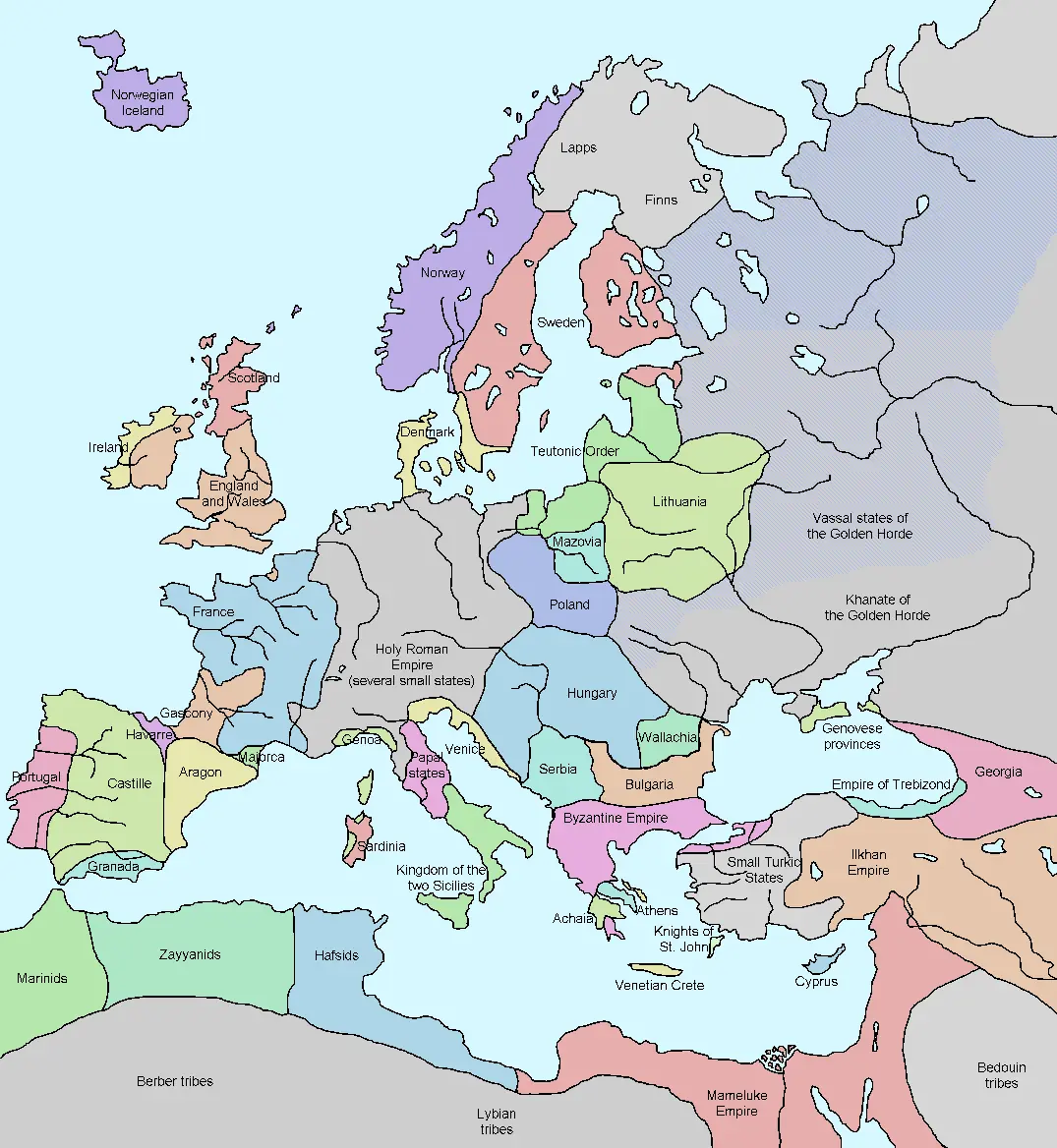
This wasn't just a temporary inconvenience. The Great Famine would last, in its most acute phase, for two years, and its aftershocks for several more. It would claim millions of lives across northern Europe, perhaps 10-15% of the population in some regions. People resorted to eating cats, dogs, and even, in desperate whispers, their fellow humans. The famine would lead to widespread disease, social unrest, and a profound psychological trauma that would linger for generations, effectively resetting the demographic clock of the continent.
Edward II, who had a reputation for being rather less kingly than his imposing father, was not alone in his hunger. Even the most powerful man in England was subject to the whims of the weather, a stark reminder that even a crown offered no immunity from the most basic of human needs. His inability to secure a loaf of bread, a simple, fundamental staple, underscores the sheer, terrifying scale of a catastrophe that stripped away the thin veneer of civilization and reduced kings to the same desperate straits as their lowliest subjects. The rain, it seemed, was truly an equal-opportunity destroyer.