Visigoths Sack Rome for the First Time in 800 Years
Rome, Italy
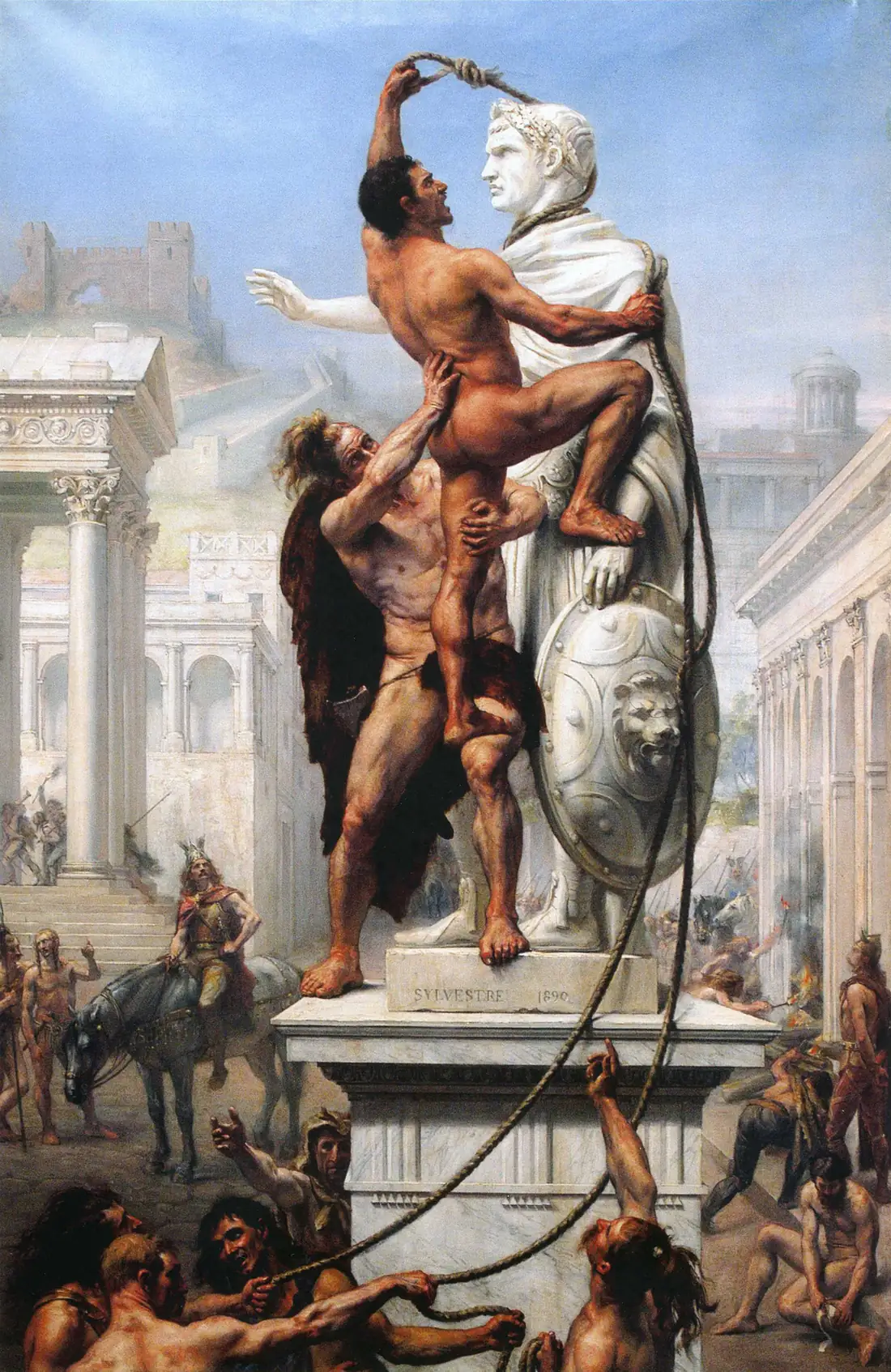
Imagine a city that hasn't seen a foreign enemy within its walls for nearly eight centuries. A city so steeped in its own invincibility that the very idea of its capture felt like a cosmic joke. That was Rome in the year 410. And then, it wasn't. But here’s the kicker, the detail history often whispers rather than shouts: the gates weren’t battered down by some unstoppable horde. They were opened from the inside, by slaves, weary of their chains, who decided this was their moment to side with the invading Goths. It was less a siege, more an inside job, a quiet betrayal that unlocked the unthinkable.
For years before that August night, the Visigoth king Alaric I had been knocking on Rome’s door, not with a battering ram, but with a plea. He wasn't some wild-eyed barbarian intent on destruction; he was a general who had served Rome, who understood its mechanisms, and who simply wanted a legitimate place for his people within the empire’s vast, sprawling borders. He wanted land, a proper treaty, and recognition. Rome, or rather, the young, feckless Emperor Honorius, safely tucked away in the marshy fastness of Ravenna, kept saying no. Honorius, whose primary concern, legend has it, was the well-being of his pet chicken, Roma, wasn't exactly known for his strategic acumen.
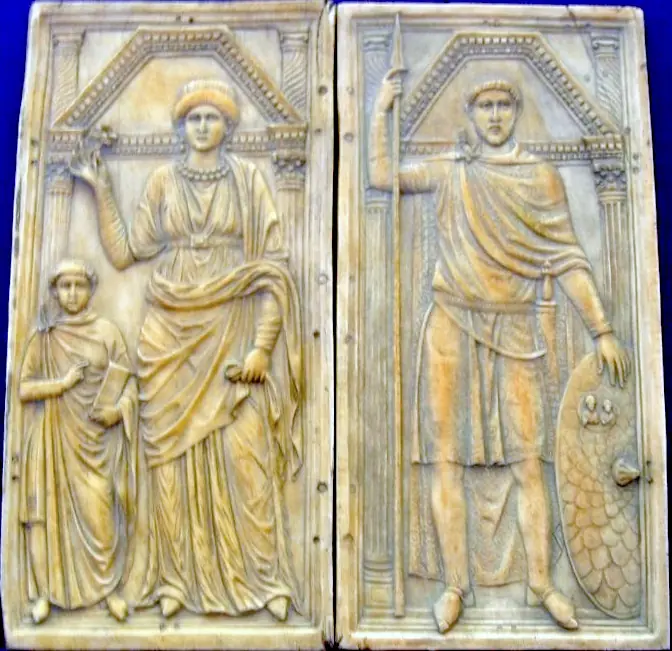
The real tragedy, the true hidden cause of Rome’s vulnerability, lies not with Alaric, but with the emperor’s own hand. For years, the only man truly capable of defending the Western Roman Empire from Alaric and other threats was Flavius Stilicho. He was a general of Vandalic descent—the supreme commander, a military genius, and Alaric’s most formidable opponent. Stilicho had repeatedly outmaneuvered Alaric, even defeating him in battle. He was Rome’s bulwark. Yet, in a fit of paranoia fueled by court intrigue, Honorius had Stilicho arrested and executed in 408. Suddenly, the one man who could have negotiated with Alaric, or decisively beaten him, was gone, leaving Rome a political and military vacuum.
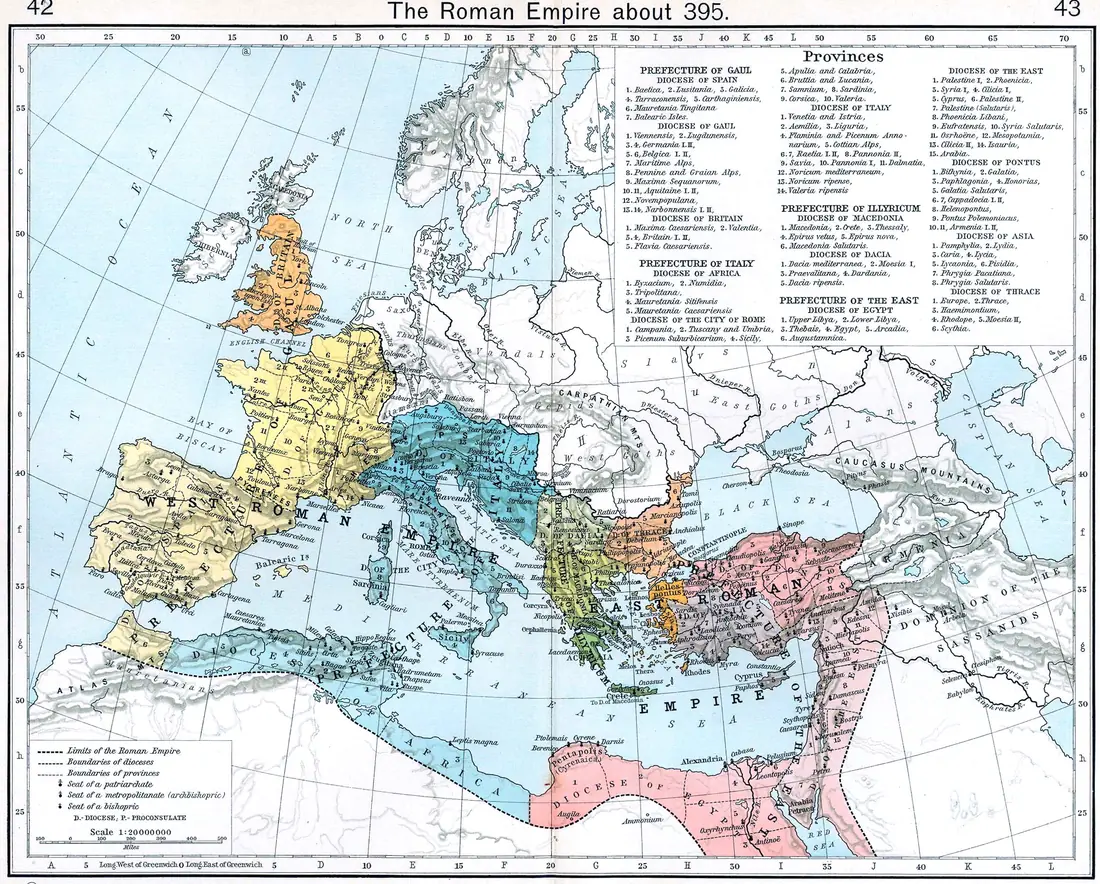
Without Stilicho, the empire was rudderless. Alaric, having exhausted all diplomatic avenues and now facing a completely inept Roman leadership, had little choice but to apply pressure. He besieged Rome twice before, cutting off food supplies, but each time, he was still seeking a negotiated peace, not conquest. It was only after his final, desperate appeal for land was rejected, and with the city's population starving, that the slaves made their fateful decision on August 24, 410, to open the Salarian Gate.
The sack itself lasted only three days. It was brutal, certainly, with looting and some burning, but not the apocalyptic annihilation often imagined. Churches were often spared, and Alaric even ordered his men to respect holy places. His Goths were, after all, Arian Christians. The goal was plunder, yes, but also to make a point: Rome was no longer inviolable. The psychological blow, however, was immense. The city that had defied all invaders for nearly eight centuries, since the Gauls in 390 BC, had fallen. The Visigoths left, laden with treasure, still seeking a place to settle, a place they never truly found for Alaric, who died shortly after, buried in the bed of a river to conceal his resting place.
The sack of 410 was less a sudden cataclysm and more a symptom of a long, slow decline exacerbated by internal rot and suicidal political blunders. It wasn't the end of Rome, which would limp on for decades, but it was a very loud, very clear announcement that the empire’s glory days were firmly in the rearview mirror, ushered out not by overwhelming force, but by a combination of imperial shortsightedness and a few weary slaves with a key to a gate.