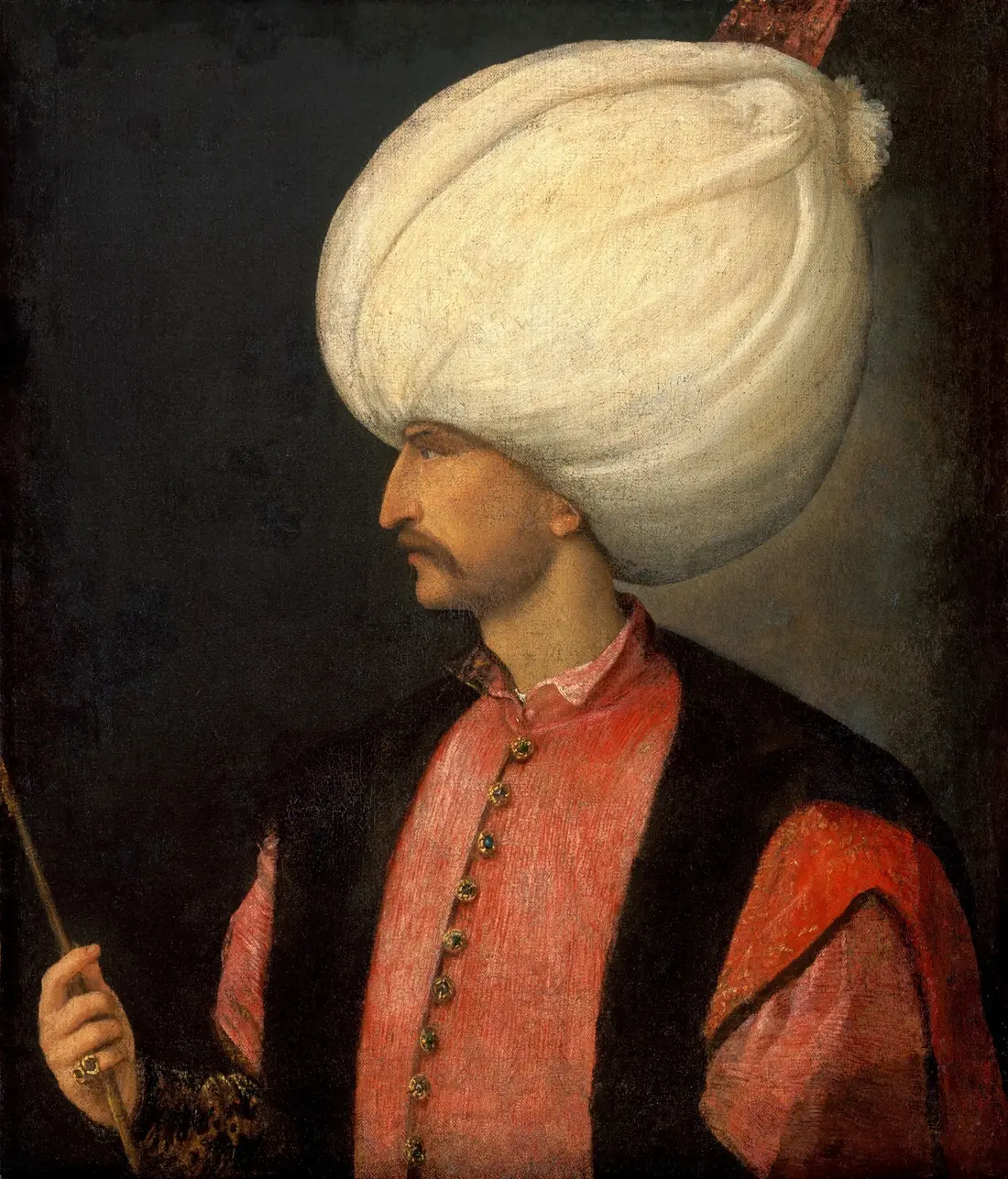
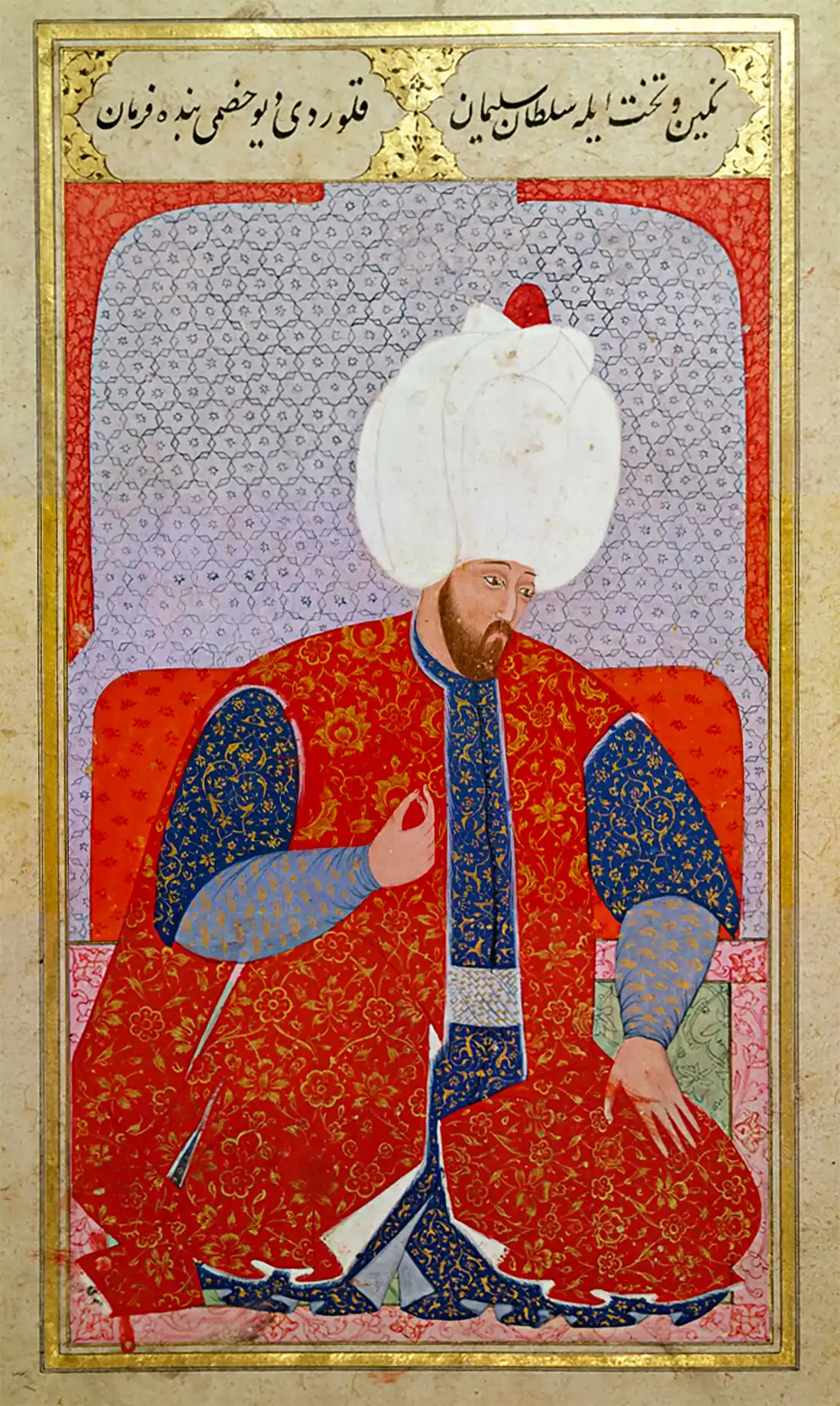
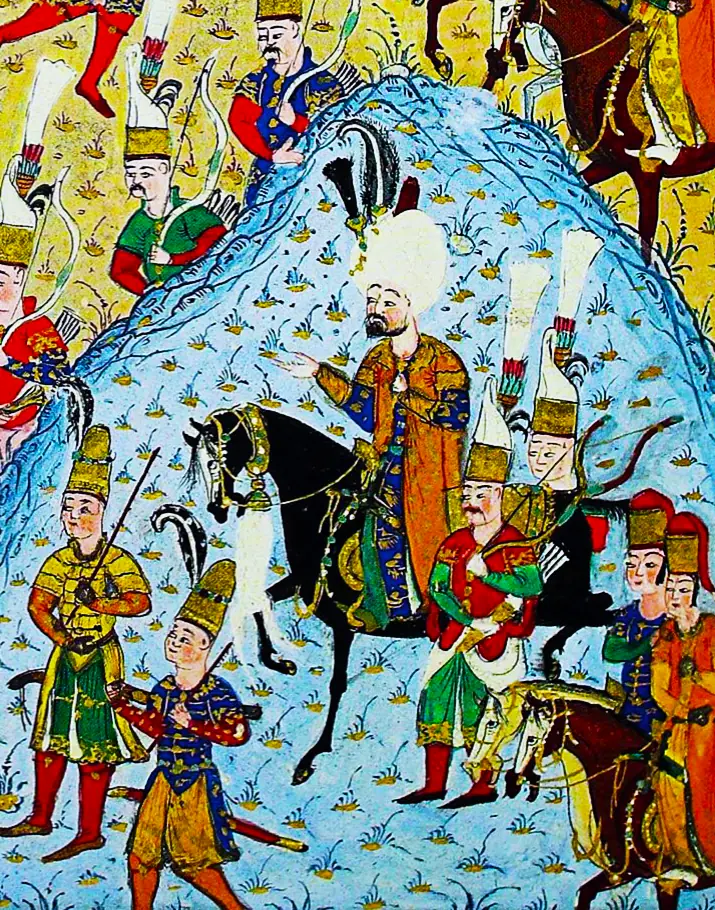
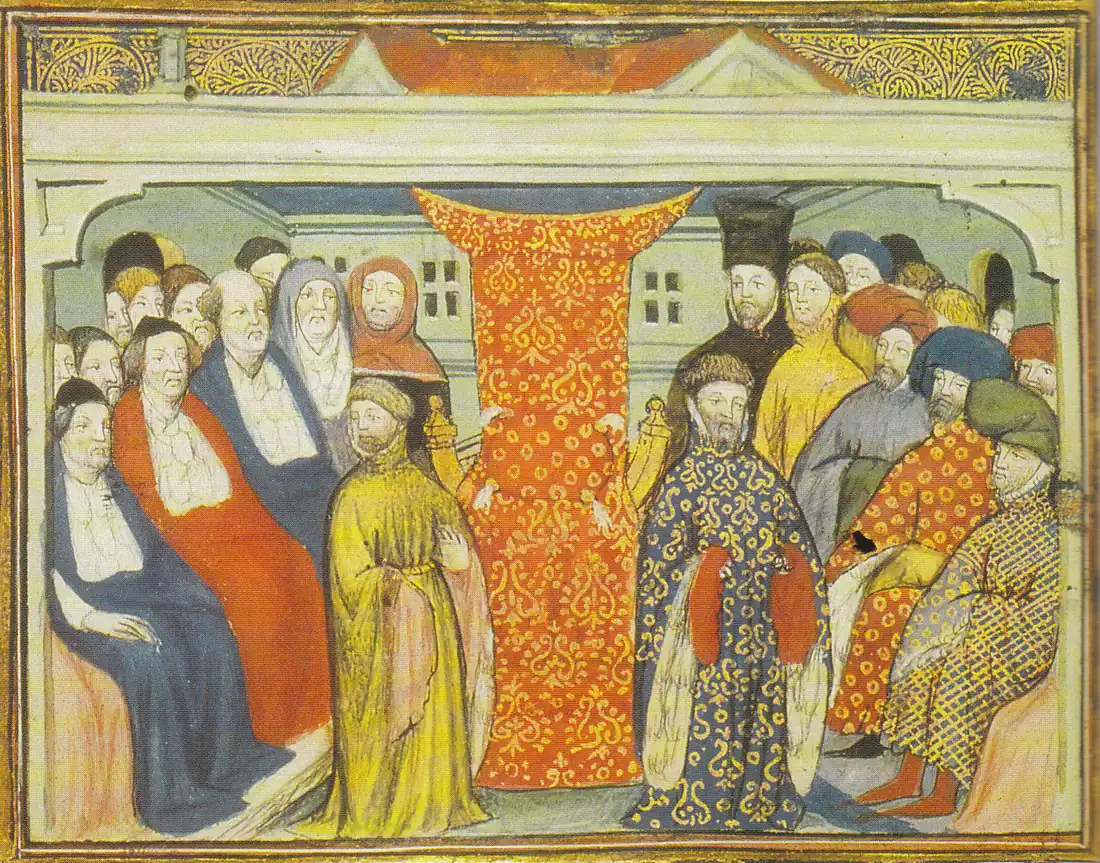
Suleiman I became the Ottoman sultan on 30 September 1520 after the death of his father Selim I. The succession followed the Ottoman law of seniority, which required the eldest surviving son of the previous ruler to be proclaimed by the chief judge and the leading military commanders. The chief judge, known as the kadıâbâşı, read the official proclamation in the palace courtyard and the Janissary corps swore allegiance to the new ruler.
The ceremony began with the transfer of the imperial sword, the kilij, from Selim’s hand to Suleiman’s. The sword symbolized the sultan’s role as commander of the army. At the same time, the treasury released a payment of 100,000 akçe to the Janissaries as a loyalty bonus, a standard practice to secure the troops’ support. The new sultan then entered the Hagia Sophia, where the chief mufti recited the Friday sermon mentioning Suleiman’s name, thereby giving religious legitimacy to his rule.
Suleiman’s accession was immediately followed by the appointment of his chief vizier, Ibrahim Pasha, who had been a slave of his own. Ibrahim was given the title of Grand Vizier and the authority to manage state finances, foreign diplomacy, and the organization of the army. The vizier’s role was essential because the Ottoman empire relied on a centralized bureaucracy; orders from the sultan were transmitted through the Grand Vizier to provincial governors, known as beylerbeys. This chain of command allowed rapid deployment of forces, which later enabled the empire’s expansion into Hungary and the Persian Safavid realm.
The new sultan also confirmed the existing legal code, the kanun, which supplemented Sharia law. By endorsing the kanun, Suleiman ensured that tax collection, land tenure, and criminal penalties remained consistent across the empire’s diverse territories. Records show that in the first year of his reign, tax revenue increased by 12 percent, reaching roughly 30 million akçe, a rise attributed to more efficient administration and the pacification of rebellious provinces.
Within months, Suleiman ordered the construction of a new palace complex in Istanbul, employing the chief architect Mimar Sinan. The project demonstrated the link between political authority and cultural patronage; the sultan’s building programs financed the arts, attracted scholars, and reinforced the image of a powerful ruler. This combination of legal reform, military organization, and cultural investment set the foundation for an era in which the Ottoman empire expanded its borders to include most of the Balkans, the eastern Mediterranean, and large parts of the Middle East.
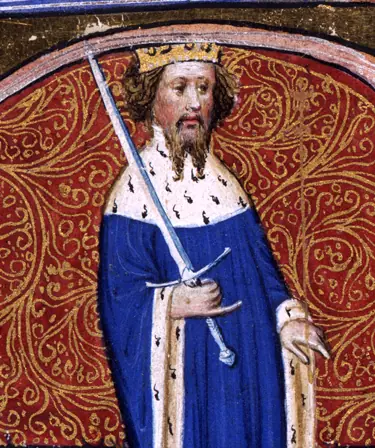
Before September 1399 Richard II ruled England as an absolute monarch, having seized power from his predecessor in 1377. His reign was marked by costly wars in France, heavy taxation, and a series of punitive actions against powerful nobles, most notably the confiscation of lands from the Earl of Lancaster’s heirs. By 1399 the king’s favorite, the Earl of Essex, controlled much of the royal treasury, while the young son of John of Gaunt, Henry Bolingbroke, had been exiled and his estates were seized by the crown.
The common belief that Richard was deposed by a popular uprising is corrected by contemporary records: the transition was a calculated political maneuver by a small group of aristocrats and military leaders. The decisive factor was the withdrawal of support from the royal army after Richard’s arrest of the Duke of Gloucester, a key commander, and the subsequent invitation extended to Bolingbroke to claim his inheritance. The chronicler Thomas Walsingham notes that a council of barons met at the Tower on 19 July 1399 and formally offered the crown to Henry, indicating that the change was sanctioned by the existing power structure rather than forced by the masses.
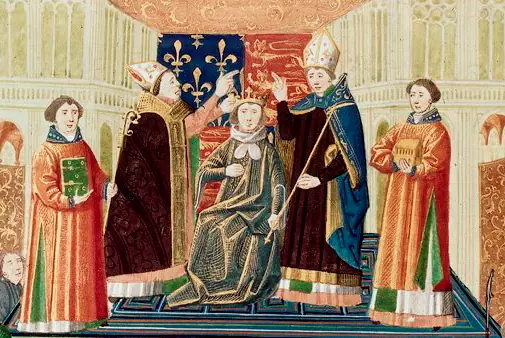
The mechanism of the accession rested on legal precedent and military backing. Henry returned from exile with a modest force of roughly 2,000 men, largely composed of his own retainers and disaffected soldiers. Upon landing in Yorkshire he marched unopposed to the south, gathering additional support from nobles who feared Richard’s arbitrary rule. When Henry reached London, the city’s militia opened its gates without resistance, and Richard was captured at Flint Castle on 19 August. Parliament convened at Westminster on 30 September and, citing the principle that a king must be able to maintain peace, declared Richard’s abdication and proclaimed Henry as king. The formal coronation on 13 October completed the legal transfer of authority.
The immediate consequence was the establishment of the Lancastrian dynasty, which would rule England for the next 70 years until the rise of the House of York. Henry’s accession also altered the balance of power between the crown and the nobility, granting the aristocracy greater influence over royal appointments and fiscal policy. This shift set the stage for future conflicts over succession that culminated in the Wars of the Roses.
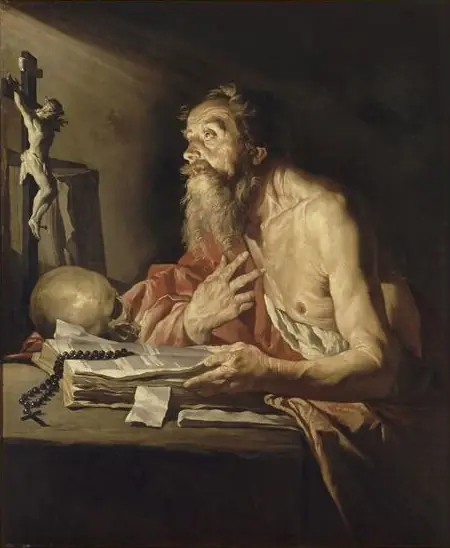
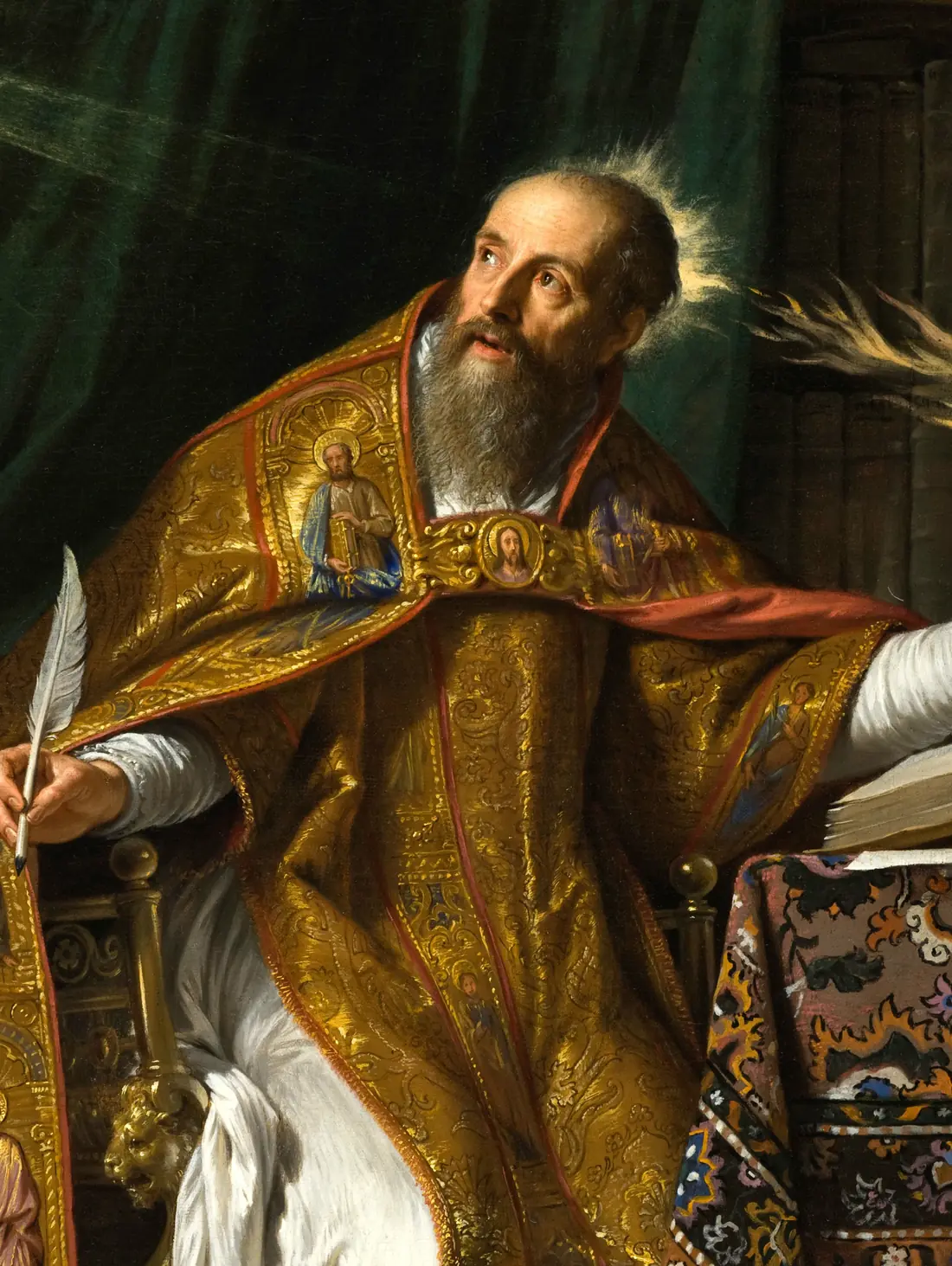
Jerome, a priest of the Roman church, died in the year 420 leaving a completed Latin Bible that would become the standard text for Western Christianity. Before his work, most Christians read the Scriptures in Greek, a language increasingly unfamiliar to Latin‑speaking congregations in the Western Empire. Jerome’s translation, known as the Vulgate, replaced the older Latin versions by providing a consistent text based directly on Hebrew and Greek sources.
Jerome began his translation project around 382 at the request of Pope Damasus I, who supplied him with a library of Greek manuscripts and a commission to produce a reliable Latin version. He moved to Bethlehem, studied Hebrew under Jewish teachers, and consulted the Septuagint and the Hebrew Masoretic text. By 405 he had finished the Old Testament, and the New Testament was completed shortly thereafter. His preface to the Gospel of Matthew records his method: he compared the Latin text of the Old Latin versions with the Hebrew, noting where they diverged and why he chose the Hebrew reading.
The Vulgate’s adoption was gradual. Pope Innocent I, who succeeded Damasus, endorsed the text in a letter to the African bishops, encouraging its use in liturgy. By the mid‑fifth century the Vulgate was the primary Scripture in churches from Rome to Gaul, displacing the older Vetus Latina versions that varied widely. The uniformity of the Vulgate allowed clergy to teach a single text, which facilitated the spread of Christian doctrine in the Latin West.
Jerome’s contemporaries included his fellow scholar Paula, who financed his work and entered a monastic community with him, and his student Eusebius of Emesa, who helped copy the manuscripts. After Jerome’s death, later church councils, such as the Council of Trent in the sixteenth century, officially declared the Vulgate the authentic biblical text for the Catholic Church, a status that persisted until modern critical editions replaced it for scholarly use. The Vulgate’s influence extended beyond theology; it shaped medieval Latin literature, law, and education, providing a common linguistic foundation for Western Europe.
Jerome’s death therefore marked the transition from a fragmented biblical tradition to a unified Latin Scripture, a change that defined the religious and cultural landscape of the Western Roman world for centuries.
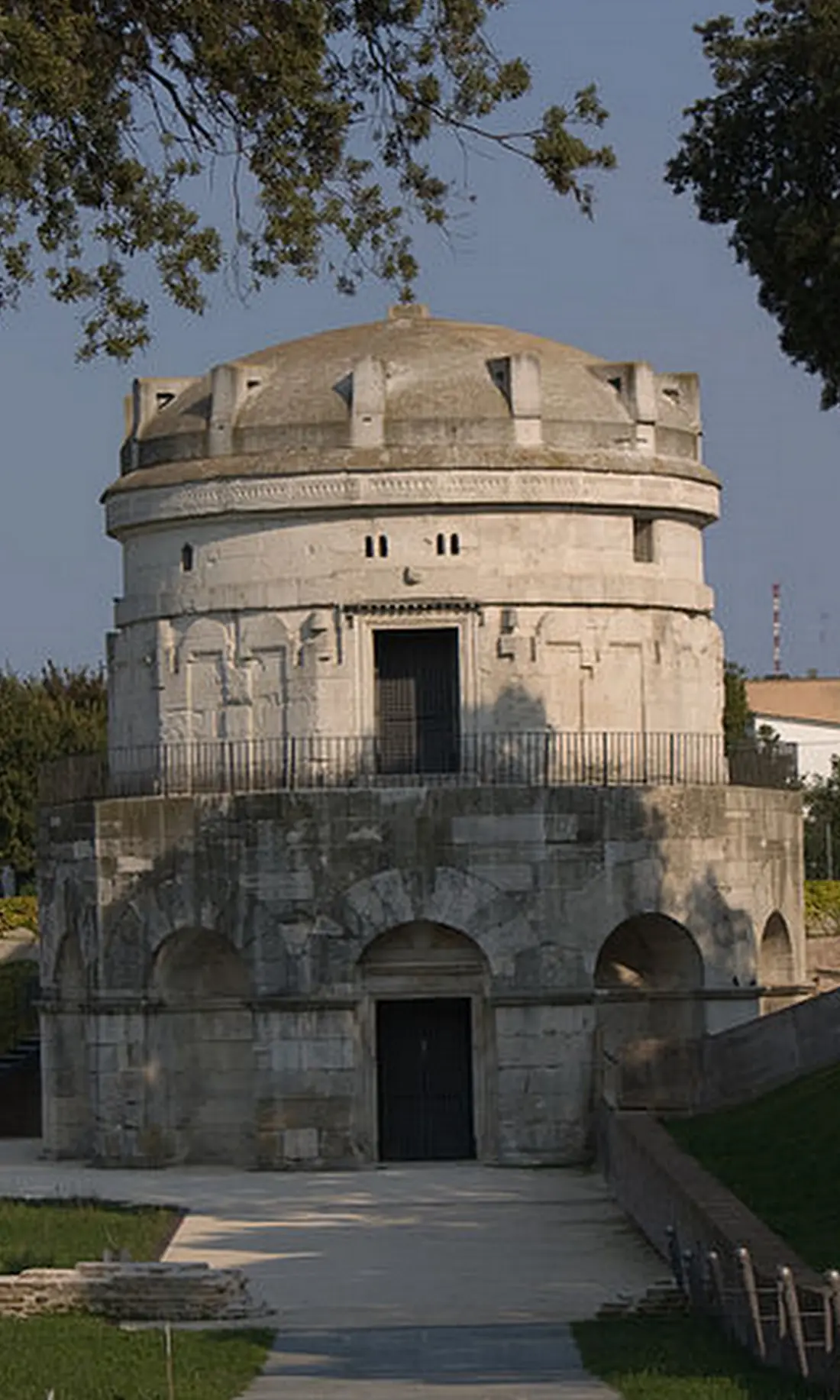
The decisive clash on 30 September 489 saw Theoderic the Great lead an army of roughly thirty thousand Ostrogothic warriors against Odoacer’s forces, which historians estimate numbered about twenty thousand. The battle took place near Ravenna, the capital of Odoacer’s kingdom, and was the second major engagement between the two leaders after an earlier inconclusive fight in 488. Theoderic’s troops were organized into a core of heavy cavalry supported by infantry spearmen, while Odoacer relied on a mix of Roman militia and Germanic mercenaries. The Ostrogothic cavalry executed a coordinated charge that broke the centre of Odoacer’s line, forcing the Roman infantry to retreat into the city walls. Contemporary chroniclers report that Odoacer lost at least five thousand men, while Theoderic’s casualties were far lower, perhaps a few hundred, though exact figures are not recorded.
The victory was possible because Theoderic had secured financial backing from the Eastern Roman emperor Zeno, who supplied gold to pay his soldiers and to hire additional mercenaries. This fiscal arrangement allowed Theoderic to field a larger, better equipped force than Odoacer could sustain after years of war and famine. The battle also demonstrated the effectiveness of mobile cavalry in the Italian plains, a tactic that had been limited before the late fifth century. After the defeat, Odoacer withdrew to the fortified city of Ravenna, where he held out for another four years before being assassinated by his own troops in 493. Theoderic entered Ravenna, proclaimed himself king of Italy, and established the Ostrogothic Kingdom, which blended Roman administration with Germanic rule.
The immediate consequence of the 489 victory was the end of Odoacer’s independent rule and the creation of a new political structure that preserved Roman law while introducing Ostrogothic leadership. This arrangement made the concept of a Germanic king governing a largely Roman population an ordinary reality, a development that would later influence the organization of successor kingdoms throughout Europe.
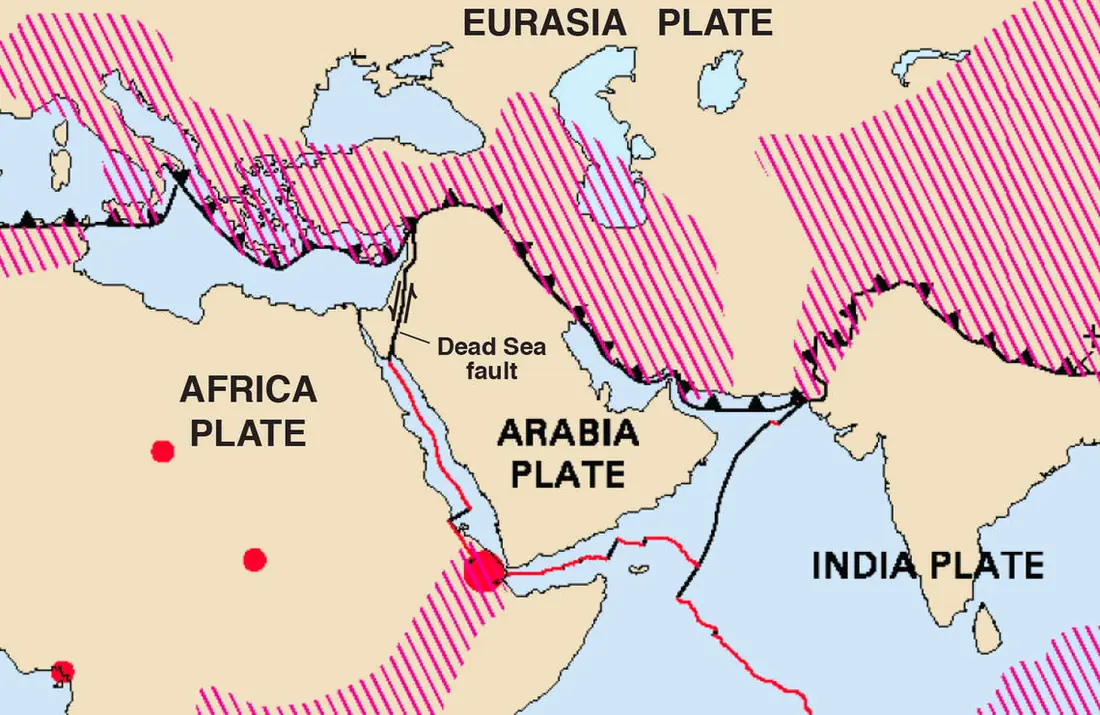
A magnitude‑7.7 earthquake struck the region around Ganja on September 30, 1139, releasing energy equivalent to roughly 2.5 × 10^17 joules, the amount released by about 60 megatons of TNT. The seismic rupture extended approximately 150 kilometers along the southern edge of the Greater Caucasus fault system, a zone where the Arabian plate pushes northward into the Eurasian plate at a rate of about 2 centimeters per year. This tectonic convergence creates stress that is released in large quakes such as the 1139 event.
Contemporary Muslim chroniclers recorded that the shock destroyed the city of Ganja, then the principal settlement of the Seljuk province of Arran, and collapsed surrounding towns within a radius of roughly 30 kilometers. Archaeological surveys have identified collapsed brick walls and displaced pottery shards consistent with ground motion of peak accelerations near 0.6 g, a level that can topple unreinforced masonry. The quake also triggered landslides that dammed the Kura River for an estimated 12 days, causing secondary flooding that contributed to the death toll.
Estimates of fatalities vary, but the historian Ibn al‑Athir cited a figure of 300,000 deaths, a number that modern demographers treat as an upper bound based on the region's population of about 500,000 at the time. More conservative calculations using settlement density suggest between 150,000 and 200,000 casualties, still representing roughly 30 percent of the local populace. The disaster left about 80 percent of the surviving households homeless, according to tax records that show a 70 percent drop in levied revenues for the following fiscal year.
The Seljuk governor of Arran, Ahmad ibn Ali, ordered emergency repairs to the city’s citadel and the reconstruction of the main mosque, allocating 5,000 dinars, approximately 10 percent of the provincial budget, to the effort. The rebuilding required 12 months of labor from an estimated 20,000 workers, a workforce drawn from neighboring provinces that reduced agricultural output by 15 percent in those areas. The fiscal strain forced the central Seljuk administration in Isfahan to grant a temporary tax exemption for the affected district, a policy recorded in a 1140 decree.
In the longer term, the quake prompted the Seljuks to adopt stricter building regulations for public structures, mandating the use of timber reinforcement in walls above 3 meters in height. These guidelines appear in a 1142 edict and are the earliest known seismic building code in the Islamic world. The edict reduced mortality in later tremors, as evidenced by a 40 percent lower death rate in the 1170 earthquake that hit the same region.