Metropolitan Police
London, United Kingdom
Before 1829 London relied on a patchwork of parish constables, night watchmen and private bailiffs. Crime statistics showed a rise in robbery and public disorder, and the 1825 murder of a police officer in Whitechapel highlighted the lack of a coordinated force. The Home Secretary, Sir Robert Peel, argued that a professional, centrally managed police body could reduce such incidents and protect property. His proposal built on earlier experiments in Birmingham and Glasgow, but those forces were limited to small towns.
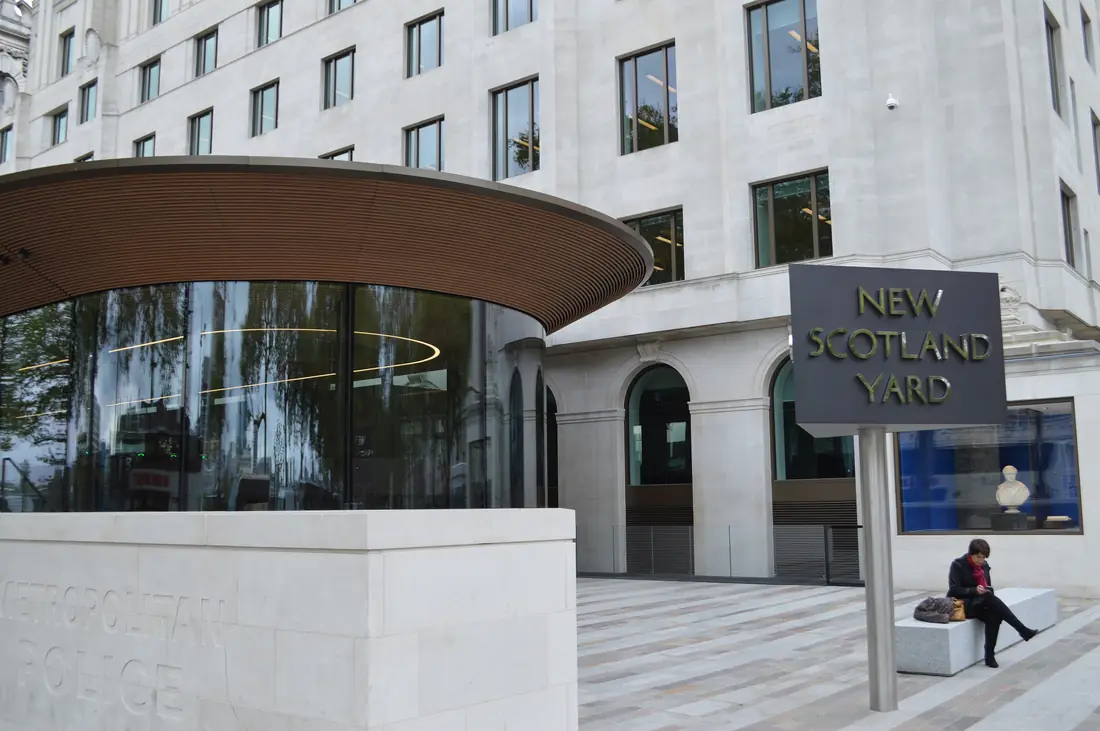
Peel introduced the Metropolitan Police Act to Parliament in early 1829. The bill created a salaried corps of 1,000 men, later expanded to 2,000, to patrol a defined area of twelve miles around the new police headquarters at 10 Whitehall Place. Officers were to be uniformed, identified by a distinctive blue coat, and organized into eight divisions each led by a superintendent. The Act gave the force authority to arrest without a warrant for felony and to require suspects to provide a name and address. Funding came from a levy on property owners, amounting to £200,000 per year, a sum approved by the Treasury.
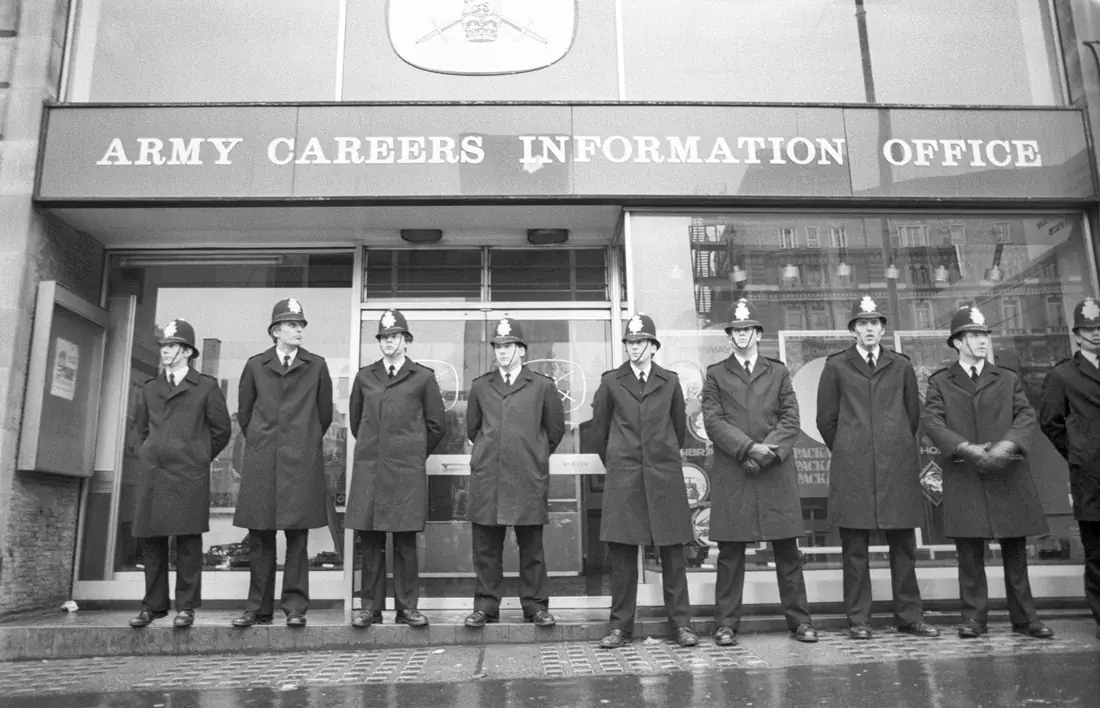
The first officers, known as “Peelers” or “Bobbies”, were sworn in on 29 September 1829. Their duties included regular foot patrols, called beats, and the maintenance of a central register of crimes. Training emphasized discipline, non‑violent resolution and the principle that the police should prevent crime rather than merely respond to it. Opposition came from some magistrates who feared loss of local control, and from sections of the public who associated uniformed men with military oppression. Nonetheless, within the first year the number of reported burglaries fell by about twelve percent, and the visibility of patrols was credited with deterring street fights.
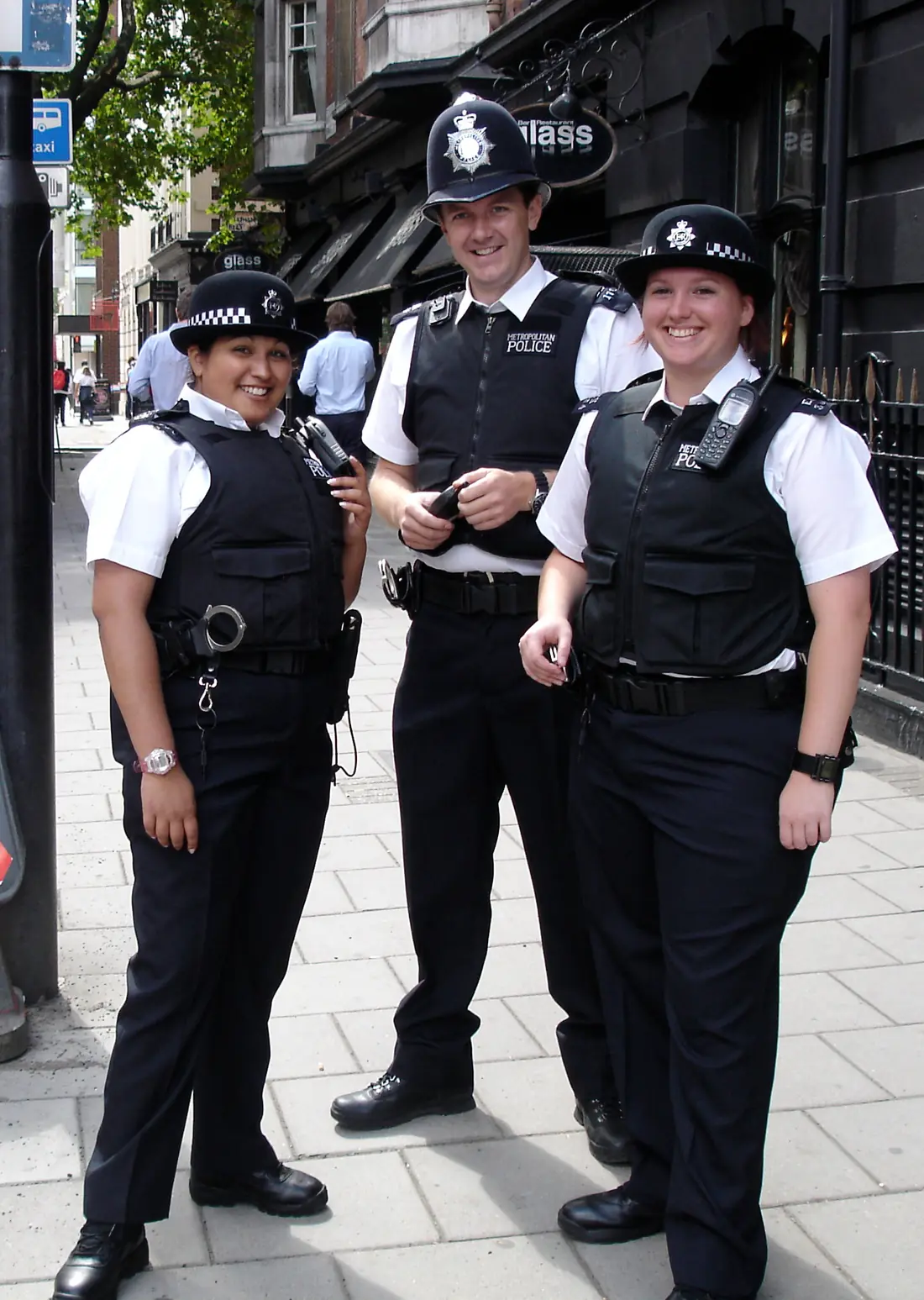
The establishment of the Metropolitan Police set a model for modern policing worldwide. Its organizational structure, uniform, and emphasis on preventive patrol were adopted by cities in Britain and later in the United States and colonial territories. The force also introduced the concept of a professional civil service separate from the armed forces, influencing later reforms in public administration. By the mid‑19th century the Met expanded to over 7,000 officers and became the primary law‑enforcement agency for the capital, a role it retains today.