By the late sixteenth century the Catholic Church still used the Julian calendar, a system introduced by Julius Caesar in 45 BC that counted a year as 365.25 days. Astronomers had measured the solar year as about 365.2422 days, so the Julian count gained roughly three days every four centuries. By 1582 the calendar lagged ten days behind the seasons, causing the spring equinox to fall on 11 March instead of the Council of Nicaea’s 21 March. This drift affected the calculation of Easter, the most important feast in the liturgical year, and prompted repeated petitions from clergy and scholars.
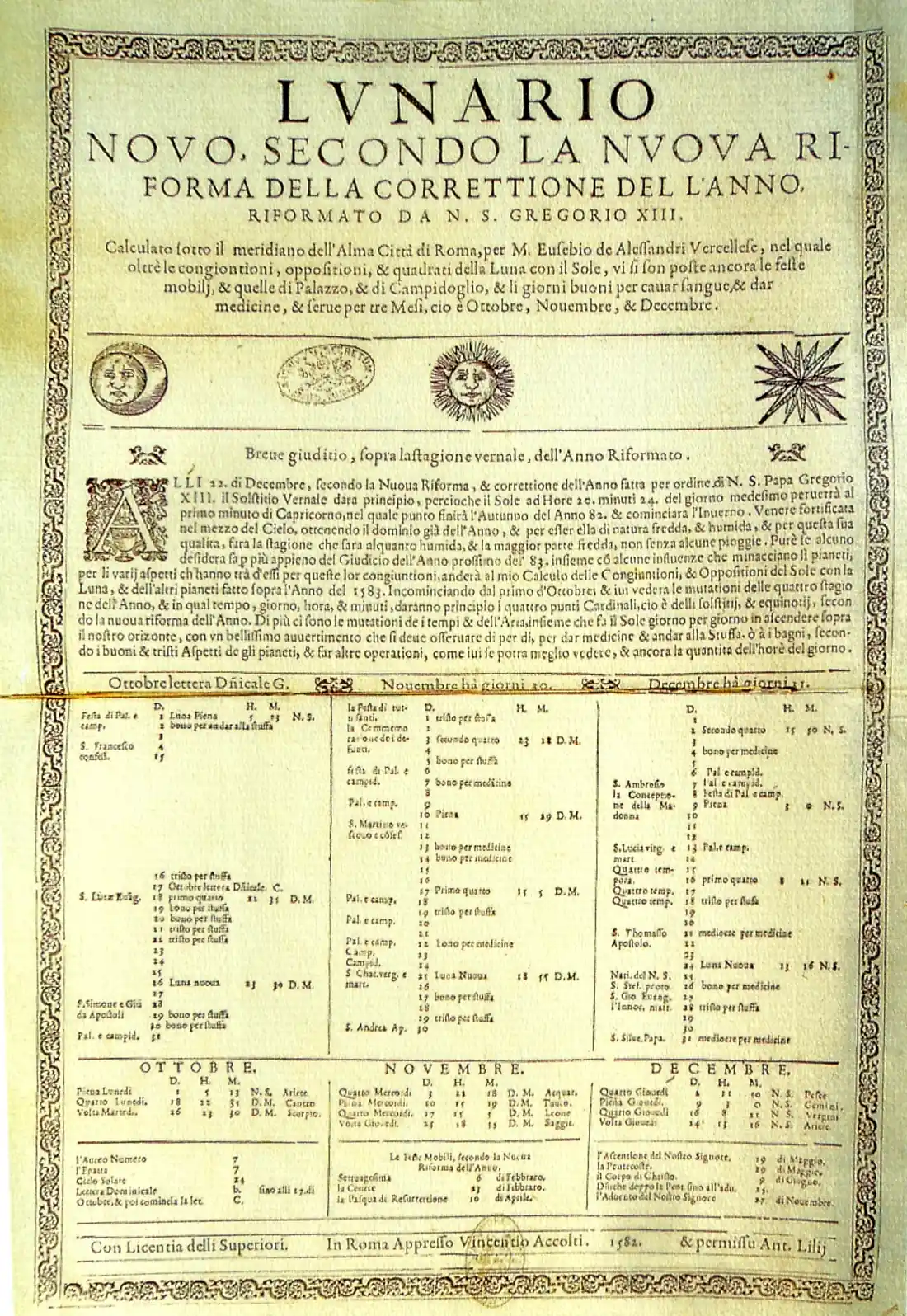
The common belief is that Pope Gregory XIII simply decided to skip days and that the change was instantly accepted everywhere. In fact the papal bull *Inter gravissimas* of 24 February 1582 laid out a precise reform: the year 1582 would be shortened by ten days, making 4 October the last day of the Julian calendar and 15 October the first day of the new system. The bull also introduced a revised leap‑year rule: a year divisible by four remains a leap year, except centurial years are leap only if divisible by 400. This rule reduces the average year length to 365.2425 days, matching the solar year within a few seconds.
The reform was prepared by a commission of astronomers led by the Italian mathematician Christopher Clavius and the Jesuit astronomer Aloysius Lilius, whose calculations provided the numerical basis for the ten‑day correction and the new leap‑year cycle. Pope Gregory XIII signed the bull after reviewing their report, and he ordered Catholic countries to adopt the calendar immediately. Spain, Portugal, the Papal States and the Polish‑Lithuanian Commonwealth implemented the change on 15 October 1582, while France and the Italian states followed within the same year.
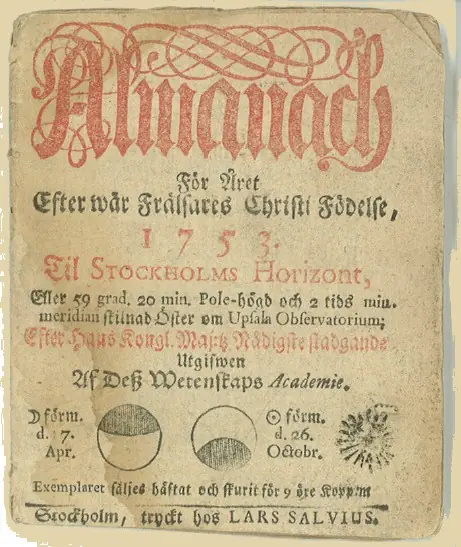
Adoption was not universal. Protestant regions viewed the papal decree with suspicion and retained the Julian calendar for decades; Britain and its colonies did not switch until 1752, when they omitted eleven days to catch up. The Gregorian calendar eventually spread to most of the world, becoming the de facto civil calendar used for international trade, scientific observation and daily life. Its precision has required only minor adjustments, such as the introduction of leap seconds in the twentieth century, confirming the lasting impact of the 1582 reform.
Napoleon Bonaparte arrived on Saint Helena on October 15 1815 after surrendering to the British fleet aboard HMS Bellerophon. The British government had decided that exile on a remote island was the only secure way to prevent any further attempt to regain power, a decision recorded in the minutes of the Cabinet meeting of 3 July 1815. Sir Hudson Lowe, appointed governor of the island, was instructed to keep the former emperor under constant guard and to deny him any means of communicating with supporters in Europe.
Lowe, then 51, arrived with a detachment of 50 soldiers and a small garrison of Royal Marines. He established a compound at Longwood House where Napoleon, aged 46, was confined with a limited retinue that included General Henri‑Gustave Delaborde, Count Emmanuel de Montholon and his wife Albine. Montholon, appointed by the French provisional government, acted as the official liaison and recorded daily observations that later formed the basis of many memoirs.
The exile was enforced by a strict regime: all movements required written permission from Lowe, and the island’s isolation meant that the nearest British outpost was over 1,800 kilometres away in Cape Town. Supplies were delivered by the Royal Navy, but a 1816 report noted that food rations were reduced to 1,800 calories per day, a figure that contributed to Napoleon’s declining health. The British Foreign Secretary, Viscount Castlereagh, justified the harsh conditions in a letter to the Prince Regent, stating that the safety of Europe demanded “the most effective confinement”.
The immediate effect of Napoleon’s removal was the collapse of any remaining Bonapartist plots, allowing the restored Bourbon monarchy under Louis XVIII to consolidate rule without fear of a resurgence. Internationally, the exile signaled the final settlement of the Napoleonic Wars, a fact confirmed by the Congress of Vienna’s final protocol of 9 June 1815 which had already allocated the former French Empire’s territories among the Great Powers. In the years that followed, the presence of the former emperor on Saint Helena became a diplomatic point of reference; British ministers regularly reported his condition to the Foreign Office, and his death in 1821 was noted in parliamentary debates as the end of an era.
Napoleon’s exile therefore transformed a continent‑wide conflict into a static political order, ending the revolutionary upheavals that had begun in 1789 and establishing a period of relative stability that lasted until the revolutions of 1848.
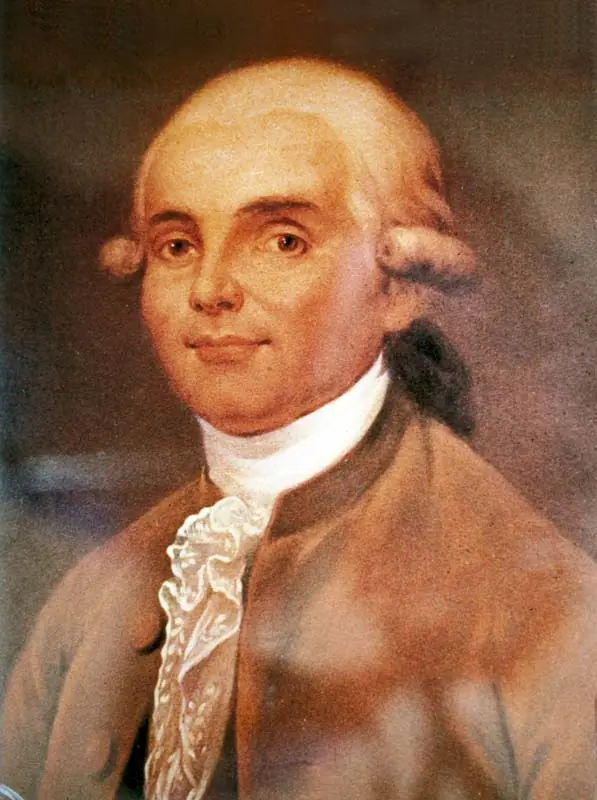
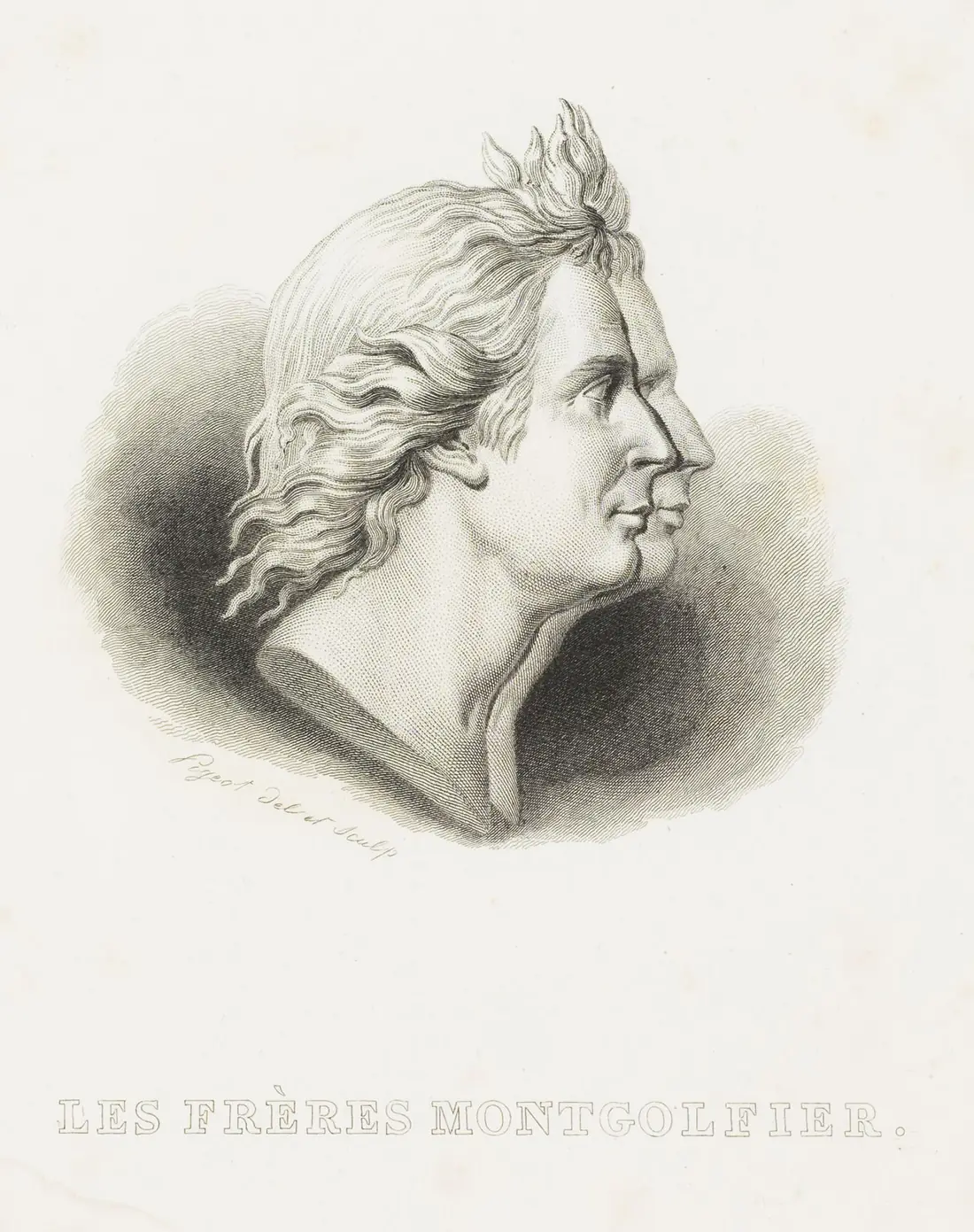
The Montgolfier brothers built a cloth envelope 5,000 cubic feet in volume, heated by a fire of 200 kilograms of wood, which produced enough lift to raise 24 kilograms of payload. On 15 October 1783 the envelope was inflated at the Champ de Mars in Paris and tethered to a wooden frame for a trial that lasted 15 minutes and reached an altitude of about 600 meters.
Before this test, the prevailing belief among scientists was that only animals could survive ascent because the heat source was thought to be too unstable for a human. Joseph‑Michel Montgolfier and his brother Jacques‑Étienne had demonstrated unmanned flights in June and July, but no person had been carried aloft in a hot‑air balloon.
The day of the trial, the French Academy of Sciences appointed the physics professor Jean‑Baptiste Pilâtre de Rozier to command the ascent. He entered the basket with a small sack of sand to adjust weight, and the brothers ignited the fire beneath the envelope. The balloon rose, the sand fell away as the lift increased, and Pilâtre de Rozier maintained altitude by regulating the flame with a hand‑operated bellows.
The ascent proved that a controlled heat source could sustain a human passenger, contradicting the earlier assumption of fatal instability. The experiment was recorded in a report dated 16 October, which listed the flight duration, altitude, and the fact that Pilâtre de Rozier returned safely to the ground after a gentle descent.
Within weeks, the Montgolfier design was licensed to the French government, and a second flight on 21 November carried Pilâtre de Rozier and the Marquis d'Arlandes for a 9‑kilometer journey. The success of the October ascent therefore replaced the belief that atmospheric ascent required animal subjects with the practical reality of manned flight, opening the field of aeronautics and prompting the establishment of a state balloon corps in 1794.
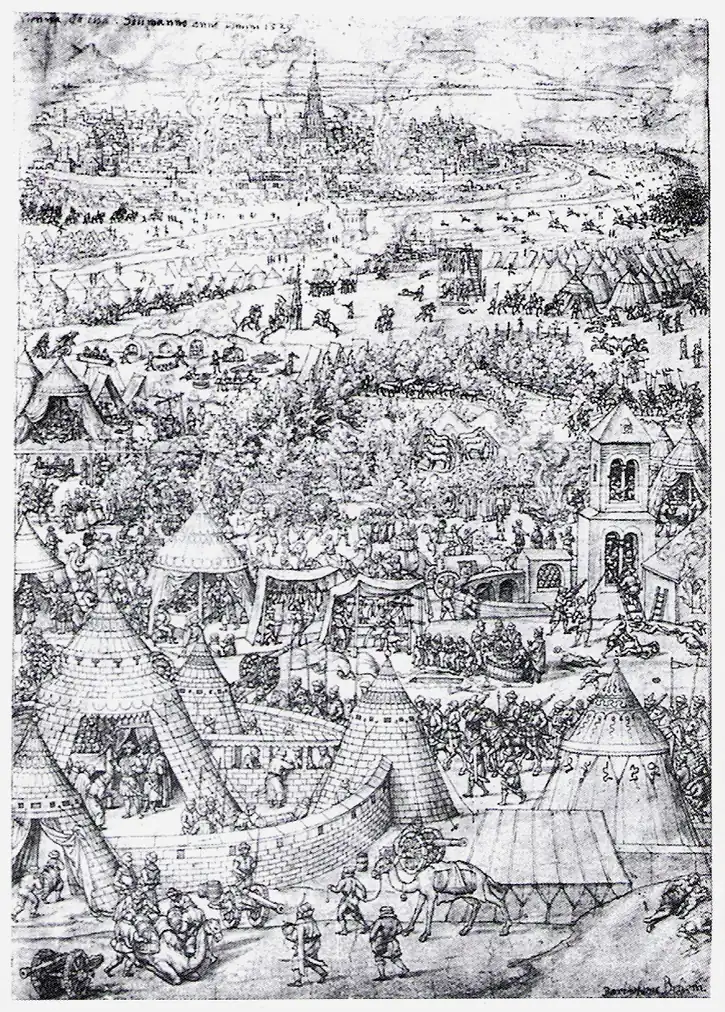
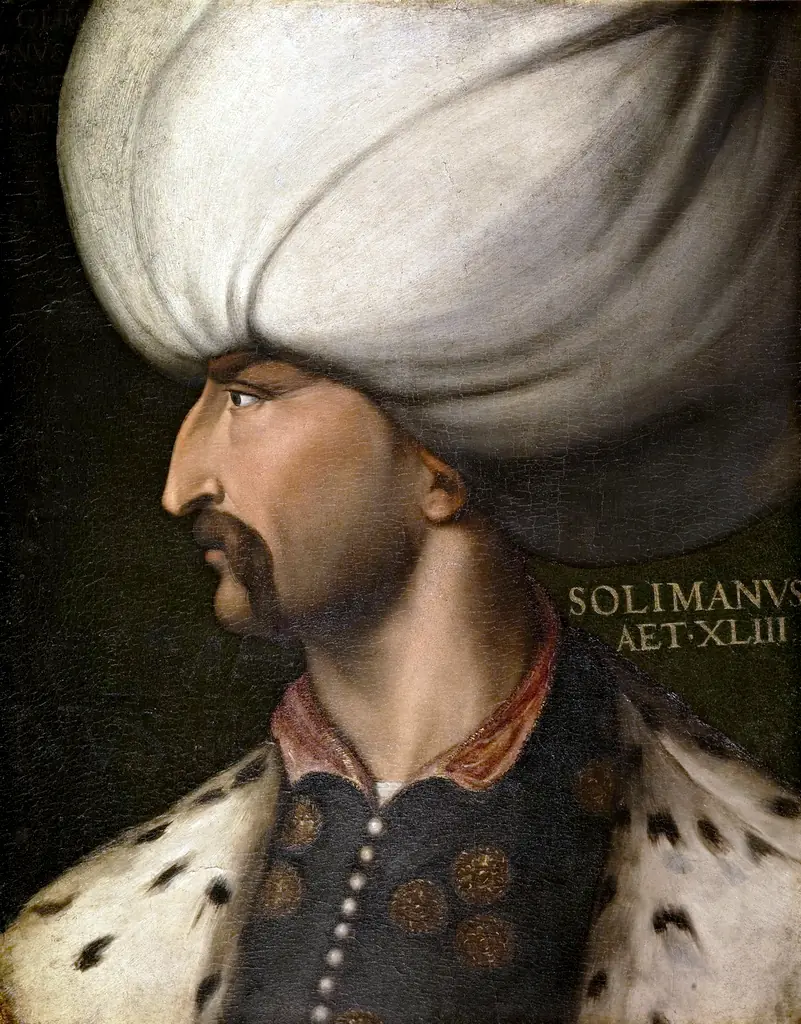
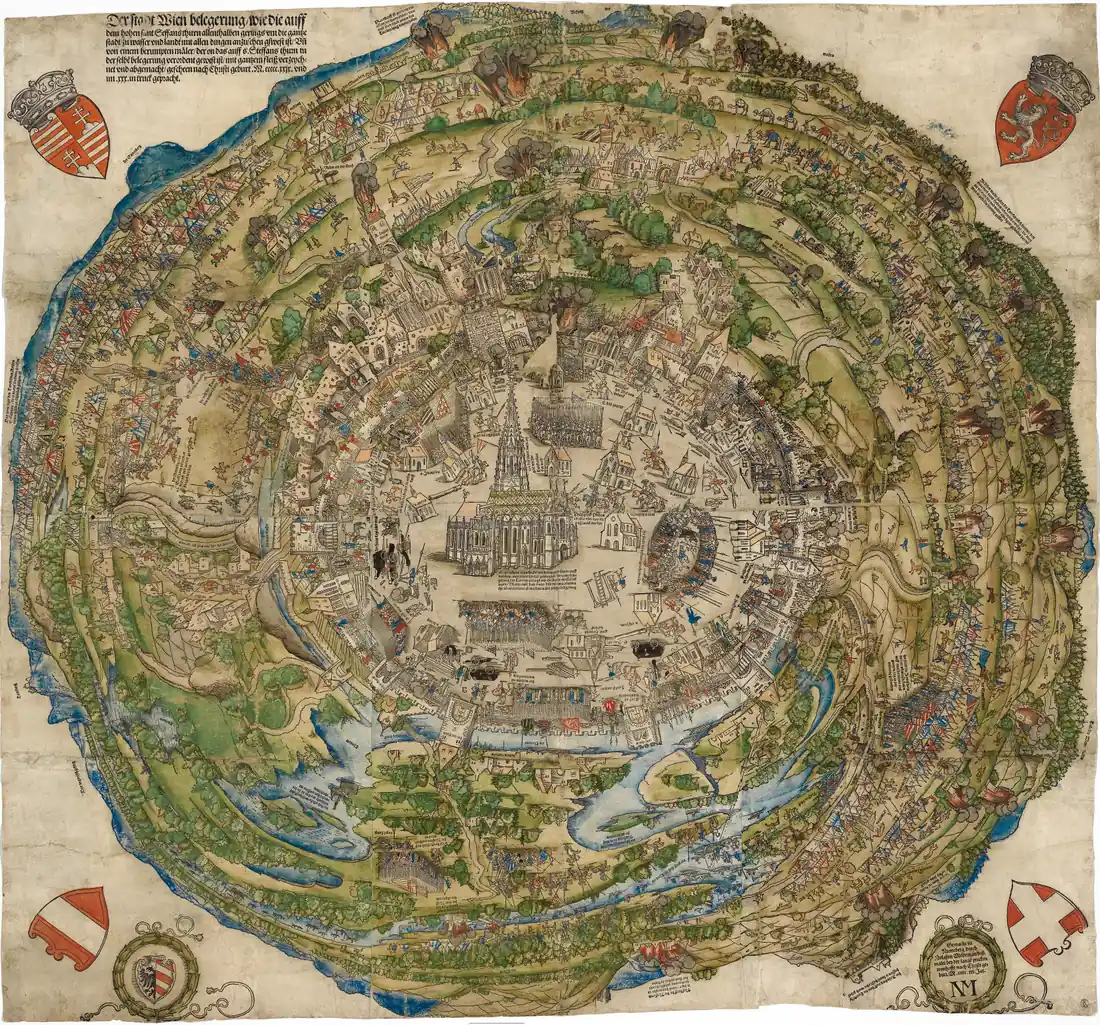
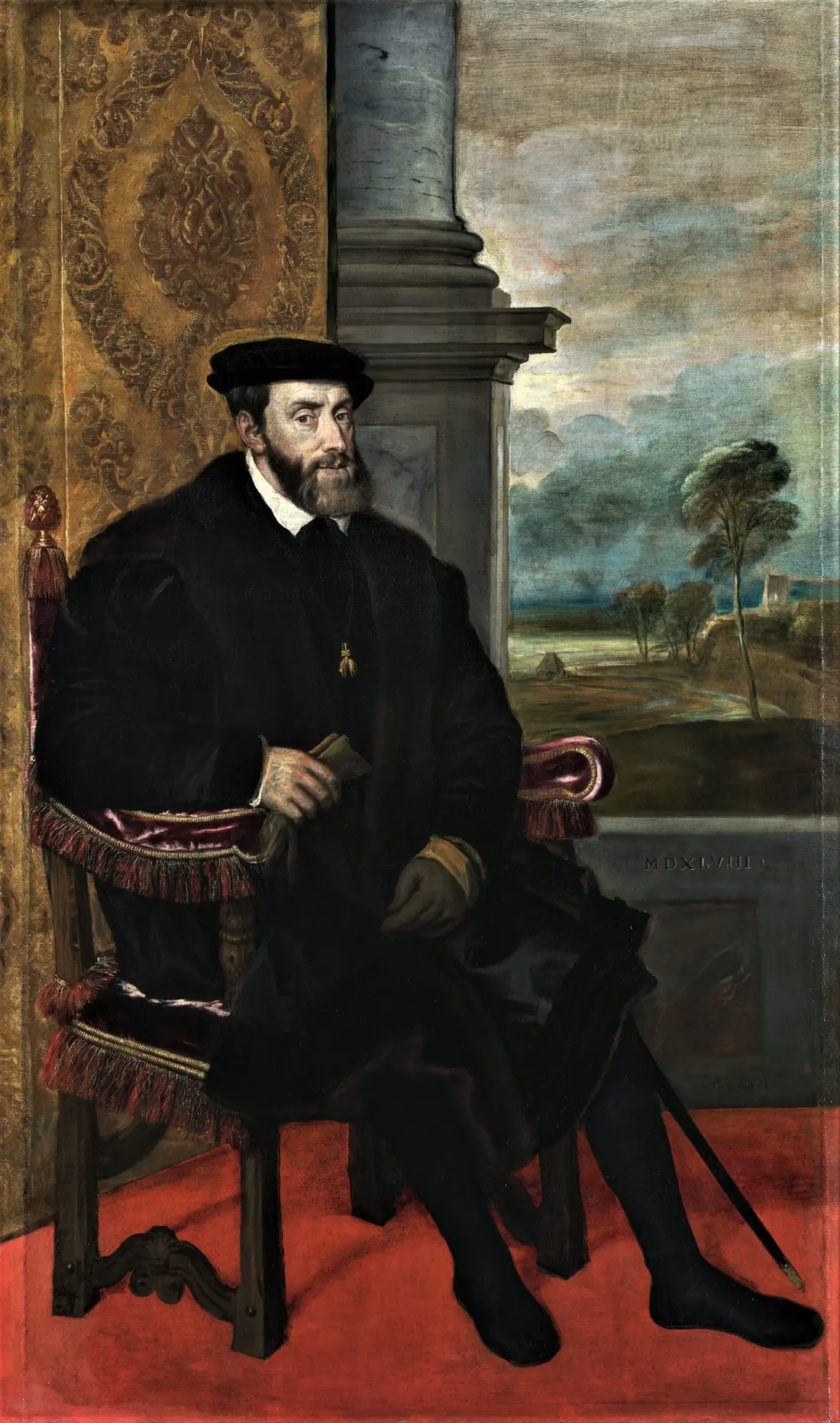
The Ottoman army failed to capture Vienna in 1529, ending the first major attempt to expand directly into Central Europe. Suleiman the Magnificent led an expedition of roughly 120,000 men, including infantry, cavalry, and artillery, to force the city after a failed diplomatic overture to Emperor Charles V. The Ottoman plan relied on a rapid siege using massive cannons that could breach the city walls, followed by an infantry assault once the defenses were weakened.
Vienna’s defenders numbered about 15,000, composed of Imperial troops, local militia, and a small contingent of Hungarian soldiers. Their commander, Nicholas, Count of Salm, ordered the construction of earthen ramparts and reinforced the main gates with timber piles, a technique that absorbed the impact of cannon fire. The Ottoman artillery, led by the engineer Firuz Ağa, positioned twelve large bombards on the hill of Kahlenberg, but the guns could not deliver enough kinetic force to break the reinforced walls before the supply lines ran thin.
The siege lasted from early September until October 15, when Suleiman ordered a retreat. Ottoman casualties are estimated at 20,000 dead or wounded, while Viennese losses were around 1,500. The failure forced the Ottoman command to reconsider the logistics of campaigning in the Alpine climate; the army suffered from disease and lack of food after the supply ships on the Danube were intercepted by Habsburg forces. The retreat also preserved the Habsburg heartland, allowing Charles V to maintain his influence over the Holy Roman Empire.
In the aftermath, the Habsburgs reinforced frontier fortifications along the Danube, creating a network of bastions that later deterred further Ottoman advances. The defeat also shifted Ottoman strategy toward a more gradual territorial consolidation in the Balkans rather than direct assaults on well‑defended capitals. Over the next fifty years, the Ottoman, Habsburg wars settled into a pattern of raids and negotiated truces, culminating in the Treaty of Karlowitz in 1699, which ceded most of Hungary to the Habsburgs. The 1529 siege thus marked a turning point: it stopped Ottoman expansion into Central Europe and set the stage for a centuries‑long balance of power between the two empires.
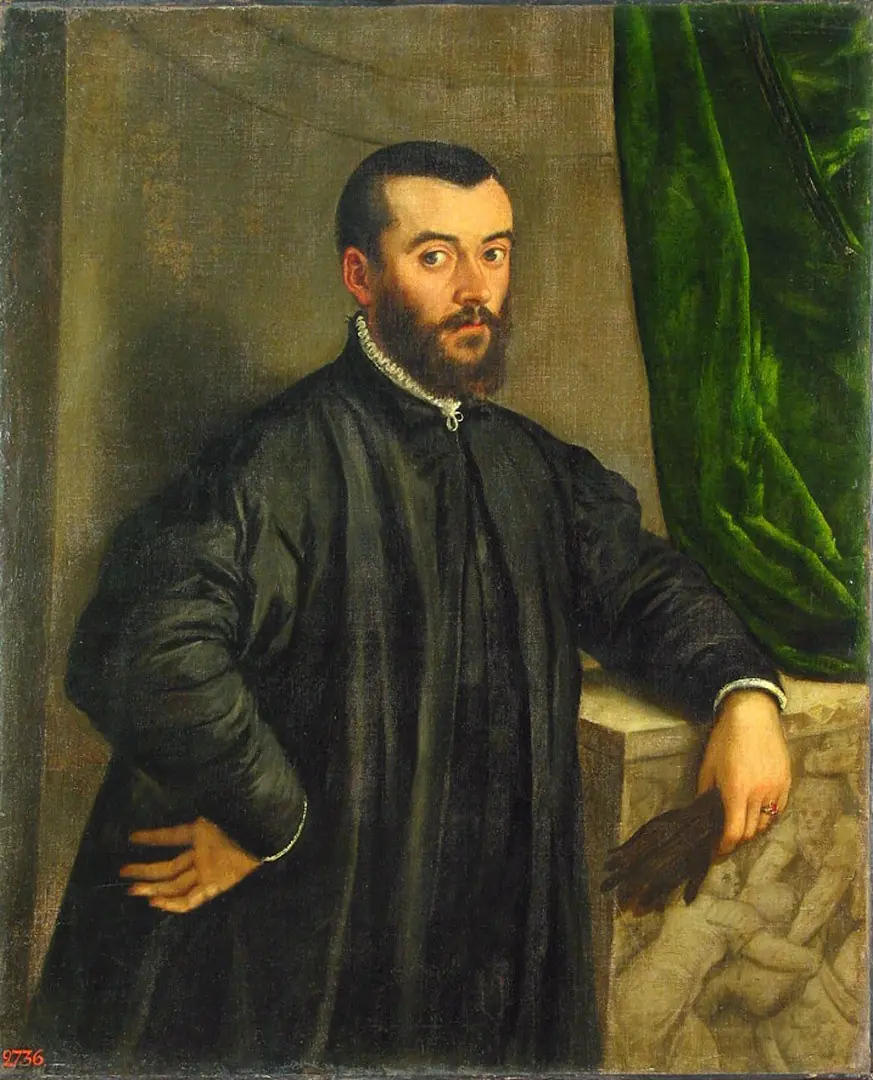
Andreas Vesalius, the Flemish physician who published the first full human dissection text, died in Brussels on 15 October 1564. He had been serving as a court physician to the Holy Roman Emperor and was traveling to the Spanish Netherlands to attend a diplomatic banquet when his health failed.
Vesalius arrived in Brussels on 12 October and stayed at the house of Charles de l'Ecuyer, a local noble who hosted the imperial entourage. On 14 October he developed a high fever and a severe cough. Contemporary physicians recorded that his temperature rose to 104 degrees Fahrenheit and that he experienced repeated vomiting. On the morning of 15 October, after a brief period of apparent improvement, his condition deteriorated rapidly. He lost consciousness, his pulse became weak, and he died at about 10 a.m. local time.
The death was recorded by the city clerk of Brussels, who noted that Vesalius was interred in the cathedral of Saint Michael and Saint Gudula. The burial took place on 17 October, and the cathedral chapter received a donation of 200 ducats from the imperial treasury to cover the funeral expenses. No will survived, so his personal library, including the original copies of De humani corporis fabrica, was transferred to the University of Padua, where he had taught from 1537 to 1542.
Vesalius had challenged the long‑standing reliance on Galen's animal dissections by dissecting human bodies and publishing detailed illustrations. His 1543 work corrected more than two hundred anatomical errors and introduced a systematic method of observation that became the foundation of modern anatomy. By the time of his death, the fabrica had been printed in Latin, French, and Italian editions, with a total circulation of roughly 5,000 copies, and it was used as a textbook in at least twelve European universities.
The immediate consequence of his death was the continuation of his teaching legacy through his former students, notably Realdo Colombo and Gabriele Falloppio, who further refined anatomical knowledge. Over the following decades his illustrations were copied in medical manuals, and the shift from speculative to empirical anatomy accelerated, leading to more accurate surgical practices by the early seventeenth century.