Before 1520 the Spanish Crown owned the Atlantic coast of South America but had no proven route to the Pacific. Portuguese explorer Vasco da Gama had opened a sea path to India in 1498, and the Treaty of Tordesillas of 1494 divided newly discovered lands between Spain and Portugal. King Charles I of Spain therefore funded an expedition to reach the Spice Islands by sailing west, hoping to avoid Portuguese-controlled routes around Africa.
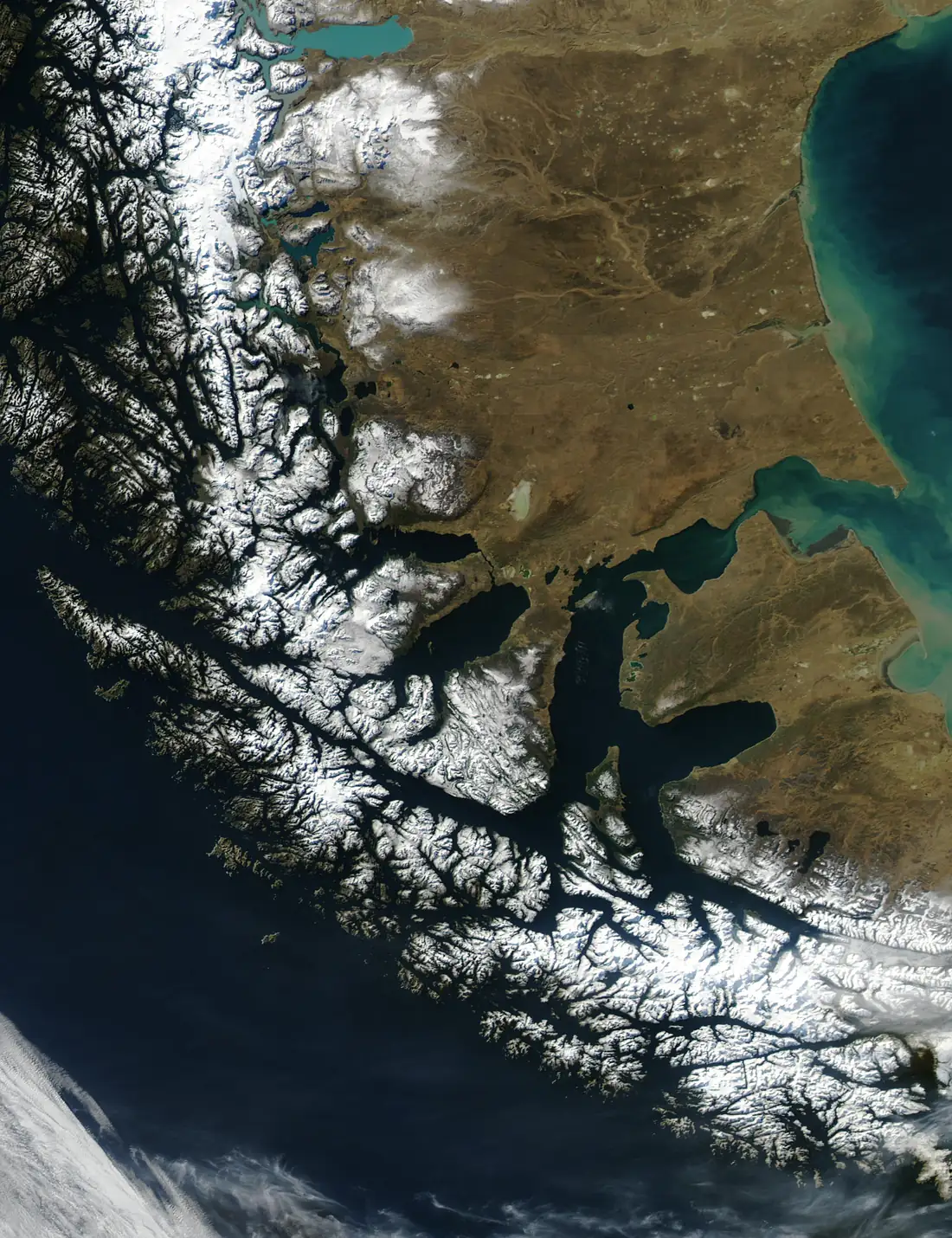
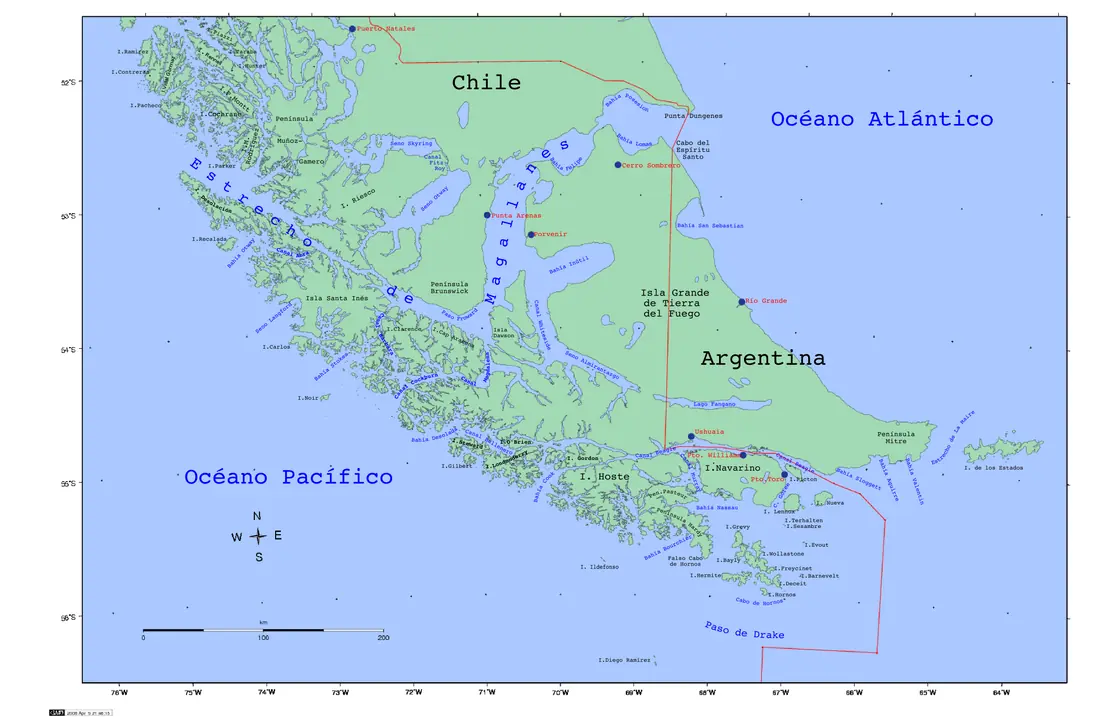
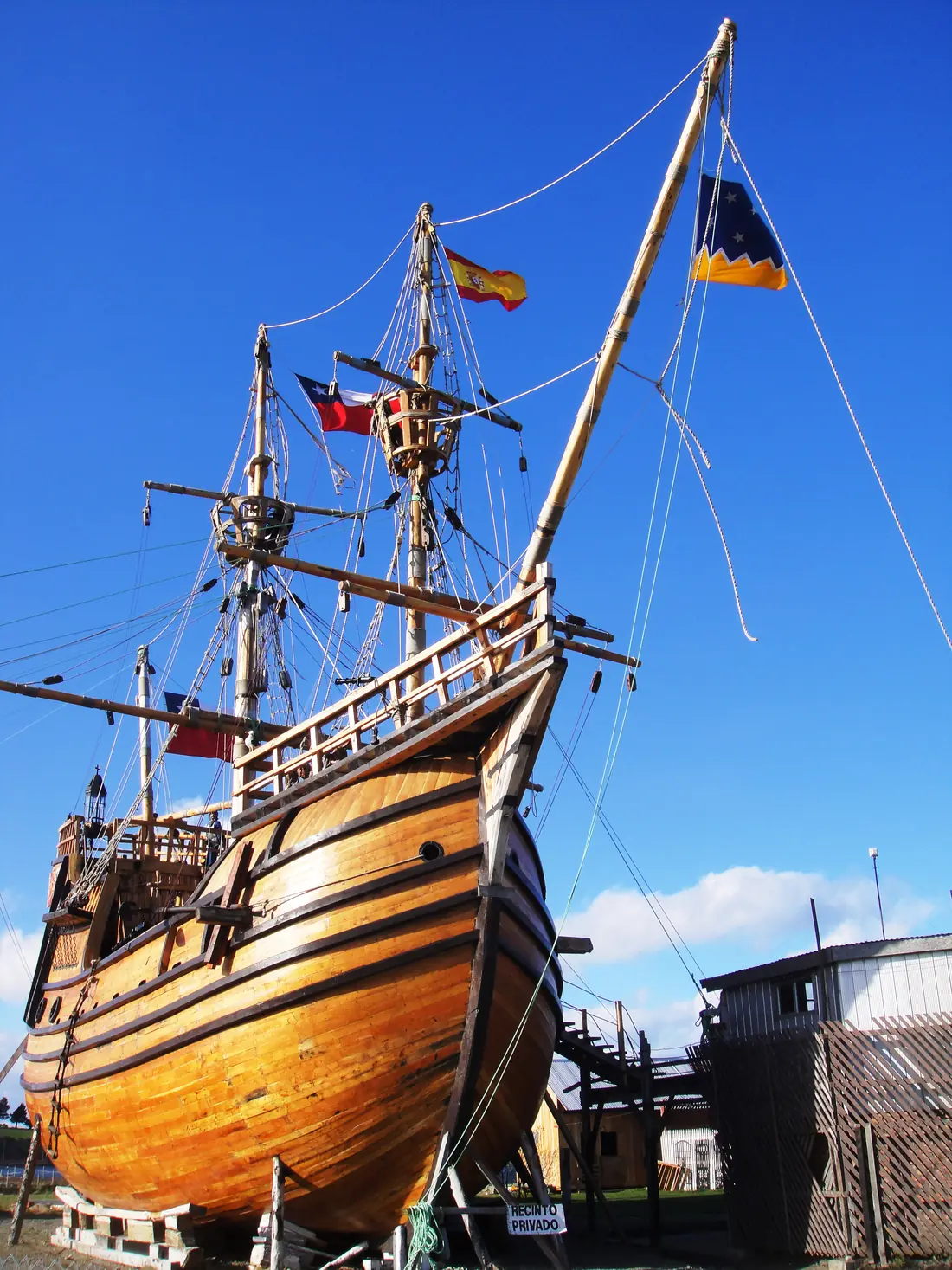
The expedition left Seville in 1519 with five ships and about 270 men under the command of Ferdinand Magellan, a Portuguese noble who had entered Spanish service. Its charter required a western passage to the east Indies and promised a share of any spice cargo. After crossing the Atlantic, the fleet spent the winter of 1519‑1520 in South America, exploring the Río de la Plata and the Patagonian coast. In October 1520 the fleet entered the narrow, maze‑like waterway at the southern tip of the continent that would later bear Magellan’s name.
Magellan’s ships navigated the strait over a period of three weeks, losing one vessel, the Santiago, after it ran aground on a hidden reef. Of the 237 crew members who entered the strait, 223 emerged on the Pacific side. The successful passage proved that a continuous sea route between the Atlantic and Pacific existed, contradicting earlier maps that showed a solid land barrier at the continent’s end.
The immediate consequence was that the fleet entered the Pacific Ocean on November 1, 1520, becoming the first Europeans to do so. The discovery forced Portuguese authorities to acknowledge a Spanish claim to western routes, although the Treaty of Zaragoza of 1529 later attempted to settle the dispute by allocating specific longitudes to each crown. Magellan’s expedition continued eastward across the Pacific, reaching the Philippines in 1521 where Magellan was killed. Only one ship, the Victoria, returned to Spain in 1522 with 18 survivors and a modest cargo of spices, delivering a profit of about 50 percent on the original investment.
The strait’s navigation opened a new commercial corridor that later supported the Manila galleon trade, linking Asia and the Americas for over two centuries. It also demonstrated the feasibility of global circumnavigation, influencing subsequent voyages by other European powers.
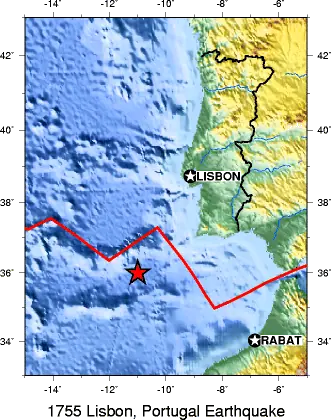
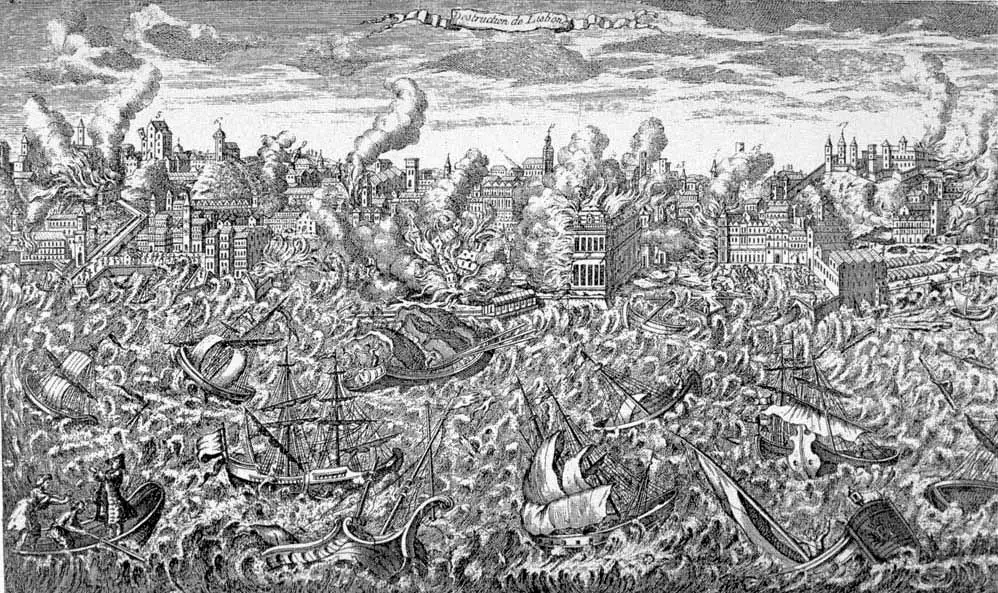
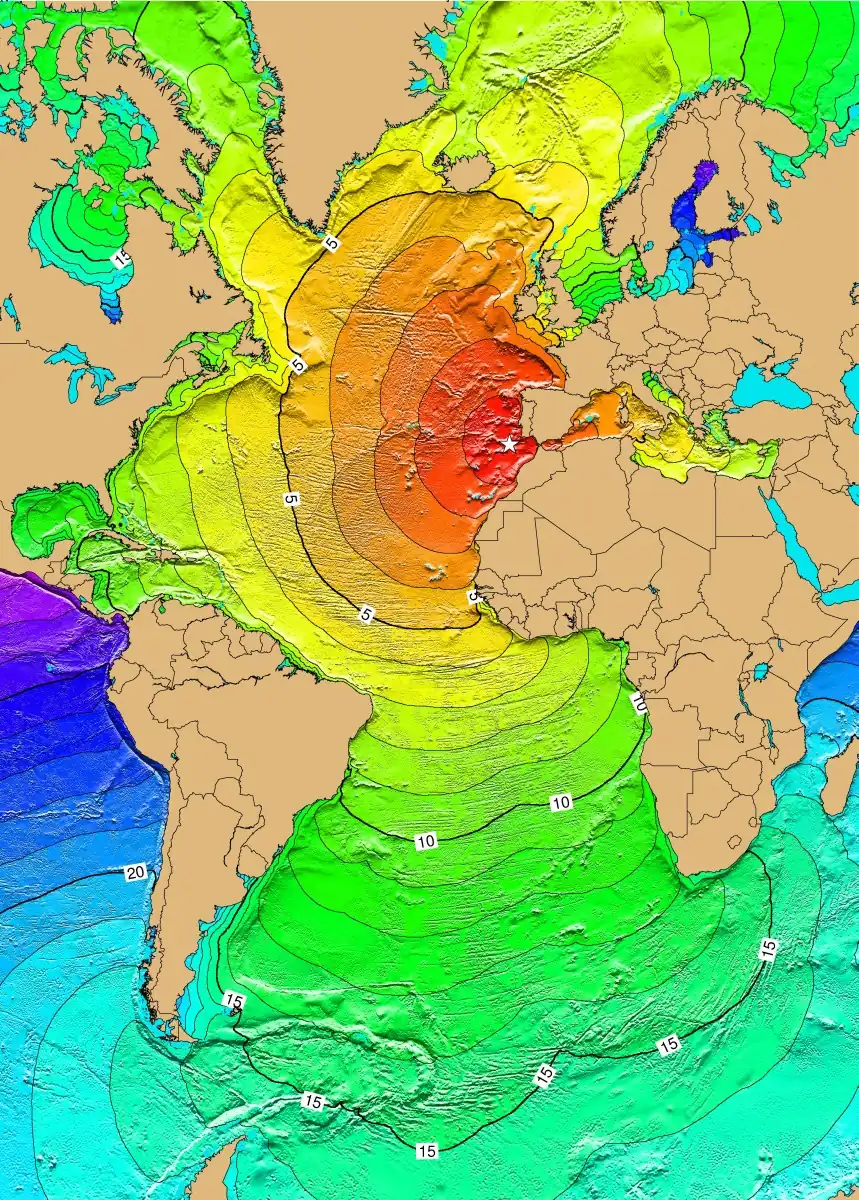
The 1755 Lisbon earthquake destroyed most of the city and killed an estimated 60,000 people. Seismologists estimate the quake originated on the Azores, Gibraltar fault line where the African and Eurasian plates slide past each other, releasing energy equivalent to a magnitude 8.5 event. The rupture sent shock waves through the Iberian Peninsula, and the sudden vertical displacement of the sea floor generated a tsunami that reached the Portuguese coast within minutes, sweeping away ships in the harbor and flooding low‑lying neighborhoods.
Contemporary accounts recorded that the main shock lasted about one minute, after which aftershocks continued for several days. The cathedral of Lisbon collapsed, and the royal palace was reduced to rubble, leaving the Portuguese court homeless. King José I survived because he was at the royal summer residence in Queluz, but the loss of the capital’s administrative buildings forced the government to operate from temporary shelters. The disaster also destroyed most of the city’s archives, eliminating many primary sources for later historians.
The immediate response was organized by the Marquis of Pombal, the king’s chief minister. He ordered the clearance of debris, the construction of temporary barracks, and the establishment of a central committee to coordinate relief. Pombal famously instructed that “the city must be rebuilt on a rational plan, ” and he imposed strict building codes that required wooden frames and flexible walls to resist future tremors. These regulations, known as the Pombaline style, were applied to the new grid of streets that replaced the medieval layout. By 1760, about 15,000 new houses had been erected, providing shelter for roughly half of the displaced population.
The earthquake also triggered a profound intellectual crisis across Europe. Philosophers such as Voltaire and Rousseau debated whether a divine plan could allow such destruction, influencing the Enlightenment’s critique of religious authority. In Portugal, the catastrophe accelerated the decline of the aristocracy’s power and increased the crown’s reliance on bureaucratic officials, laying groundwork for modern state administration.
Long‑term effects included the establishment of Portugal’s first seismological observatory in 1761, which began systematic recording of tremors. The rebuilt Lisbon became a model of urban planning, and its resilient construction methods were studied by engineers worldwide. The event thus reshaped Portuguese society, governance, and scientific practice, while the loss of life and cultural heritage remained a stark reminder of natural vulnerability.
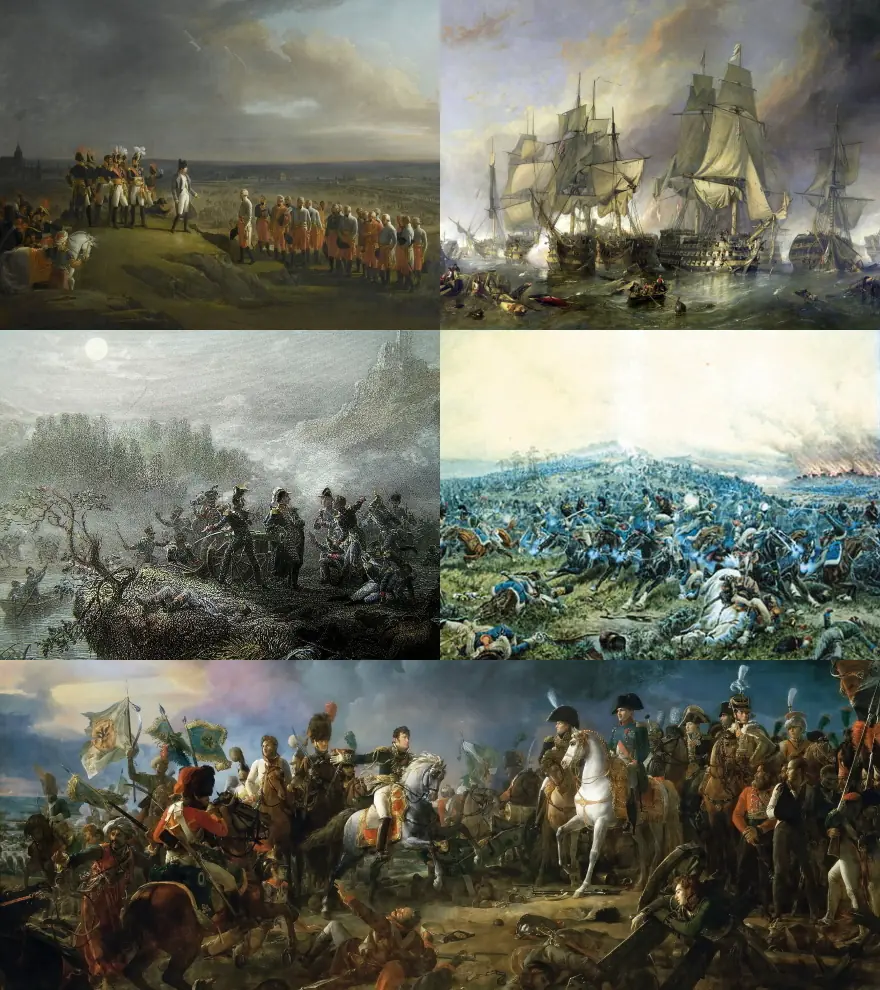
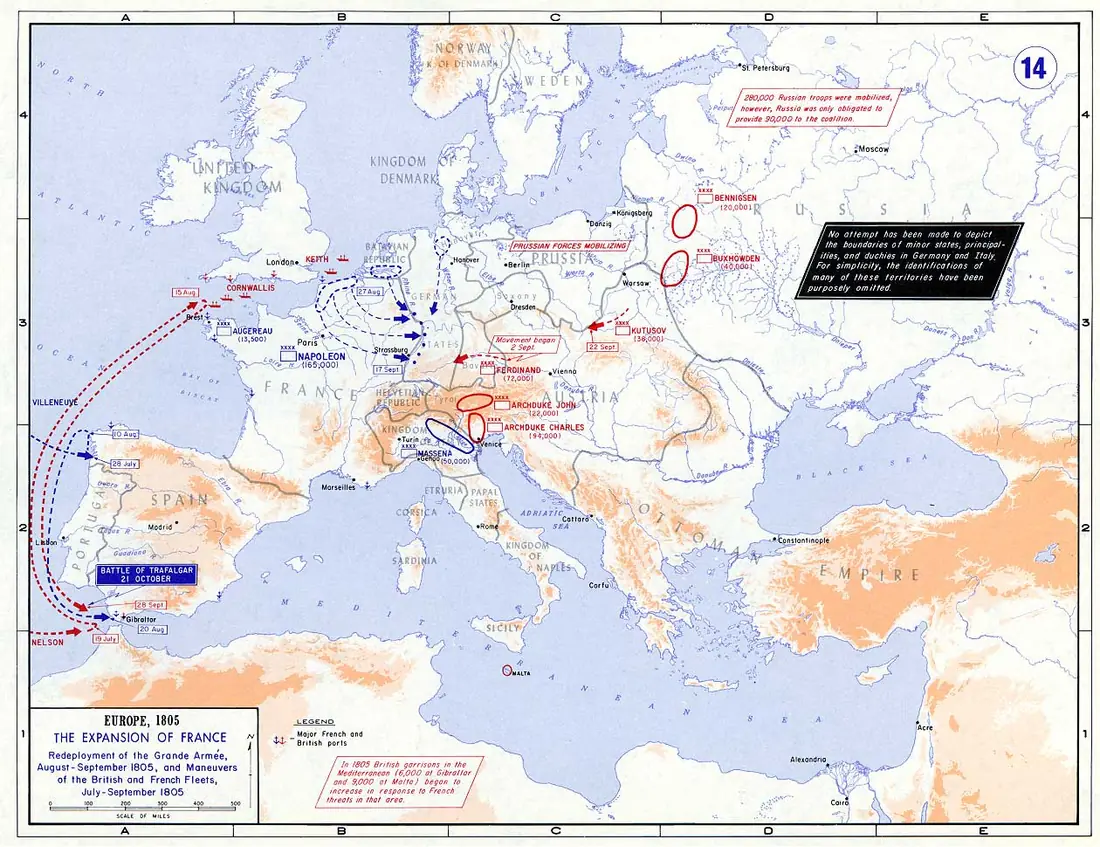
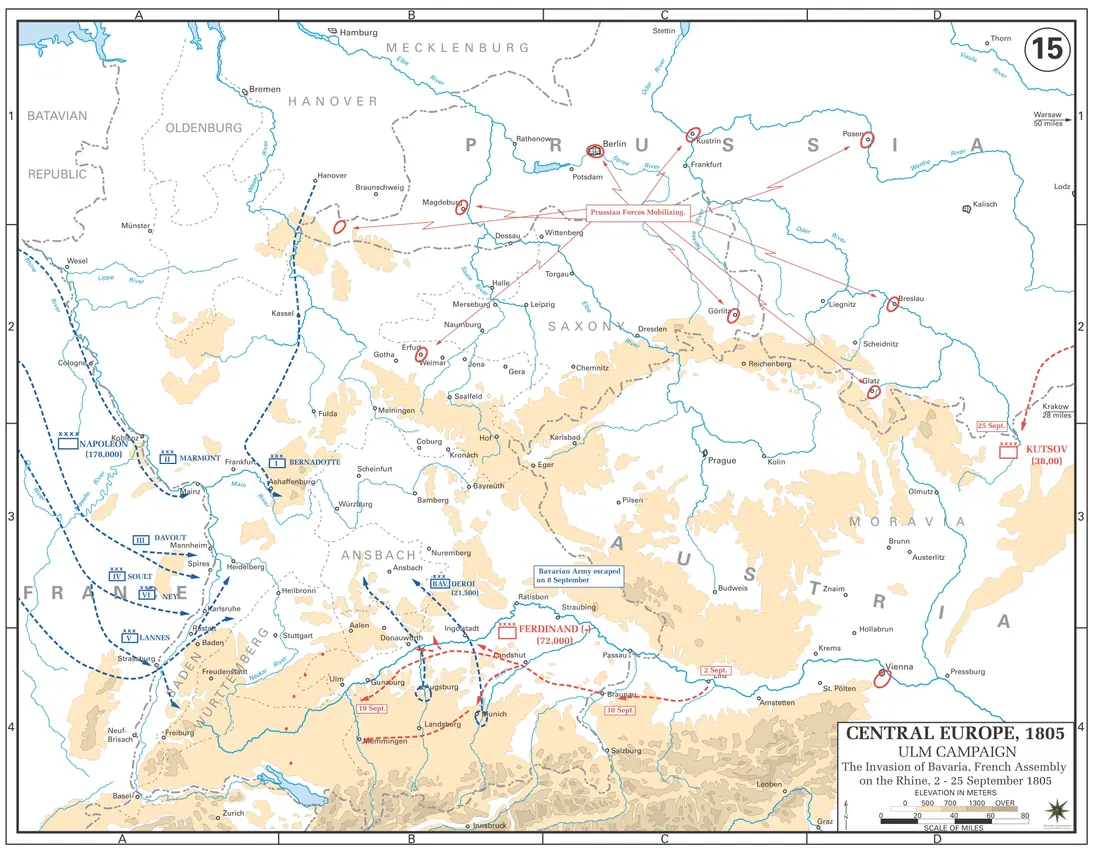
Napoleon Bonaparte ordered the Grande Armée to cross the Danube and strike the Austrian heartland in November 1805. The French force numbered about 165,000 men, organized into six corps each commanded by a marshal who could operate independently while remaining linked by a central staff. This corps system allowed simultaneous attacks on multiple points of the Austrian line, a method that had never been applied on such a scale in Europe.
The Austrian army fielded roughly 120,000 troops under Archduke Charles, spread across a defensive line from Vienna to the Danube bend. Napoleon concentrated his main body near Ulm, where he directed Marshal Michel Ney to feign a retreat, drawing Austrian forces northward. At the same time, Marshal Louis‑Nicolas Davout marched east with 30,000 men, securing the bridge at Regensburg and cutting the Austrian supply route. The French use of rapid forced marches, precise timing, and coordinated artillery bombardments created a logistical shock that the Austrians could not counter.
On 2 November the French seized the fortified town of Braunau, forcing the Austrian commander to abandon his position with a loss of 5,000 men and 30 cannons. By 11 November the French had surrounded the Austrian army at the Battle of Austerlitz, though that battle occurred after the initial invasion. The immediate result of the November campaign was the surrender of the Austrian forces in the Danube region, with 30,000 prisoners taken and an additional 70,000 troops forced to retreat toward Bohemia.
Napoleon’s success rested on the integration of a unified command structure, standardized supply wagons, and the use of the French artillery’s interchangeable cannon carriages, which allowed rapid redeployment. Each corps carried its own artillery park, reducing the need for a central reserve and enabling swift concentration of fire where the enemy was weakest. This logistical innovation meant that the French could sustain offensive operations far from their bases, a capability previously imagined only for small raids.
The invasion forced Austria to seek peace, leading to the Treaty of Pressburg on 26 December 1805. The treaty ceded the Tyrol, Venetia and other territories to France and its allies, and it dissolved the Holy Roman Empire, which had existed for more than a millennium. The French model of corps‑level autonomy and integrated logistics became the standard for modern armies, showing that a single, well‑organized force could achieve strategic objectives across a broad front without relying on local alliances.
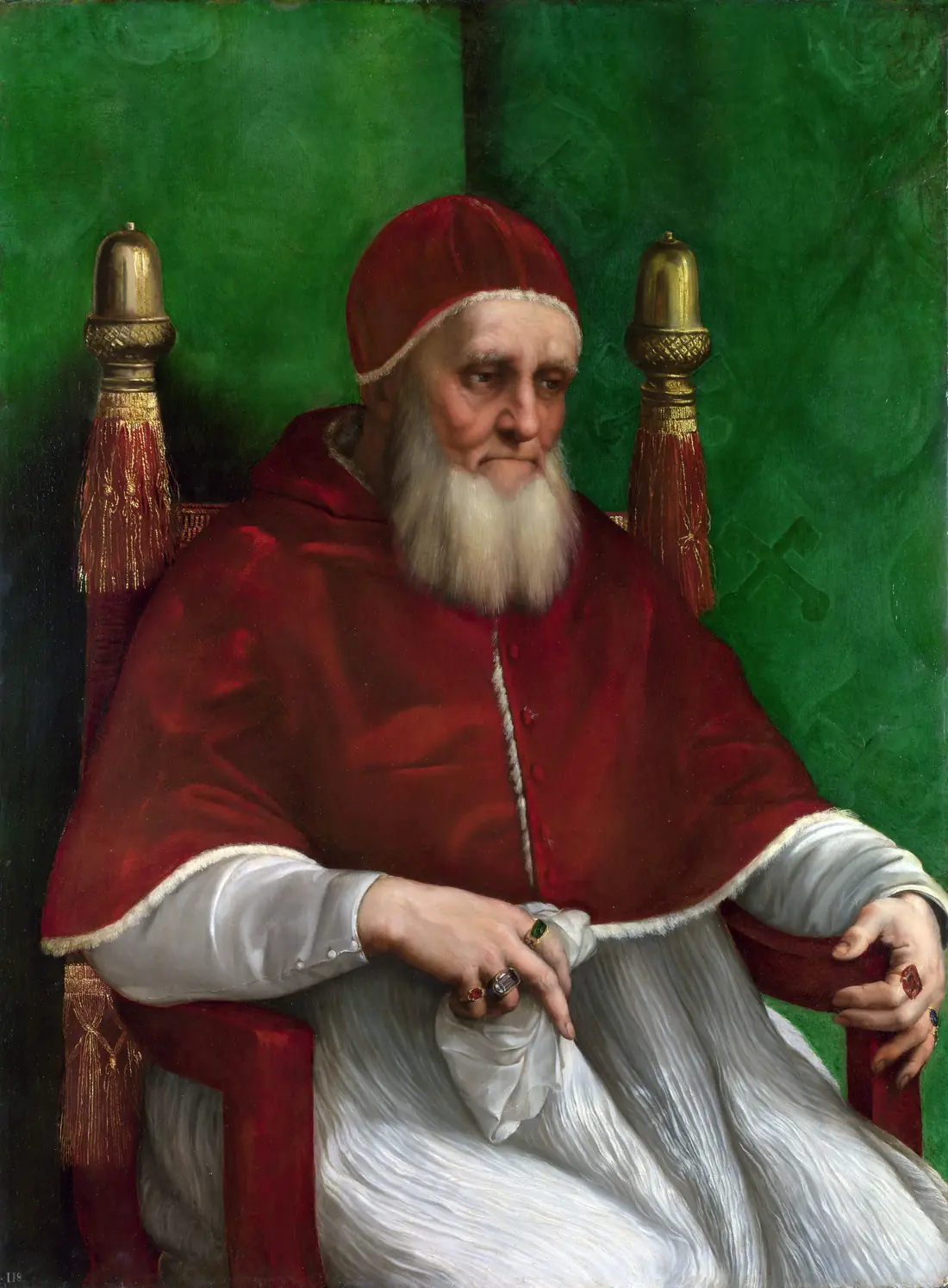
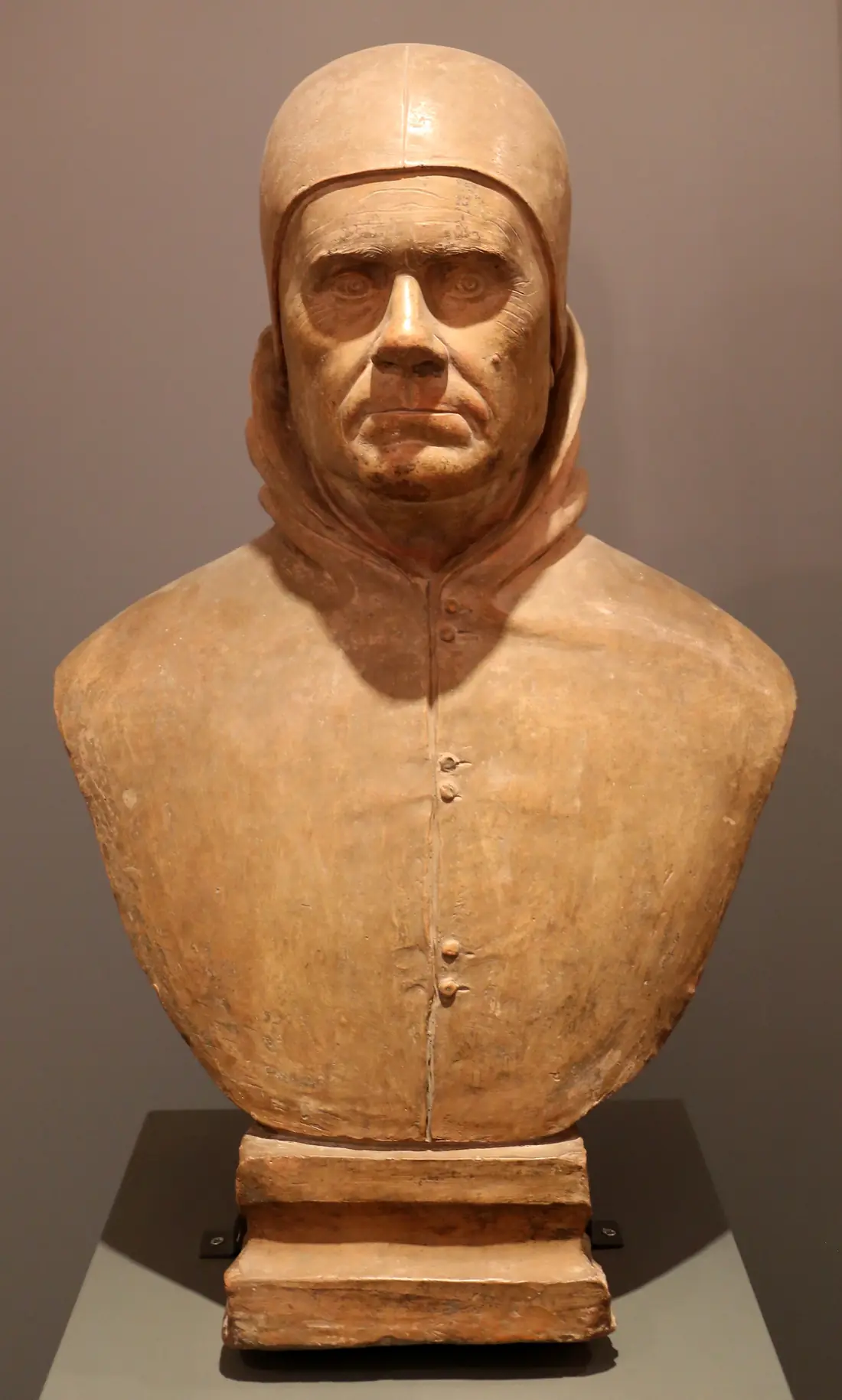
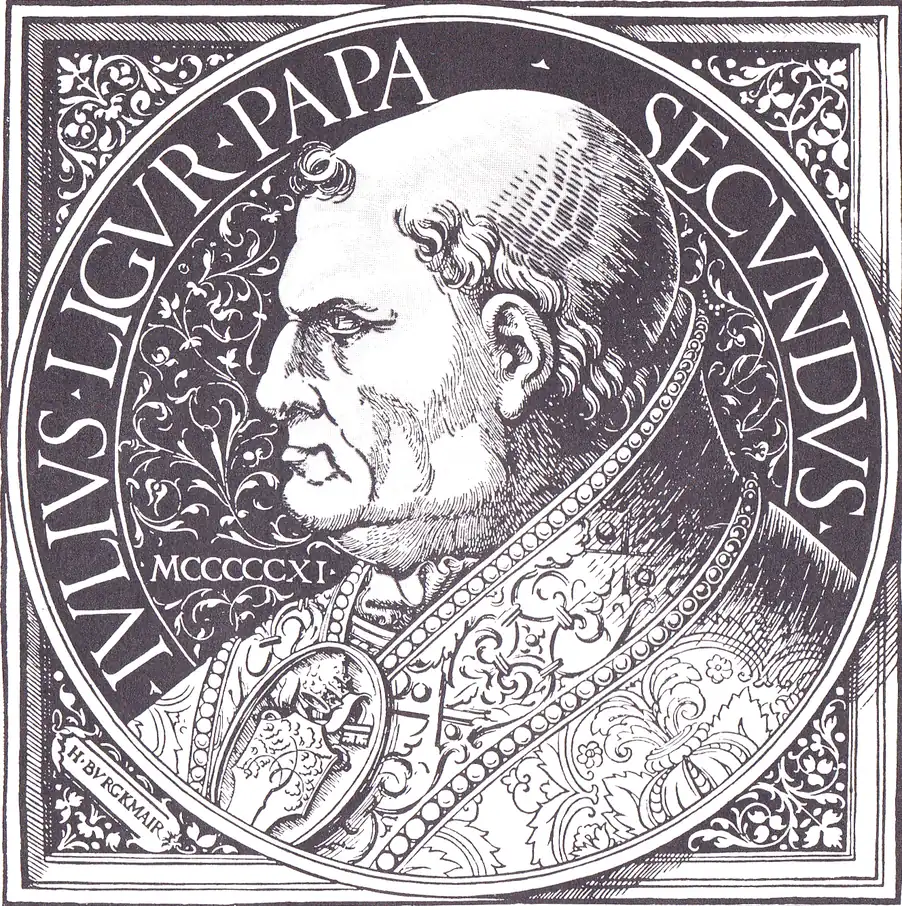
Cardinal Giuliano della Rovere was elected Pope on 1 November 1503, taking the name Julius II. The conclave that elected him began on 30 October after the death of Pope Pius III, who had reigned only twenty‑four days. Twenty‑four cardinals entered the Sistine Chapel, sealed the doors, and voted by the traditional method of burning ballots and reading the smoke. On the second day, after three scrutinies, the black smoke cleared and the white smoke rose, signalling that a two‑thirds majority had been reached for della Rovere.
The cardinal who secured the decisive votes was Rodrigo Borgia, later Pope Alexander VI, who had previously promised support to della Rovere in exchange for the restoration of the Borgia family’s benefices in the Romagna region. Della Rovere’s own faction, led by his nephew Cardinal Giuliano della Rovere, mobilised additional votes by promising the restoration of lands confiscated from the Orsini family during the previous papacy. The final tally recorded by the papal archivist was 24 votes for della Rovere, 0 for any other candidate.
At 3 p.m. on 1 November the newly elected pope was asked to choose his papal name. He selected Julius, invoking the ancient Roman emperors and signalling a desire to restore papal temporal power. He received the papal tiara and the pallium in a brief ceremony in the Sistine Chapel, after which he delivered his first papal bull, "Quamvis admodum, " confirming the appointments of his close relatives to key bishoprics.
Julius II immediately began to reverse the policies of his predecessors. He reinstated the military orders that had been disbanded by Pope Alexander VI, raising an army of 20,000 mercenaries to defend the Papal States against French incursions. He also commissioned the reconstruction of St. Peter’s Basilica, allocating 2 million ducats from the papal treasury for the project. Within six months he had secured a treaty with King Louis XII of France, ceding the city of Bologna in exchange for French troops to defend the northern borders of the Papal States.
The election of Julius II marked a turning point in the political landscape of Renaissance Italy. By consolidating papal authority, expanding the military, and initiating major architectural works, he set the stage for the later conflicts of the Italian Wars and for the cultural flourishing of the High Renaissance.
The decisive factor in November 1141 was the capture of King Stephen by forces loyal to Empress Matilda at the Battle of Lincoln. Stephen's imprisonment forced the nobility to choose a new ruler, and the council at Winchester elected Matilda as "Lady of the English" on 22 June 1141. This election rested on the legal principle that a king could be deposed by a council if he lost the support of his vassals, a precedent established during the earlier reign of Henry I.
Matilda's claim derived from her father Henry I, who named her his heir after the death of his only son. However, the succession was contested because many barons preferred a male ruler. When Stephen seized the throne in 1135, he relied on a swift coronation and the backing of powerful earls. The ensuing civil war, known as The Anarchy, produced shifting alliances and frequent sieges.
The council's decision in June gave Matilda authority, but she never achieved a coronation. She entered London in September 1141 and was recognized by the city’s officials, yet she faced resistance from the clergy of Canterbury and from nobles who feared her close ties to the Holy Roman Empire. Her inability to secure a crown reflected the political reality that legitimacy required both noble and ecclesiastical endorsement.
Stephen's release in November followed a negotiated ransom of 3000 marks paid by his supporters. Upon his return to the capital, he reclaimed the throne without further bloodshed, because many of Matilda's allies had switched sides after she failed to capture the Tower of London. The council that had elected her dissolved, and Stephen was re‑crowned at Westminster Abbey on 8 December 1141.
The immediate consequence was a renewed stalemate. Neither side could achieve decisive victory, leading to a prolonged period of localized warfare that lasted until the Treaty of Wallingford in 1153. That treaty recognized Stephen as king for life while naming Matilda's son, Henry, as his successor. The episode demonstrates how medieval succession depended on a combination of military capture, council decisions, and ecclesiastical approval, rather than a simple transfer of power after a battle.