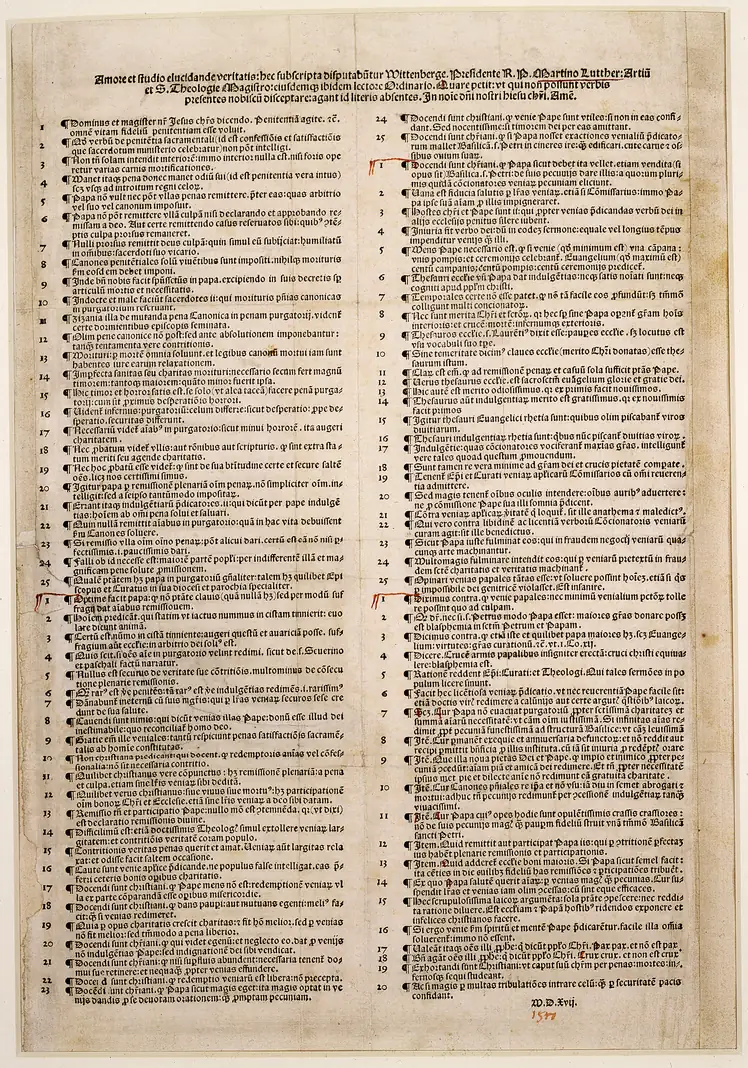
The immediate trigger for Luther’s action was a papal tax of one tenth of a cleric’s income, imposed in 1517 to fund a war against the Ottoman Empire. Luther, a professor of theology at the University of Wittenberg, argued that the tax violated the biblical principle that salvation is a matter of conscience, not money. On 31 October 1517 he nailed a handwritten list of ninety‑five propositions to the door of the Castle Church, a common method for inviting scholarly debate.
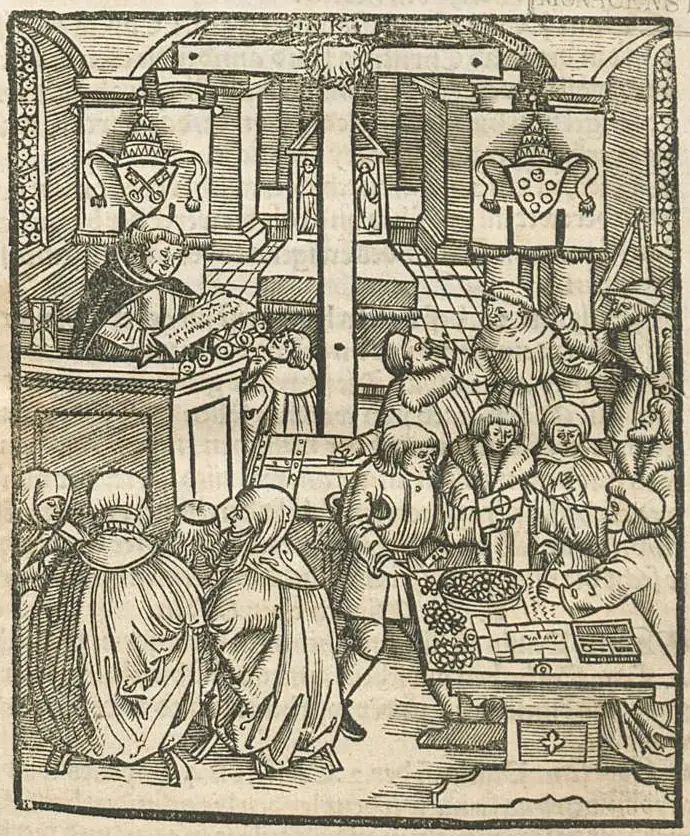
The theses challenged the Church’s practice of selling indulgences, which promised remission of temporal punishment for sins. Luther cited Scripture, especially Romans 1:17, to claim that “the righteousness of God is revealed through faith alone.” He also noted that indulgence sellers, such as Johann Tetzel, exaggerated the benefits, leading many to pay for forgiveness they could not receive. By posting the theses, Luther sought a university‑wide discussion, not a public revolt.
Within weeks the theses were copied by printers in Mainz and Wittenberg. By the end of 1517, an estimated 200,000 copies had circulated, aided by the recently invented movable‑type press. This rapid spread turned a local academic dispute into a continent‑wide controversy. The Church responded by summoning Luther to the Diet of Augsburg in 1518, where he defended his positions. In 1520 Pope Leo X issued the bull *Exsurge Domine*, condemning 41 of the theses and demanding Luther’s recantation. Luther burned the bull publicly on 10 December 1520, a clear rejection of papal authority.
The immediate consequence was the formation of a reform movement centered on the principle of *sola scriptura*—that Scripture alone is the authority for Christian doctrine. By 1521 Luther was declared an outlaw at the Diet of Worms, yet he continued to translate the New Testament into German, making the Bible accessible to laypeople. Over the following decade, the movement split into various denominations, leading to religious wars that reshaped the political map of Europe. The act of posting the theses thus initiated a chain of doctrinal, linguistic, and political changes that still define Western Christianity.
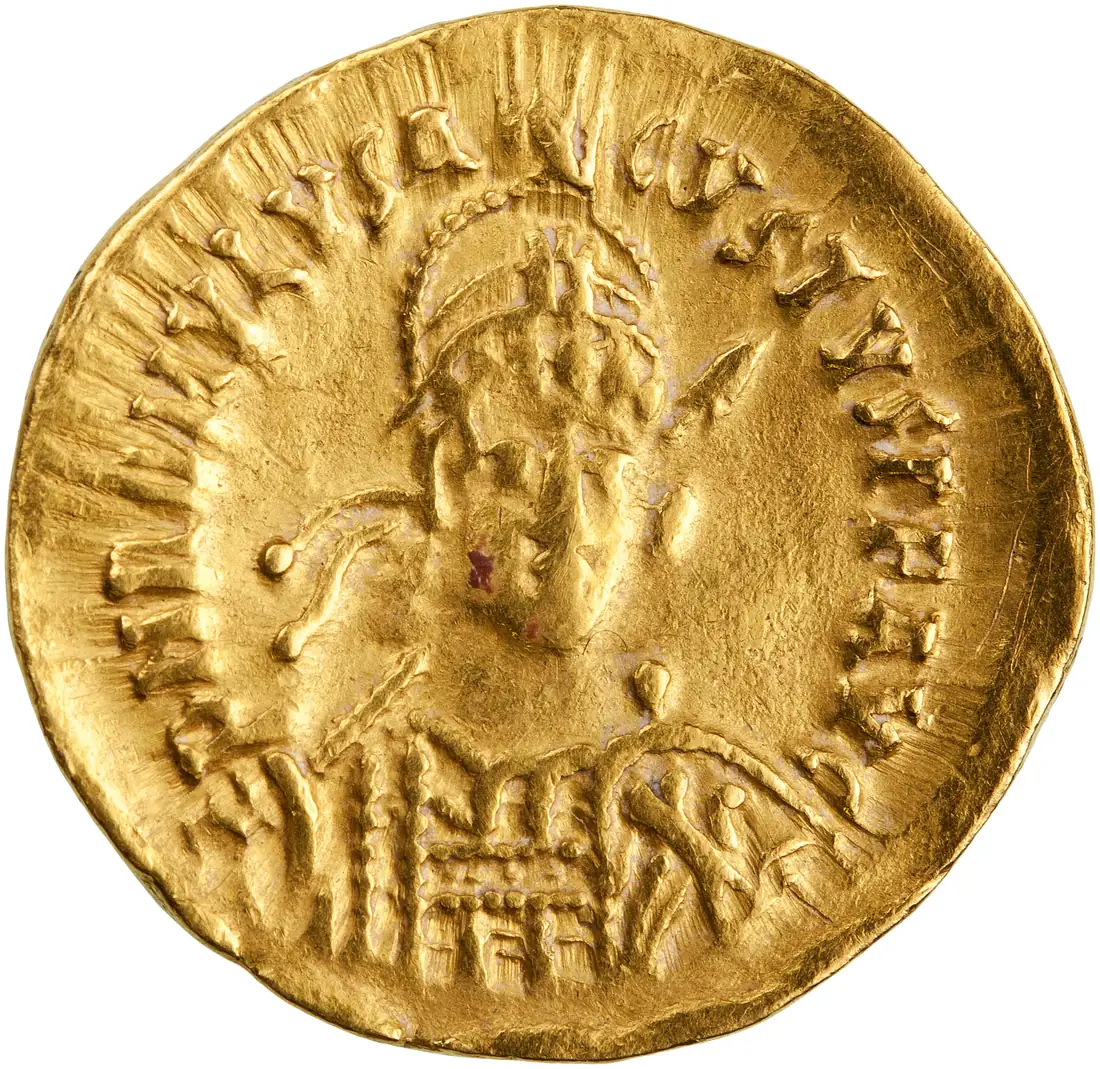
The Western Roman throne was filled by a boy named Romulus Augustulus, the son of the commander Orestes, on 31 October 475 in Ravenna. Orestes had forced the previous emperor, Julius Nepos, to flee by marching his troops into the city and demanding the throne for his son, who was about fifteen years old. The ceremony followed the traditional Roman ritual: the army swore allegiance, the Senate gave a formal acknowledgment, and the imperial insignia were handed to the young ruler. Orestes retained actual power, appointing himself as the senior magistrate and controlling the treasury, while Romulus issued edicts in name only.
The accession occurred because the Western Empire lacked a stable succession system and relied on military leaders who could command the limited forces still loyal to Rome. By 475 the imperial army numbered fewer than 10,000 men, a fraction of the forces that had defended the empire a century earlier, and many soldiers were mercenaries paid irregularly. Orestes exploited this weakness, offering higher pay to secure their support for his son. The move also reflected the declining authority of the Senate, which could not prevent the coup but merely legitimized it after the fact.
The immediate effect was a brief continuation of the existing administrative structure. Tax collections continued from the Italian provinces, and the legions in Gaul and Hispania remained under the same commanders. However, the new regime alienated the Germanic foederati who had been granted land in exchange for military service. Their leader, the Germanic commander Odoacer, demanded the promised land and a share of the treasury. When Orestes refused, Odoacer's forces marched on Ravenna in the spring of 476, defeated Orestes' troops, and executed him.
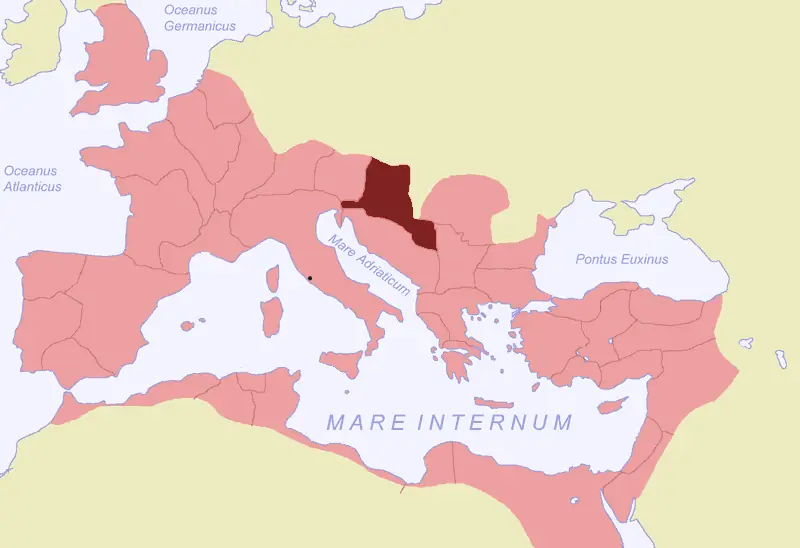
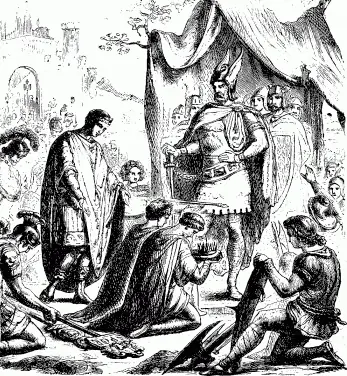
On 4 September 476 Odoacer deposed Romulus Augustulus, sending the boy into exile and declaring himself ruler of Italy. He sent the imperial regalia to the Eastern emperor, effectively ending the line of Western emperors. The deposition marked the transition from Roman imperial rule to a series of Germanic kingdoms, and it ended the administrative continuity that had persisted for over five centuries. The fall of the Western Empire altered the political map of Europe, leading to the emergence of the Ostrogothic and Lombard kingdoms and reshaping the region's legal and cultural foundations.
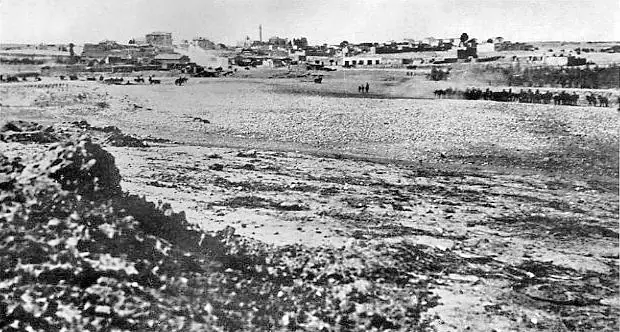
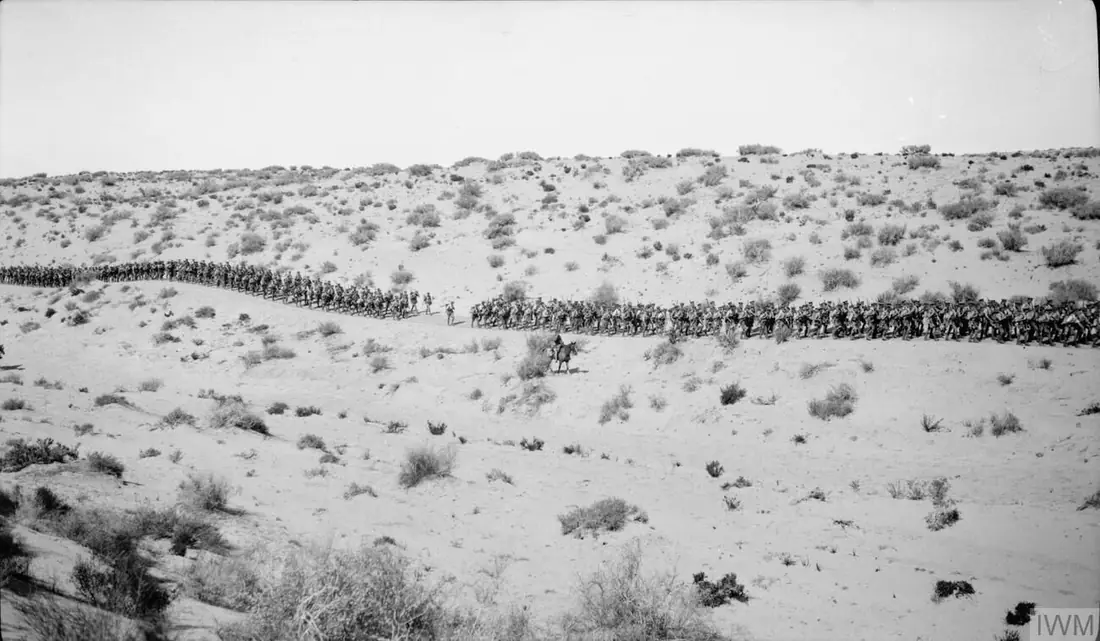
In early October 1917 the British Egyptian Expeditionary Force held a line along the Gaza, Beersheba front, while the Ottoman Yildirim Army Group defended a series of entrenched positions from Gaza eastward to the desert town of Beersheba. The Ottomans numbered about 30,000 infantry and 1,200 artillery pieces in the sector, with the key defensive line anchored at Beersheba, a water‑rich oasis that protected the right flank of the British advance toward Jerusalem. The British force, under General Edmund Allenby, comprised roughly 55,000 troops, including the 52nd (Lowland) Division, the Anzac Mounted Division, and the Australian Light Horse brigades. Their plan called for a coordinated infantry assault on the Gaza positions while a mounted force would swing north of the Ottoman line and attack Beersheba from the east, where the terrain was open and the Ottoman defenses were weaker.
The decisive element of the battle was the decision by Lieutenant Colonel George Macarthur-Onslow to order the 4th Light Horse Brigade, supported by the 12th Australian Light Horse Regiment, to charge the Ottoman trenches after a brief artillery bombardment failed to break them. The charge involved about 800 mounted troops who rode at a gallop across the open plain, closed to within 100 meters of the Ottoman line, then dismounted and used their bayonets to storm the trenches. Of the 800, 31 were killed and 71 wounded, while Ottoman casualties were estimated at 400 killed and 1,200 wounded or captured. The rapid seizure of the town secured the water wells and opened the road to Jerusalem for the British.
The success of the charge rested on three factors: the element of surprise achieved by a night‑time march that concealed the approach, the concentration of a single, well‑coordinated mounted unit rather than a fragmented assault, and the relatively thin Ottoman defensive line that lacked deep trenches at the eastern sector. General Allenby later described the action as "the most successful mounted charge of modern warfare" and used the victory to justify further cavalry operations in the Palestine campaign.
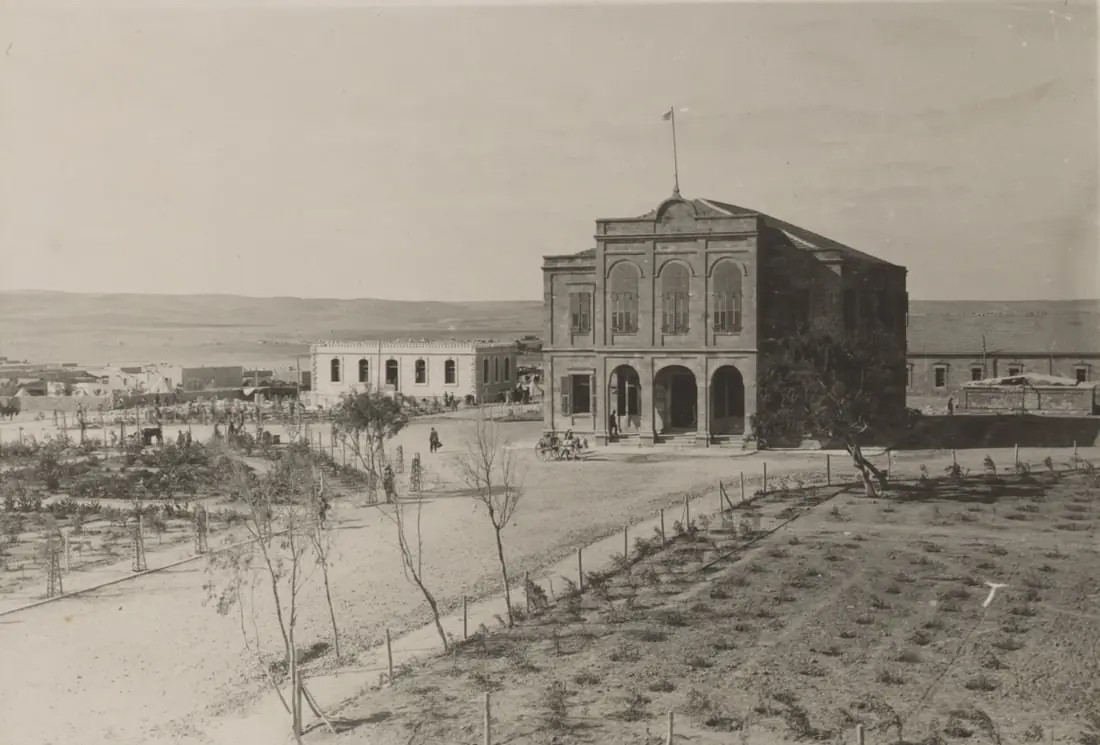
After the battle the Ottoman forces withdrew to a line north of Jerusalem, and the British captured Beersheba on 31 October 1917. The victory forced the Ottoman army to abandon its defensive strategy in southern Palestine and accelerated the British advance that culminated in the capture of Jerusalem in December 1917. The charge remains the last large‑scale cavalry action that achieved its objective without mechanized support, marking the end of an era in military tactics.
The Kaaba was set ablaze during the 683 siege of Mecca, destroying the most sacred structure of early Islam. The siege was part of the Second Fitna, a civil war between the Umayyad caliphate and the rival claimant Ibn al‑Zubayr, who held Mecca as his base. Al‑Hajjaj ibn Yusuf, the Umayyad governor of Iraq, led an army estimated at 2,500 men to subdue the city, while Ibn al‑Zubayr’s defenders numbered fewer than 500.
Al‑Hajjaj’s forces employed siege engines that launched large stones and incendiary material at the city walls. Historical accounts state that a projectile struck the roof of the Kaaba, igniting the wooden doors and the interior timber framework. The fire spread rapidly because the structure was built with timber beams and covered with a thick layer of plaster. The blaze lasted several hours, reducing the Kaaba to a charred skeleton and killing an unknown number of worshippers inside.
The destruction forced the Umayyads to confront the symbolic loss of the Islamic holy site. After the siege ended with Ibn al‑Zubayr’s death, the Umayyad caliph Abd al‑Malik ordered a complete reconstruction. He commissioned a new Kaaba built from stone, with a single door and a flat roof, dimensions of 12.86 meters by 11.03 meters. The new design eliminated the previous wooden supports and introduced a standardized shape that persists today. The rebuilding process employed craftsmen from Kufa and required roughly 1,000 laborers over several months, according to contemporary records.
The rebuilt Kaaba served two purposes. First, it restored the focal point for Muslim pilgrimage, allowing the Hajj to continue without interruption. Second, it demonstrated Umayyad authority by physically imprinting their architectural style on the holiest site, a message that the caliphate could control even the most revered symbols. This event marked the first time the Kaaba’s form was deliberately altered by a ruling power, establishing a precedent for later dynasties to modify its appearance for political reasons.
The fire and reconstruction transformed the Kaaba from a timber‑based sanctuary into a stone monument, making its preservation possible for centuries. The stone structure survived subsequent earthquakes and attacks, ensuring that the Kaaba remained a continuous focal point for Islamic worship.
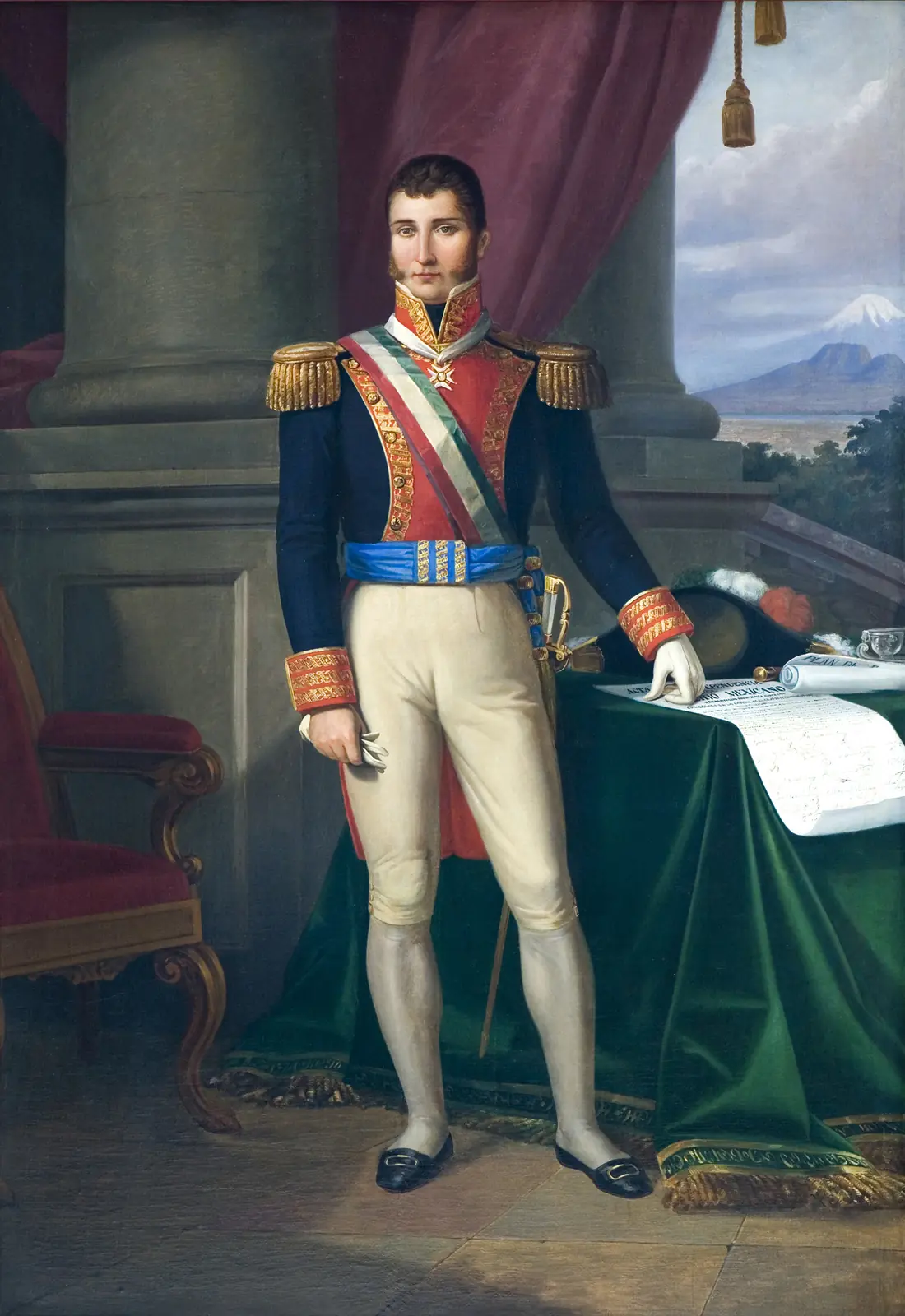
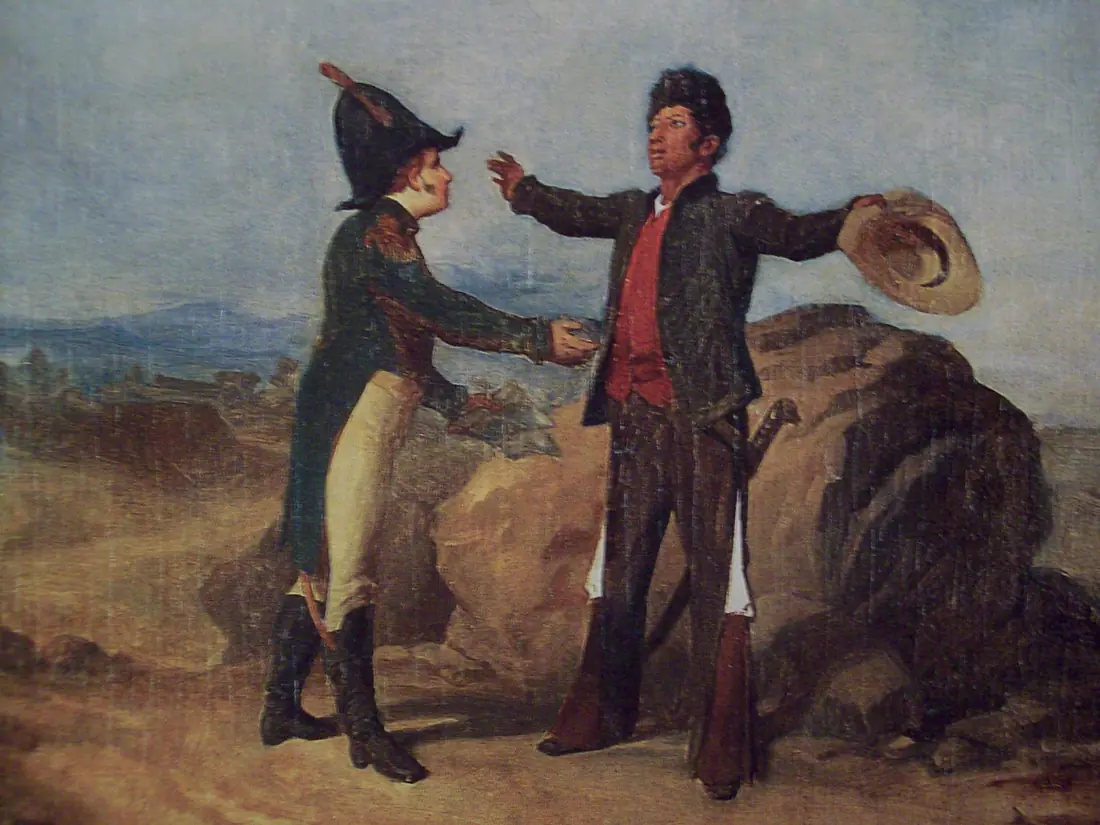
Emperor Agustín de Iturbide ordered the dissolution of the Constituent Congress on 31 October 1822, a move that directly challenged the 1822 Imperial Constitution which had been in effect for only 8 months. The Constitution had been drafted by 72 delegates who had convened in Mexico City on 2 February 1822 and it limited the emperor to a 5‑year term and required a yearly budget of 12 million pesos, a figure derived from the 1820 fiscal report.
Iturbide argued that the Congress, composed of 86 elected deputies, was obstructing his ability to raise the 3 million pesos needed for the army of 15,000 soldiers promised to the United Kingdom of Spain. On 31 October he issued a royal decree stating that the Congress would be suspended until a new council of 30 loyalists could be formed. The decree cited a 1821 royal edict that gave the monarch authority to act in emergencies, but the edict was never intended for internal legislative disputes.
The immediate reaction was a petition signed by 44 of the 86 deputies, representing 51 percent of the chamber, demanding the restoration of their legislative powers. Their petition was delivered to the imperial palace on 2 November and recorded in the palace archives as document number 112. Iturbide responded on 4 November with a second decree that declared the petition “null and void” and ordered the arrest of its 44 signatories. Historical records from the Archivo General de la Nación show that only 12 of those deputies were actually detained, indicating a partial enforcement of the decree.
The crisis forced the imperial treasury to suspend the planned 2 million peso loan from the British firm Baring Brothers, a loan that had been approved on 15 August 1822 to fund public works. The suspension reduced the empire’s available credit by 16.7 percent, as calculated from the total authorized borrowing of 12 million pesos. Within three weeks, on 22 November, a coalition of provincial governors representing 9 of the 13 states of the empire signed the Plan of Casa Mata, a document demanding a republican form of government. This plan led to the abdication of Iturbide on 19 March 1823 and the establishment of the United Mexican States.
Thus the attempted dissolution of Congress directly triggered the loss of imperial authority, the collapse of the planned foreign loan, and the rapid shift from monarchy to republic within a period of less than five months.