USS Indianapolis Sunk by Japanese Torpedoes
Philippine Sea
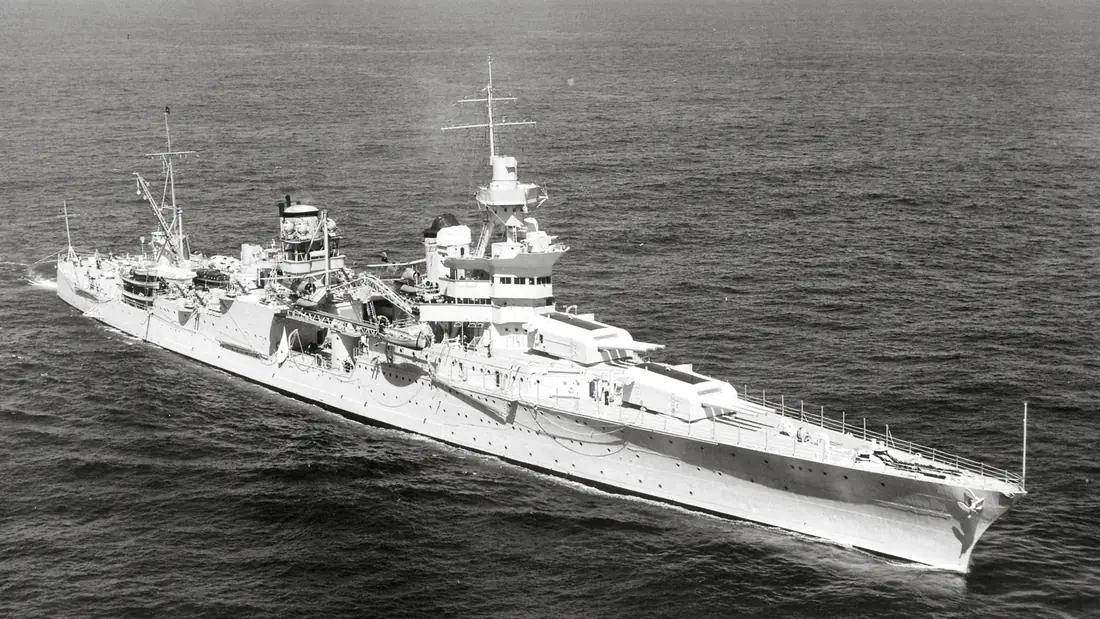
At 2:14 a.m. on July 30, 1945, the USS Indianapolis was struck by the first of two Japanese torpedoes. The ship's commanding officer, Captain Charles McVay III, was in his cabin asleep. He woke to the impact—a violent upward lurch that threw him from his bunk. The first torpedo had pierced the starboard side, just forward of the midship section. The second followed twelve minutes later, hitting almost the same spot. By then, the crew already knew they were sinking.
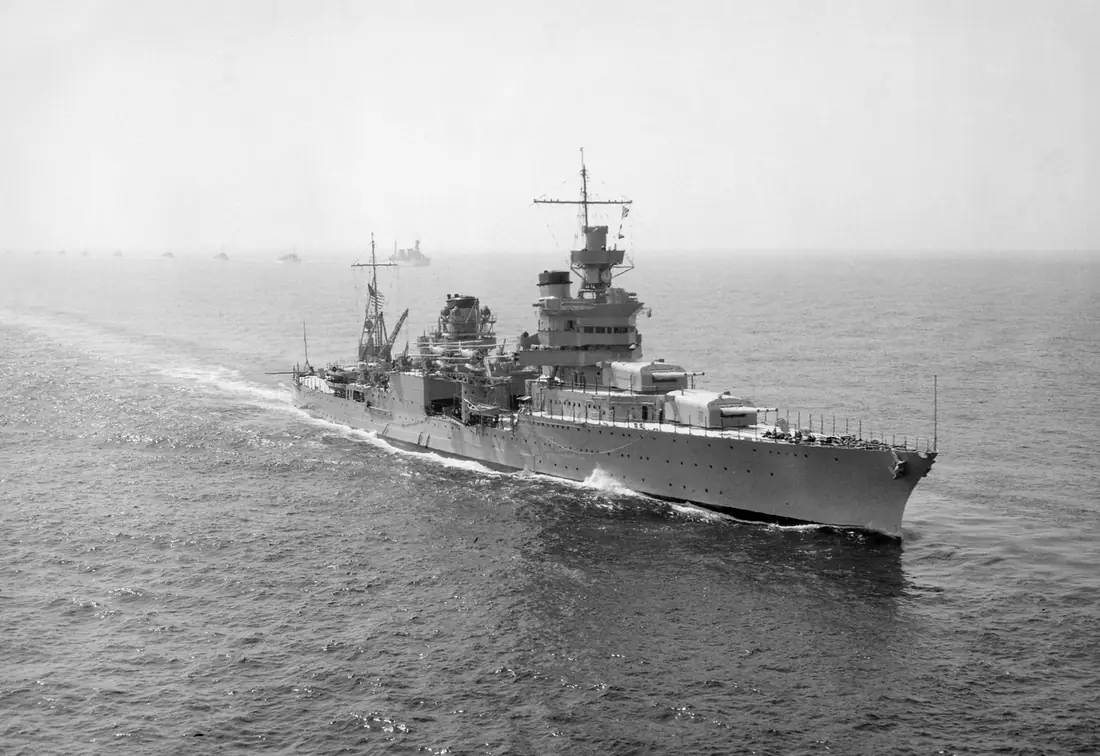
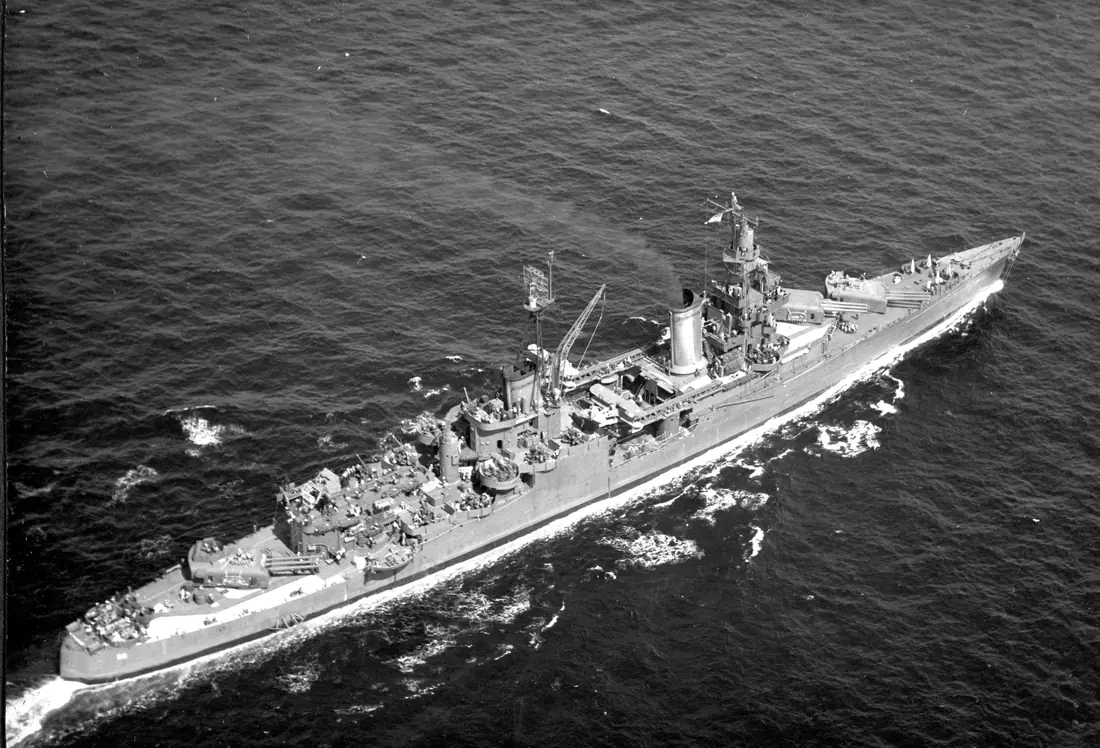
The Indianapolis was a heavy cruiser, 610 feet long, built to survive what the ocean could throw at it. Except this. The torpedoes came from the Japanese submarine I-58, commanded by Commander Hashimoto Moshiemon, who had been waiting in the Philippine Sea for exactly this kind of target. The ship had just completed a secret mission—delivering uranium and bomb components for what would become the atomic bomb dropped on Hiroshima—and was en route to Guam, running without escort, without zigzagging, without sonar. It was a decision made in confidence. The war in the Pacific was nearly finished. Risk seemed calculated and acceptable.
The flooding was catastrophic and immediate. The second torpedo had ruptured the fuel tanks and the forward engine room. Within twelve minutes, the Indianapolis began her final dive. Captain McVay gave the order to abandon ship at 2:35 a.m. By 2:52 a.m., she was gone—slipped beneath the surface in darkness, taking 300 men with her.
But the real horror was only beginning. Of the 1,196 crew members who made it into the water, 879 found themselves floating in the Philippine Sea with no lifeboats, no life jackets for many, no rescue on the way. The Navy didn't know they were down. No distress signal had been sent. No one was looking for them.
For four days, the men drifted. Sharks came. Dehydration set in. Hallucinations followed. Men drank seawater and went mad. Others simply let go. The sun burned them by day; the cold took them at night. Of the 879 who had survived the sinking, only 317 were pulled from the water when the USS Bassett finally found them on August 2.
That meant 562 men died in the water—more than died in the actual sinking. It remains the worst naval disaster in U.S. Navy history, a monument to the gap between confidence and reality. Captain McVay was court-martialed for the loss of his ship, making him one of only two commanding officers in Navy history to face such a trial for a vessel sunk in combat. He was convicted, though his sentence was later remitted. Twenty years later, in 1968, he took his own life.
The Indianapolis had carried the components of humanity's most destructive weapon to the moment of its use. Then she sank, and the Navy forgot about her crew for four days while they died in the dark.